Iraq to ban poultry imports as officials pledge price stability


Shafaq News
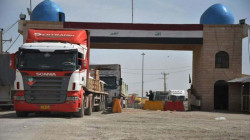
Iraq will enforce a ban on importing frozen chicken and related products starting October 23, following a government decision aimed at supporting local producers and strengthening food security.
The ban, approved by the Ministerial Council for the Economy on September 8, comes after a 45-day transition period recommended by the Ministry of Agriculture. While officials say the move will boost domestic production, economists warn it could strain market supply and increase prices if not carefully monitored.
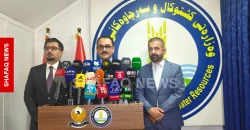
Deputy Agriculture Minister Mehdi Saher al-Jubouri said the measure targets frozen slaughtered chicken, cuts, and processed products, but not table eggs or live poultry—both already restricted in previous years.
He told Shafaq News the ministry will “closely track prices” and reopen imports if costs exceed agreed levels. Al-Jubouri added that most slaughterhouses operate below capacity but will be rehabilitated under a national plan to restore full production.
According to government pricing, a tray of eggs sells for 3,000 dinars (about $2.30) and a 1.3-kilogram chicken for around 4,000 dinars ($3). The ministry has denied reports of significant price hikes.
Iraq hosts about 1,200 poultry farms nationwide, excluding the Kurdistan Region—roughly 500 for egg production and 700 for meat.
Economist Karim al-Hilu supported the ban, noting it prevents unregulated imports, but cautioned that “weak oversight could turn the decision into a tool for monopolization.” He called poultry farming a “strategic and viable” industry that should receive state support under strict supervision, while maintaining imports as an emergency option.
Agricultural expert Khattab al-Dhamin pointed out that Iraq’s strategy to reduce imports must match actual production capacity. “Supply still falls short of demand,” he said, urging a “clear plan that balances producer protection with consumer welfare.”
In April 2025, the Agriculture Ministry said Iraq’s poultry output—about 1.17 million tons annually—matches the country’s demand for chicken meat. It added that cutting and processing lines could boost production by another 1.37 million tons.
However, economist Ahmed Eid described deeper problems in the sector, citing high feed costs, poor management, and unequal government support. Feed alone, he revealed, accounts for about 70% of production expenses and has risen by 30% due to currency fluctuations and transport costs.
“Real self-sufficiency requires state control over pricing and subsidies for key inputs,” Eid warned. “Without that, conflicting interests will continue to undermine Iraq’s food security.”
Written and edited by Shafaq News staff.