Iraq’s backtrack on Hezbollah–Houthi listing exposes a high-stakes regional tightrope


Shafaq News
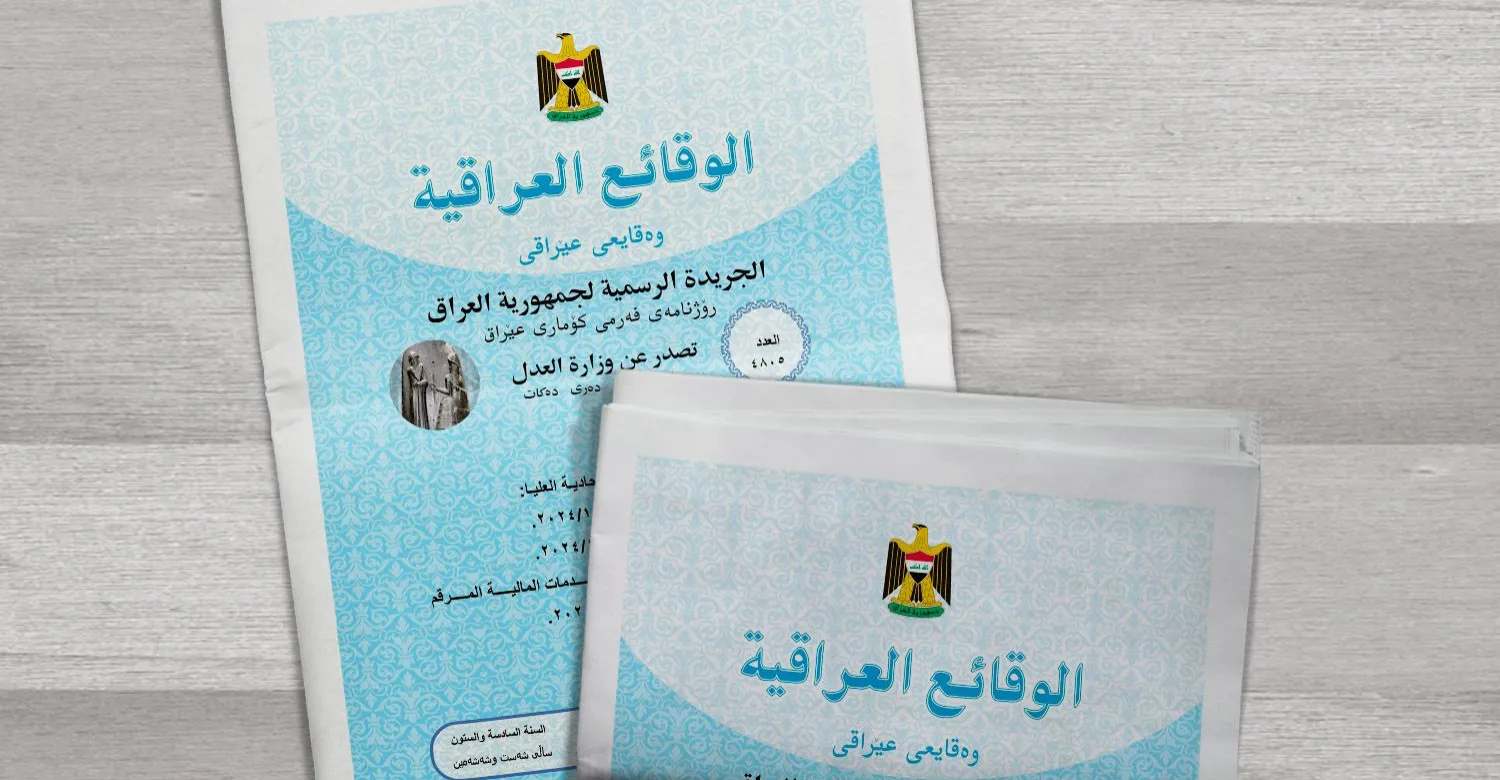
Seventeen days after Iraq’s Official Gazette (Al-Waqae’e) published a decision placing Lebanon’s Hezbollah and Yemen’s Ansarallah (the Houthis) on the national list for freezing terrorist assets, the measure ignited a political storm on Thursday. The backlash forced the government into an effective reversal, describing the inclusion as a “technical error,” even though the decision had already taken legal effect last month.
The episode unfolded amid a tense regional climate shaped by ongoing conflict, shifting alliances, and growing international pressure to curb the influence of Iran-aligned armed groups.
For years, Iraqi governments have attempted to maintain an official distance from both the Yemen conflict and the confrontation between Israel and the Axis of Resistance, a network of armed groups aligned with Iran and opposed to Israeli influence in the region. At the same time, Shiite factions close to Iran expanded their political, media, and logistical ties with Hezbollah and the Houthis.
After the Gaza war in 2023, the idea of “unity of fronts” gained momentum, with Iraqi factions, Hezbollah, and the Houthis announcing drone and missile operations targeting Israel and maritime routes, while others organized public fundraising campaigns portraying themselves as part of a single regional front running from Baghdad to Sanaa and Beirut. In this context, the sudden appearance of Hezbollah and the Houthis on Iraq’s terrorism-related freezing list clashed with deeply entrenched networks and narratives inside the country.
Reactions from Iraqi factions reflected the scale of the shock. The political council chairman of the US-sanctioned Harakat al-Nujaba, Ali al-Asadi, wrote on X that the Official Gazette had now classified Hezbollah and the Houthis as terrorist organizations, even though “their blood was shed on Iraqi soil to defend its dignity and sacred places.” He called the decision “a betrayal” and said that “such a government does not represent the proud Iraqi people.”
In contrast, figures within the Reconstruction and Development Coalition (Al-Ima’ar wal Tanmiya) led by Prime Minister Mohammed Shia al-Sudani insisted the matter was purely administrative. Qusay Mahbuba, head of the Amarji Party and a senior member of Al-Sudani’s Coalition, told Shafaq News that the process had no political dimension, explaining that the Central Bank committee routinely handles lists arriving from the United Nations, and it appeared to have transferred the list “as is” without verifying it against Iraq’s official positions or reviewing the entities involved.
Read more: Iraq can amend terror listings published in Official Gazette, legal experts say
“Iraq maintains its own lists and does not adopt political stances against Hezbollah or the Houthis. The committee treated the UN document as a settled fact when it was not, and the mistake was discovered and corrected accordingly.”
Inside Iraq’s political community, the decision raised suspicions about external pressure. Researcher Sabah al-Ukaile said the publication created widespread surprise, describing the move as unprecedented and contrary to Iraq’s long-standing support for the Palestinian cause as well as public sentiment and religious authorities.
Speaking to Shafaq News, al-Ukaile considered classifying groups confronting Israeli occupation as terrorists to be “shameful,” and suggested that the committee may have faced pressure or had some form of prior coordination intended, in his view, to win favor with the US administration and strengthen al-Sudani’s chances of securing a second term.
From Beirut, political analyst Amin Bashir said the development in Iraq cannot be separated from a broader global effort to limit Iran and reduce the influence of its armed proxies in Arab countries. “Since the 2023 Al-Aqsa Flood operation, it has become clear that there is an international push to withdraw Iran-aligned armed groups from regional battlefields and restrict weapons to states alone,” he told our agency, pointing out that Iraq, like Lebanon, faces the issue of weapons outside state control.
Bashir described the publication of the decision as a way of testing public reaction, while the subsequent retraction was understandable as a move to avoid internal confrontation.
Yemeni writer and analyst Hamid al-Bakhiti, who is close to the Houthis, downplayed the implications of the decision, saying that the authorities in Sanaa did not view it as a cause for tension with Baghdad. He explained that they respected that the decision came from an Iraqi governmental committee and that it may have been issued by mistake.
“The relationship between Iraq and Yemen is historic and fraternal and would not be affected by such measures,” al-Bakhiti told Shafaq News, adding that the Houthis viewed Iraq with great appreciation and did not believe that a technical error of this kind could influence ties between the two countries.
Iraqi law allows for the correction of decisions published in the Official Gazette. Under Law No. 78 of 1977, the issuing authority is permitted to publish corrections or clarifications when necessary. Article 8 of the Gazette Law stipulates that typographical errors can be amended through an official statement, and if the mistake originated within the Central Bank, the institution itself must issue a corrective decision. However, the statement released by the Cabinet Secretariat indicated that Hezbollah and the Houthis were listed without formal approval for their inclusion, suggesting a procedural lapse that goes beyond a simple publication error.
Neither Hezbollah nor the Houthis issued any official comment on the Iraqi decision or on the government’s subsequent reversal.
Although the government described the episode as a technical error, it leaves lingering questions about Iraq’s position in a volatile regional environment and about the capacity of its institutions to prevent bureaucratic actions from triggering political crises.
Read more: PM Al-Sudani’s 2nd-term bid raises fears of power consolidation
Written and edited by Shafaq News staff.