Iraq-US investment deals depend on implementation, experts say


Shafaq News
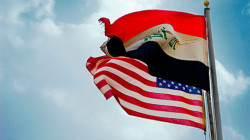
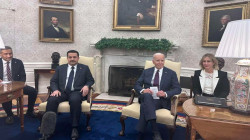
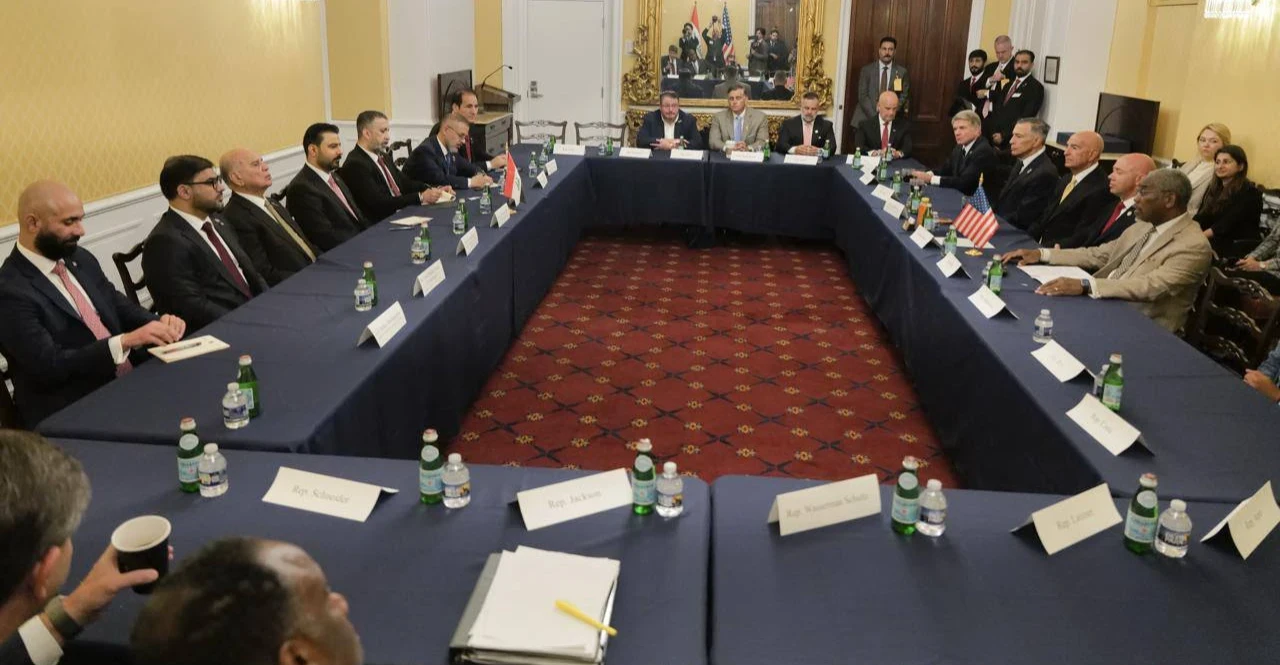
Iraqi Prime Minister Ali al-Zaidi, who took office in May, met US President Donald Trump and American officials in Washington this week on his first foreign visit, centering talks on oil, electricity, infrastructure, technology, and investment. Political and economic figures told Shafaq News the visit has raised hopes in Baghdad for a new phase of economic engagement, cautioning that its success will depend on whether the agreements reached turn into projects with visible results rather than paper commitments.
"Many within Iraq's political spectrum had been waiting for al-Zaidi's visit, especially as Iraq and the region are witnessing major developments that affect services and social and living conditions," political researcher Imad al-Musafir, who is close to the Shiite Coordination Framework (CF), the largest bloc in Iraq's parliament, told Shafaq News.
The visit's emphasis on investment partnerships matches Iraq's current economic priorities, he explained, arguing that cooperation with US companies could help address some of the country's longstanding challenges.
For al-Musafir, however, the value of any agreement will depend on what follows the signing ceremonies. "Signing memorandums of understanding and contracts is not the objective itself. The objective is to see something tangible on the ground, because some previous agreements had no practical impact and remained only ink on paper," he added.
He also viewed al-Zaidi's economic background as a potential advantage in pursuing investment opportunities, hoping that his experience could have a positive impact on "Iraq's reality."
Economic researcher Ahmed Eid shifted attention to another key issue: whether Iraq can create the conditions required to convince investors to commit their money.
Foreign companies, he explained, look beyond government commitments and assess factors including the strength of the private sector, legal protections, and the broader business environment, arguing that improving investor confidence requires tackling longstanding obstacles, including corruption and weak transparency.
"Recovering public funds lost to corruption and holding those responsible accountable is crucial," Eid added, noting that such measures would help strengthen confidence among international companies.
If economic partnerships are accompanied by broader reforms, Eid believes they could support better services, job creation, and stronger growth. Without those changes, however, agreements could face difficulties in producing meaningful results.
Energy remains one of the central areas where Baghdad hopes to deepen cooperation with Washington, particularly through greater involvement from US companies in oil production and electricity projects.
"The economic agreements that will be signed, based on their content, can have a positive impact on Iraq and Iraqi society," Fahd al-Jubouri, a political figure from the National Wisdom (Al-Hikma) movement led by Ammar al-Hakim, told Shafaq News.
Read more: Baghdad to sign 18+ agreements with the US
Cautioning that the impact of the agreements would only become clear once implementation begins, he pointed to the energy fund and oil companies as areas that could benefit the Iraqi people once the necessary procedures are completed. The fund is a proposed Iraq-US Energy and Development Fund that Baghdad plans to finance with oil-export revenues to support electricity and infrastructure projects, according to Shafaq News.
The composition of al-Zaidi's delegation also reflected the economic nature of the visit, according to independent politician Iyad al-Janabi, who viewed the participation of businessmen and investors as a signal that Baghdad seeks to develop long-term economic ties with Washington.
"The message was that Iraq wants to be a strategic and economic partner of the United States," he explained, citing Iraq's geographic position and economic potential as factors encouraging deeper engagement with Washington.
He also connected the economic focus of the visit to Iraq's broader need for foreign capital and investment, calling for efforts to develop infrastructure, strengthen productive sectors, and expand oil export capacity, including through more diversified export routes.
For al-Janabi, the next stage will determine whether the Washington agreements mark a new phase in economic cooperation or become another set of commitments awaiting implementation.
Written and edited by Shafaq News staff.