Gaza’s Sea: Fishing comes at the cost of death


Shafaq News
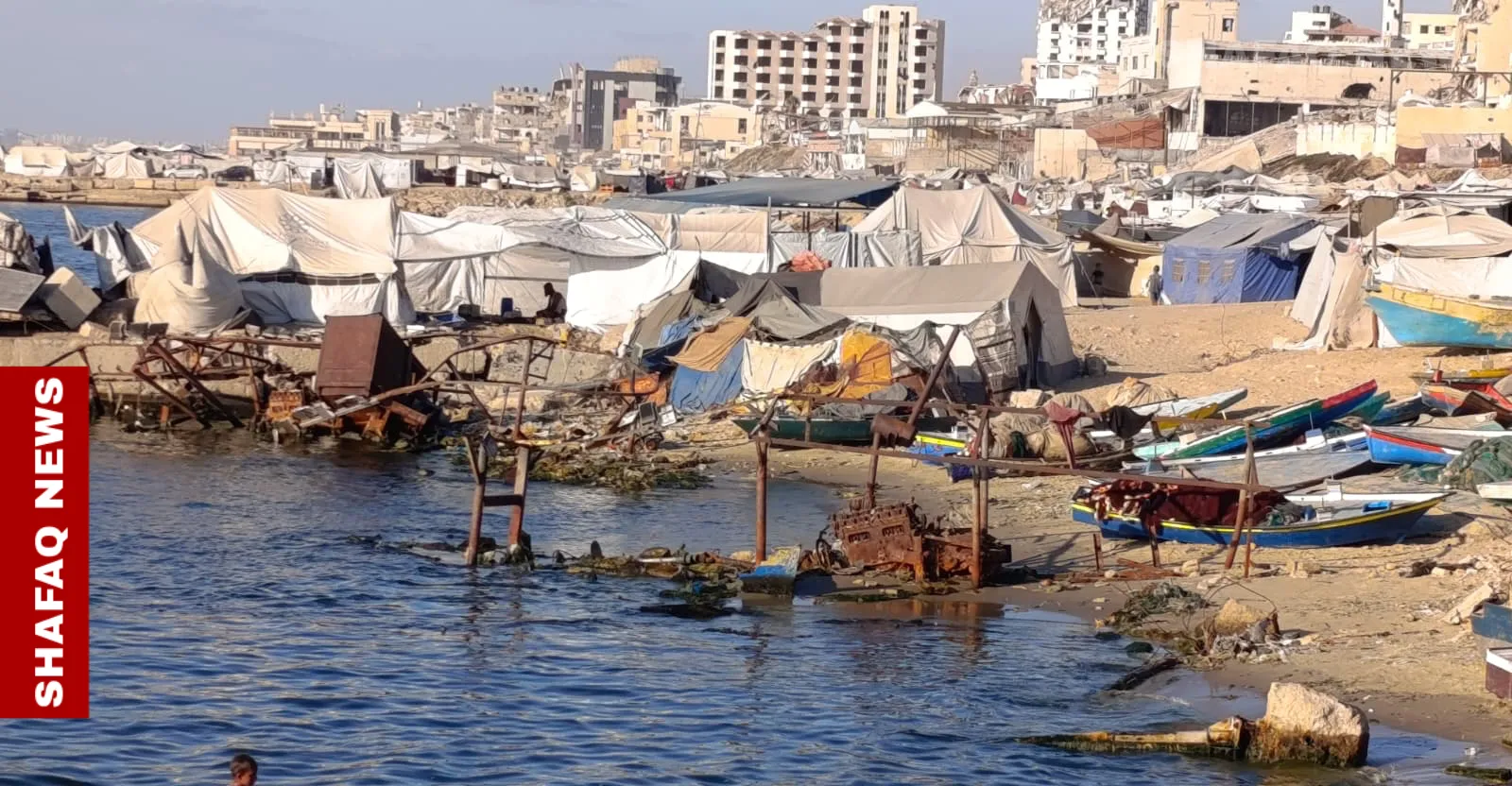
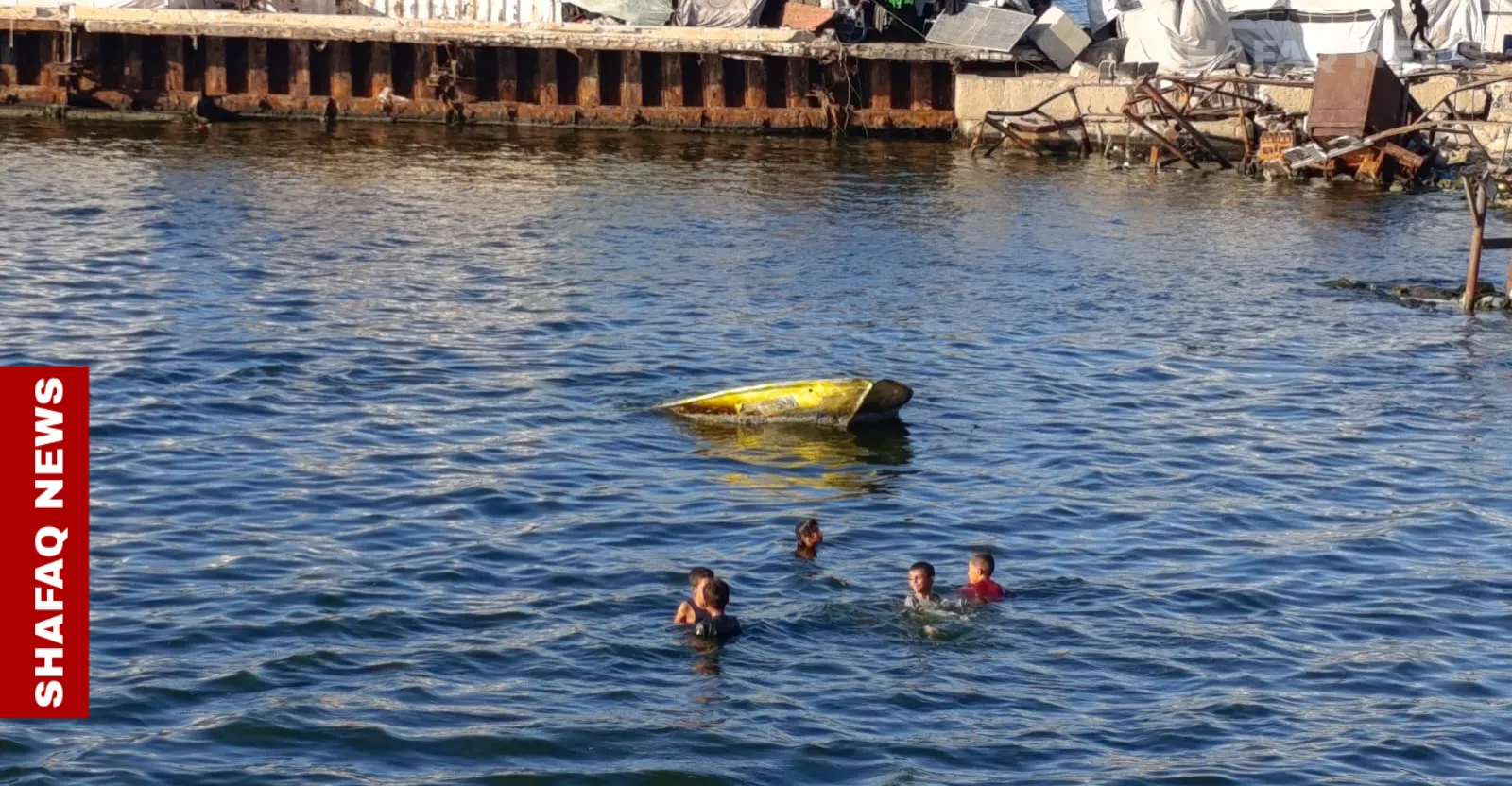
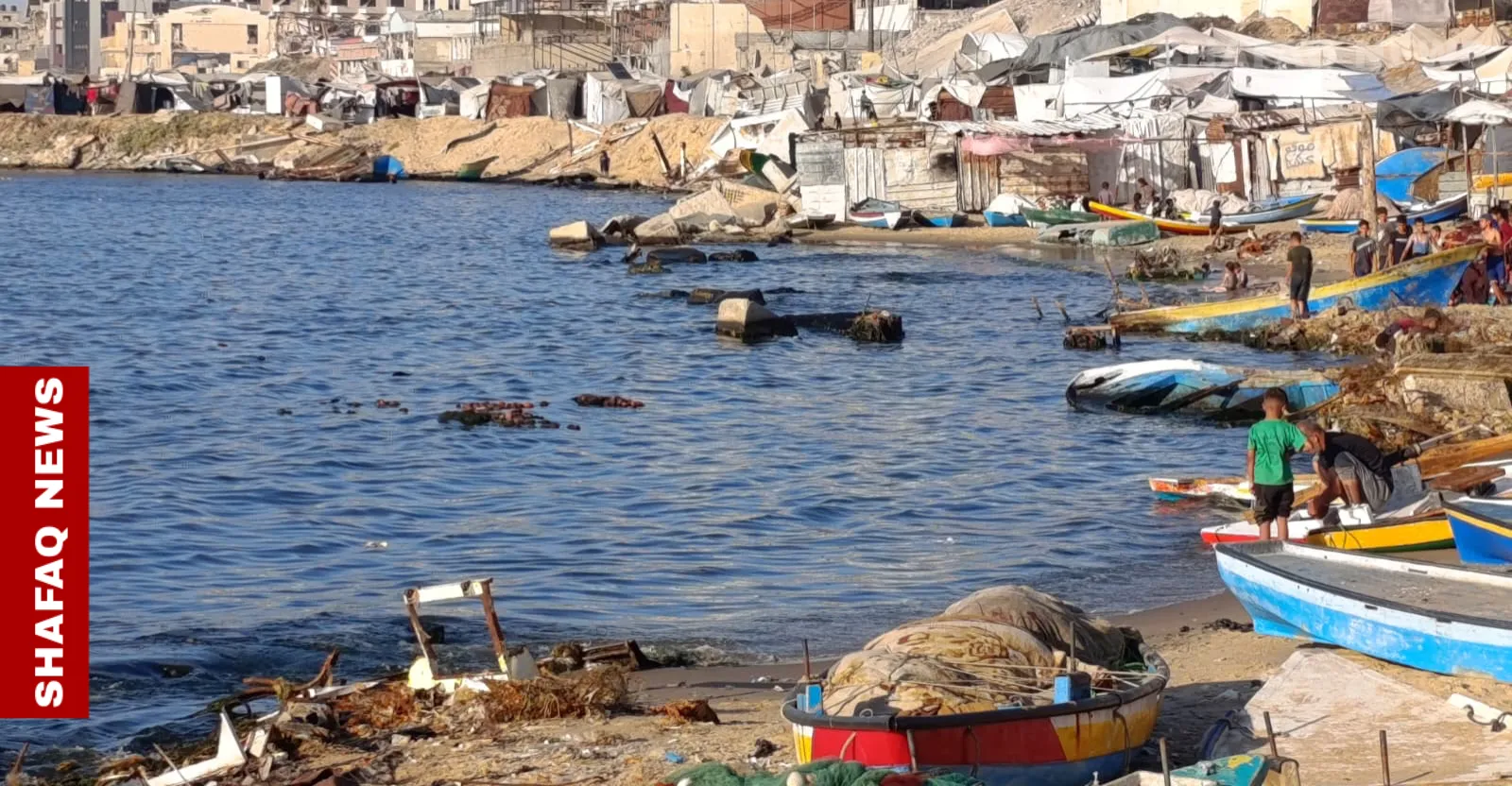
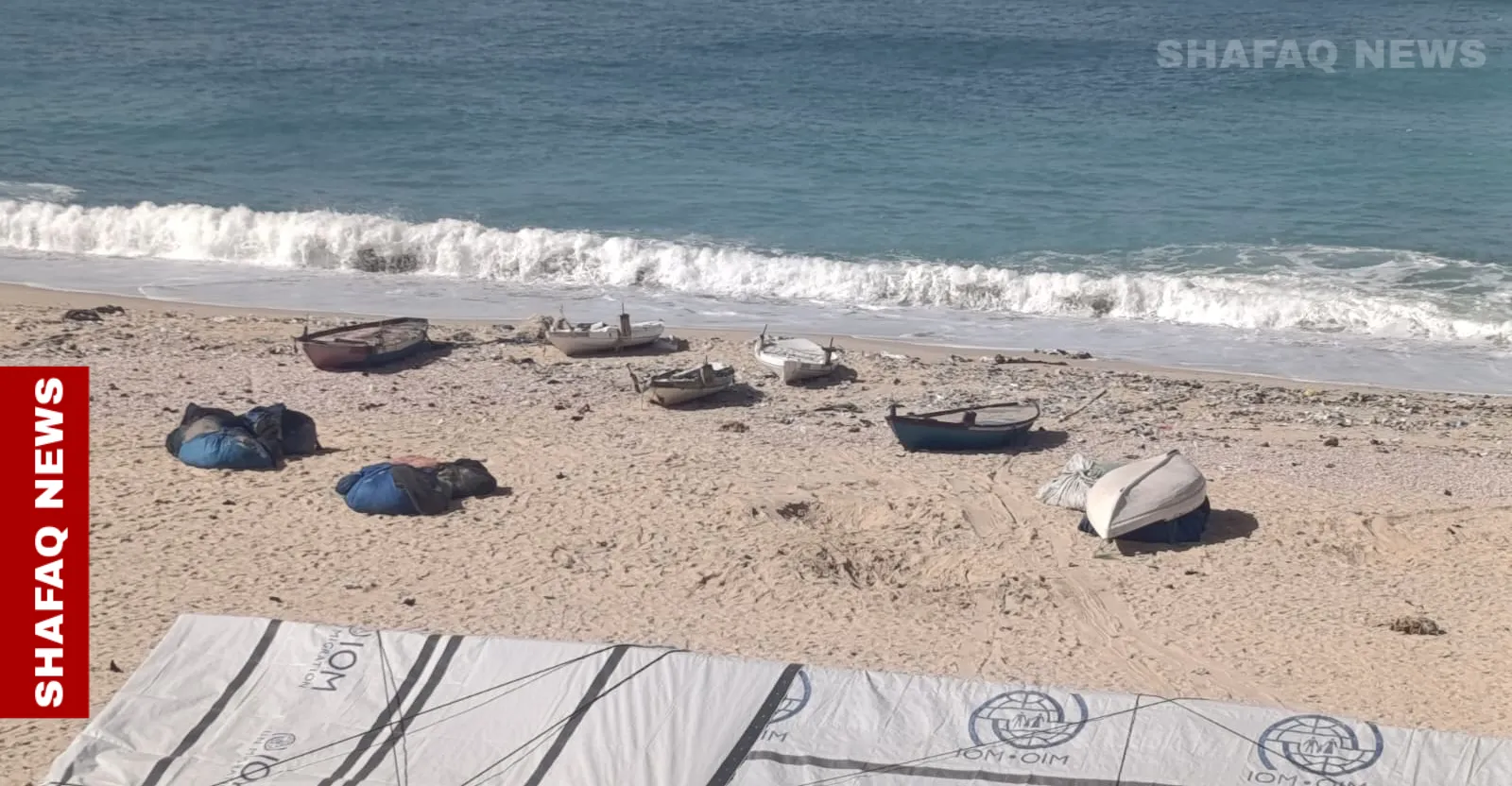
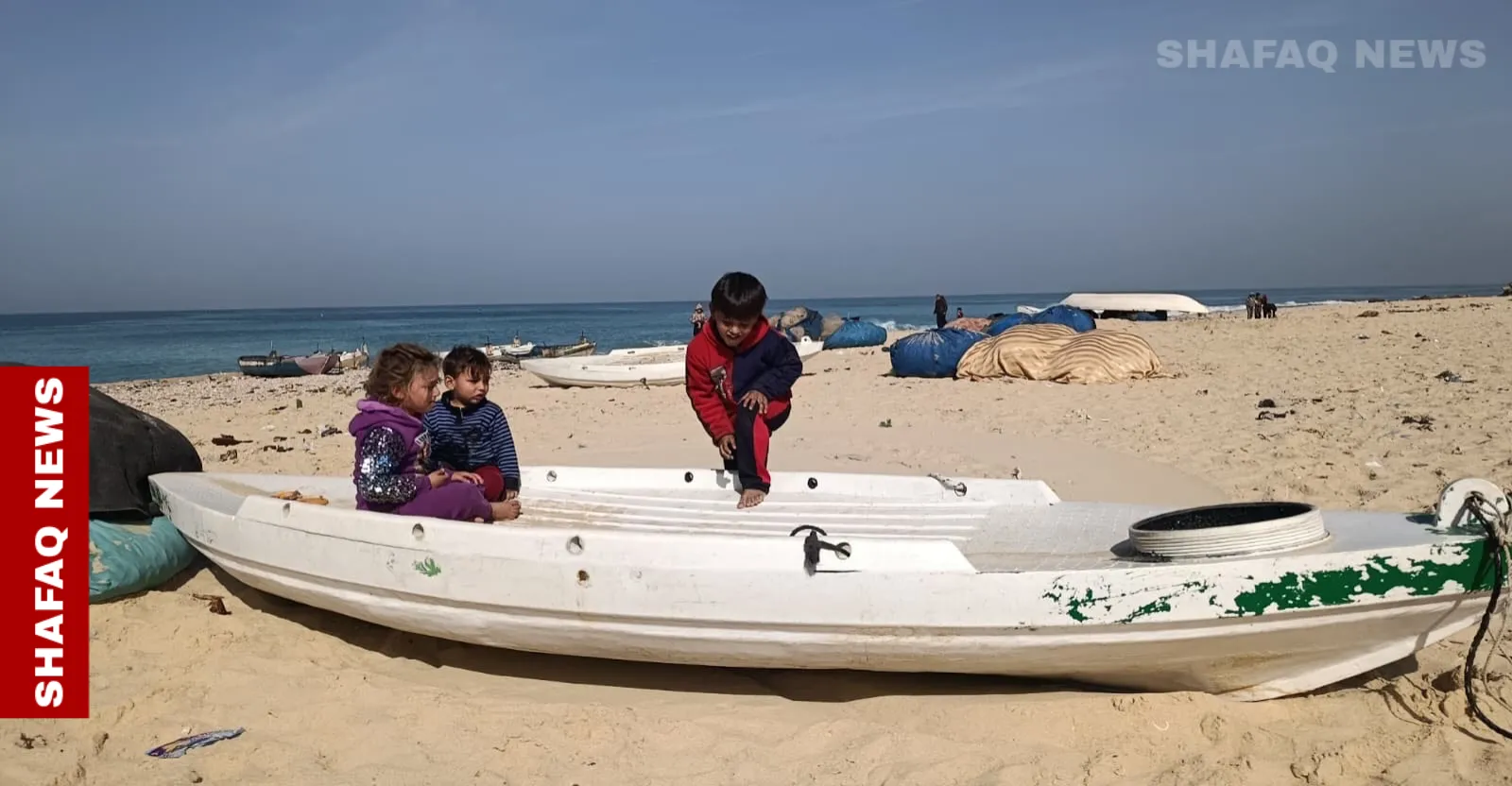
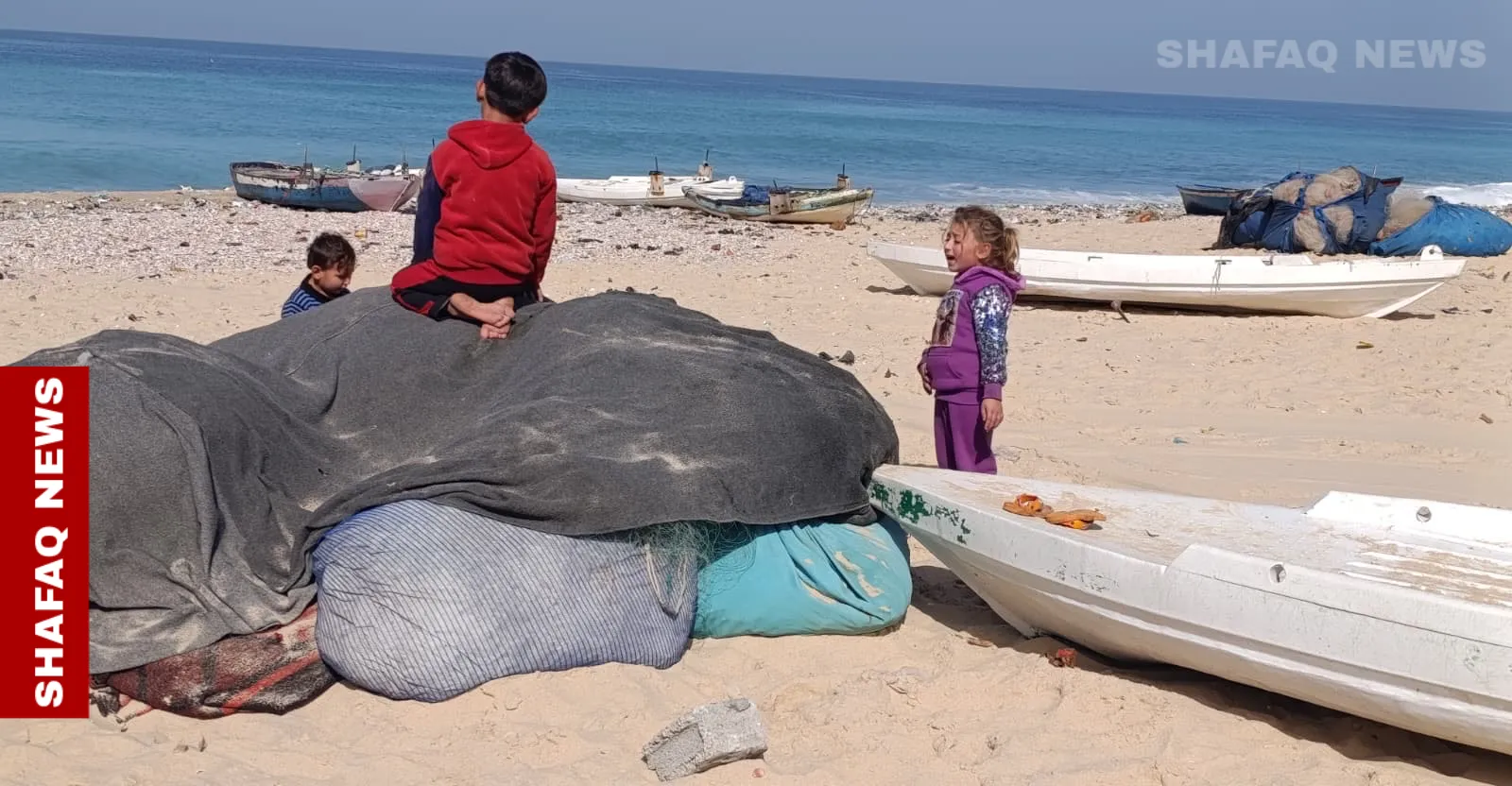
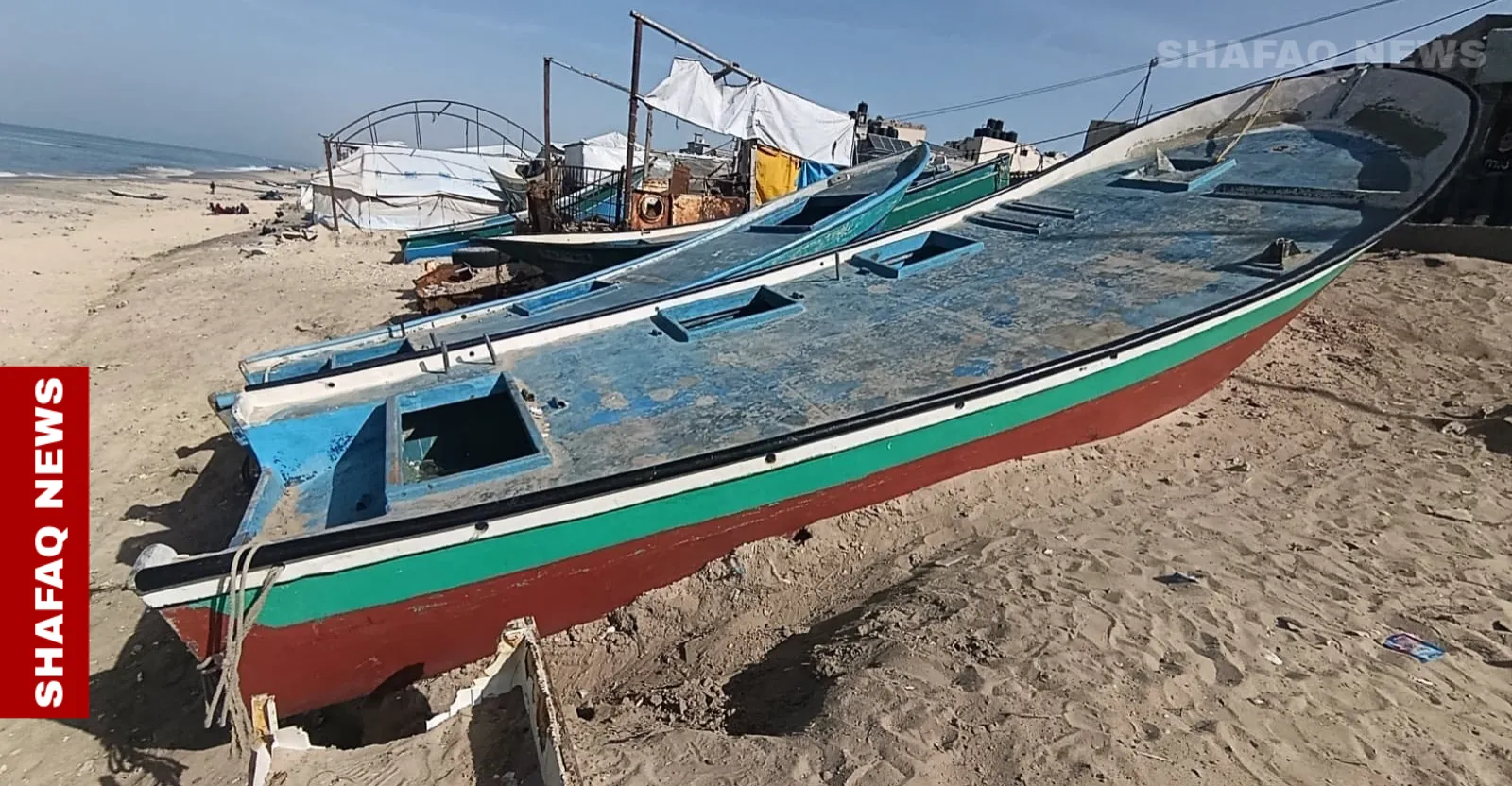
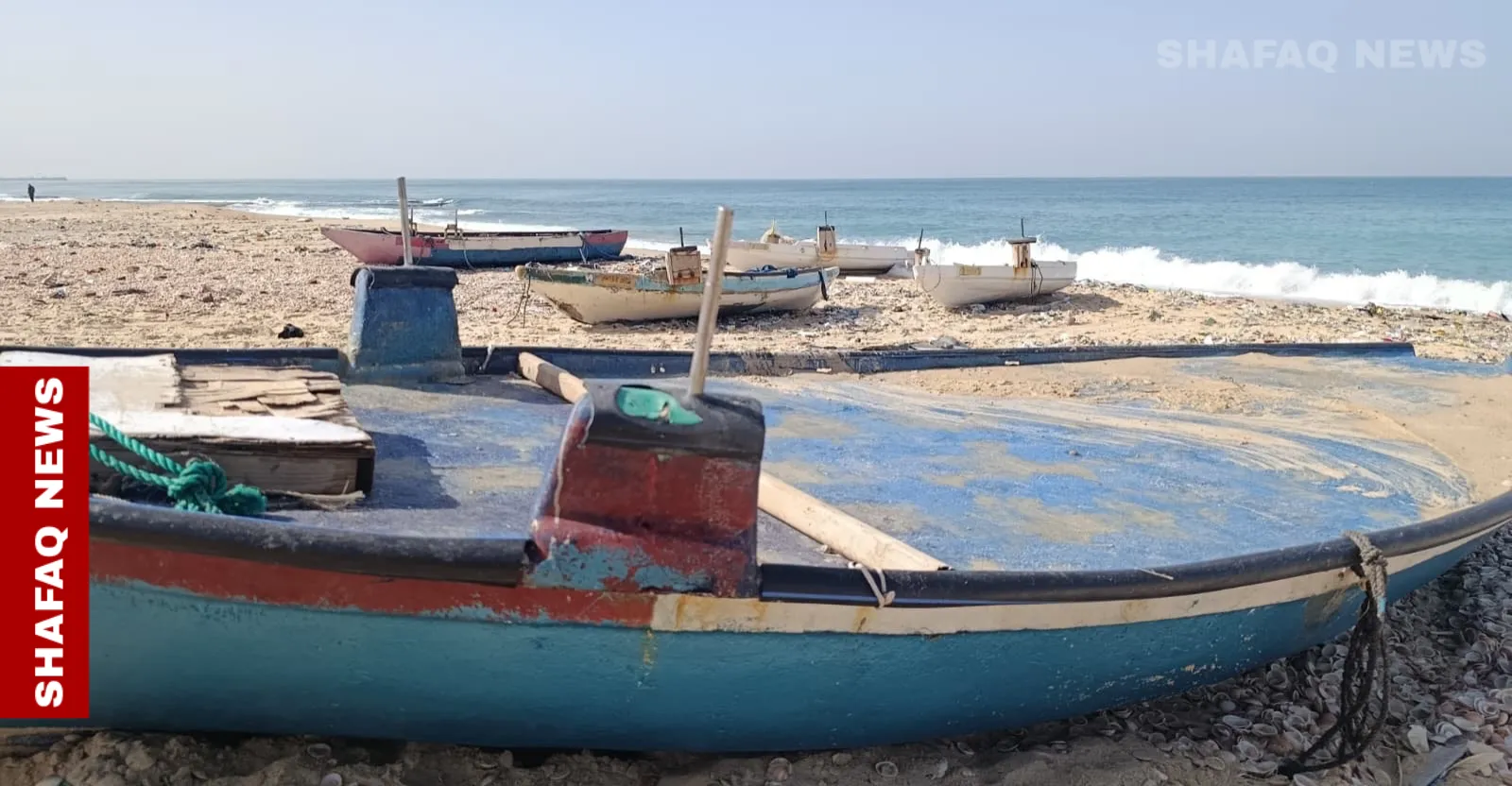
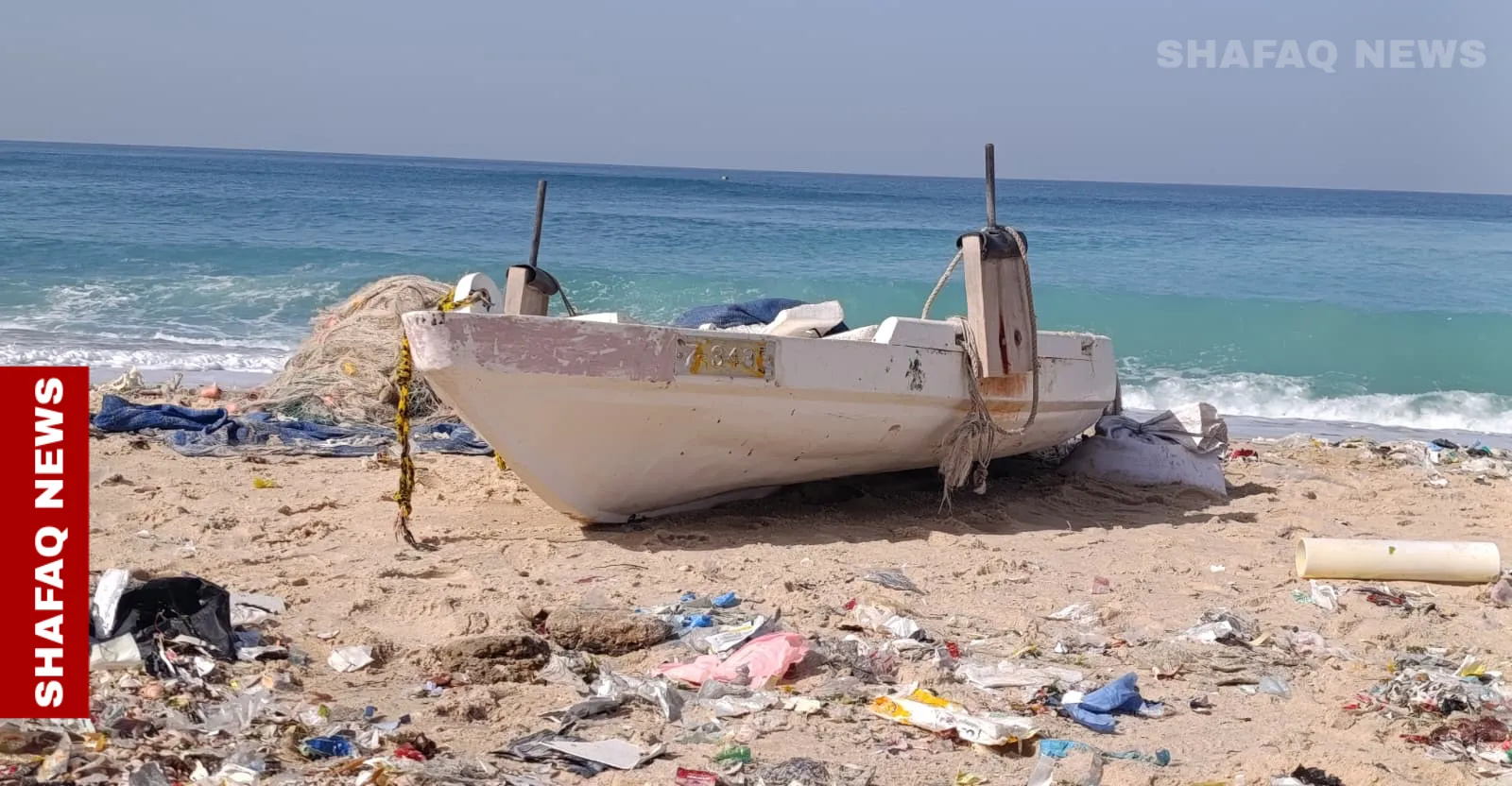
Along Gaza’s shoreline, the wreckage
of shattered fishing boats remains embedded in the sand like wooden graves,
marking the devastation of a coastal enclave where the sea is no longer a
source of livelihood but a zone of constant danger.
The war did not pass as a temporary
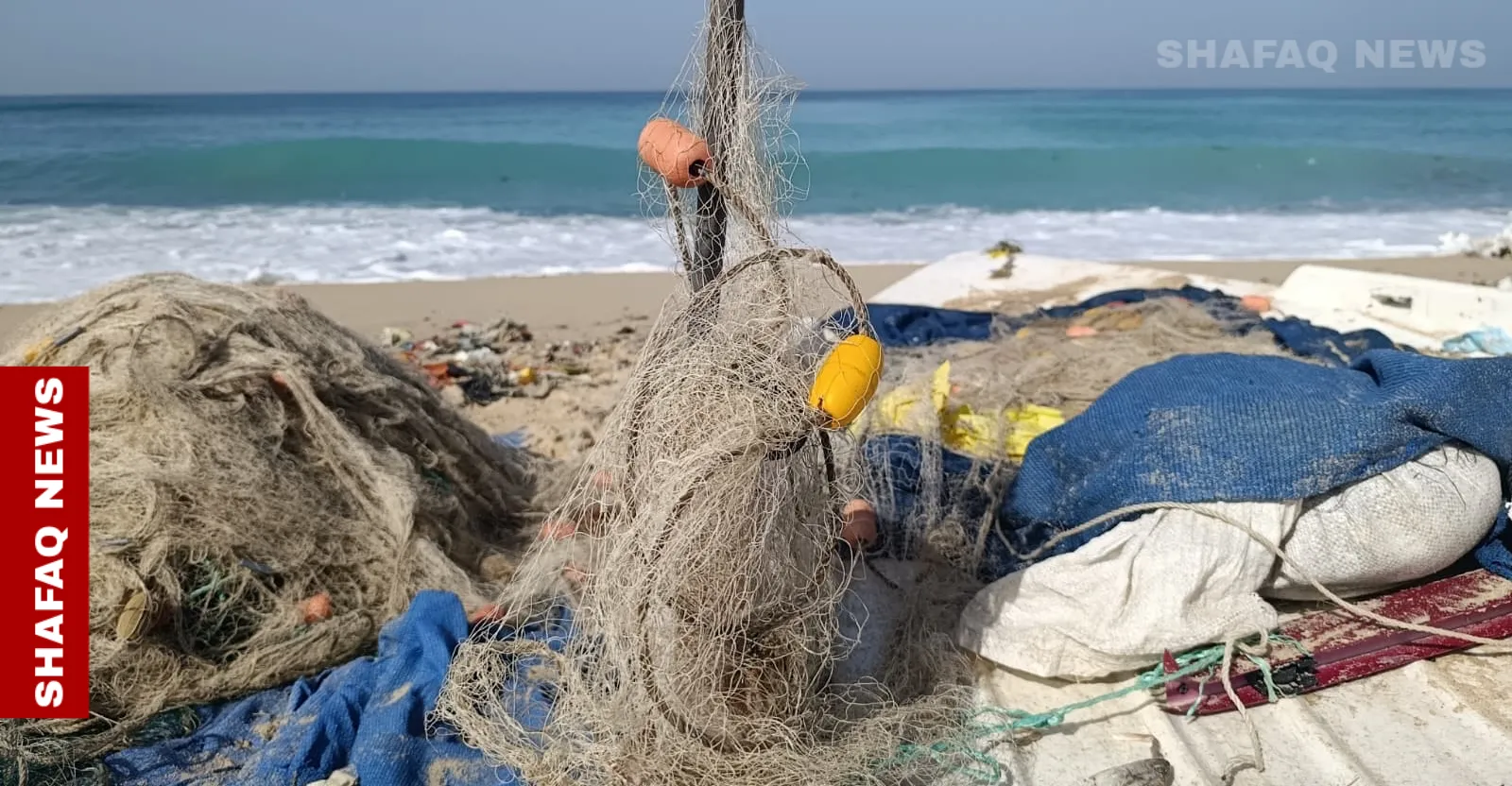
storm. It left behind rusted vessels and torn nets, which fishermen describe as
evidence of a “livelihood annihilation” that has targeted one of the last
remaining lifelines in the territory.
Palestinian fishermen now face a
harsh reality. Boats that once sailed offshore have become hollow shells
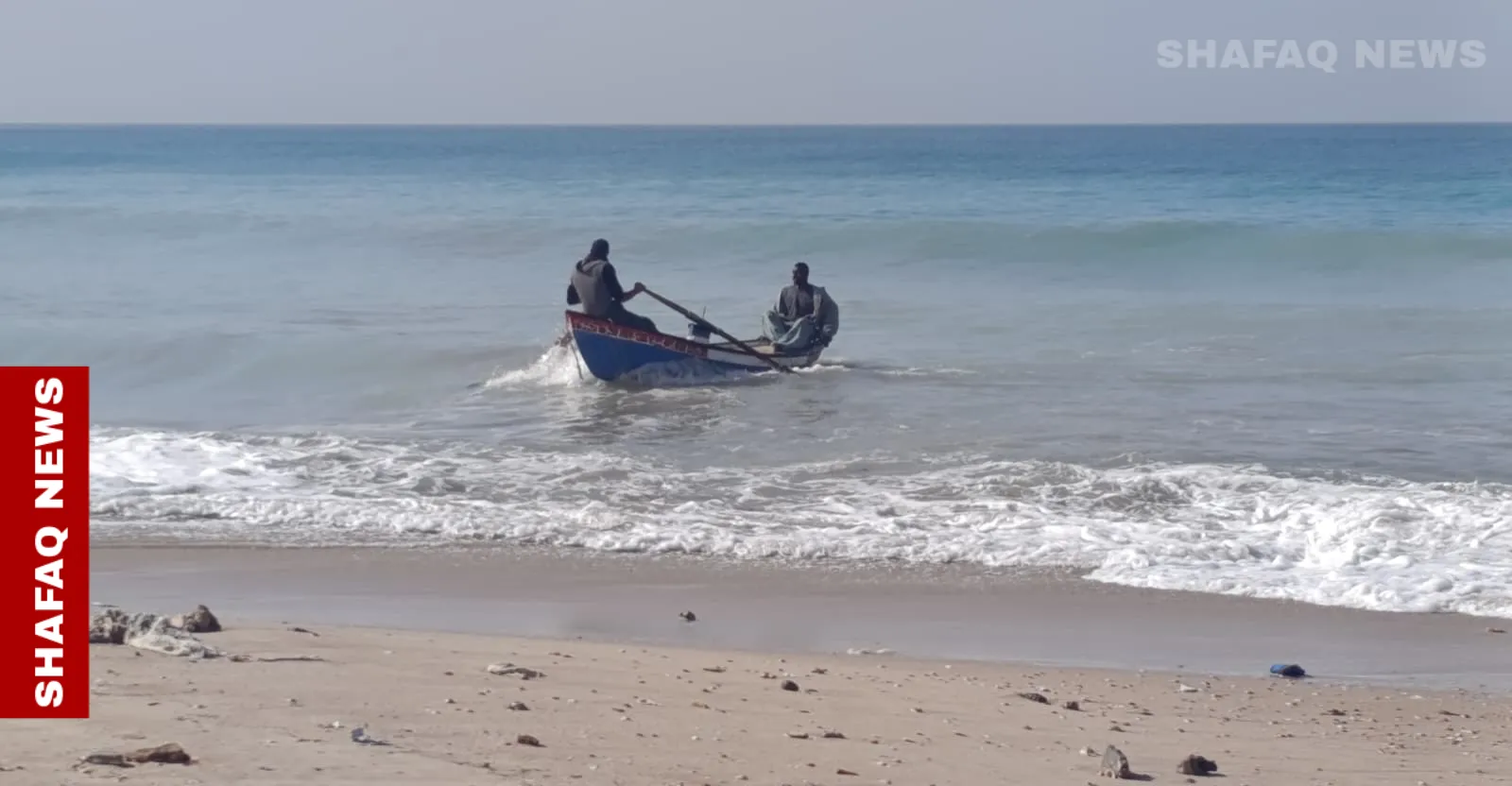
leaning against one another, while venturing into the sea has turned into a
high-risk gamble amid daily harassment and pursuit, making fishing a profession
shadowed by arrest, injury, or death.
Behind the ruined equipment lies an
almost complete collapse of Gaza’s food security system. Tight restrictions and
shrinking fishing zones have left markets nearly devoid of fish, which for
decades served as a staple food for residents.
The
Sea Is Closed
Fisherman Yassin Ahmed said the
coastline is effectively sealed off, with naval patrol boats leaving no margin
of safety for those attempting to fish.
“Wherever you go, you find a patrol boat in front
of you. We say: whoever goes into the sea is lost, and whoever returns is
reborn —you enter not knowing whether you will come back injured, detained, or
not return at all,” Ahmed told Shafaq News.
He said harassment was not new but
intensified after the war, noting that fishing areas have shrunk from up to
nine nautical miles before the conflict to only a few meters now —a range that neither
protects fishermen nor ensures a viable catch.
Ahmed noted more than 90% of fishing
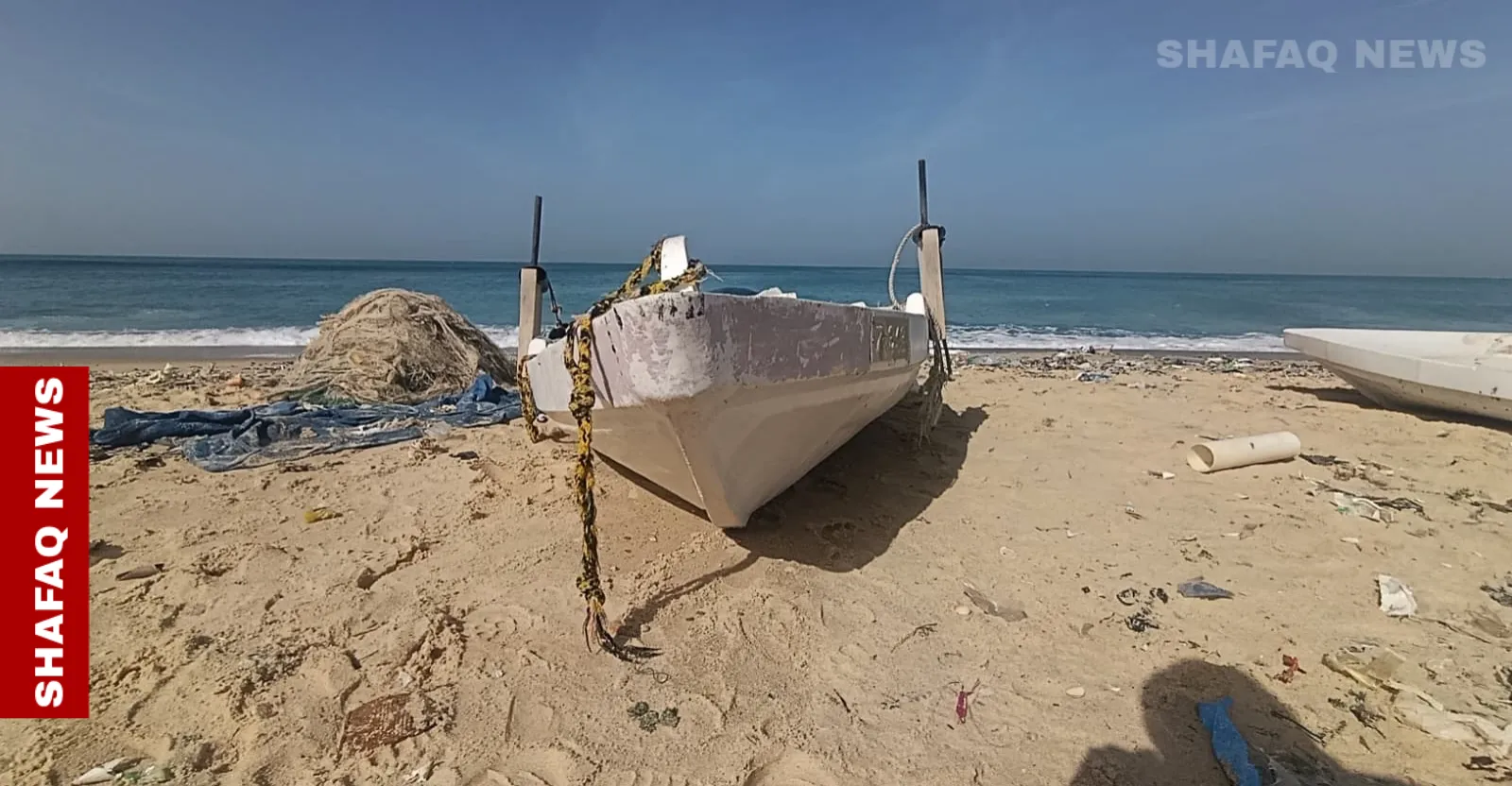
boats have been destroyed, leaving only small vessels unable to withstand rough
seas or outrun fast naval boats.
Even these smaller boats, he added,
are not spared. “The sea is rough, the waves are deadly, and the patrol boat is
faster than you. You face two bitter choices —martyrdom or arrest.”
As a result, many fishermen have
stopped going to sea, especially after seeing colleagues return from detention
bearing signs of torture, or not return at all.
Losses have extended beyond boats to
fishing equipment, whose prices have surged sharply. Ahmed said a rubber
component that once cost 300 shekels now exceeds 1,200 shekels, while the price
of fishing ropes has risen from five shekels to hundreds.
Repair materials have also become
unaffordable. The price of fiberglass has climbed from 50 shekels per kilogram
to nearly 2,000 shekels, making boat repairs nearly impossible and forcing
fishermen to resort to makeshift fixes simply to survive.
Killings Continue Despite The
Ceasefire
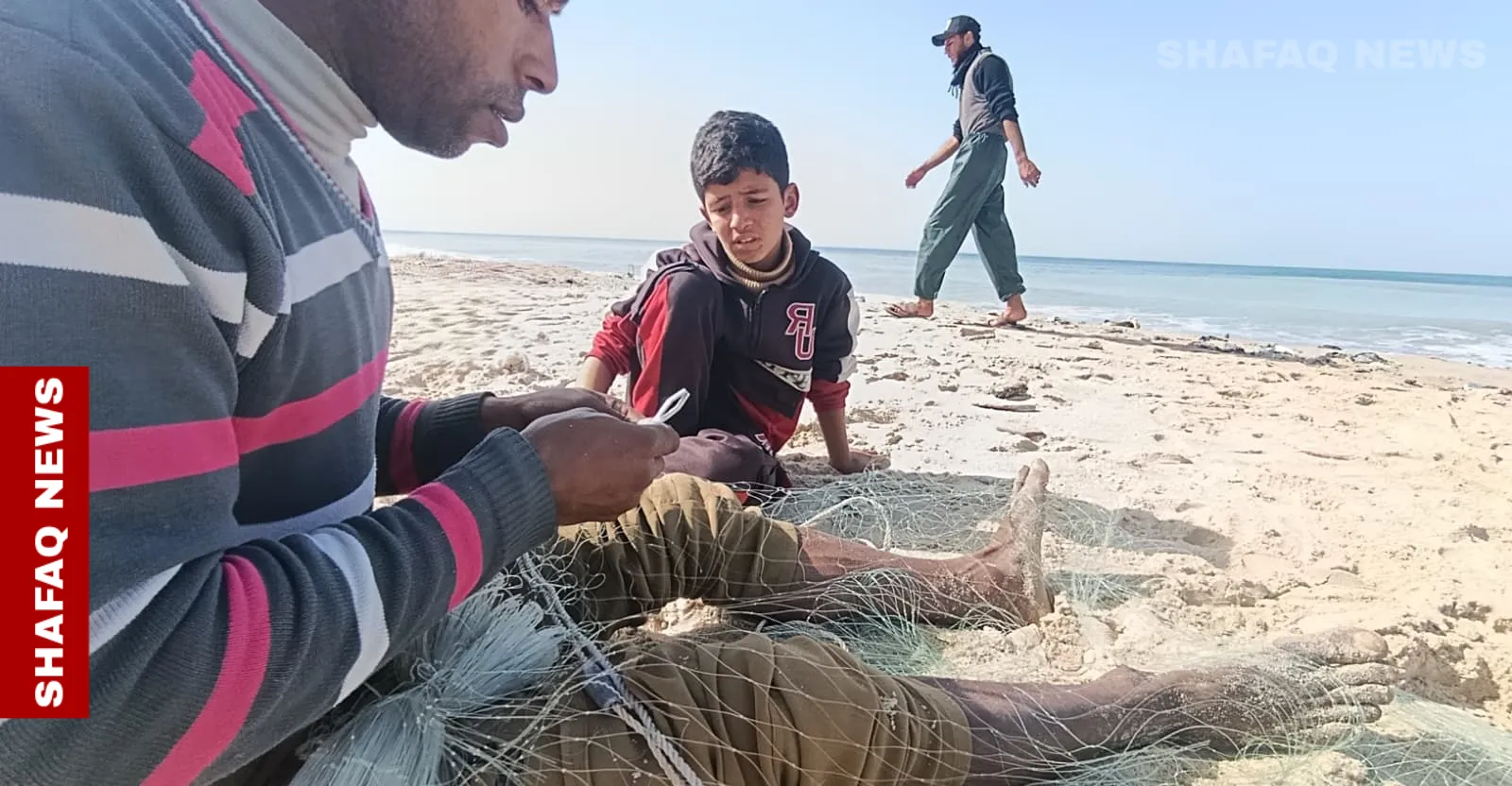
Another Palestinian fisherman,
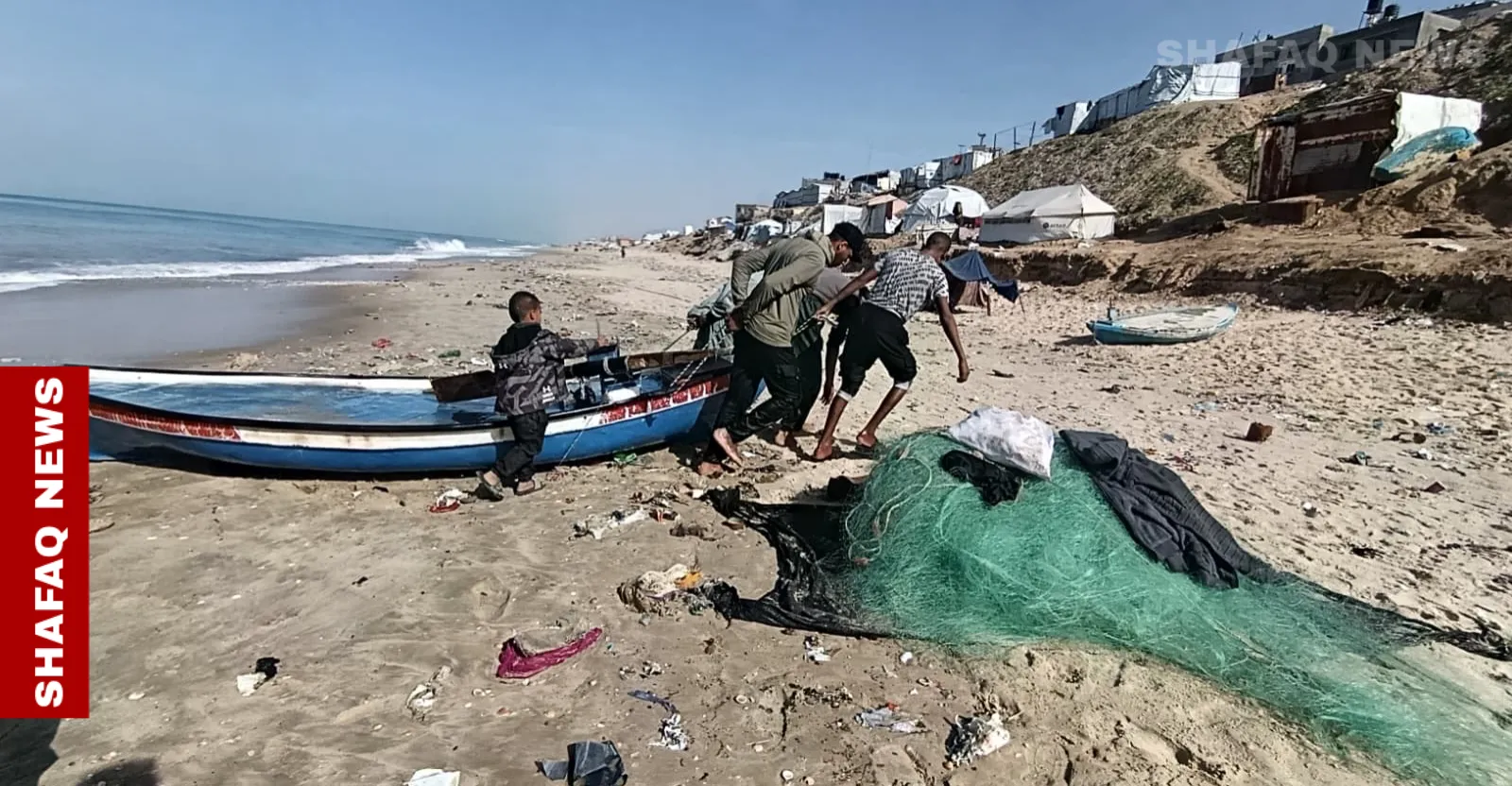
speaking to Shafaq News while repairing fishing nets on the beach in Deir
al-Balah in central Gaza, said the ceasefire at sea has not improved
conditions.
“Killings and arrests continue. Even
within the limited zone, fishermen are detained. The sea is our only work, so
we return despite the danger because there is no alternative,” he noted, adding
that most fishermen have been injured or lost colleagues, describing the
profession as a daily struggle with death amid the absence of protection or any
political solution.
Near-Total Collapse Of The Fishing
Sector
The destruction of boats has not
only damaged equipment but also broken the entire production cycle, pushing
thousands of fishermen out of work and driving unemployment to unprecedented
levels, while fish have become scarce and expensive.
Zakaria Bakr, head of the Gaza
Fishermen’s Syndicate, stated that the maritime sector is facing not a
temporary crisis but a systematic collapse targeting one of Gaza’s most vital
economic and livelihood sectors.
Bakr told our agency that the war
destroyed more than 1,900 fishing boats and launches, raising unemployment
among fishermen to over 95%. At the same time, daily fish production has
plunged from about 10 tons before the war to less than 300 kilograms currently.
He reported that 230 fishermen have
been killed since the conflict began, including 65 who were directly targeted
while working at sea. He also cited the arrest of 40 fishermen, including 15
detained after the ceasefire took effect, calling this evidence of a continued
pattern of systematic targeting.
Fishing zones, Bakr said, have shrunk to
between 200 and 350 meters along the coastline, creating dangerous overcrowding
and forcing unsustainable fishing practices that threaten fish stocks and the
future of the industry. He warned that the ongoing crisis is worsening poverty
and unemployment, stressing the urgent need to support fishermen and restore
boats and marine facilities to preserve food security and social stability in
Gaza.
Walid Thabet, Director General of
Gaza’s Fisheries Administration at the Ministry of Agriculture, warned that the
fishing sector is approaching full collapse due to widespread infrastructure
destruction and the near-total halt of maritime activity.
Thabet said the war destroyed 250
facilities used by fishermen and completely targeted the fisheries
headquarters, causing direct losses estimated at around $110 million.
He explained that before the war,
the sector formed a cornerstone of Gaza’s food security, producing more than
5,000 tons of fish annually, in addition to roughly 600 tons from aquaculture
farms. The industry provided direct livelihoods for about 6,000 Palestinians,
alongside hundreds employed in ports and related facilities, with thousands of
families relying on it as a primary income source.
The workforce has sharply declined,
with only about 440 fishermen currently active out of 4,500 officially
registered with Gaza’s Ministry of Agriculture, due to strict restrictions and
security risks preventing most from returning to work.
Fishing zones, according to Thabet,
remain limited to between 200 and 350 meters along the coast, worsening
overcrowding and forcing harmful overfishing practices that threaten marine
resources and the sector’s future.
Thabet stressed that the continued
crisis is deepening poverty and unemployment, emphasizing that supporting
fishermen and restoring boats and fish farms has become essential to
safeguarding food security and social stability in Gaza.
Written and edited by Shafaq News
staff.