Feyli Kurdish journalist turns personal loss into advocacy


Shafaq News- Baghdad
In a city long accustomed to masking its pain behind noise, Ronak Soza Al-Feyli opened her eyes to Baghdad as children of its old neighborhoods know it: narrow alleys, simple games, cartoons, and children’s programs that offered a brief escape from a harsher world she had yet to understand.
That world changed in 2007, when an explosion in Baghdad killed her father. “My father’s death made me a more rebellious person,” she told Shafaq News. The tragedy, however, was not the first for her family, which had already endured killings, imprisonment, displacement, and forced deportation under the former Al-Baath regime.
For Ronak, the Feyli Kurdish cause was never an abstract concept or a political slogan, but a lived reality marked by loss and absence, as her story continued to shape her daily life, from school experiences to the language and attitudes of others. She recalled facing discrimination during her studies, particularly during a period when the former regime promoted hostility toward Feyli Kurds. Even after the regime’s fall, she believes its impact has lingered in parts of society.
This awareness began early. In second grade, a teacher asked about her ethnicity, but she remained silent and returned home afraid, shaped by the stigma surrounding Feyli identity at the time, which could lead to deportation or exclusion. While her mother urged caution, her father encouraged her to stand firm and openly affirm that she was a Feyli Kurd.
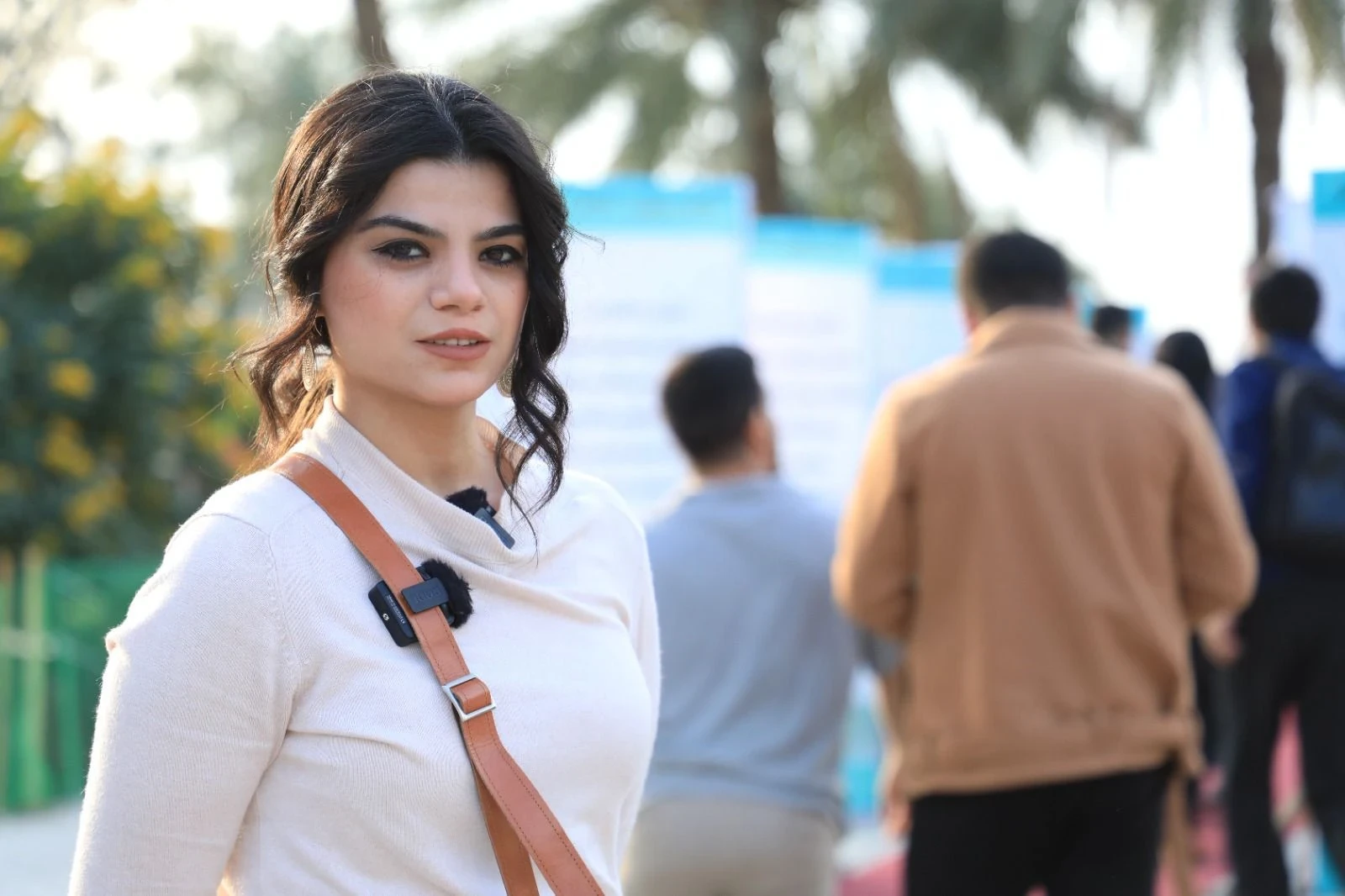
Over time, her identity evolved into a deeper human and intellectual commitment formed by education and personal experience. Media became more than a profession. It was a platform to speak openly and confront discrimination. She said her public presence carries responsibility, as she seeks not only to address broader social and political issues but also to highlight the contributions and sacrifices of the Feyli community.
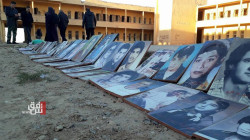
Ronak produced a media segment last year on Feyli Kurdish victims, which received wide engagement, aiming to draw attention from the public and decision-makers to a suffering she believes remains unresolved.
Despite growing visibility, Ronak believes the Feyli Kurdish community still requires more than symbolic recognition. She called for stronger political representation and credible cultural figures who genuinely advocate for the cause, adding that “a single parliamentary seat does not reflect the scale of Feyli sacrifices or their historical role in Iraq.”
She also stressed the need for broader media and cultural infrastructure, including Arabic-language satellite channels and digital platforms addressing Feyli issues through talk shows and documentaries, as well as forums to revive public discussion.
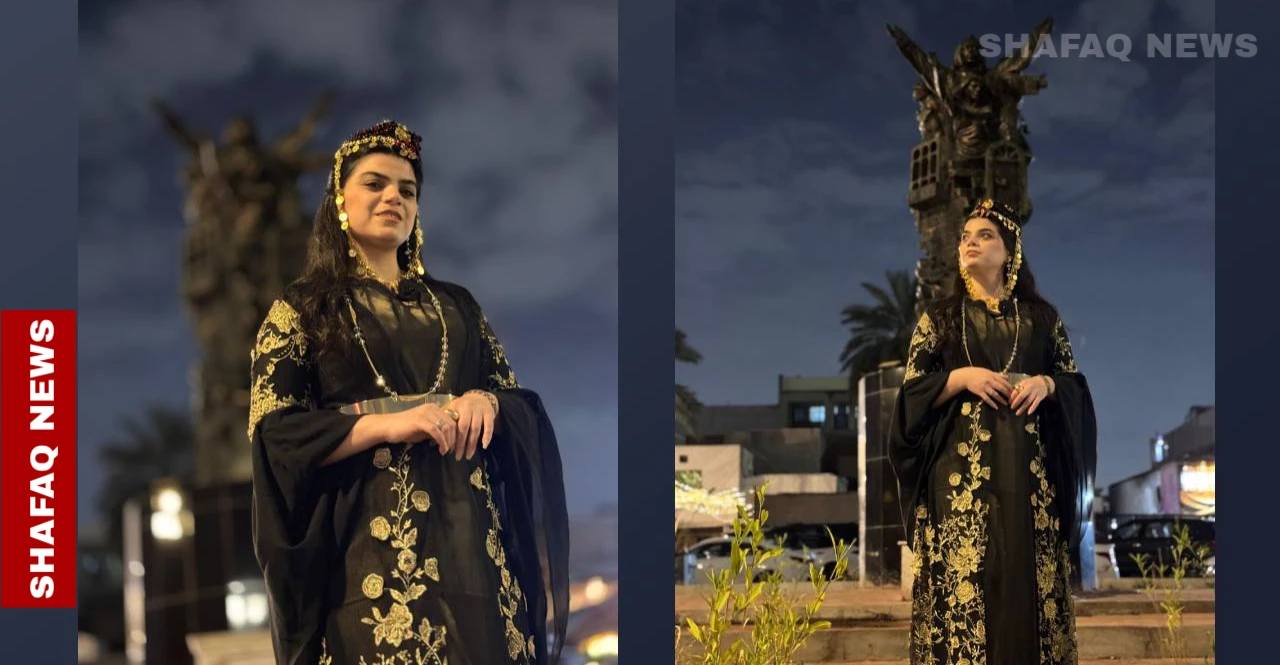
Alongside her media work, Ronak has pursued music since childhood, integrating it into her advocacy. In 2015, she performed her first song at a memorial event for Feyli Kurdish victims attended by political figures and a large audience.
She said authentic art emerges from reality and reflects people’s struggles, adding that her voice is rooted in that experience. She takes pride in her talent and uses it as a means of expressing her identity with sincerity and conviction.