Elections on schedule, legitimacy in doubt: Iraq heads toward November vote


Shafaq News
With campaigning for Iraq’s parliamentary elections now underway, concerns continue to mount over the viability and integrity of the vote scheduled for November 11. While the Iraqi government and the Independent High Electoral Commission (IHEC) maintain they are fully prepared, political analysts and observers highlight a deteriorating political climate, deepening public distrust, and escalating regional tensions as serious threats to both the credibility and the very execution of the election.
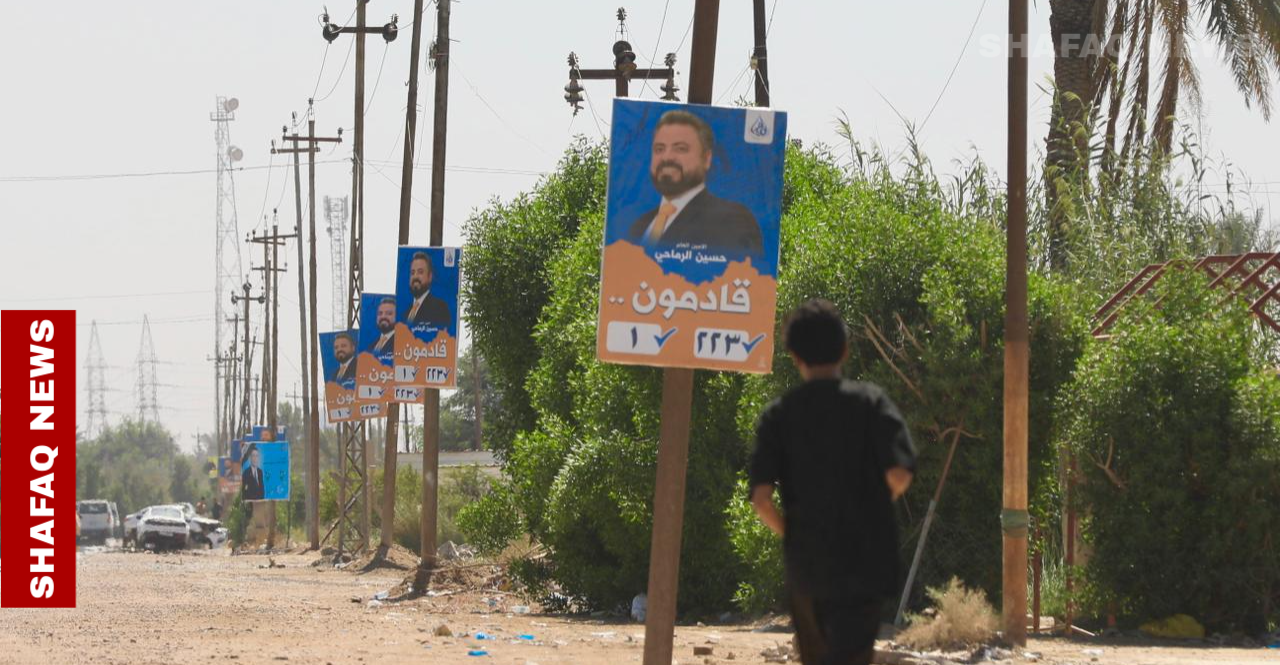
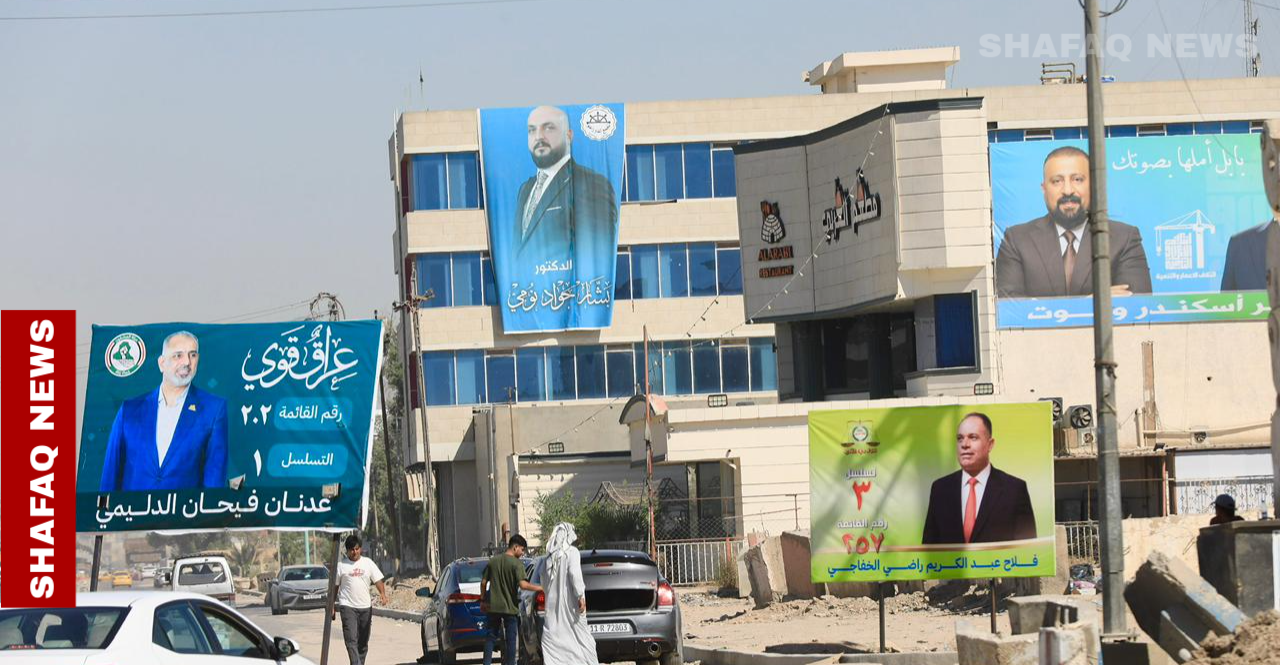
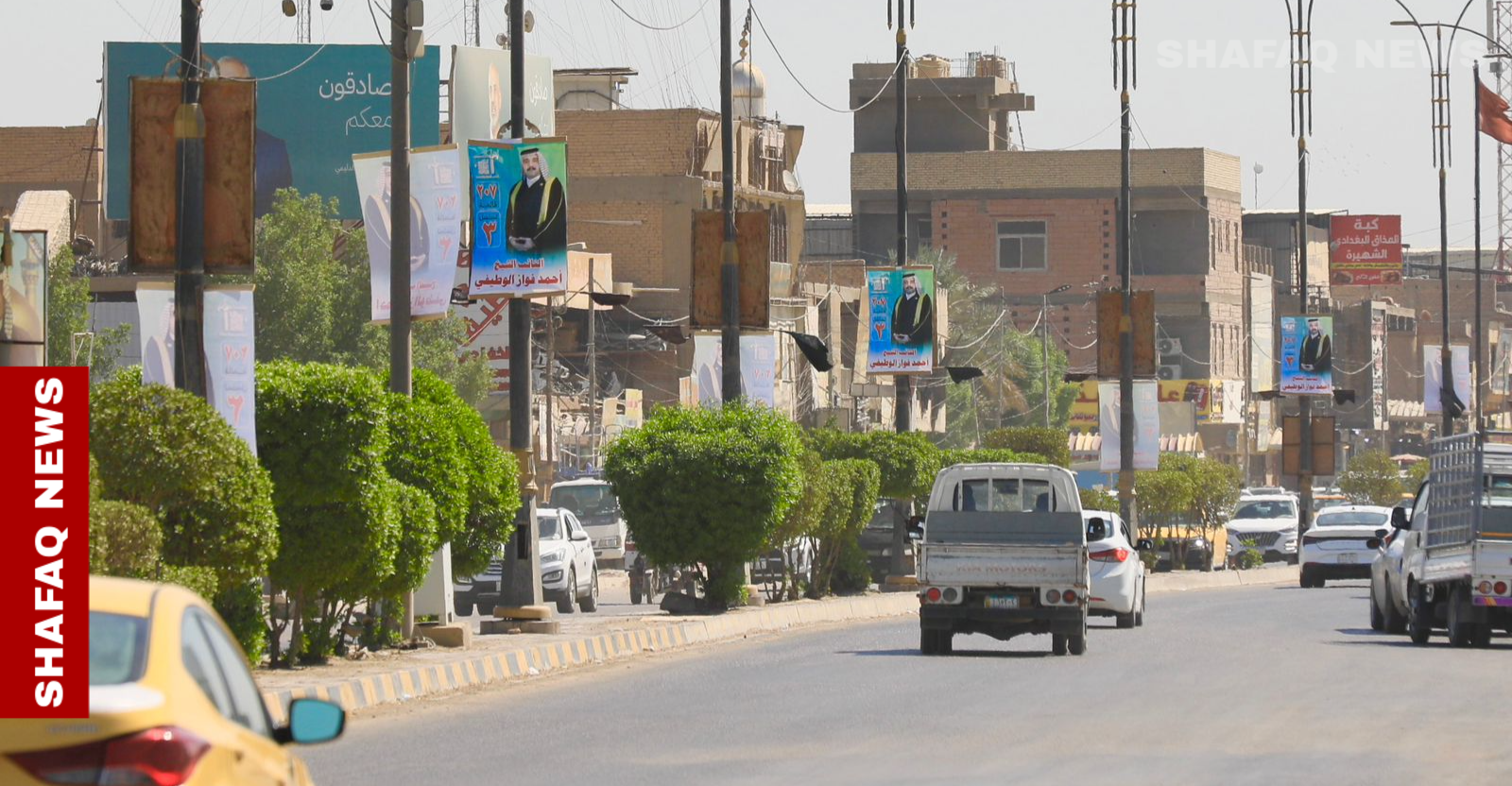
Campaigning officially launched on Friday in a relatively calm environment compared to previous election cycles. However, the Shams Network for Monitoring Elections documented 301 violations on the first day of the campaign.
Despite the outward calm, instability simmers beneath the surface. National disillusionment—particularly among Iraqi youth—continues to swell. The dominant sentiment, reinforced by multiple analysts, reflects a growing belief that elections have failed to deliver reform, instead fueling political dysfunction and public discontent.
A Tense Political Landscape
Political analyst Ramadan al-Badran told Shafaq News that more Iraqis now view elections as mechanisms that reinforce corruption, insecurity, inflation, and poverty. He cautioned that ongoing regional instability—especially involving armed political factions with foreign allegiances—further complicates Iraq’s political trajectory.
“These groups have histories linked to regional conflicts,” al-Badran explained. “Their participation in Iraq’s elections not only compromises national neutrality but also increases the risk of internal strife and external consequences, including potential international sanctions.”
Several powerful armed factions, many of them tied to Iran, are participating in the elections through their political wings. Chief among them is the Fatah Alliance, which brings together groups from the Popular Mobilization Forces (PMF), including the Badr Organization led by Hadi al-Amiri, Asaib Ahl al-Haq headed by Qais al-Khazali, and Kataib Hezbollah-linked figures who exert influence despite not running openly under their name.
These factions, deeply embedded in Iraq’s security and political landscape, present themselves as defenders of the state and the fight against ISIS, while critics view them as extensions of Iranian influence within Iraq. Their electoral role ensures that any new parliament will continue to reflect the balance—and the tension—between nationalist currents and pro-Iranian forces.
Voter Apathy and the Shadow of Boycotts
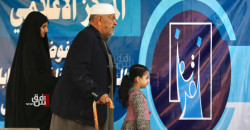
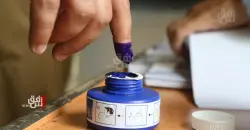
IHEC announced that campaigning will continue through November 8. A total of 7,768 candidates—including 2,248 women—are competing for 329 parliamentary seats. These candidates represent 31 coalitions, 38 political parties, and 75 independent lists. The eligible voter base stands at over 21.4 million, with around 20 million participating in general voting and approximately 1.3 million in special categories such as security forces and displaced persons.
Despite logistical readiness, doubts persist. Political analyst Mujashaa al-Tamimi underscored several critical challenges he believes could jeopardize the legitimacy and transparency of the elections.
“Low voter turnout and widespread apathy top the list,” al-Tamimi told Shafaq News. “These reflect years of compounded frustration and eroding trust in the political establishment.”
He warned that the continued electoral boycott by the head of the Patriotic Shiite Movement, Muqtada al-Sadr, is likely to reshape voting dynamics—particularly in Shiite-majority regions where his movement has historically commanded strong support.
Al-Tamimi also pointed to rising Iran–US tensions as a destabilizing factor that could spill over into Iraq, potentially triggering political polarization or security disturbances that disrupt the electoral process. He cited the unchecked spread of weapons, partisan interference in IHEC operations, and the influence of political money as further threats to electoral transparency and voter confidence.
Readmore: Iraq's political enigma: The unpredictable maneuvers of Muqtada al-Sadr
Reassurances from Political Blocs
Despite mounting concerns, lawmakers and political parties insist the election will proceed as planned.
Independent MP Jawad al-Yasari affirmed there is no official consideration of a postponement, even while acknowledging that domestic and international speculation persists about possible unrest that could lead to delays.
Campaign activity across Iraq—including in the Kurdistan Region—has launched at a measured pace, with few major rallies and limited street-level advertising. Observers attribute the subdued rollout to several factors: lingering rumors of a potential delay, political caution amid regional tensions, and tighter oversight from IHEC over campaigning, both on the ground and across media platforms.
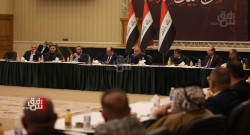
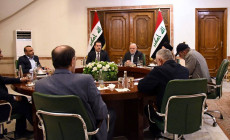
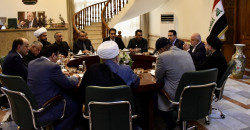
Fahd al-Jubouri, a senior figure in the Wisdom Movement (Al-Hikma) led by Ammar al-Hakim, reaffirmed that the Coordination Framework—a key Shiite political alliance—has found no indicators warranting a postponement.
“There is internal political consensus, especially within the State Administration Coalition, to ensure the elections proceed without delay—not even by a single day,” al-Jubouri told Shafaq News.
He dismissed speculation over the formation of a transitional or emergency government as unfounded, stressing that the Coordination Framework is actively pushing for robust voter participation and views the elections as essential to preserving institutional stability.
Read more: Fractured alliance:Iraq's CF faces internal strife
Likewise, independent MP Diaa al-Hindi rejected suggestions of a delay, describing them as “an attempt to create confusion.” He urged the public to place trust in the democratic process, emphasizing that elections remain the sole legitimate path for renewing political authority and maintaining national stability.
Still, the core question is not whether Iraq’s elections will be held, but whether they will be trusted. Armed factions, voter apathy, and the PSM boycott cast long shadows. Even if polls open on time, doubts over legitimacy and regional pressures will continue to shape the outcome.
Read more: Iraq's 2025 Elections: Amix of political realignment and fragile stability
Written and edited by Shafaq News staff.