Eight million visitors: The decade-long explosion of Kurdistan’s winter travel


Shafaq News
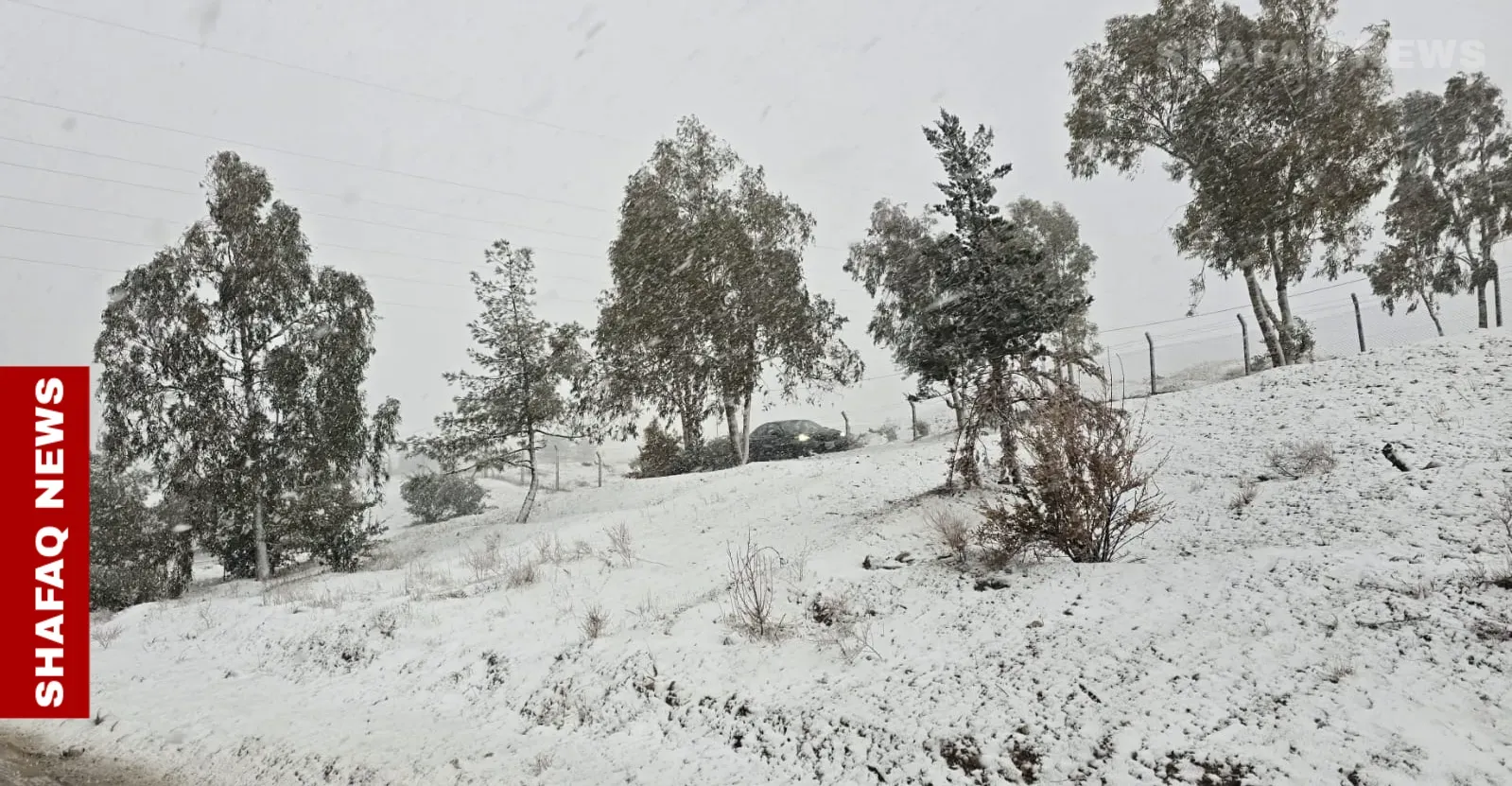
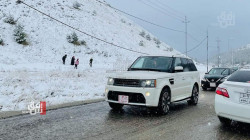
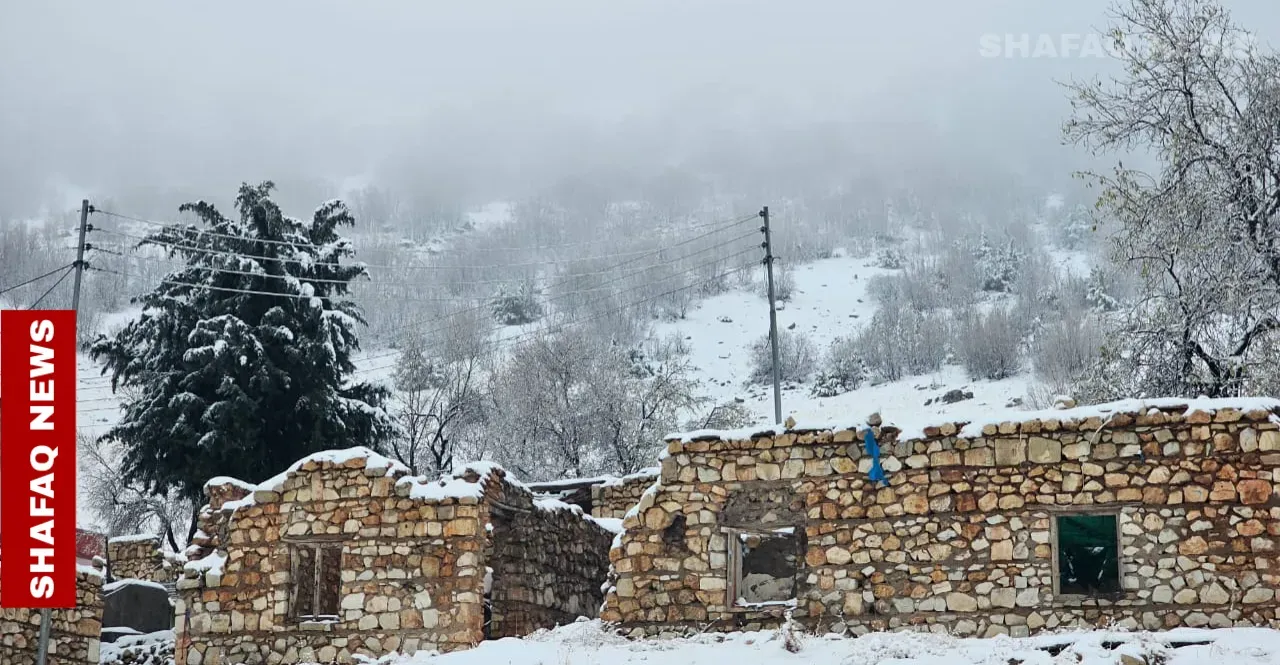
When the first snow falls on Kurdistan’s mountains, the roads begin to fill long before the peaks vanish into the clouds. Cars move north in uneven lines from Baghdad, Basra, Najaf, and other provinces, leaving behind cities where winter usually means rain and cold wind, not white ground.
Families huddle inside, children pressing faces against windows, watching the landscape change kilometer by kilometer. For many, this is not just a seasonal trip, it is their first encounter with snow.
Tourism in the Kurdistan Region has grown dramatically in recent years. According to official 2024 data, the Region welcomed over 8 million tourists from Iraq and abroad, a nearly twelvefold increase from less than 700,000 visitors just a decade earlier. By early 2025, more than 2 million visitors had already arrived in the first four months of the year.
Winter
represents only a portion of that flow, but its intensity is striking. During
heavy snowfall, especially in late December and early January, traffic toward
mountain districts surges. Roads that are usually quiet can become congested
within hours, responding not to calendars but to weather updates shared
instantly across phones and social media.
The Vertical Escape
On winter weekends, the road toward Mount Korek begins to fill long before the mountain itself comes into view. Rising more than 2,000 meters above sea level, Korek is among the Region’s most reliable snow destinations. Its reputation owes less to promotion than to geography.
The Korek Mountain Resort & Spa is the area’s most recognizable site. Featuring a 4-kilometer cable car from Bekhal to the summit, the resort hosts hotels, chalets, restaurants, and cafés. During peak snow periods, it welcomes thousands of visitors daily.
Skiing and snowboarding trails cater to both beginners and experienced skiers, while sledding and snow tubing add to the options. The cable car provides panoramic views of snow-covered ridges, and summit cafés serve Kurdish tea, traditional breads, pastries, and local dishes.
Seasonal events, including music performances and family competitions, further energize the resort. Overnight stays are possible in chalets, boutique hotels, and lodges, allowing visitors to extend their trips.
Even so,
Korek faces limits. Roads narrow under snow, facilities fill quickly, and
sudden weather shifts can force visitors to turn back.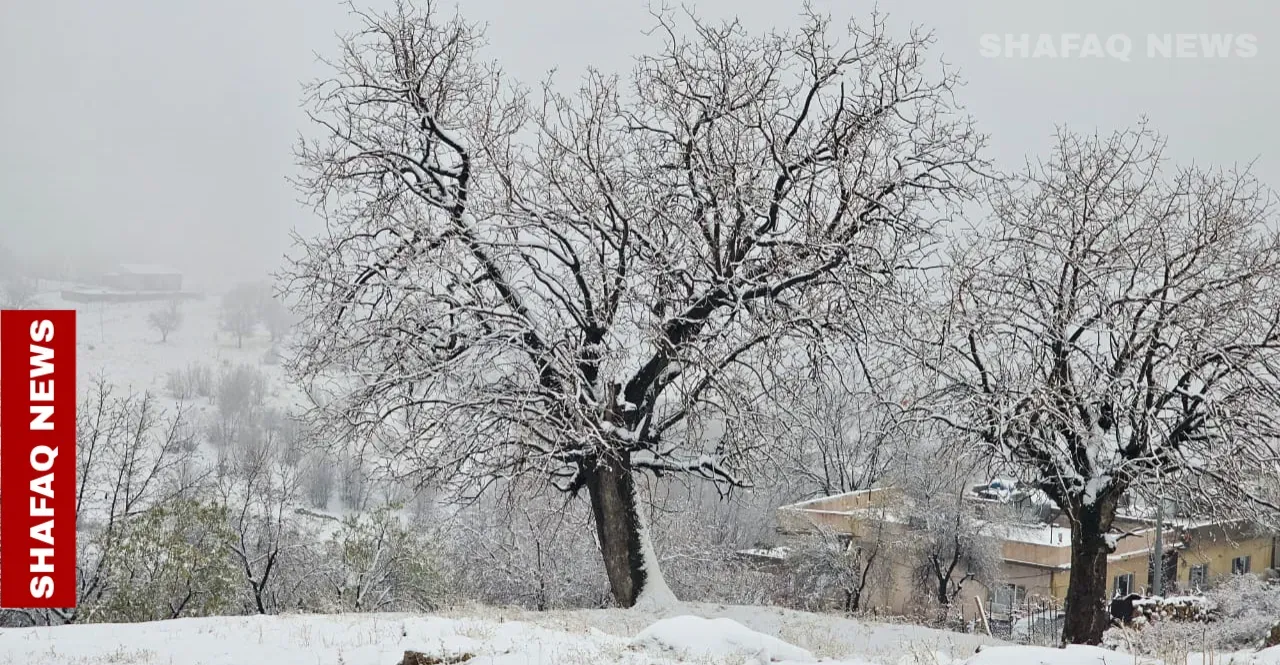
Elevated Winter Silence
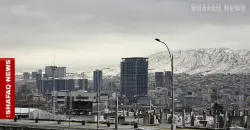
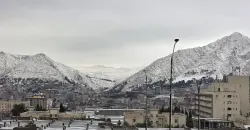
While Korek attracts crowds, Al-Sulaymaniyah’s surrounding mountains absorb them. Snow rarely settles in the city, dusting rooftops and streets before melting away. Yet on Azmar, Kuwayzah, and nearby highlands, winter lingers.
From cafés and balconies below, the mountains remain in view, their slopes change color overnight. Once the road climbs, the city falls silent, replaced by wind and the crunch of boots on frozen ground.
Here, winter tourism spreads horizontally rather than following a single peak. Families stop where the road ends. Groups gather wherever slopes open. Photographers climb until fog erases the city below.
Trailhead
cafés offer hot drinks and Kurdish dishes, providing rest points for hikers and
families.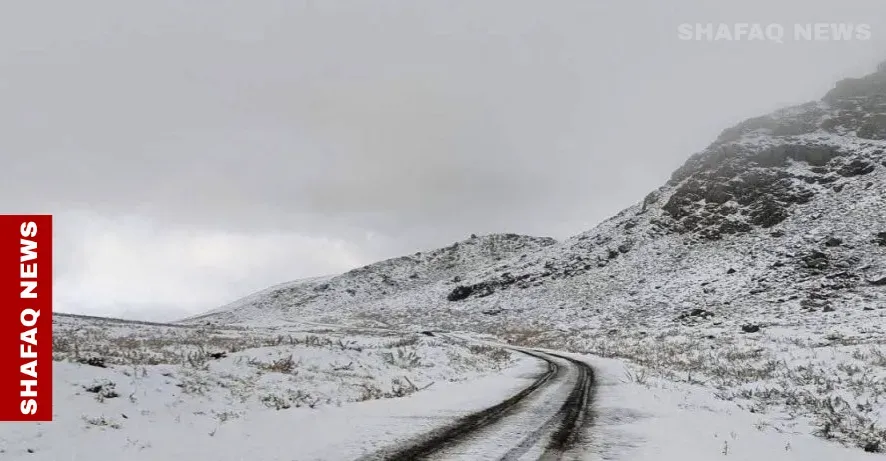
The Frozen Frontier
East of Al-Sulaymaniyah, toward Penjwen, snow becomes a constant rather than fleeting. Positioned near the Iranian border, the surrounding ridges see heavier, longer-lasting snowfall than most of the Region. Ski festivals, backcountry skiing, and guided snow treks cater to experienced visitors prepared for the terrain.
Further north, the Halgurd–Sakran range rises above 3,600 meters, retaining snow for extended periods. Its national park, covering over 1,000 square kilometers, attracts adventurers for trekking, photography, and stays in remote lodges.
International visitors often come for cultural experiences, dining with local Kurdish families, and learning traditional ways of life.
Here,
visitors are intentional, aware that roads may close without notice. There are
no seasonal gatherings, roadside stalls, or clear lines between residents and
visitors, only the mountains, snow, and
those willing to embrace them.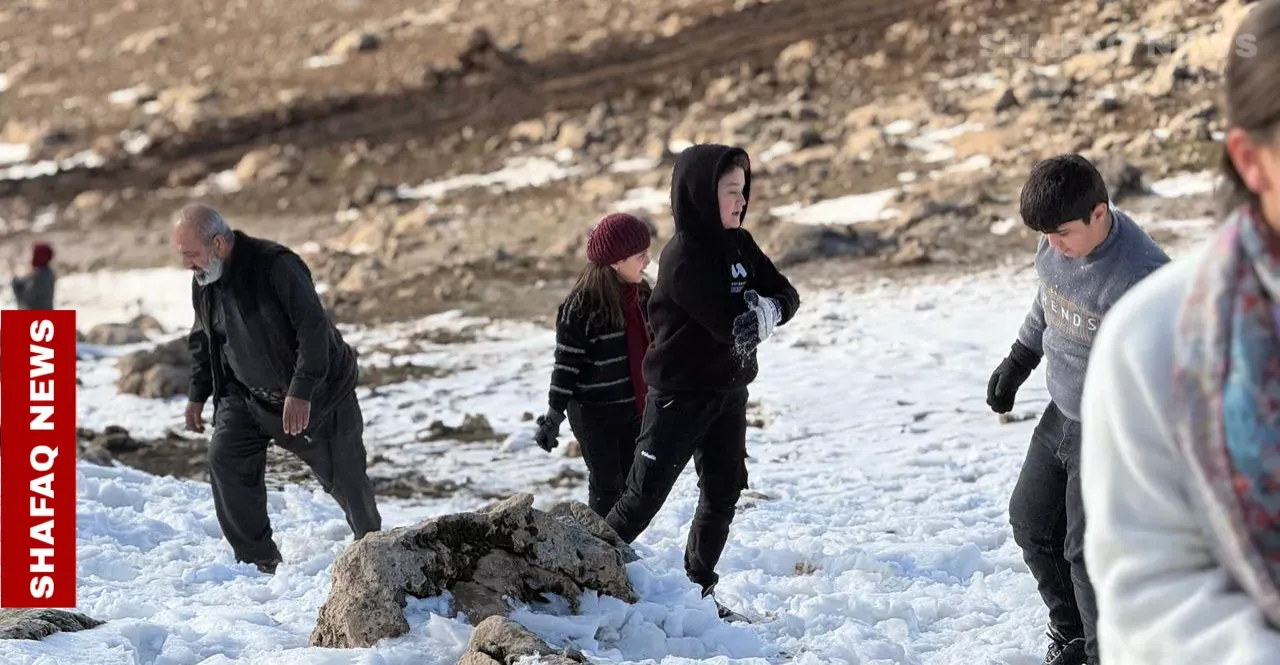
A Lasting Pull
Winter tourism in the Kurdistan Region is short but intense. It arrives late, peaks quickly, and fades without ceremony. Snow rarely lasts beyond a few weeks in most accessible areas, and even in higher ranges, it recedes as suddenly as it comes.
Yet within that brief window, movement intensifies in ways that reshape roads, towns, and expectations. What draws people north is not infrastructure alone, nor novelty for its own sake. It is the rarity of snow in most of Iraq and the way the mountains briefly disrupt the country’s familiar geography.
There are limits, and they remain visible. Roads close. Access narrows. Safety depends on experience more than planning. Not every mountain can, or should, become a destination. In the eastern ranges especially, winter serves as a reminder that some landscapes resist adaptation.
Still, the pull persists. Each year, as snowfall appears in forecasts and photographs begin circulating, the same movement begins again. Cars head north and families pack for day trips.
Written and
edited by Shafaq News staff.