Discover Iraq: Al-Diwaniyah, a province of untapped potential and neglect


Shafaq News
An in-depth look at Al-Diwaniyah province in southern Iraq, exploring how agriculture, underdevelopment, and state neglect continue to shape daily life and local ambitions.
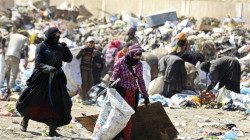
Al-Diwaniyah, a central province of Iraq on the Euphrates River, embodies stark contrasts. Renowned in the past for its fertile farmland and abundant harvests, it now struggles with deep poverty, stalled infrastructure, and chronic mismanagement. Despite a history stretching back thousands of years, the province today finds itself unable to meet the most basic needs of its 1.5 million residents.
Over the past decade, environmental pressures such as desertification and the decline of the Hafaar River have forced many farmers from their land, swelling the provincial capital to more than half a million people. Administratively, Al-Diwaniyah consists of 13 districts — including Afak, Ghammas, Shamiyah, and Sdeer — but observers frequently describe it as “disaster-stricken” due to unfulfilled promises and poor governance.
Ancient Heritage Overlooked
Al-Diwaniyah’s cultural footprint is significant. The Afak district was once home to Nippur, the spiritual center of the Sumerians, while Marad in al-Saniyah stands among the earliest urban settlements. The Dalmaj marshes, though shrinking, remain ecologically important, reflecting the enduring bond between settlement and water in Mesopotamia.
Tribal traditions, expressed in music, poetry, and crafts, remain strong, yet tourism has failed to flourish. Only around 5,000 visitors came to Al-Diwaniyah in 2023, a fraction of the more than 100,000 who visited nearby Babil, home to Babylon’s ruins. Without investment in infrastructure and promotion, the province’s heritage risks remaining hidden.
Agriculture As The Backbone
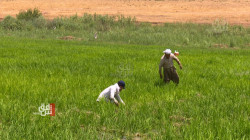
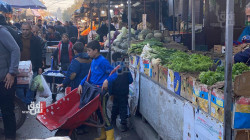
Despite being Iraq’s third-poorest province, with nearly 29 percent of its people below the poverty line, agriculture still supports nearly 60 percent of residents. The province is a major producer of amber rice, dates, wheat, barley, and vegetables, with some exports reaching Saudi Arabia, Iran, and Jordan.
Between 2008 and 2020, more than 105 billion Iraqi dinars ($72.4 million) in agricultural loans were allocated, much of it to improve irrigation and mechanization. Yet persistent drought, declining river levels, and falling yields have forced many farmers to abandon their land, triggering urban migration.
Stalled Projects And Daily Hardships
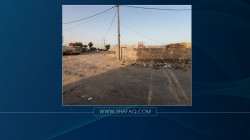
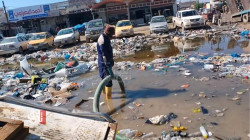
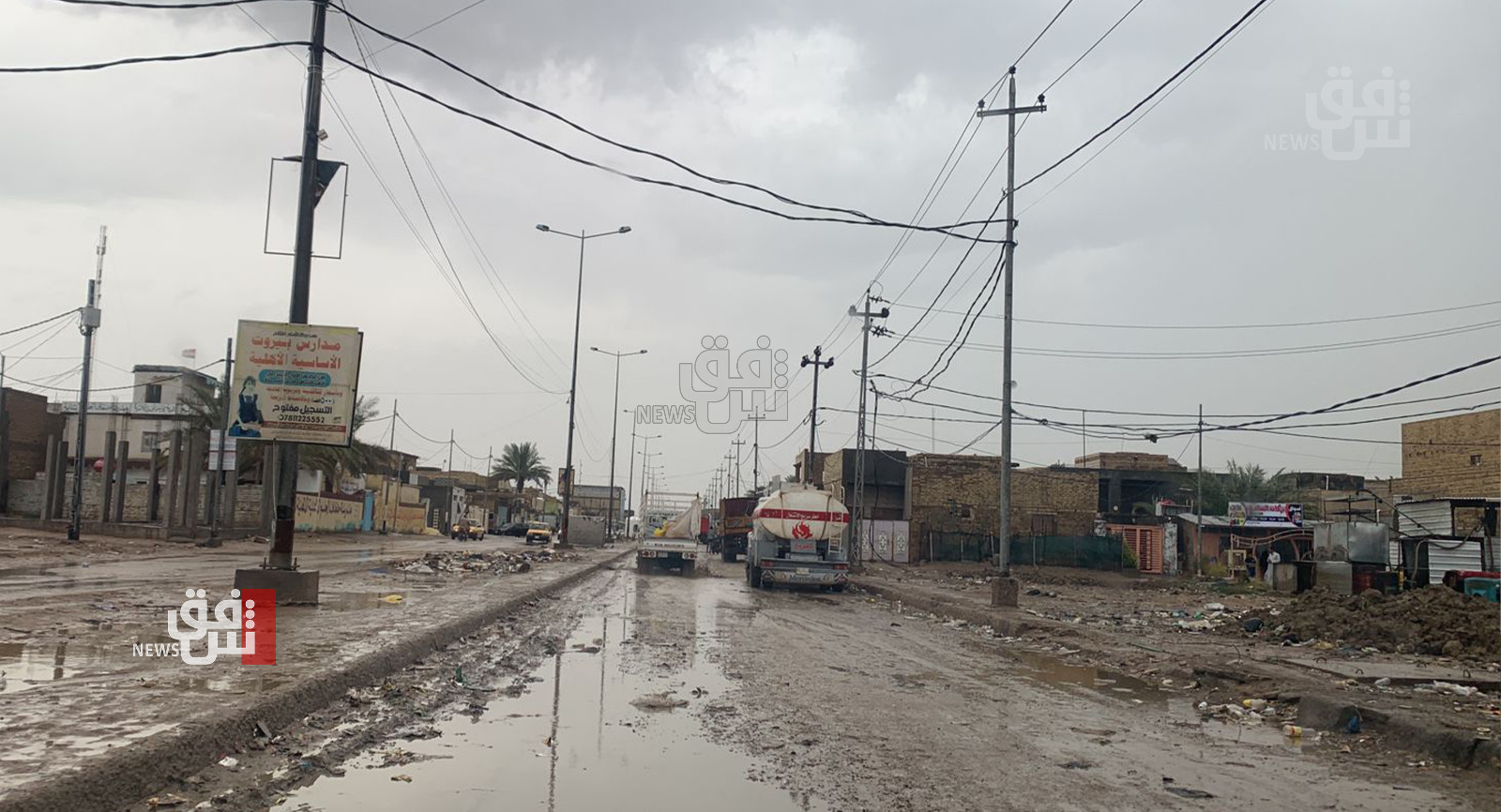
Infrastructure has suffered from years of neglect. The main sewage network has been unfinished since 2011, while rehabilitation of 42 neighborhoods under a Spanish contractor has yet to be completed. Political appointments and corruption in awarding contracts have further slowed progress.
“Despite hundreds of billions of dinars allocated in late 2019, no tangible improvements were seen,” an official told Shafaq News, citing divisions and mismanagement. Activists argue that only stronger oversight from Baghdad and transparent contracting can unlock progress.
Basic services illustrate the strain. The province has only five public hospitals and three private ones, leaving most districts without proper healthcare. The main teaching hospital in the capital remains overstretched. Schools are overcrowded, especially in rural areas, while recreational spaces are nearly nonexistent. A once-popular amusement park known as the “City of Happiness” has become a waste dump.
A Cautious Path Forward
Despite these challenges, Al-Diwaniyah retains clear potential. Its archaeological sites, marshlands, palm groves, and farmland could position it as both a cultural and agricultural hub. A new five-year national poverty reduction strategy promises investment in healthcare, education, infrastructure, and farming.
Abdel-Zahra al-Hindawi, spokesman for the Ministry of Planning, told Shafaq News that Al-Diwaniyah still faces major obstacles in implementing projects but remains central to the government’s development goals.
For residents, years of disappointment fuel skepticism, but the province’s deep historical roots and natural wealth continue to offer hope that, with the right policies, Al-Diwaniyah can move beyond neglect toward sustainable growth.
Written and edited by Shafaq News staff.