Delivery work in Kirkuk: Fast income, Daily dangers


Shafaq News
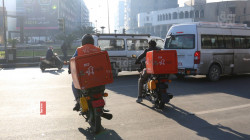
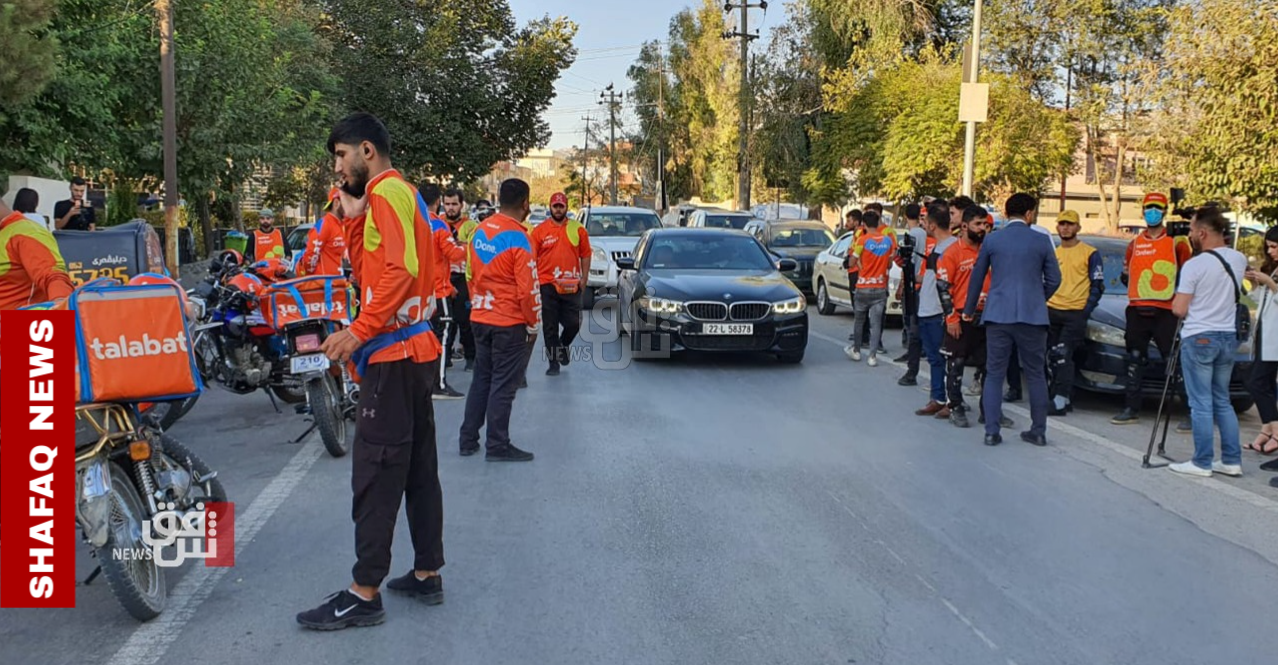
Every morning in Kirkuk, young men like 23-year-old Ahmed Karim set out on motorcycles or small cars, insulated bags strapped to their backs, weaving through traffic to deliver meals, groceries, and medicines. For Ahmed, this has been his only source of income for the past two years.
“When I graduated from the institute, I couldn’t find a steady job,” he told Shafaq News. “Delivery gave me a daily income to support my family. But I work more than ten hours a day without health insurance or a fixed salary. Everything depends on how many orders I can finish.”
The greatest threat is the road itself. “Just last month, a colleague had a serious crash while delivering at night,” Ahmed said. “He spent days in the hospital with no insurance to cover the costs.”
Restaurant owners are also affected. Abdullah Jaber, who runs a popular eatery, explained: “Delivery is vital—more than half of our sales rely on it. But accidents and lack of stability make it difficult to keep workers long-term.”
Delivery spread across Iraq after 2017 with the growth of apps and online stores. What began as a side job has become indispensable: few streets in Kirkuk are now without a delivery rider rushing an order to a waiting family.
High unemployment—exceeding 30% in parts of Kirkuk—has driven many young people into the sector, attracted by the promise of quick daily earnings. But the reality is unstable pay and dangerous conditions.
Most workers earn per trip, usually 1,500–3,000 Iraqi dinars ($1–2), while a smaller number are tied to low monthly contracts. Many rides unregistered or poorly maintained motorcycles, leaving them exposed to legal penalties and serious accidents.
Social activist Hassan Ali told Shafaq News: “So far this year, we recorded four deaths and around 12 serious injuries among delivery riders in Kirkuk alone.”
Despite these challenges, many residents cannot imagine daily life without delivery services. University student Esraa Mohammed said: “I rely on delivery for food, medicine, even basic household needs. These young workers make our lives easier and deserve respect and support.”
Experts believe regulation could transform the sector into a safer and more stable source of employment. Economist Ali Abbas told Shafaq News: “If organized properly through specialized companies and clear laws, delivery could reduce unemployment, create secure jobs, and even provide tax revenues for the state.”
For now, delivery remains a lifeline for Kirkuk’s youth—one that carries them through crowded streets and uncertain futures, often without the protection they desperately need.
Written and edited by Shafaq News staff.