Born into neglect: Iraq’s failing maternity wards


Shafaq News
Cries echo through a maternity ward in a Baghdad public hospital as nurses hurry past women in labor. Some bite down on bedsheets, others scream for help, while medical staff remain largely indifferent.
Many mothers spend hours — sometimes days — waiting for a cesarean section that could save their babies. In Iraq’s public hospitals, there are no clear regulations on when such surgery should be performed, leaving the decision to individual doctors.
Silent Tragedies
Abeer, expecting her first child, was told to wait 24 hours despite severe pain. “By the time they realized something was wrong, the amniotic fluid had turned green. My baby swallowed it and was poisoned. He spent a month in intensive care,” she said.
Hind Wissam endured two days of labor without a doctor’s examination. Only after her baby’s movements slowed did staff perform a cesarean. The child survived but suffered developmental delays.
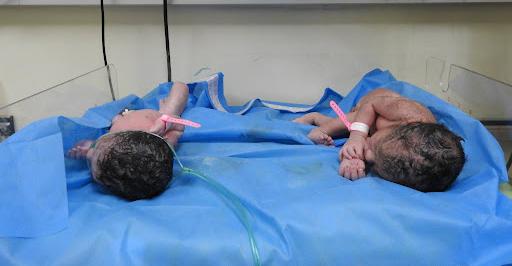
For Yasmin Jawad, delays proved fatal. Told to wait 18 more hours, she was rushed into emergency surgery only after her baby’s heart rate dropped. “It was too late. He died after two days in the NICU,” she recalled.
Lack of Oversight
Obstetrician Dr. Nidal al-Hayti says the Health Ministry rarely holds doctors accountable, even when delays lead to death. “There’s no real-time fetal monitoring in many wards,” she warned, adding that cesareans should be limited to necessary cases but carried out without dangerous delays.
A Health Ministry source, speaking anonymously, confirmed ongoing negligence, including cases where staff fail to induce dilation or respond to fetal distress. “No one is held accountable,” the source said.
System Under Strain
Prolonged labor can cause infections, oxygen deprivation, and lifelong disabilities, notes Dr. Hanaa Shakir. Yet Iraq’s neonatal mortality rate remains around 13.4 deaths per 1,000 live births, despite most deliveries occurring in health facilities.
A study at Al-Yarmouk Teaching Hospital found a maternal near-miss ratio of 5.06 per 1,000 live births, but only 0.28% of women giving birth were admitted to ICUs — a sign of severe shortages in critical care.
Equipment gaps, overcrowded wards, and absent accountability continue to put mothers and newborns at risk, turning what should be a moment of joy into a test of survival.
Written and edited by Shafaq News staff.