Basra’s lifeline poisoned: Salinity and pollution threaten Iraq’s south


Shafaq News
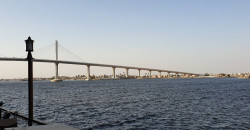
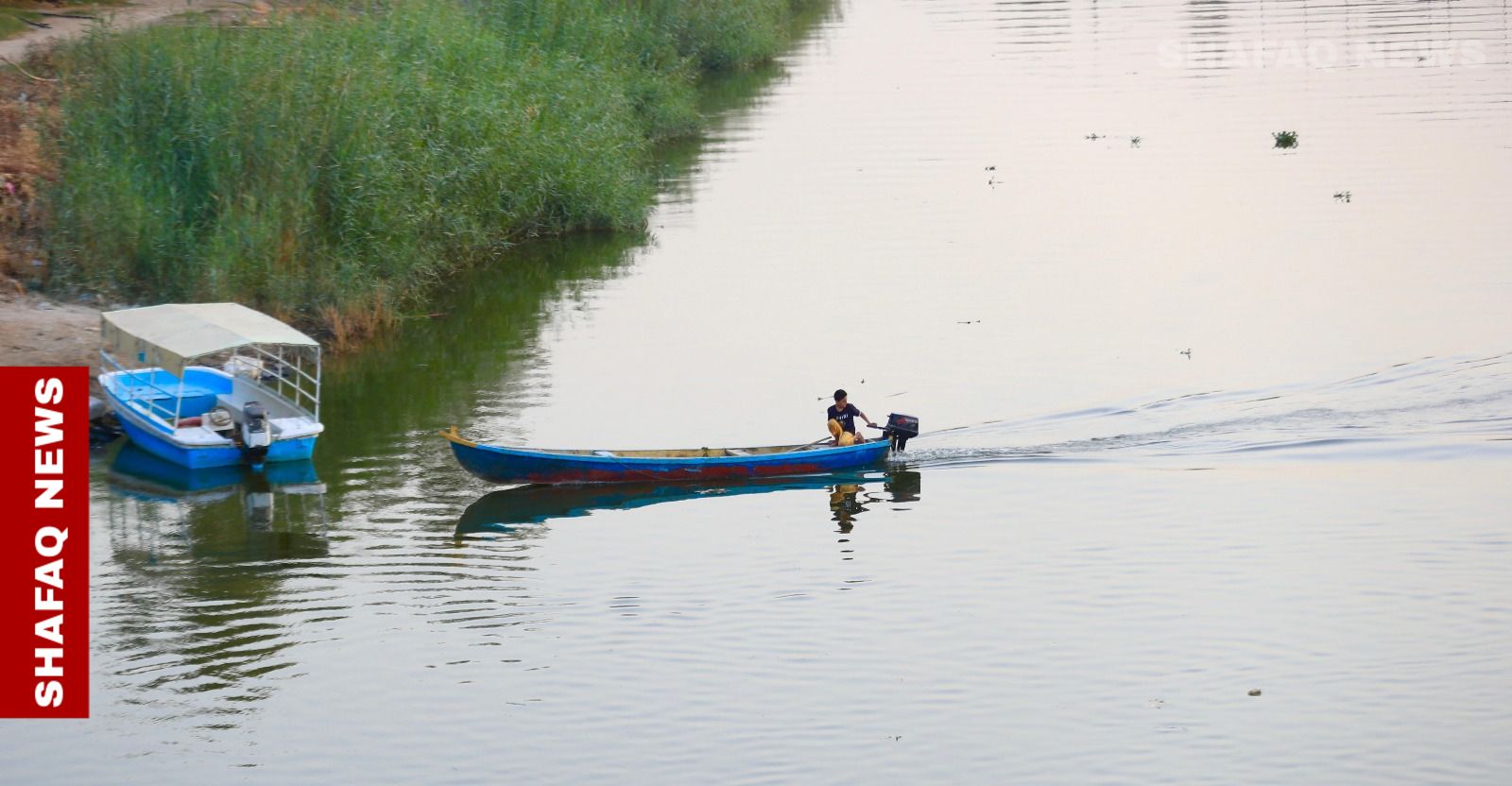
At dawn in Basra, families crowd around tanker trucks with jerrycans and plastic containers, desperate to secure a few liters of drinkable water. Just meters away, the Shatt al-Arab River flows—once the city’s lifeline, now a saline and polluted stream unfit for human use.
Environmental experts warn that Iraq is facing its most severe water crisis in modern history. Nowhere is this more evident than in Basra, where seawater intrusion, shrinking river inflows, and unchecked pollution have converged into a slow-moving disaster that threatens human health, livelihoods, and the fragile ecosystems of southern Iraq.
Salinity Overtakes the Shatt al-Arab
The Shatt al-Arab, formed by the confluence of the Tigris and Euphrates before emptying into the Gulf, has long sustained Basra. But reduced inflows from upstream dams and rising temperatures have left the river vulnerable to seawater intrusion.
Data obtained by Shafaq News shows salinity levels between 25,000 and 40,000 TDS (total dissolved solids) across 120 kilometers of the river—levels comparable to seawater. The World Health Organization sets 500 TDS as the maximum safe level for drinking water. Even the remaining 80 kilometers of the river are brackish, unfit for agriculture or household use.
With a population of five million, Basra requires more than one million cubic meters of potable water daily. Reverse osmosis (RO) plants, the city’s only defense, are strained beyond capacity. Meanwhile, demand continues to climb: the oil industry alone requires 14 cubic meters per second, agriculture 30, and other sectors, including electricity and construction, at least 10.
Iraq has recently awarded contracts for mega-desalination plants, and soil surveys are underway. But experts caution that such projects, while necessary, may take years to complete.
Toxic Pollution Compounds the Crisis
Salinity is only part of the story. The Shatt al-Arab and its tributaries are increasingly contaminated by industrial effluent, oil-sector waste, pesticides, fertilizers, and untreated sewage.
Water samples reviewed by Shafaq News reveal the presence of heavy metals such as lead, cadmium, mercury, and chromium. Public health officials warn that exposure to these elements can cause cancers, neurological damage, and organ failure. Adding to the danger, household waste and agricultural runoff have seeded outbreaks of E. coli, cholera, and other bacterial infections.
A senior environmental officer in Basra, who requested anonymity, described the situation starkly: “Every day, thousands of cubic meters of untreated sewage and waste enter the Shatt al-Arab. Solid waste piles along the banks leach toxins into the river. What we are seeing is systemic poisoning, not just salinity.”
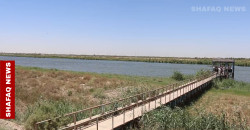
The contamination is devastating agriculture and livestock. Southern Iraq’s wetlands, once home to buffalo herds and diverse plant life, are withering under the dual assault of salt and toxins. Farmers across the south are abandoning their lands, accelerating rural migration into already-strained urban centers.
Read more: Iraq’s water dilema: Basra looks to Istanbul for answers
South Under Strain
The crisis extends beyond Basra. Neighboring provinces—Dhi Qar, Maysan, and Al-Muthanna—are also facing steep declines in water storage. Local officials report alarming levels of crop failure and livestock deaths, warning of cascading economic and health impacts.
Environmental expert Shukri al-Hassan told Shafaq News: “The south is losing its capacity to sustain life. This is not a seasonal drought. It is structural and long-term. Without regional water agreements and strict pollution controls, millions risk displacement.”
The risk extends to Iraq’s internationally protected marshlands. Once a UNESCO World Heritage site celebrated for biodiversity, the marshes are drying, their ecosystems collapsing under stress.
Governance Failures and Delayed Responses
Successive Iraqi governments have pledged solutions—from emergency water allocations to marshland restoration projects and multi-billion-dollar desalination plants. Yet progress has been slow, hindered by corruption, poor planning, and political disputes.
Local officials in Basra accuse Baghdad of neglect. Emergency water releases from upstream are inconsistent and often insufficient. Critics argue that the central government prioritizes short-term fixes over long-term sustainability.
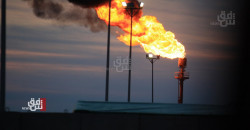
Civil society activists point to unchecked oil development as another driver of collapse. Oil fields in southern Iraq consume massive amounts of water while discharging untreated waste back into rivers. “Iraq’s oil wealth is poisoning its water,” one activist told Shafaq News.
International organizations have also raised concerns that water scarcity could fuel displacement. As farmers abandon their lands and marsh dwellers lose livelihoods, migration toward Basra city and other urban centers is accelerating. Such pressures risk overwhelming infrastructure, fueling poverty, and deepening political grievances.
A Vanishing Lifeline
The Shatt al-Arab once symbolized southern Iraq’s abundance—its date palms, fertile soil, and water buffalo sustaining generations. Today, it is a river in retreat, turned brackish by seawater and poisoned by waste.
“The danger is existential,” said al-Hassan. “If the river dies, Basra dies. And if Basra dies, Iraq’s stability unravels.”
Read more: Silent skies over Iraq’s Diyala as climate change drives migratory birds away
Written and edited by Shafaq News staff.