Arab perspectives on Iraq’s elections: A test for regional stability and shifting influence


Shafaq News
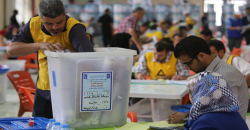
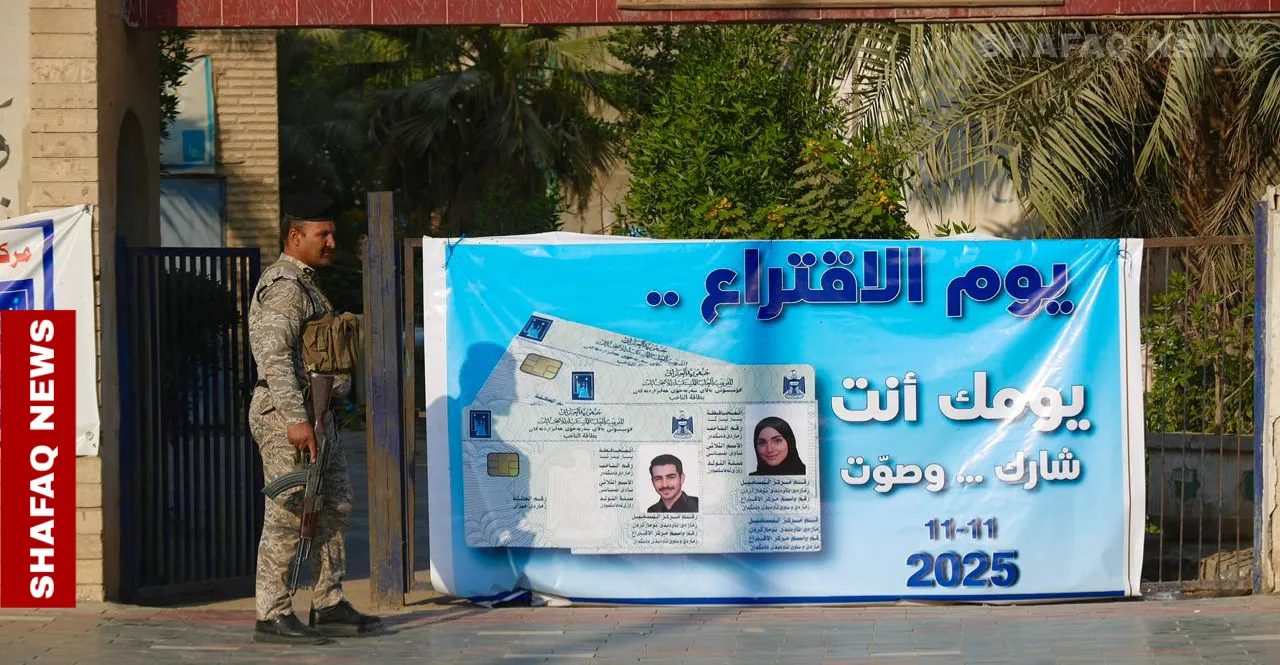
Amid escalating regional tensions and shifting geopolitical dynamics, the upcoming Iraqi parliamentary elections on Tuesday, November 11, have drawn intense attention from several Arab capitals, which view the vote as a key test for Iraq’s stability and political direction.
Many observers across the Arab world describe the vote as a pivotal moment for Iraq and the wider Middle East, where domestic political dynamics intersect with regional rivalries. The elections come at a time of rising tension between Iran and Israel and shifting balances of power throughout the region.
Analysts agree that Iraq’s elections extend far beyond a local political process — they represent a test of Baghdad’s ability to restore internal stability and assert an independent national policy. Many express hope that the polls will serve as a democratic milestone capable of rebuilding public trust in governance, while others warn of possible external interference aimed at reshaping Iraq’s political equilibrium.
Kurdish Participation and Electoral Impact
From Egypt, Ahmed Fouad Anwar, professor of Zionist Thought at Alexandria University, told Shafaq News that “the entire region is in a state of volatility and instability due to Israeli crimes affecting the Middle East,” adding that Iraq’s elections “offer a chance to consolidate stability through broad public participation.”
Anwar emphasized that “a high turnout is the real safeguard against fraud. Low participation rates allow manipulation, while an informed majority tends to vote rationally and beyond personal interests.”
He noted that if expectations of strong Kurdish turnout in the Kurdistan Region are confirmed — while the Patriotic Shiite Movement (PSM) led by Muqtada al-Sadr maintains its announced boycott — participation rates in Baghdad could drop, influencing the composition of the next government.
“In Egypt, we hope these elections will serve as a democratic model free of incitement or violence, and that Iraq will pass this political test with maturity and stability,” Anwar concluded.
A Crossroads for Iraq’s Regional Alignments
Syrian political researcher Radhwan al-Atrash said Iraq now stands “at a critical crossroads” between strengthening ties with Gulf Arab states or maintaining its strategic alliance with Iran, particularly after the regional shifts following the fall of the Syrian regime in December 2024 and the subsequent realignment of regional coalitions.
Speaking to our agency, al-Atrash noted that “the United States is reassessing its military and political footprint in the Middle East, and Iraq is central to that recalibration amid intensifying competition with Russia and China.”
He explained that the elections will reveal whether “Iran-backed factions will continue to dominate Iraq’s political scene or if movements seeking to distance Baghdad from Tehran’s influence can make tangible gains.”
According to al-Atrash, this vote is “a credibility test for Iraq’s political system” and could signal new directions in Baghdad’s regional and international relations — particularly if the results favor greater Arab engagement and reduced dependence on the Iranian axis.
Waning Iranian Influence
Lebanese political writer Amin Bashir argued that the region is undergoing “a profound realignment” in which “there is an emerging international consensus to curtail Iranian influence — possibly even to reform or change the regime’s behavior altogether.”
He told Shafaq News that Iraq, like Lebanon and other countries formerly under Iranian sway, is “experiencing a genuine shift toward reclaiming its national decision-making.” He added that the upcoming elections “will reflect this transformation and the changing balance of power.”
Bashir predicted a visible decline in Iran’s political influence inside Iraq, “not only at the governmental level but also in the erosion of armed control, paving the way for a new era of democratic practice and stronger civilian, non-militant parties.”
Read more: The Battle for Iraq’s “Largest Bloc”: A Renewed Struggle over Power and Definition
US Pressure and Strategic Caution
Political analyst and international relations researcher Hazem Ayad said the elections “are unlikely to produce major surprises in Iraq’s internal balance of power,” yet they arrive “at a highly sensitive moment” following months of confrontation between Iran and Israel and escalating conflicts in Syria, Lebanon, Yemen, and Gaza.
Ayad told our agency that “US pressure on Iraq is mounting across political, economic, and security fronts, making the elections a test of the system’s resilience under external stress.”
The Jordanian analyst suggested that Washington could adopt new measures after the results, including targeted sanctions or even limited military actions against certain Iraqi factions. Ayad warned that the US may attempt to impose a new reality to unsettle Iraq’s internal balance and provoke instability after the vote.
“The coming phase will be extremely delicate,” he said, urging Iraqi actors “to act with wisdom and restraint to prevent escalation and preserve the country’s fragile stability.”
Read more: Iraq’s elections under a shrinking lens: international oversight fades away