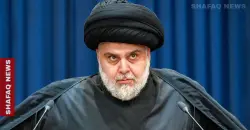
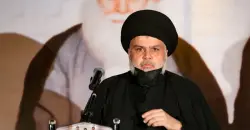
Al-Sadr tightens grip from outside politics, sets high bar for return


Shafaq News
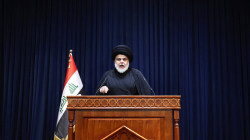
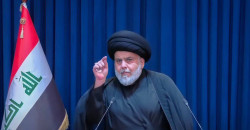
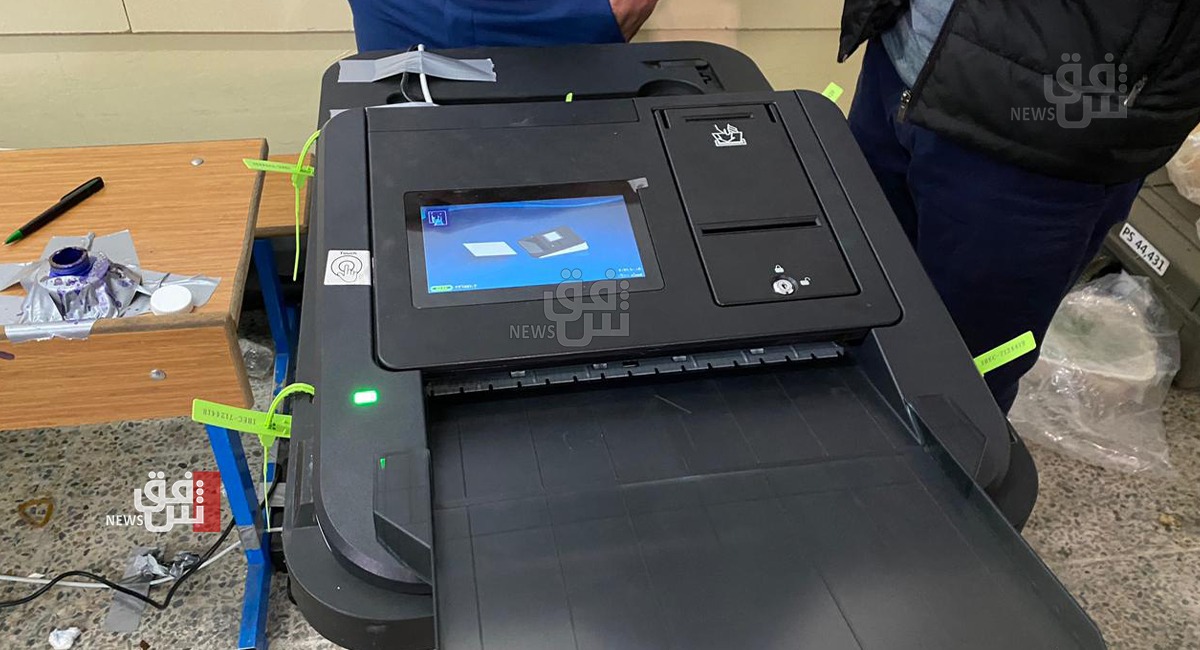
On the eve of Iraq’s upcoming parliamentary elections, and after a prolonged period of political withdrawal, head of the Patriotic Shiite Movement (PSM) Muqtada al-Sadr has publicly restated the conditions for his return to the political scene, declaring that “the real alternative to boycott is comprehensive reform and uprooting the ruling class.”
The statement, delivered through his confidant Saleh Mohammed al-Iraqi, known as “the Leader’s Minister,” has reopened a wave of speculation about the possibility of the PSM (formally labeled as The Sadrist) re-entering the political arena — or whether its continued absence remains a strategic decision aimed at destabilizing the electoral map ahead of the November vote.
Beyond Familiar Rhetoric
Analysts argue that al-Sadr’s latest message is not merely a repetition of past positions. While rooted in longstanding criticism of Iraq’s political class, the statement introduces explicit demands that touch the very structure of the post-2003 system. Yet many view those conditions as politically unrealistic, raising questions about their purpose — and whether they serve as pretexts to maintain political distance while still shaping the agenda.
Calls for Al-Sadr's return have intensified in recent months, as many political actors believe their absence has skewed parliamentary balance and diminished opposition oversight.
A Silenced Opposition
Independent lawmaker Haitham al-Fahd told Shafaq News that al-Sadr's withdrawal has left a visible gap in the political oversight. “Their absence eliminated the voice of the opposition,” he vowed, adding that “this has allowed for the concentration of power and unchecked support for the government within parliament, virtually neutralizing its monitoring role.”
Al-Fahd emphasized that the PSM had represented a critical counterweight within the legislature — both in governance and in opposition. Their return, he argued, could reintroduce equilibrium and revive meaningful parliamentary scrutiny.
Political Calls and Disputed Legitimacy
Despite long-standing tensions, former Prime Minister Nouri al-Maliki and his State of Law Coalition have repeatedly called on the PSM to return. Coalition member Imran al-Karkoshi told Shafaq News that elections are “the only legitimate mechanism for change in Iraq — both a right for the people and a duty upon them.”
In response to al-Sadr’s demand for leadership overhaul, al-Karkoshi defended the current political elite: “These leaders are publicly chosen, not individual imposition. No single faction can erase them at will.”
Strategy, Not Surrender
According to political analyst Mujashaa al-Tamimi, al-Sadr’s message is better understood as a calculated political maneuver. “This is not a passive withdrawal. It’s a strategic pressure tactic,” he told Shafaq News, clarifying that “al-Sadr’s demands expose the failure of ruling forces to meet the expectations of both the religious authority and the Iraqi street.”
Al-Tamimi added that the PSM base remains a formidable electoral force with proven capacity to mobilize both in protests and at the polls. Should genuine reform materialize — including a change in dominant political faces — Iraq may find a rare opportunity to recalibrate its political balance. But if gridlock continues, the crisis is likely to persist.
Unrealistic Demands?
Not all analysts see al-Sadr’s position as politically actionable. Sabah al-Ukaili pointed out to Shafaq News that removing entrenched political leadership — especially those in place since 2003 — is “virtually impossible under the current system.” However, he noted the possibility of consensus on secondary demands, such as anti-corruption efforts and service delivery improvements.
Al-Ukaili warned that the ongoing boycott could dampen voter turnout. “The boycott campaign has begun to expand beyond the PSM base and into broader public sentiment,” he said, describing it as a growing threat to the election’s credibility — especially as political parties remain determined to hold the vote on time.
Manaf al-Moussawi, head of the Baghdad Center for Strategic Studies, doubts that al-Sadr will rejoin the elections in practice. “The candidate registration period is over, and the vote is near,” he told Shafaq News, explaining that “his latest statements aim to clarify the rationale behind the boycott, not hint at a political comeback.”
Al-Sadr had formally declared in March 2025 that he would not participate in the elections, citing the persistence of “corruption and the corrupt,” and warning that Iraq was “breathing its last.” His original exit came in June 2022, when he ordered all his 73 MPs — the largest bloc at the time — to resign in protest. That decision followed a power struggle with Shiite rivals now unified under the Coordination Framework.
What’s Next?
While al-Sadr’s movement remains absent from the official political process, its influence continues to shape national discourse. By laying down conditions most view as non-negotiable, he exerts pressure from outside the system — reminding rivals and supporters alike that his hand remains on the lever, even if not on the ballot.
Written and edited by Shafaq News staff.