Walking through history: The Qanawat district of Damascus


Shafaq News – Damascus
Qanawat is one of Damascus’ oldest and most historic neighborhoods, located south of Marjeh square and near Al-Hamidiyah Souq. Known for its Roman-era water channels, traditional Damascene architecture, and bustling markets, the district draws visitors interested in the history, culture, and daily life of the Syrian capital.
The neighborhood takes its name from an ancient network of Roman aqueducts that once carried water from one of the seven tributaries of the Barada River into the Old City. Fragments of these aqueducts and stone tunnels remain beneath homes and narrow alleys, offering a glimpse into Damascus’s centuries-old relationship with water.
Historical surveys indicate the channels began near Shadrawan and ran through stone arches toward the city walls. Speaking to Shafaq News, Historian Khair Al-Din Al-Asadi notes that the names of Damascus neighborhoods often reflected their original function. Qanawat preserves in its name a role that has vanished from view but continues to shape the city’s cultural memory.
Although the aqueducts are no longer visible, Qanawat retains its architectural heritage. Traditional Damascene courtyard houses stand alongside early-19th-century government buildings, blending historic design with gradual urban development. This combination makes Qanawat a living example of Damascus’ historic neighborhoods.
The community reflects this continuity.
Long-established Damascene families share the neighborhood with residents who
arrived over later decades, while small markets and traditional shops remain
active, anchoring daily life and attracting visitors from across the city.
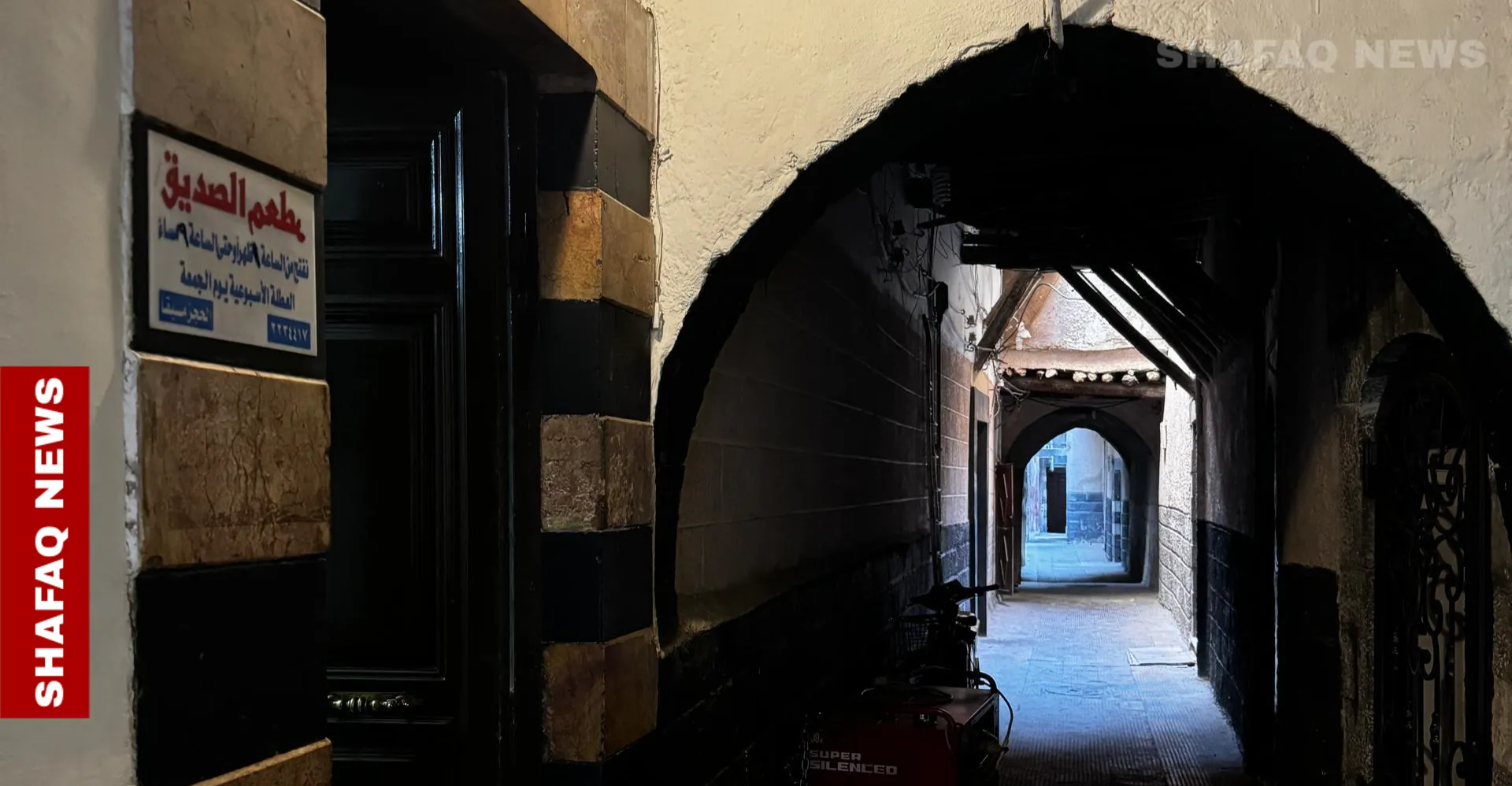
Despite economic and service challenges in recent years, Qanawat continues to thrive. Narrow, basalt-paved streets and historic stone houses preserve layers of the city’s past, creating a neighborhood that reflects both tradition and transformation.
Qanawat’s history spans centuries, with the neighborhood inhabited during the Mamluk era, flourishing under Ottoman rule, especially after several buildings were converted into government offices. In the early 20th century, the Hejaz Railway station—formerly Qanawat Station—linked the district to regional trade and travel networks, further increasing its significance.
The neighborhood also hosts several landmarks that represent Damascus’ cultural heritage. Al-Sibaiyah School and Al-Ajlouni Mosque remain notable examples of traditional architecture, while the palace of Syrian nationalist Fakhri Al-Baroudi later welcomed legendary singer Umm Kulthum during her visits to Damascus.
Today, Qanawat remains a key destination for those exploring historic neighborhoods in Damascus. Its Roman-era aqueduct remnants, traditional architecture, lively markets, and rich social fabric provide a vivid window into the city’s past while sustaining its role in contemporary urban life.