Via Recta: Ancient testament to Damascus history and coexistence


Shafaq News – Damascus
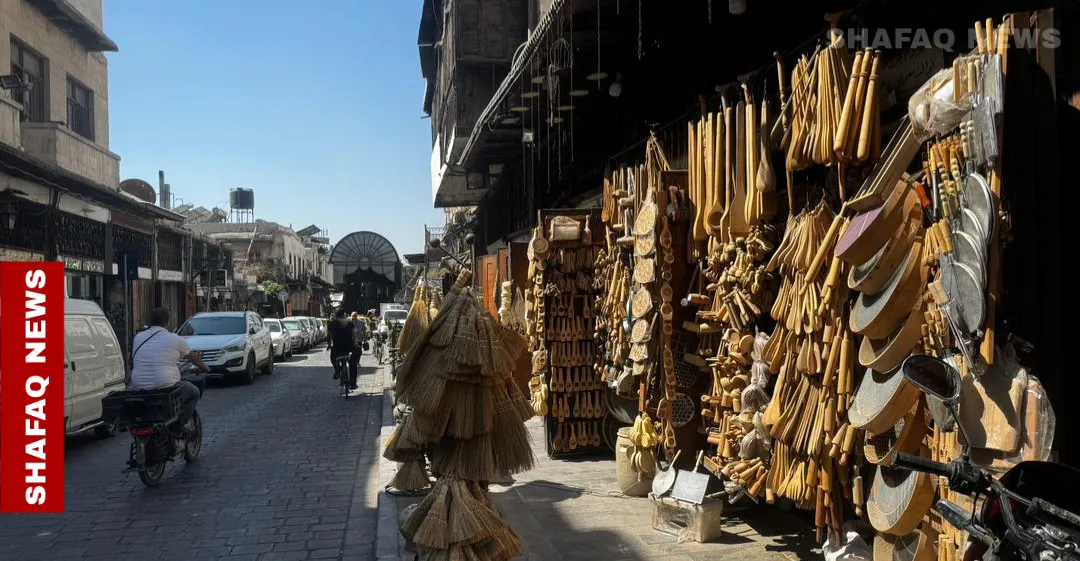
Amid alleys shimmering with copper and history, Abu Salim sits behind the window of his small shop in the heart of Old Damascus, polishing brass coffee cups as if polishing the memory of an entire city.
He inherited the craft from his father and grandfather. “The street has changed, but visitors keep coming back,” he told Shafaq News. “This place is Damascus’ living memory — it gathers faith, history, trade, and even old tales under one roof.”
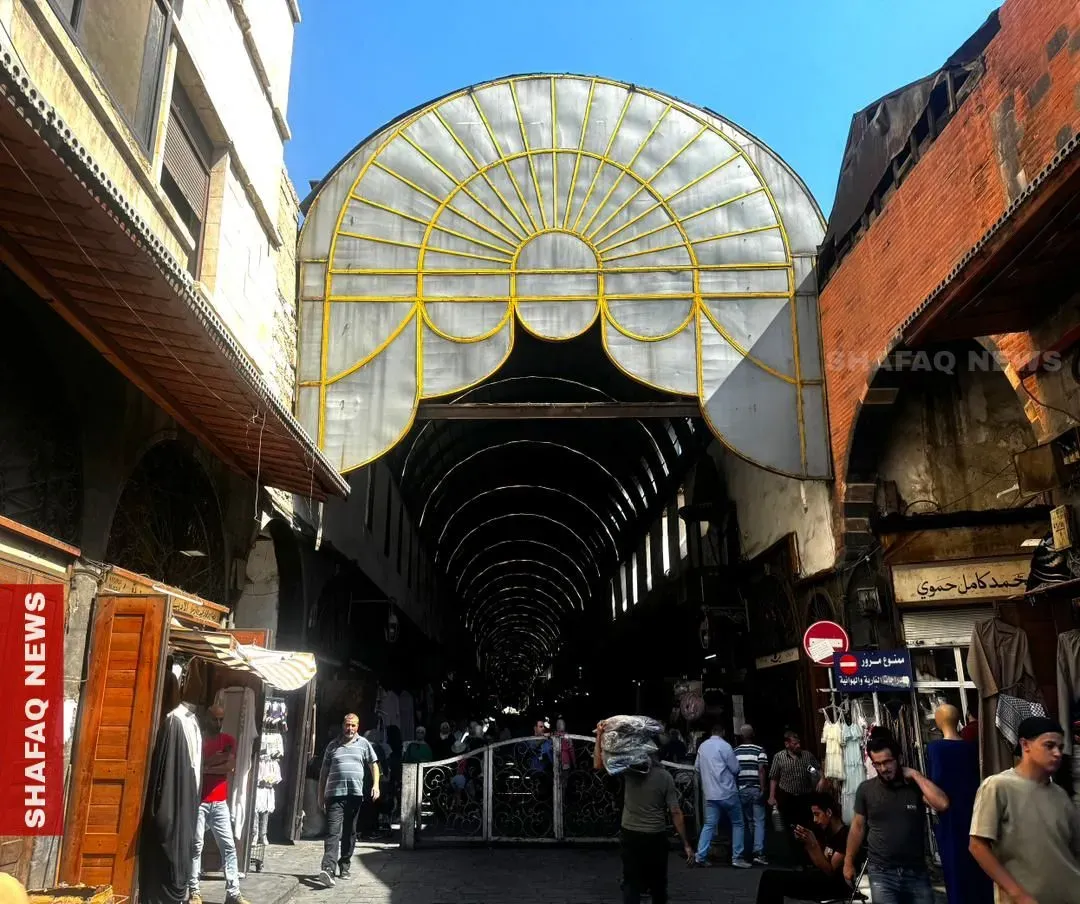
He smiled, pointing toward the narrow passage that still hums with life despite the scars of war. “Al-Shari‘ al-Mustaqim — the Straight Street — is Damascus’ open ledger. It shows how this city absorbs history and resists time.”
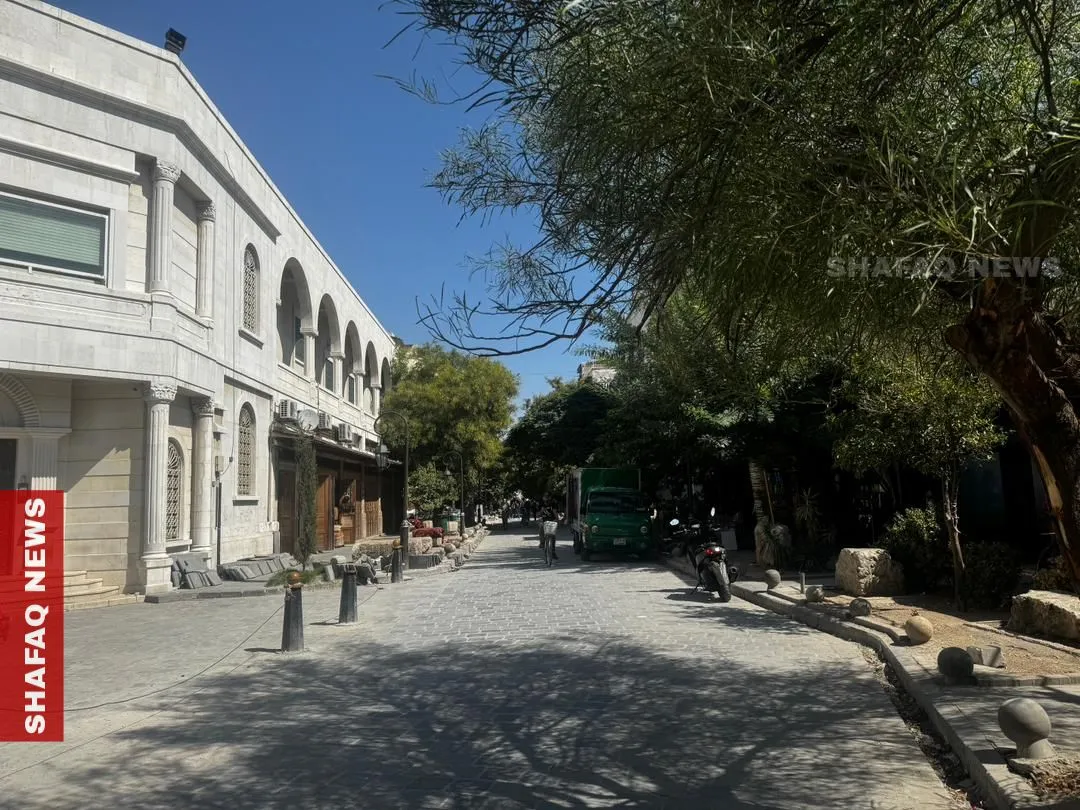
From Abu Salim’s shop begins the story, and it ends at one of the oldest continuously inhabited streets on earth: the Straight Street, a living stone manuscript that has told more than two thousand years of grandeur.
The Romans called it “Via Recta,” Latin for the straight road or the right path. Built by order of Emperor Septimius Severus in the first century CE, it formed the main axis dividing ancient Damascus into two parts, following the geometric plan of Roman cities with their straight, intersecting streets.
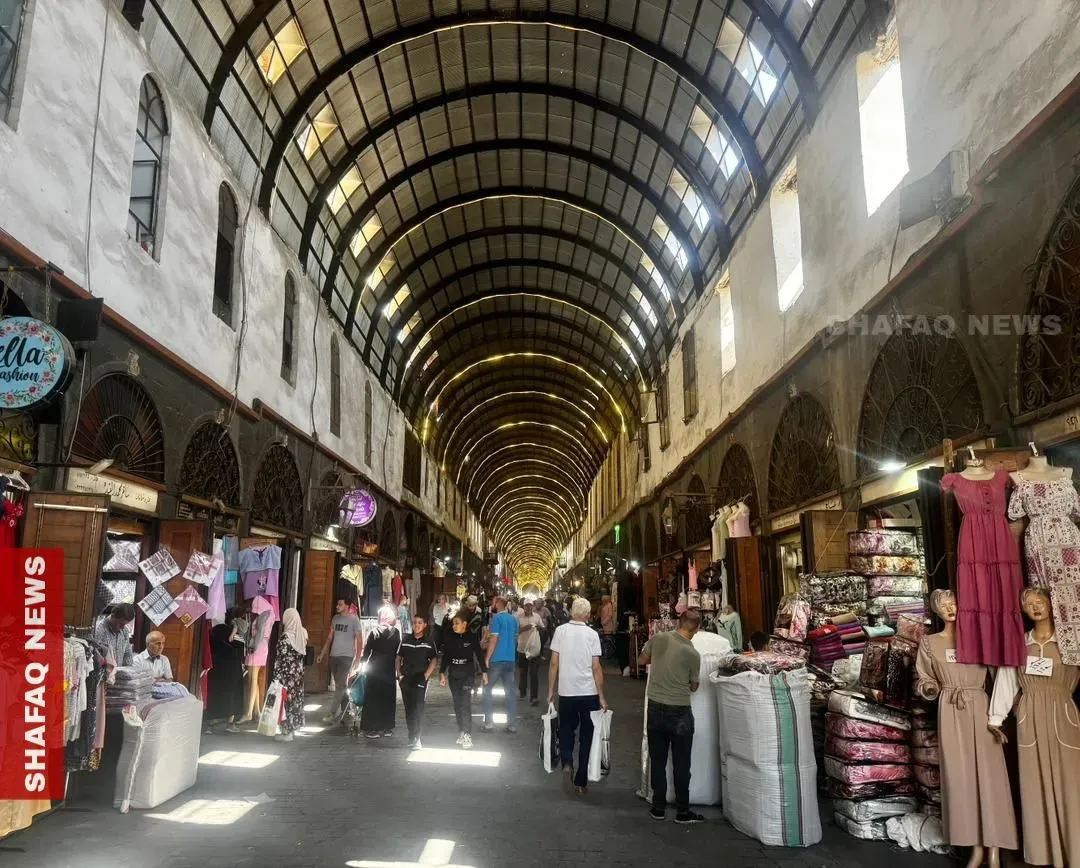
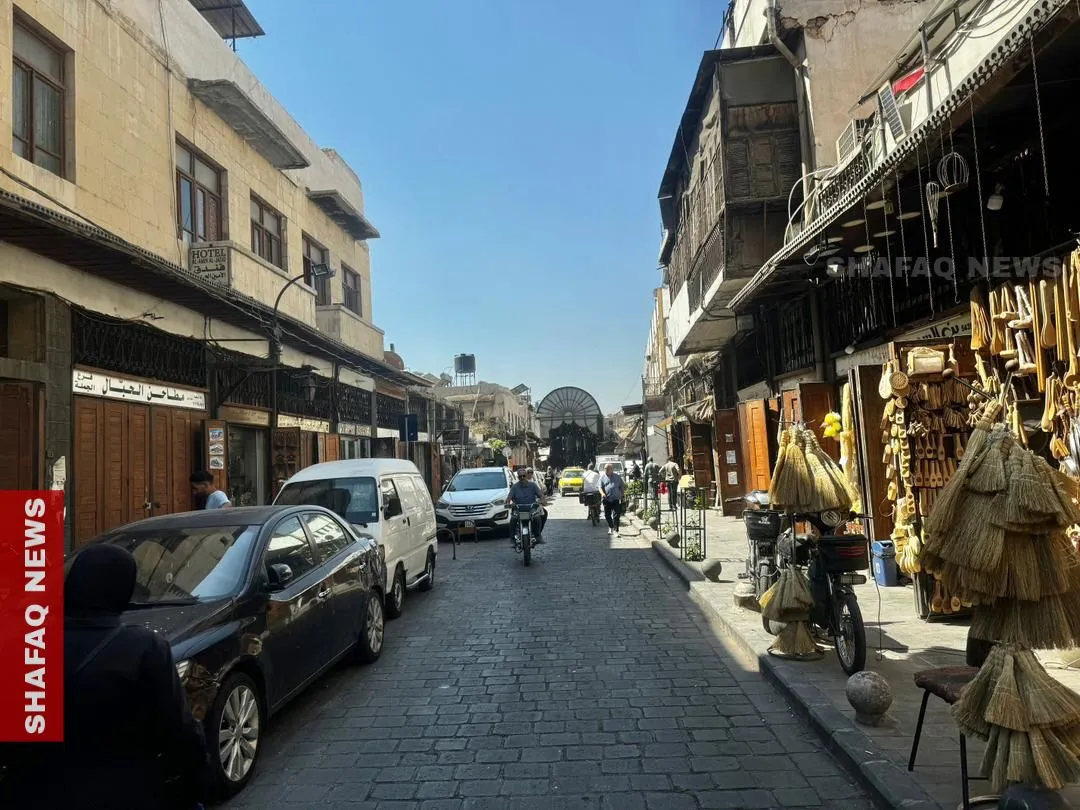
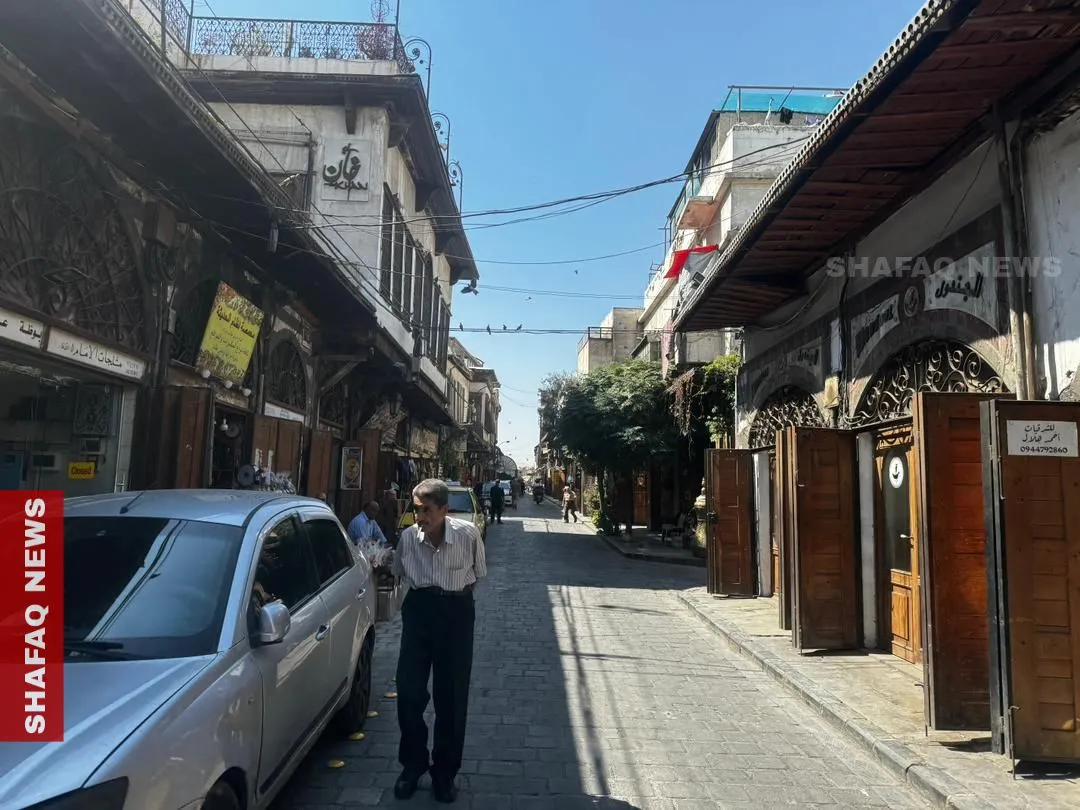
Stretching about 1.5 kilometers from Bab Sharqi (the Eastern Gate) to Bab al-Jabiya (the Western Gate), the street became the city’s vital artery — the corridor around which Damascus’ chapters have unfolded through centuries.
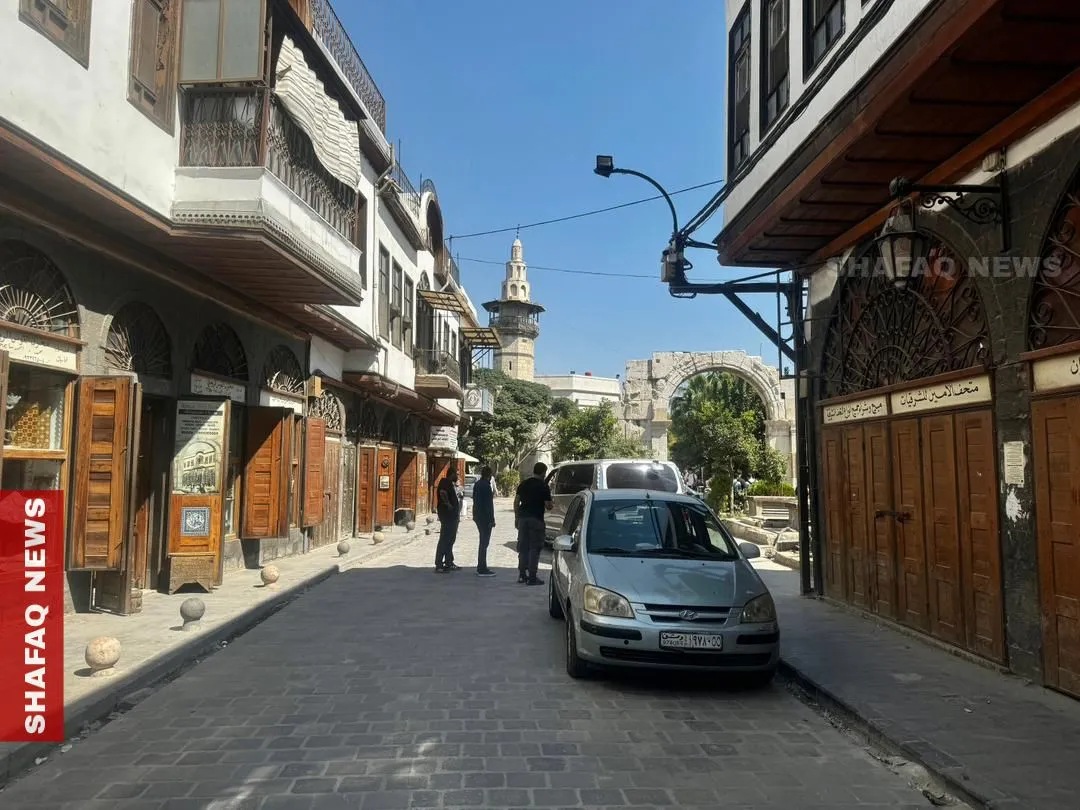
Near its center stands the Umayyad Mosque, anchoring the street as a spiritual and cultural heart since the dawn of Islam. Over time, its once-broad Roman width narrowed, yet its soul endured — a silent witness to the succession of Roman, Byzantine, Umayyad, Mamluk, and Ottoman eras.
For Syrians, the Straight Street is a spiritual crossroads. Tradition holds that Saint Paul walked its path after regaining his sight. Along its sides, churches stand beside mosques and ancient caravanserais, telling stories of coexistence that have long defined the Levant.
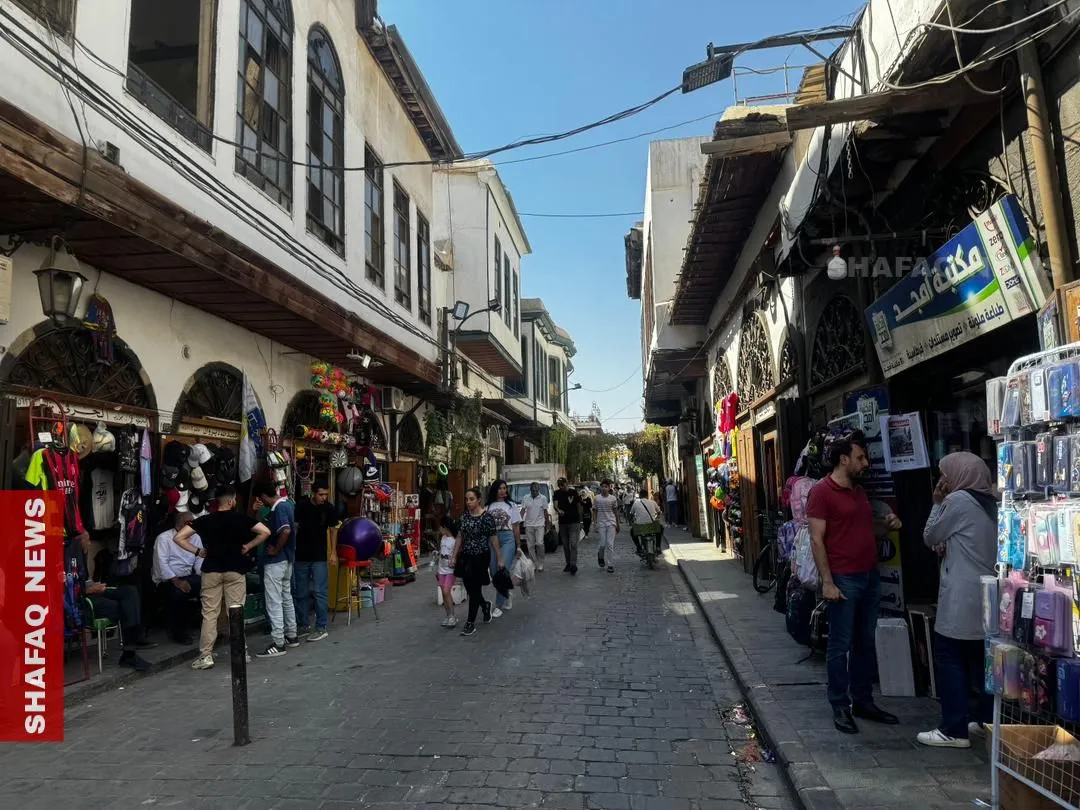
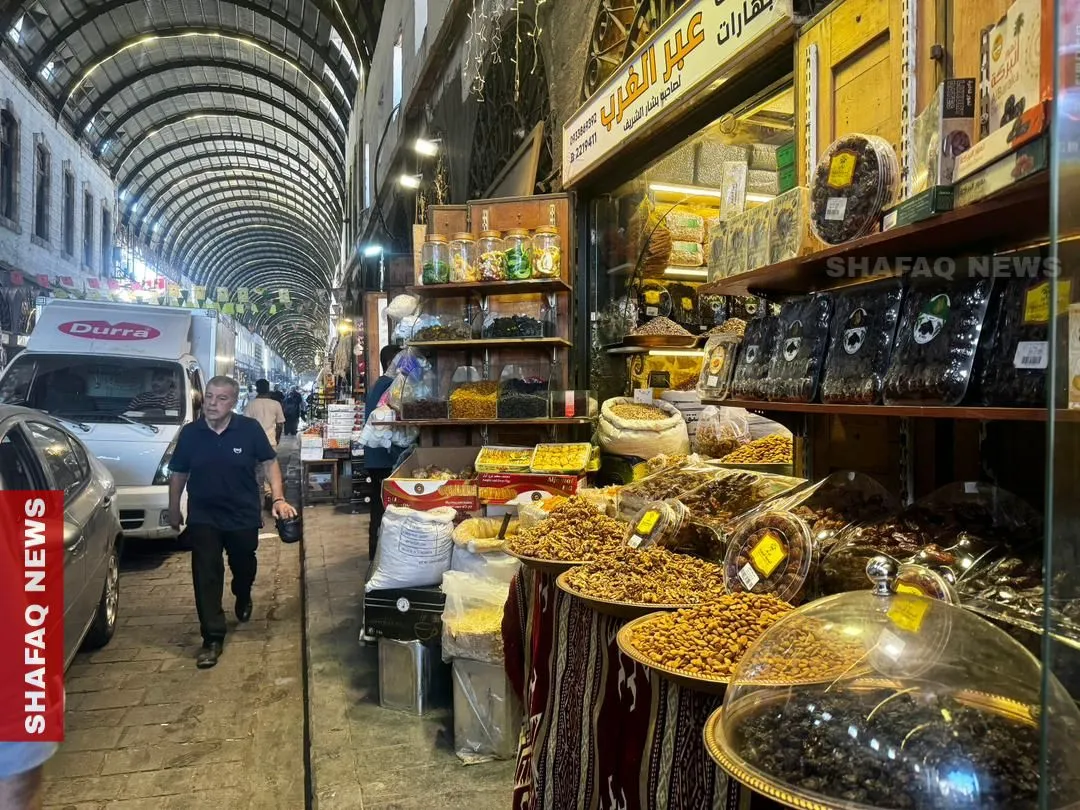
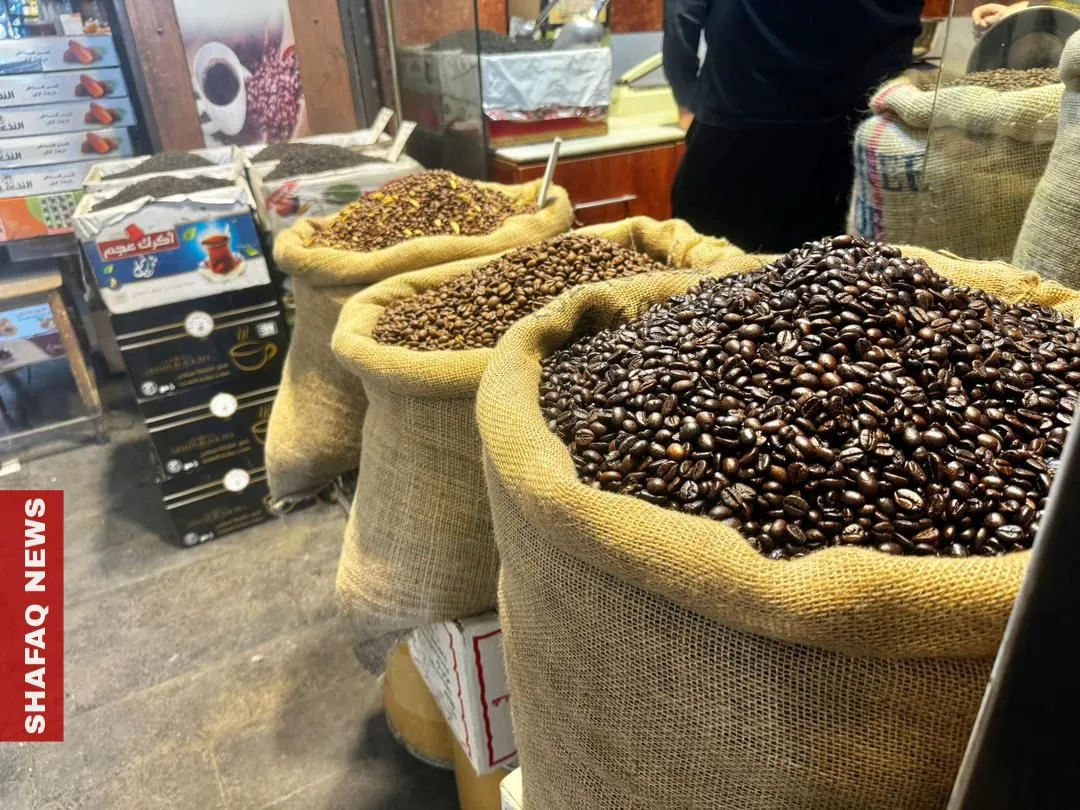
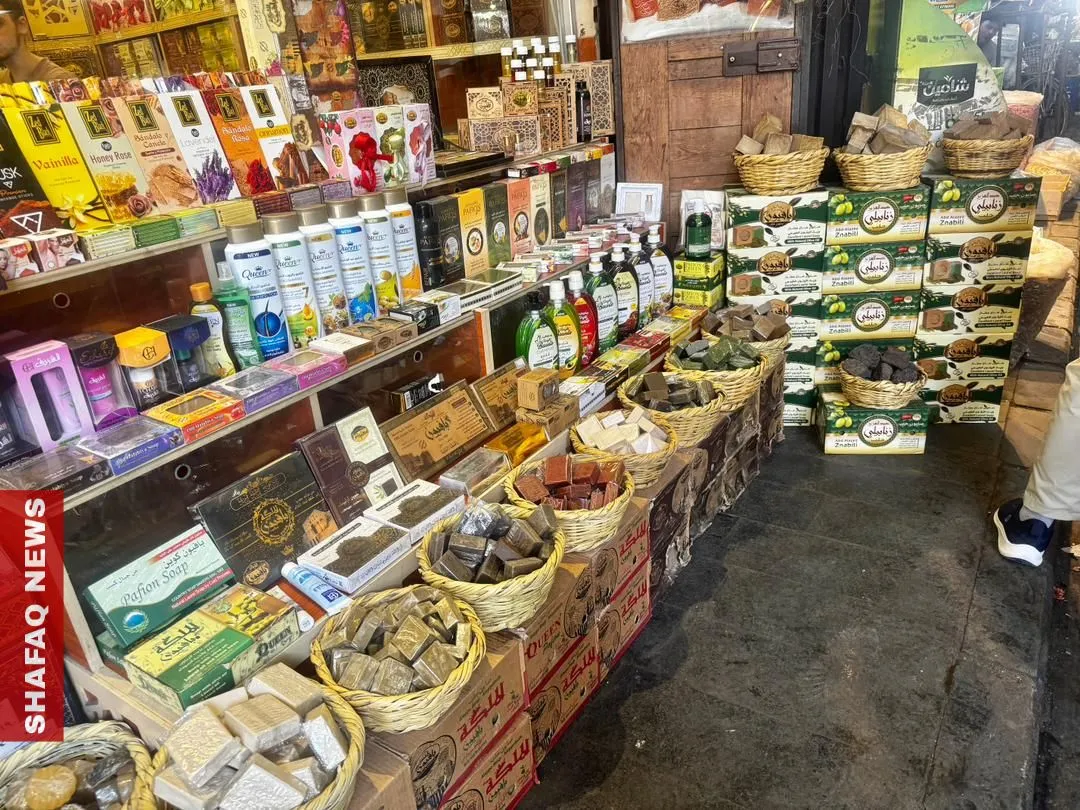
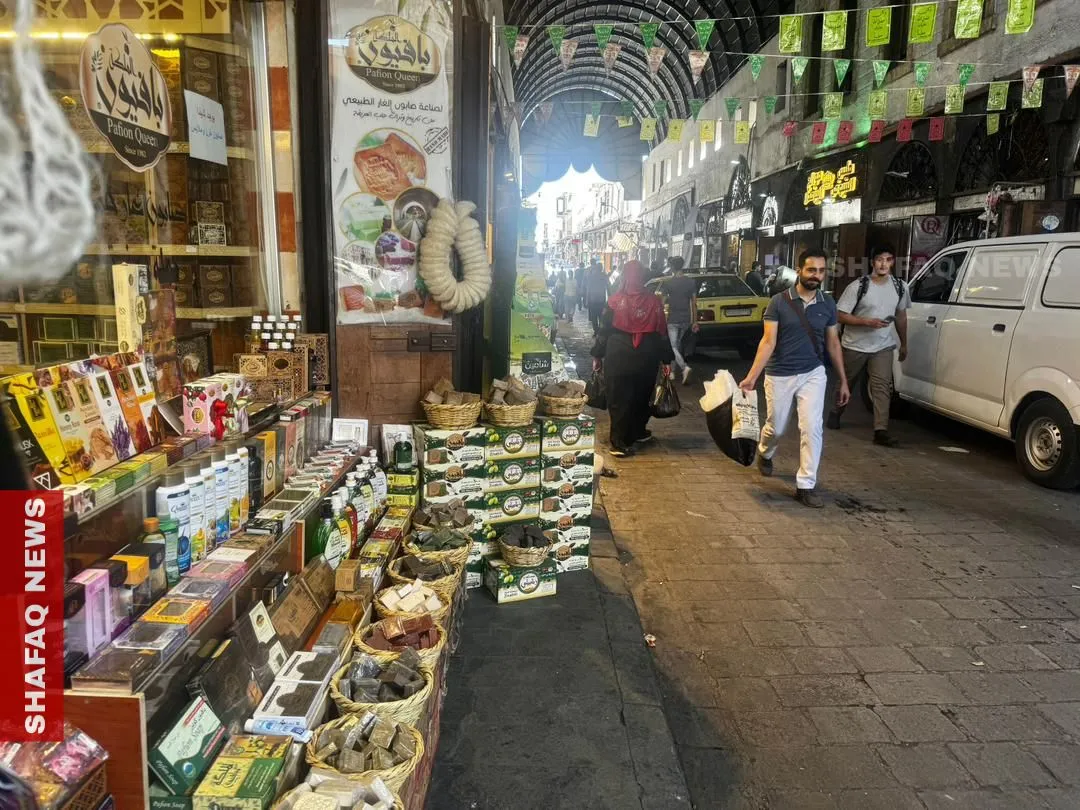
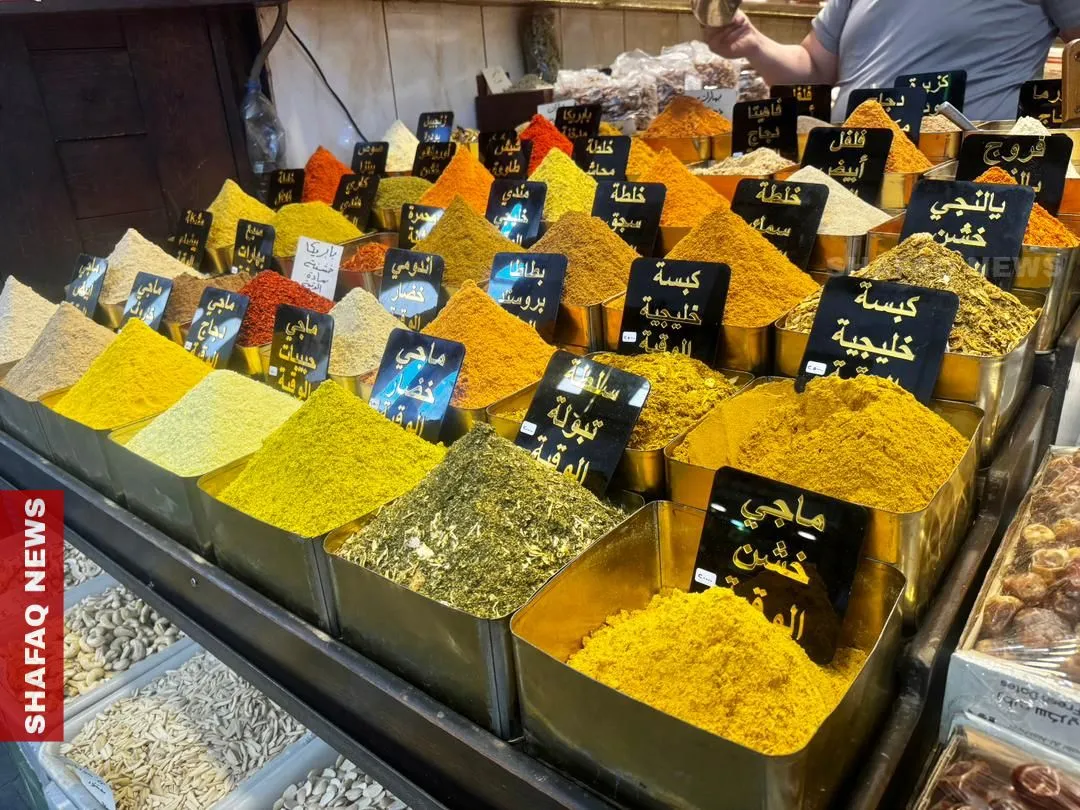
Before years of conflict darkened Damascus, the Straight Street drew visitors from around the world, enchanted by its narrow alleys and layered stories. Today, despite the challenges that shuttered some shops and left parts in need of urgent restoration, the old artery still beats with life: polished copperware, shining silver, embroidered fabrics, and the scent of Damascene perfumes, soap, and spices drifting from every corner — reminders that this place remains the living heart of Damascus.