US, Iran to hold first nuclear talks since 2025 war


Shafaq News- Washington/ Istanbul
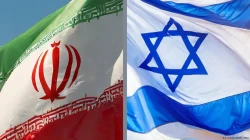
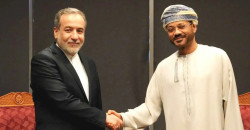
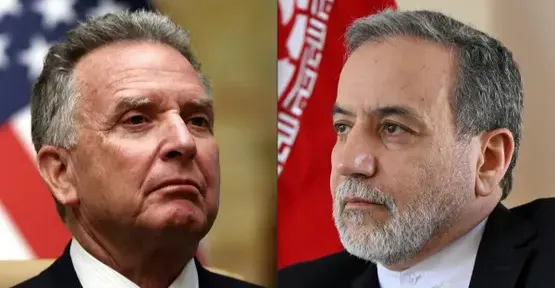
The United States’ Middle East Envoy Steve Witkoff and Iranian Foreign Minister Abbas Araghchi are set to discuss Iran’s nuclear program in Istanbul on February 6, Axios reported on Monday.
Axios, citing sources, clarified that the meeting has not yet been finalized but is being treated by both sides as the most likely scenario.
Witkoff is expected to visit Israel before the discussions for talks with Prime Minister Benjamin Netanyahu and senior military officials before traveling to Turkiye, an Israeli official told the outlet.
If held, the talks would mark the first direct contact between US and Iranian officials since negotiations collapsed and a 12-day war erupted in June 2025, as Washington steps up military pressure on Tehran and warns that a deal is needed to avert a wider conflict.
Read more: US military presence signals strategic pressure over direct conflict
Earlier today, Iranian media reported that high-level Iran–US discussions could take place in the coming days without confirming a date or venue. International reports later suggested Tehran might ship part of its enriched uranium stockpile abroad as part of a diplomatic arrangement.
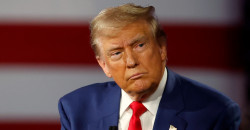
However, the Financial Times, citing diplomats, said the talks would be limited in their initial phase to Iran’s nuclear program and would not address Tehran’s ballistic missile arsenal. Israel’s Maariv newspaper, citing an Israeli source, also reported that US President Donald Trump conveyed broader demands to Tehran, including dismantling nuclear and missile capabilities and ending support for regional allies such as Lebanon’s Hezbollah, Yemen’s Houthis (Ansarallah), and armed groups in Iraq.
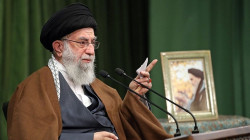
Iran has repeatedly rejected those conditions. Ali Bagheri, deputy for international affairs at Iran’s Supreme National Security Council, on Monday said Tehran has no plans to transfer enriched uranium abroad and that the issue will not be discussed in any negotiations with the US.
Read more: Iran between revolution and state: The future of Tehran’s support for armed groups