UNHCR: Civilians in Lebanon flee in fear for their lives despite ceasefire


Shafaq News- Beirut
Civilians in Lebanon continue to flee their homes despite a ceasefire announced on April 17 between Tel Aviv and Beirut, the UNHCR warned on Monday, describing a “deeply fragile” situation marked by continued violence and repeated displacement.
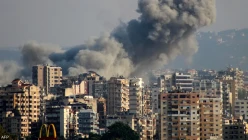
The agency cited Israeli airstrikes, shelling, demolitions, evacuation orders, and movement restrictions, particularly in southern Lebanon and the Beqaa Valley, as key drivers preventing stability and forcing families to move multiple times. Although Beirut has not been struck in recent weeks, residents in affected areas remain “with the same fear for their lives” as before the ceasefire, with UNHCR noting that at least 380 people have been killed since the truce took effect.
According to UNHCR data, 1,049,328 displaced people have been registered through Lebanon’s government relief platform. A total of 119,623 internally displaced people are currently hosted in collective shelters. Insecurity continues to shape civilians’ decisions on whether to return to their towns or remain displaced, while many residents are still not permitted to return to areas under Israeli control in the south.
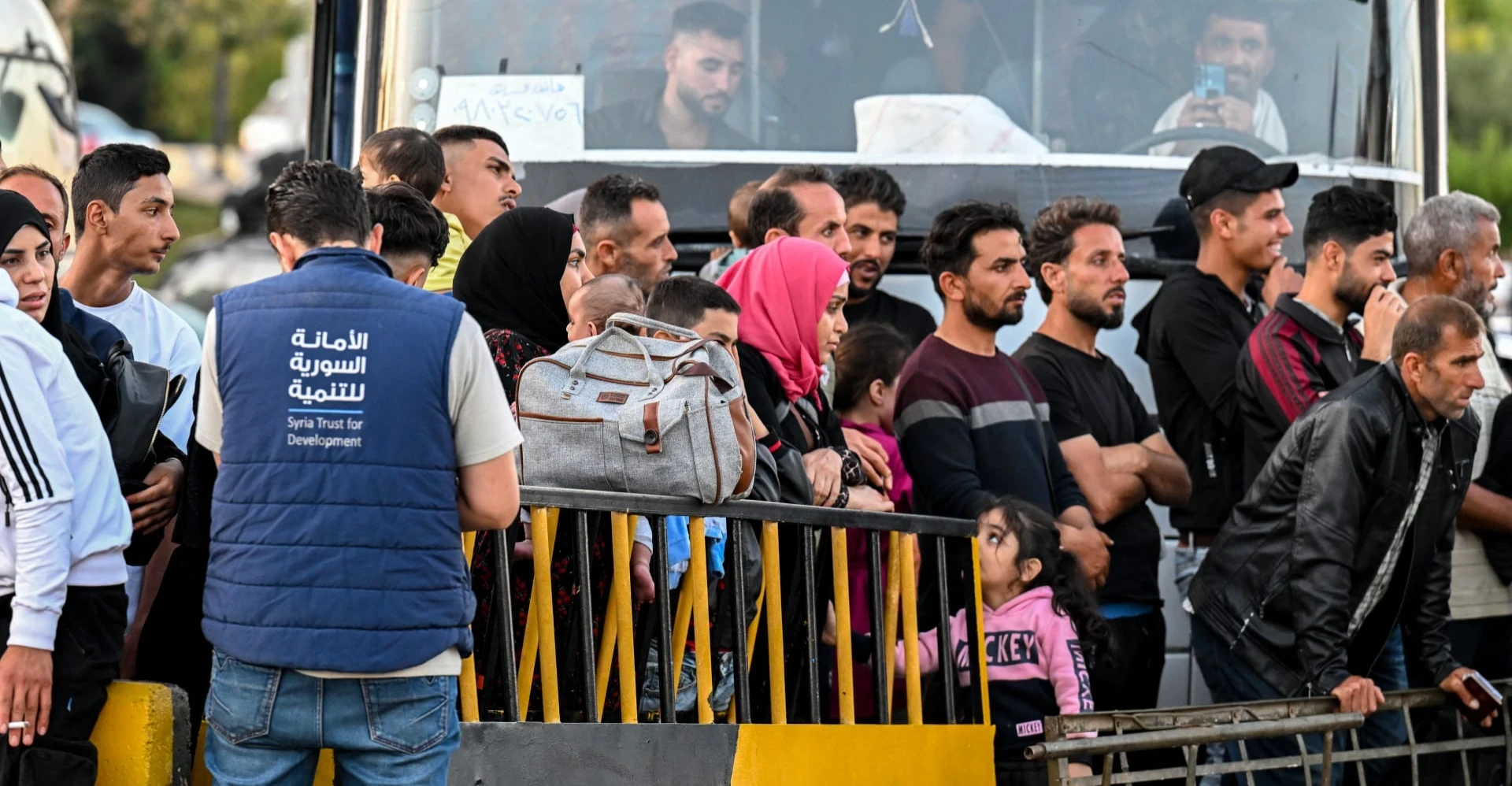
Cross-border displacement has also intensified. Since renewed escalation on March 2, more than 310,000 Syrians have crossed into Syria from Lebanon, citing the absence of viable alternatives, as humanitarian operations remain constrained with only 38% of the Lebanon Flash Appeal funded.
Large-scale damage has spread across multiple regions, impacting homes belonging to hundreds of thousands of people as well as critical infrastructure. Data from the National Council for Scientific Research in Lebanon shows that 428 housing units were destroyed and a further 50 damaged in just the first three days of the ceasefire.
“This fragile ceasefire must be upheld to enable safe returns for displaced families and be matched by sustained international support,” the agency affirmed.
Lebanese authorities reported more than 8,500 Israeli violations, including shelling, excavation operations, and the use of phosphorus munitions. Israeli Defense Minister Israel Katz described the military approach as modeled on operations in Gaza, involving large-scale destruction. According to Lebanon’s Health Ministry, the escalation has killed 2,702 people and wounded 8,311 others since early March, including women and children.