Pezeshkian: Iran faces unprecedented challenges


Shafaq News- Tehran
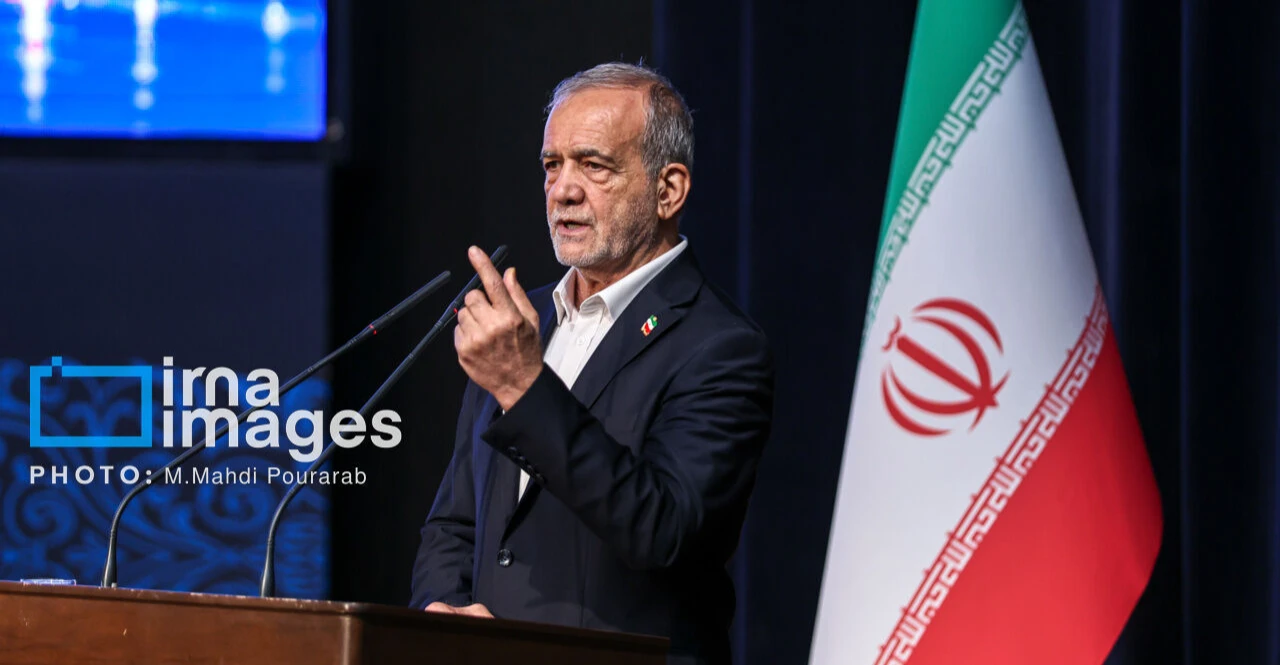
Iran is facing its most severe challenges since the 1979 Islamic Revolution, President Masoud Pezeshkian said on Thursday, accusing the country’s adversaries of seeking to destabilize it through military attacks and disruptions to essential supplies.
Addressing a meeting of East Azerbaijan Province’s Planning and Development Council via video link, Pezeshkian said Iran had not experienced such intense pressure in the 48 years since the revolution, arguing that the killing of Supreme Leader Ayatollah Ali Khamenei and several senior military commanders and officials in joint US-Israeli strikes on Tehran on Feb. 28 had failed to trigger the widespread instability anticipated by Iran’s adversaries.
Pezeshkian accused Iran’s opponents of attempting to block supply routes and restrict access to essential goods while targeting gas facilities, power plants, and factories to deepen economic hardship. “The enemy thought that these attacks would cause famine,” he said, crediting businesses, manufacturers, industrial workers, and government officials with preventing broader disruptions.
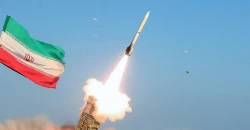
He also praised Iran’s armed forces for their response to the attacks.
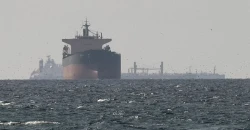
Iran remains under a US naval blockade, which Washington reinstated in July after a ceasefire reached in June collapsed the following month. By Oct. 9, US Central Command (CENTCOM) had redirected 133 commercial vessels as part of its enforcement operations, while shipping through the Strait of Hormuz remained sharply reduced.
The restrictions have also affected Iranian oil exports. Energy analytics firm Vortexa reported on Tuesday that Iran’s seaborne crude shipments fell to zero in the second week of September and remained at that level through Oct. 5. Approximately 83 million barrels of Iranian crude were still aboard tankers, including 43 million stranded west of the Strait of Hormuz, while liquefied petroleum gas exports dropped 48% month-on-month to their lowest level since at least January 2023.
Maritime tensions have also escalated, with Iran’s Islamic Revolutionary Guard Corps (IRGC) warning shipping companies last week against complying with US instructions and threatening vessels using routes Tehran considers unauthorized.
Security data released on Wednesday showed that at least 10 vessels had come under attack in or near the Strait of Hormuz since Sunday, bringing the number of reported incidents in the first half of October to 23.