Lebanese officials welcome ceasefire while warning of fragility


Shafaq News- Beirut
Lebanese officials and political figures on Friday expressed cautious optimism over the 10-day ceasefire with Israel, while warning of its fragility and stressing the need for unity and close monitoring.
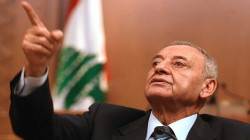
Parliament Speaker Nabih Berri, who also heads the Hezbollah-allied Amal Movement, described the truce as “a step forward” but raised concerns over Israeli intentions. He confirmed the duration and urged displaced residents to delay returning to southern areas until conditions stabilize, while reiterating opposition to direct negotiations and framing the arrangement within a broader regional context involving Iran.
Hezbollah lawmaker Hussein al-Hajj Hassan linked the ceasefire to Iranian pressure, accusing Israel of repeated violations. The group, he said, will track developments, emphasizing demands that include withdrawal, detainee return, reconstruction, and an end to attacks.
Labor Minister Mohamad Haidar framed the ceasefire as “an initial step toward a wider halt in hostilities,” stressing the importance of national consensus, while Interior Minister Ahmad al-Hajjar pointed to heightened security readiness and coordination with the army to manage the return of displaced civilians and maintain order.
Minister of Displaced and Minister of State for Technology and Artificial IntelligenceKamal Shehadeh characterized the development as “significant yet fragile.” He credited diplomatic efforts backed by international support while noting that key details remain unresolved and affirming that “decisions on war and peace rest with the state.”
Former Progressive Socialist Party leader Walid Joumblatt welcomed the move as a “positive starting point” but cautioned against short-lived arrangements, calling for a unified national approach and distancing Lebanon from wider regional dynamics.
Regional affairs commentator Khalil Nasrallah suggested Israel may seek to consolidate control south of the Litani River as leverage in future negotiations, warning, “This could undermine the arrangement,” while strategic affairs expert Mohammad Marandi pointed to pressure on economic infrastructure alongside US influence as factors behind Israel’s acceptance.
Lebanese media, meanwhile, reported that some displaced residents have begun returning to southern areas and Beirut’s southern suburbs, causing traffic congestion, although authorities continue to advise caution.
مشاهد لعبور الأهالي جسر القاسمية - برج رحال#أخبار_الجديد #جنوب_لبنان pic.twitter.com/IqM6H75hVV
— Al Jadeed News (@ALJADEEDNEWS) April 17, 2026
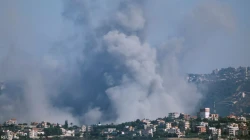
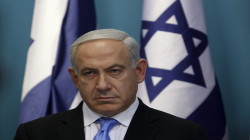
The truce took effect on Thursday at 21:00 GMT (midnight Beirut time) following separate calls by US President Donald Trump with Lebanese President Joseph Aoun and Israeli Prime Minister Benjamin Netanyahu. However, the Lebanese army later cited continued Israeli attacks and intermittent shelling across several areas.
Under the agreement, published by the US Department of State, the initial 10-day period may be extended by mutual consent if progress is demonstrated in negotiations and if Lebanon effectively demonstrates its ability to assert its sovereignty.
Israel retains the right to take all necessary measures in self-defense at any time against planned, imminent, or ongoing attacks, but commits not to carry out offensive military operations against Lebanese civilian, military, or other state targets.
Lebanon, in turn, must take meaningful steps to prevent Hezbollah and all other non-state armed groups from carrying out attacks against Israeli targets.
Since hostilities between Israel and Hezbollah began on March 2, Israeli strikes have killed 2,196 people and injured 7,185 others, including 172 children and 260 women among the dead, and 661 children and 1,167 women among the wounded, according to Lebanon’s Health Ministry.