Iran-Oman plan could reshape Strait of Hormuz shipping



Shafaq News- Tehran
Iranian lawmakers are reviewing a draft bill that would bar US, Israeli, and other designated hostile vessels from the Strait of Hormuz and fine violators up to 20% of their cargo’s value, Iranian outlets reported on Thursday.
The initial text would also prohibit military and civilian cargo linked to Israel, vessels or shipments involved in actions against what Iran calls the “Resistance Front” –an Iran-aligned network of armed and political groups operating across the Middle East– and countries or individuals deemed to have caused losses to Iran until compensation is paid. It would also require the government and armed forces to direct navigation, monitor vessel traffic, and oversee security and environmental protection in the Gulf.
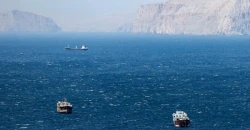
Separately, Fars News Agency cited an Iranian Foreign Ministry source as outlining a proposed traffic system discussed with Oman. Ships would initially enter Hormuz through the northern corridor near Iran and leave through the southern corridor near Oman. After an unspecified period, all traffic would shift to a central route, with Iran managing inbound shipping and Iran and Oman jointly overseeing outbound vessels.
The source denied reports of a dispute over charges equal to 3% or 7% of cargo value, stating that payments would instead depend on services such as insurance, refueling, and environmental protection.
Iran and Oman began negotiating arrangements to reopen the Strait of Hormuz after months of US-Iran fighting, attacks on commercial shipping, and a US blockade of Iranian ports. US President Donald Trump claimed on Thursday that he had postponed planned strikes after discussions with Gulf allies and agreement on basic parameters, although Iran has not announced a final deal.
Before the February 28 US-Israeli war on Iran disrupted shipping, the Strait of Hormuz carried more than one-quarter of global seaborne oil trade and about one-fifth of global liquefied natural gas shipments.
Read more: Iran, Oman near joint statement on Hormuz shipping route