International day highlights conditions of Palestinian prisoners in Israeli jails


Shafaq News- Gaza
On Monday, the world marked the International Day of Action for the Freedom of Palestinian Prisoners, renewing humanitarian attention in Gaza to the suffering of thousands of detainees due to prolonged detention and harsh treatment inside Israeli prisons.
Muntasir Al-Naaouq, spokesperson for the Ministry of Prisoners’ Affairs, noted that about 9,300 Palestinian prisoners are currently held in Israeli jails under what he described as the harshest conditions in the history of the prisoners’ movement. “Prisons have turned into arenas of systematic retaliation, particularly against detainees from Gaza,” he remarked, citing starvation, physical torture, and medical neglect.
More than one-third of prisoners, Al-Naaouq added, are held without charge or trial under administrative detention, a policy that allows authorities to detain individuals for renewable periods based on undisclosed evidence. He said that “the ceremony serves as a moment to break international silence and expose the Israeli narrative,” calling for intensified popular and rights-based mobilization to pressure the international community and hold it accountable for “violations” committed behind bars.
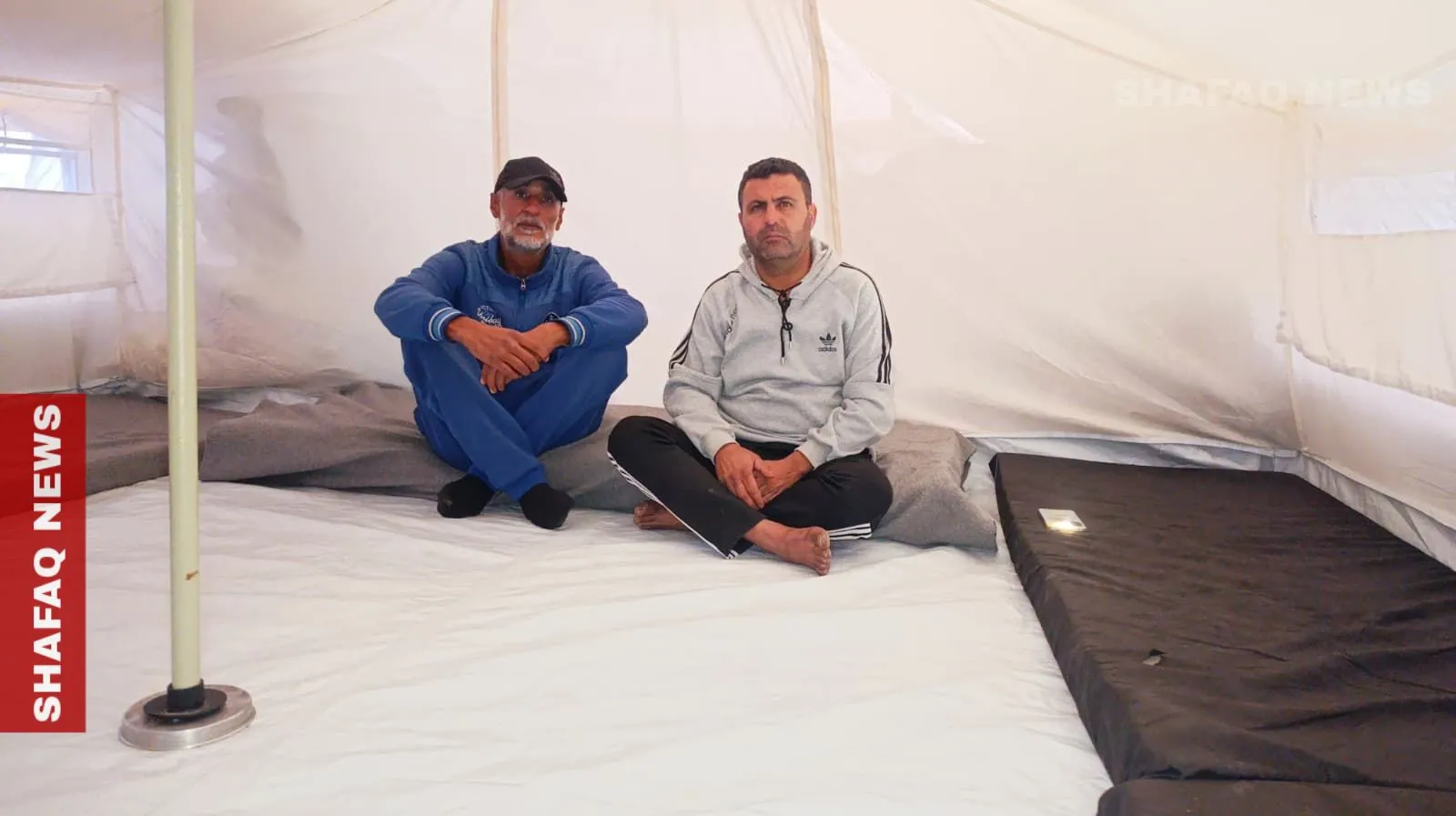
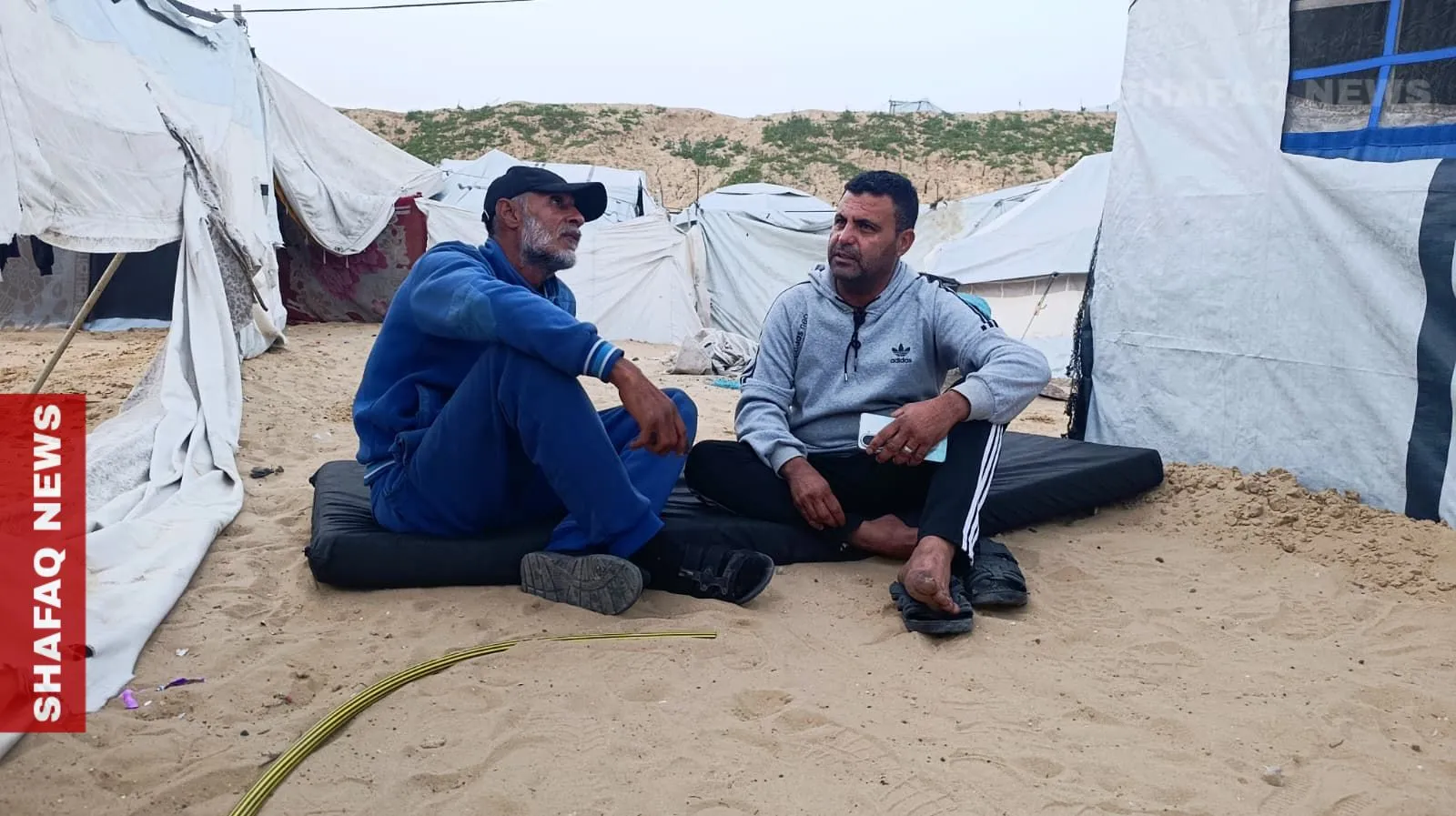
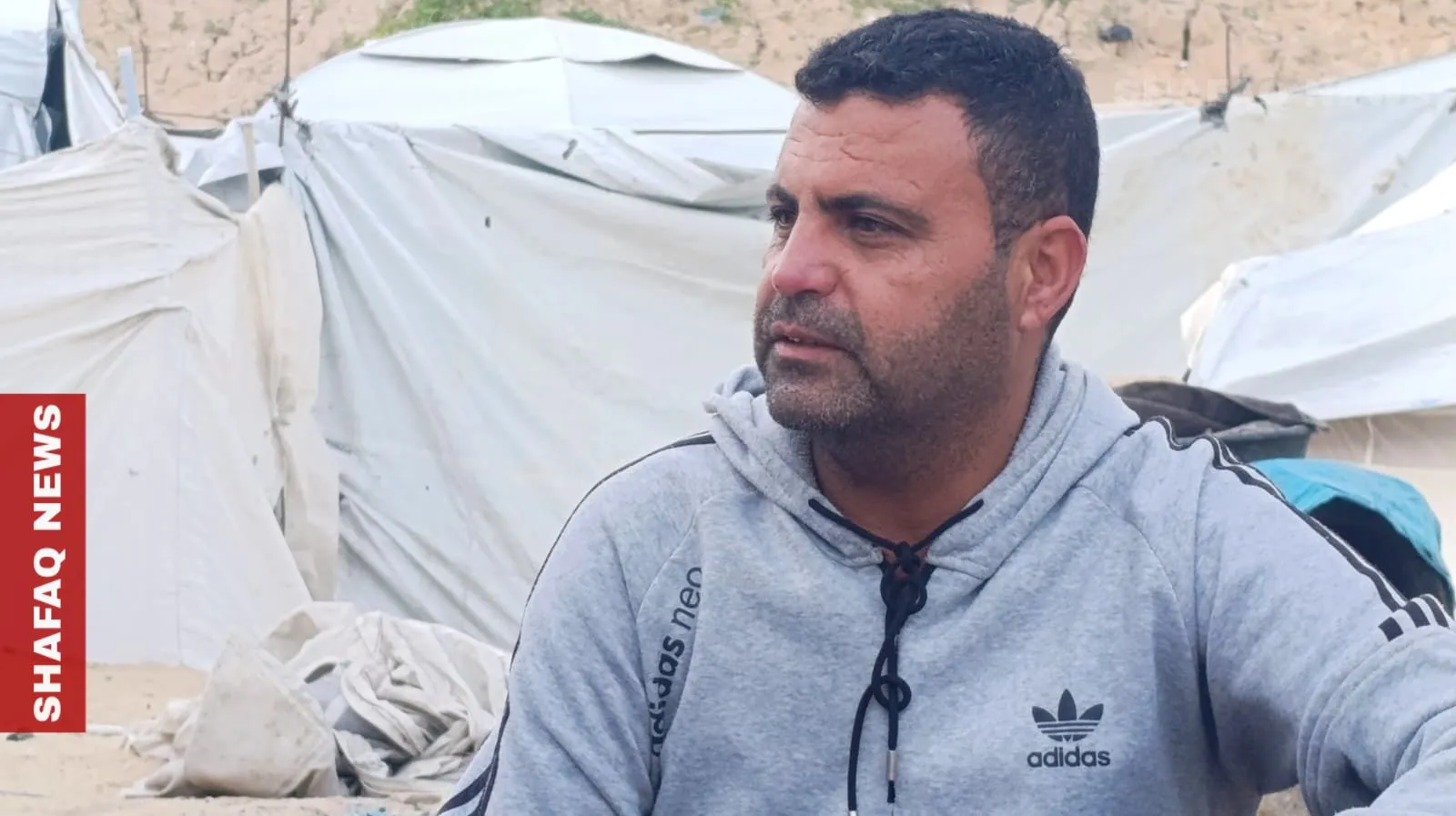
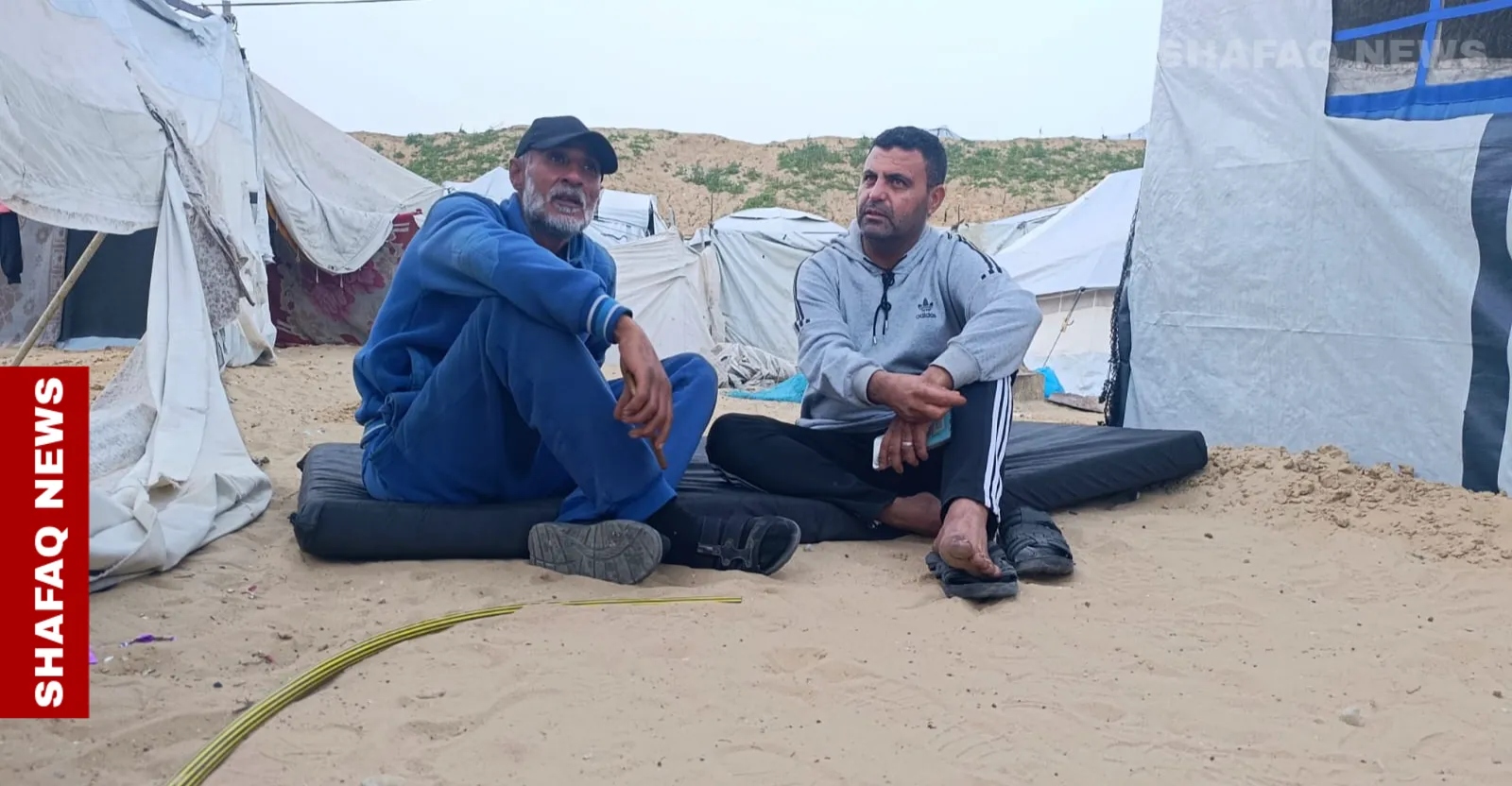
From Rafah, former detainee Mahmoud Al-Amwasi, 52, told
Shafaq News that his arrest, which lasted less than 24 hours, “equaled a
lifetime of suffering.” The ordeal, he observed, began with severe beatings
inside tanks, involving metal batons and electric shocks, before he was
transferred to the Negev prison in “a continuous chain of humiliation and
torture that spared no detainee, young or old.”
Despite his injuries, Al-Amwasi stated he remained handcuffed and blindfolded while being moved between tanks and desert roads, surrounded by stray dogs, before being left near the Karam Abu Salem (Kerem Shalom) crossing. He was later transferred to the European Gaza Hospital, where he received eight units of blood that saved his life.
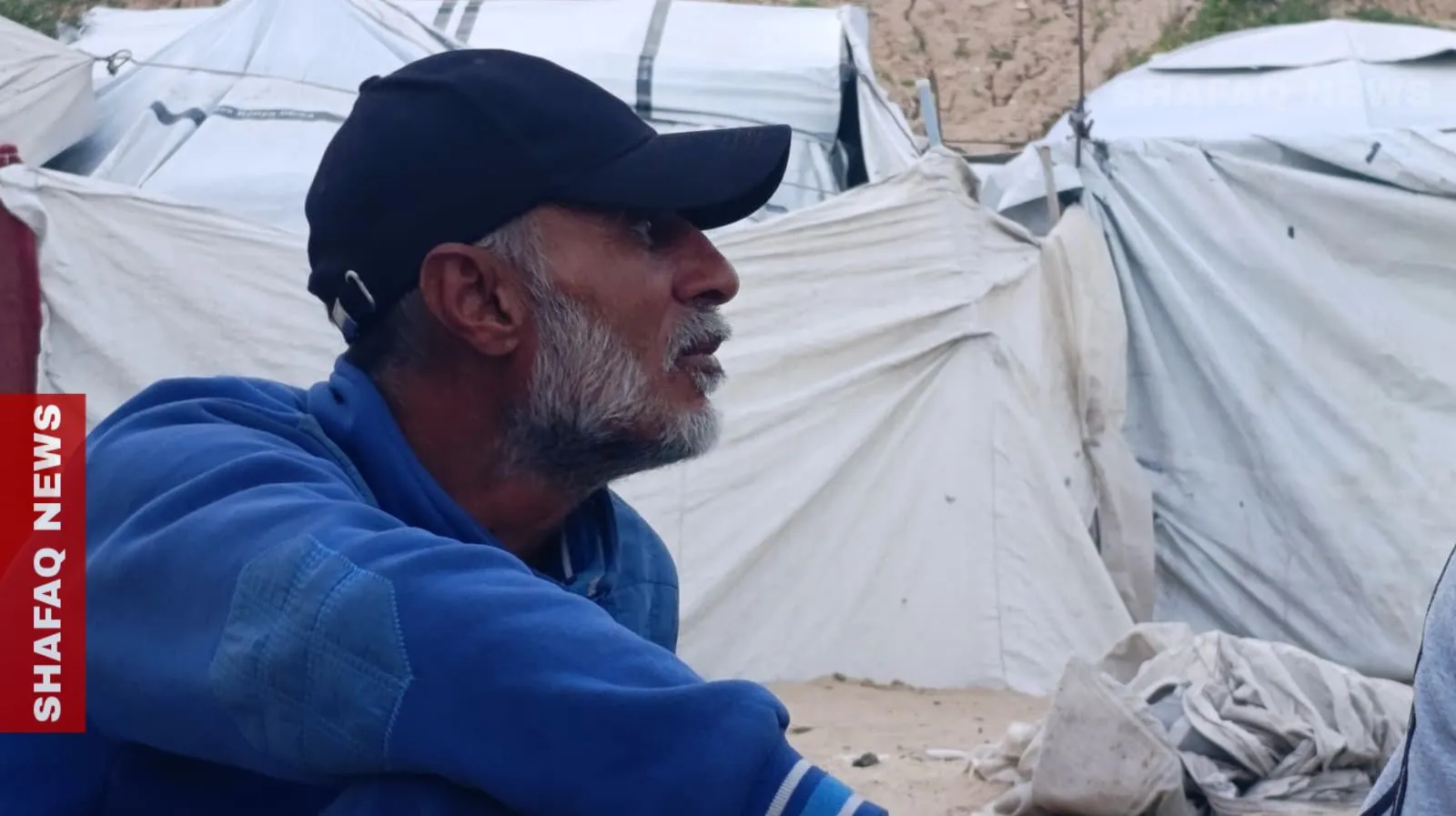
Mohammed Al-Mashoukhi, 45, another former detainee, described to our agency his seven-month detention, during which he was held in several prisons, most notably the Sde Teiman military prison, which detainees associate with particularly harsh conditions. He said the treatment was non-stop.
“Prisoners were forced to stand for long hours with their hands bound and eyes blindfolded,” he noted, adding that requests for treatment were often met with beatings, while medical neglect led to permanent injuries and, in some cases, loss of hearing or eyesight.
The International Committee of the Red Cross (ICRC) announced last week that it has overseen releases and transfers under the Gaza ceasefire since October 2025, beginning with the release of 20 living hostages and 1,808 Palestinian detainees. In later phases, the ICRC facilitated the return of 27 deceased hostages and 360 Palestinians. It also transferred the remains of 15 Palestinians to Gaza, completing the process after Israeli authorities recovered the final deceased hostage.
📍 Israel and the occupied territories | Today, we facilitated the return of 15 deceased Palestinians to Gaza, after the remains of the final deceased hostage were recovered by Israeli authorities. This marks the completion of a months-long operation that reunited families and… pic.twitter.com/RORexi0NL2
— ICRC (@ICRC) January 29, 2026