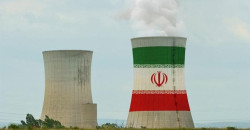
Germany, Australia warn citizens as US–Iran tensions threaten regional airspace


Shafaq News- Berlin/ Canberra
Germany and Australia on Wednesday warned their citizens across the Middle East to prepare for potential airspace closures and wider disruption as tensions between the United States and Iran intensify, raising fears of a broader regional conflict.
Germany’s Foreign Ministry urged nationals traveling or residing in the region to exercise heightened caution, citing the possibility of a US strike on Iran and the potential fallout for Israel and neighboring states.
In a separate advisory, the German Embassy in Tel Aviv told its citizens in Israel to be ready to remain in place for an extended period should Iranian attacks trigger airspace closures. It cautioned that consular assistance would be “extremely limited” if flights are suspended and advised Germans to install mobile applications that provide real-time missile alert warnings. The embassy also recommended stockpiling essential supplies and identifying nearby shelters.
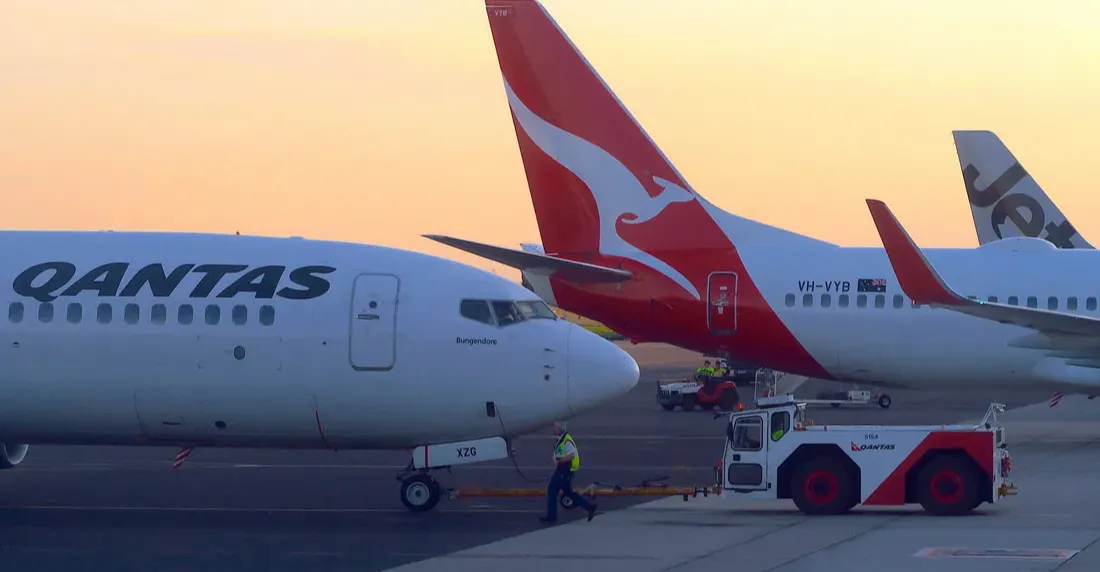
Australia issued a similar alert, warning that escalating hostilities could lead to flight cancellations and widespread travel disruptions. Authorities described the regional security environment as “unstable” and said the risk of military confrontation remains high.
Canberra advised family members of Australian officials in Lebanon to consider departing while commercial options remain available and directed the families of officials in Israel to leave in response to deteriorating conditions. It also offered voluntary departure options to relatives of officials stationed in Jordan, Qatar, and the United Arab Emirates, while urging travelers to exercise extreme caution.
The warnings follow renewed brinkmanship between Washington and Tehran, shaped by military posturing and fragile diplomacy. Iran’s leadership has warned that any future confrontation with the United States and Israel would exceed the scale of the June 2025 12-day war, threatening a multi-front response and declaring that US interests would not be safe if Iranian territory is attacked.
Washington, meanwhile, is weighing options should negotiations fail. US media reports have cited deliberations over a potential limited strike targeting Iranian military and nuclear infrastructure, alongside a broader campaign if deterrence collapses. The Pentagon has reinforced its regional posture, including naval deployments and expanded air assets, according to US officials.
Indirect nuclear talks resumed this month under Omani mediation, with rounds held in Muscat and Geneva. President Trump has set a 15-day deadline for what he calls a “meaningful deal,” while Tehran insists uranium enrichment remains a sovereign right.
Regional governments have begun contingency planning. The United States recently reduced non-emergency personnel in Beirut. Norway has relocated some military personnel from the region. Several countries, including India and European states, have advised citizens to leave Iran.
Read more: Iran–US nuclear talks 2026: Diplomatic breakthrough or imminent military confrontation?