Damascus's Asruniyeh market fights for survival


Shafaq News – Damascus
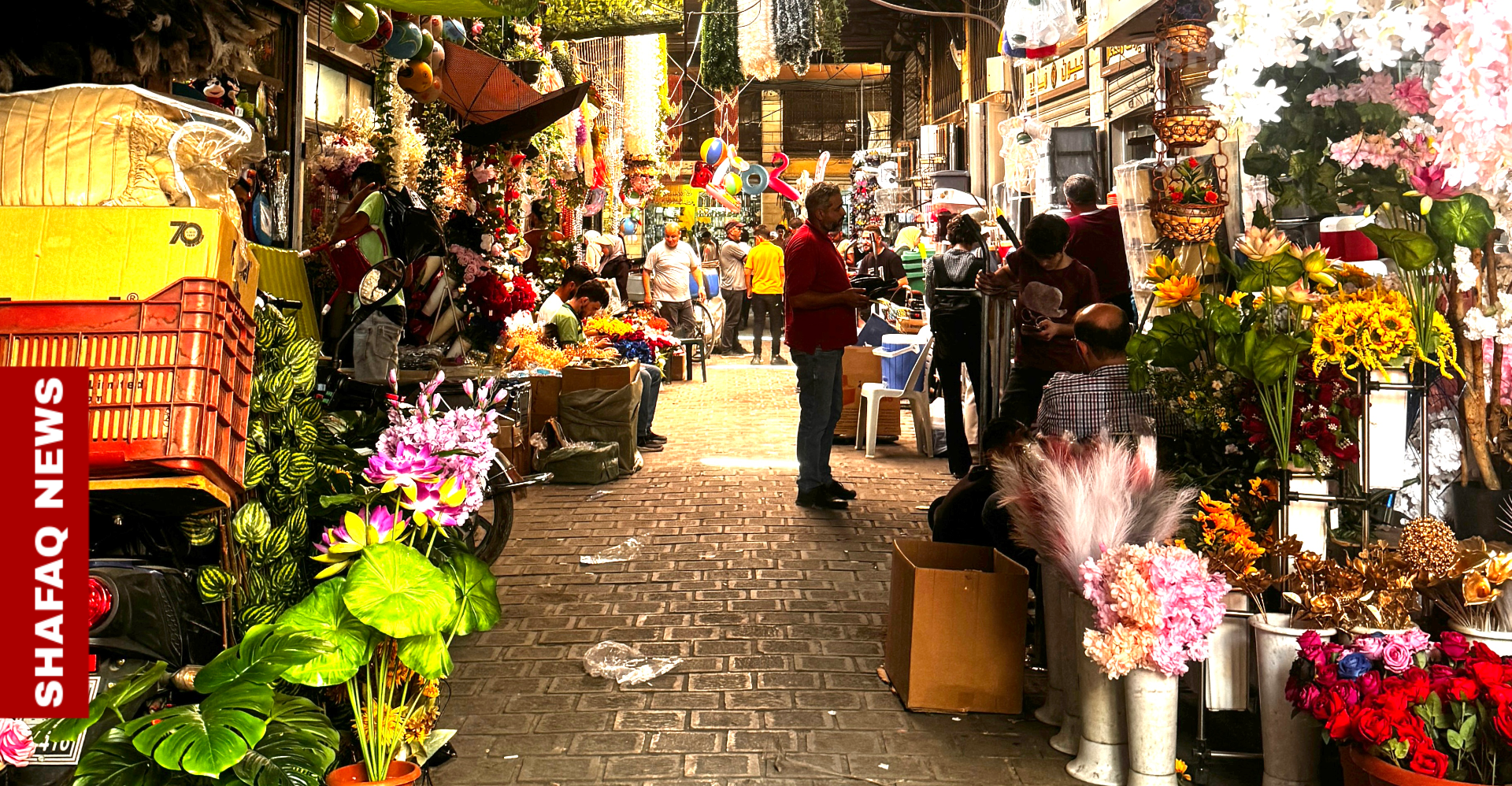
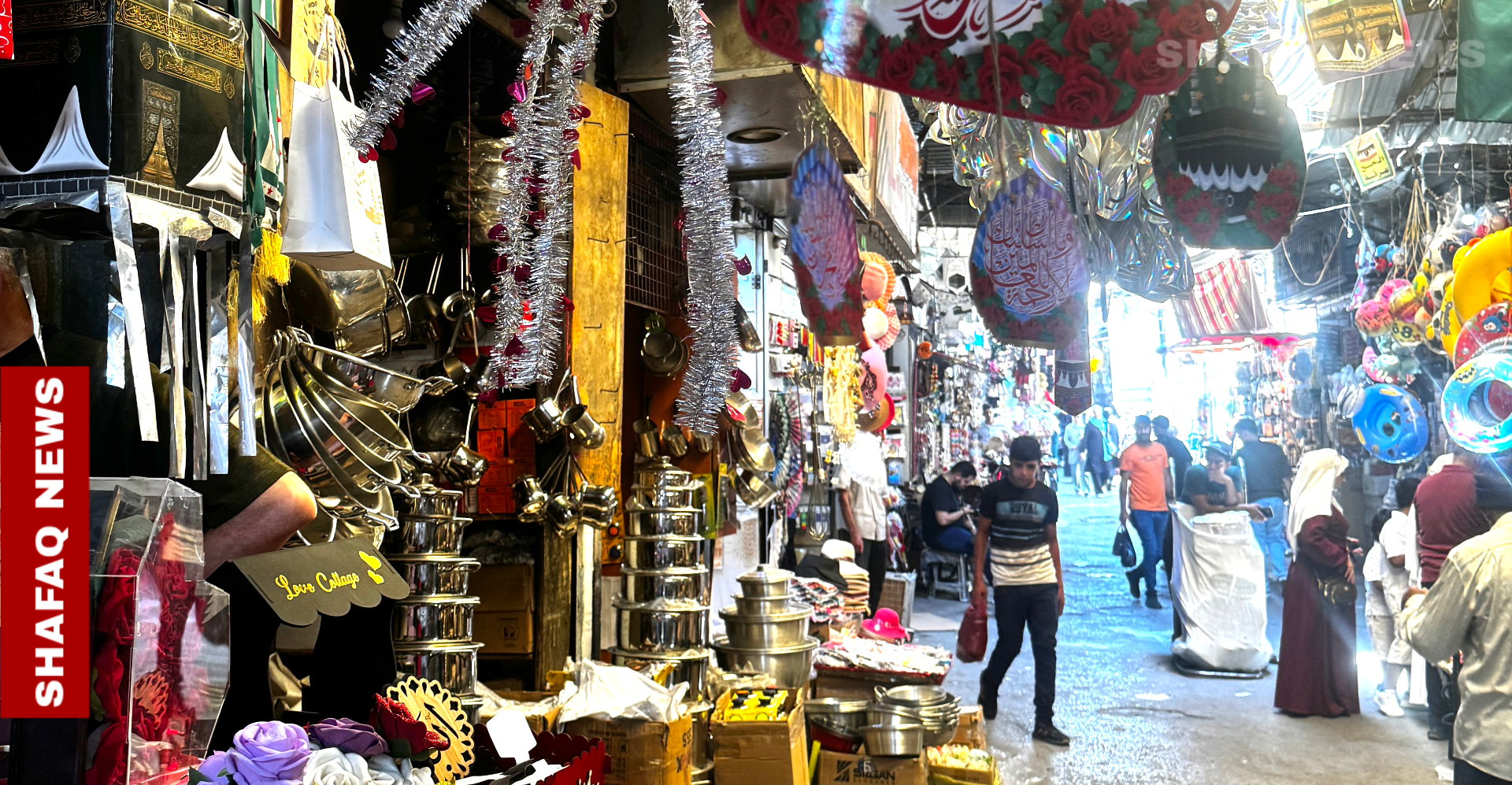
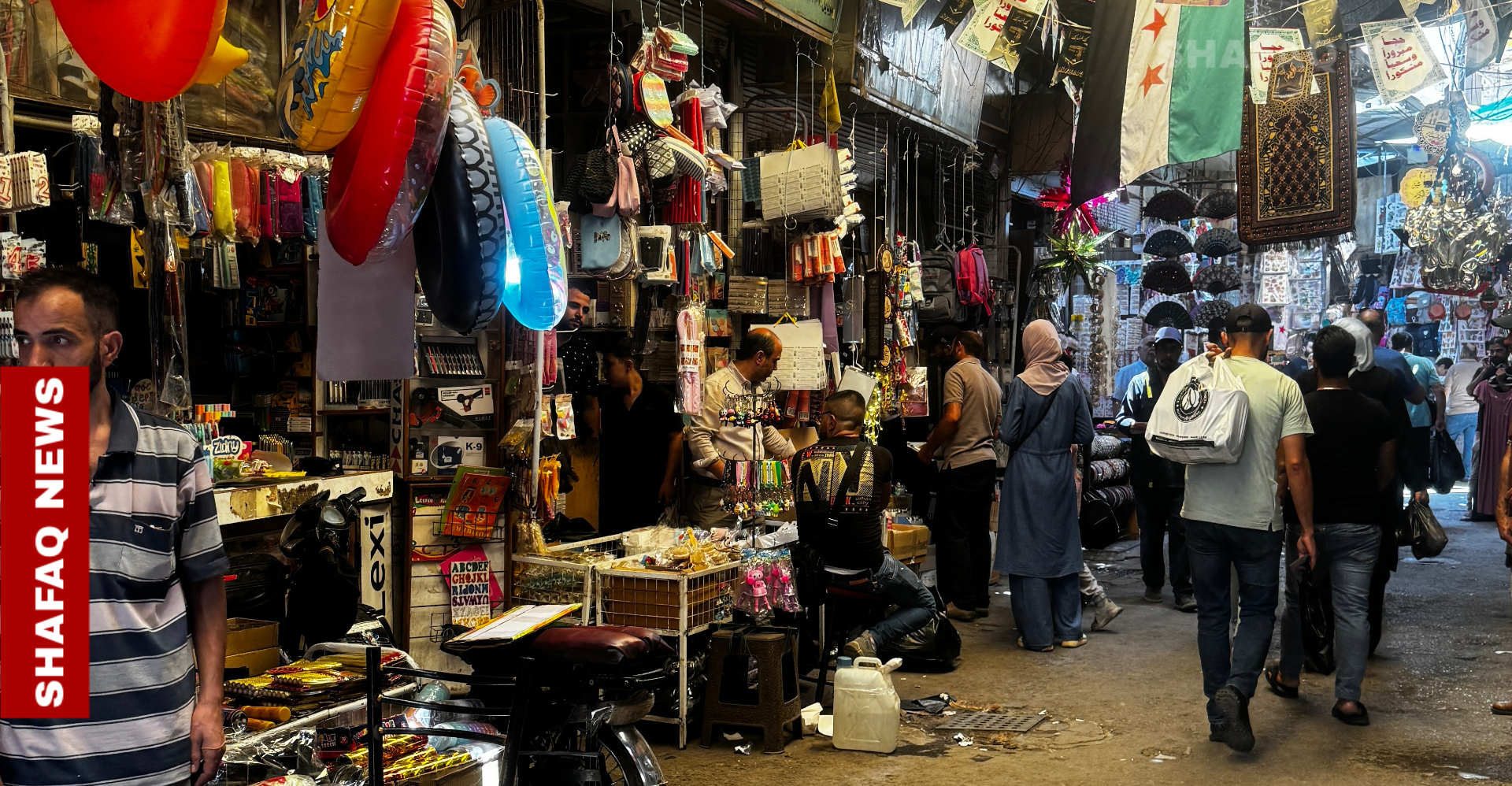
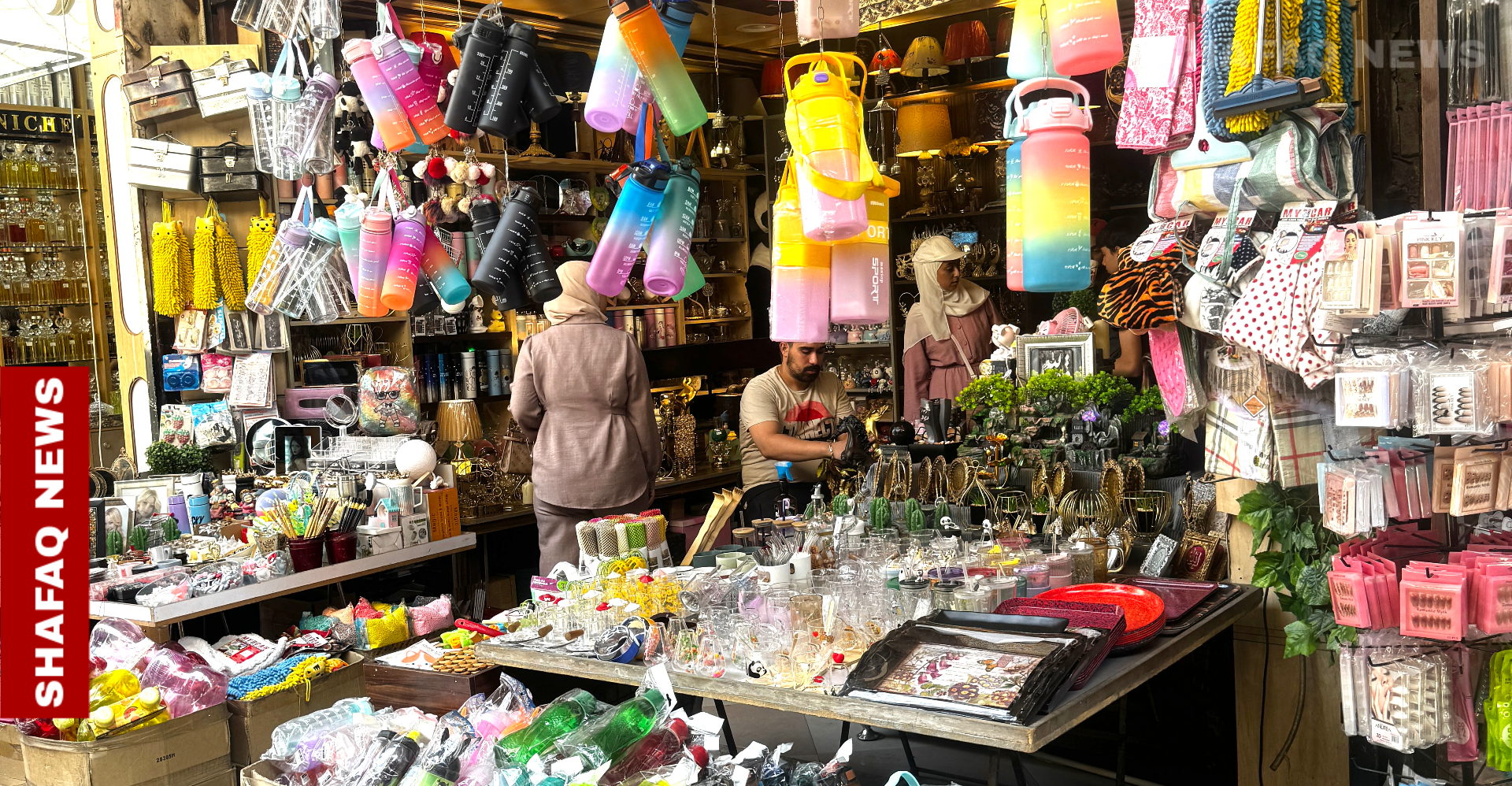
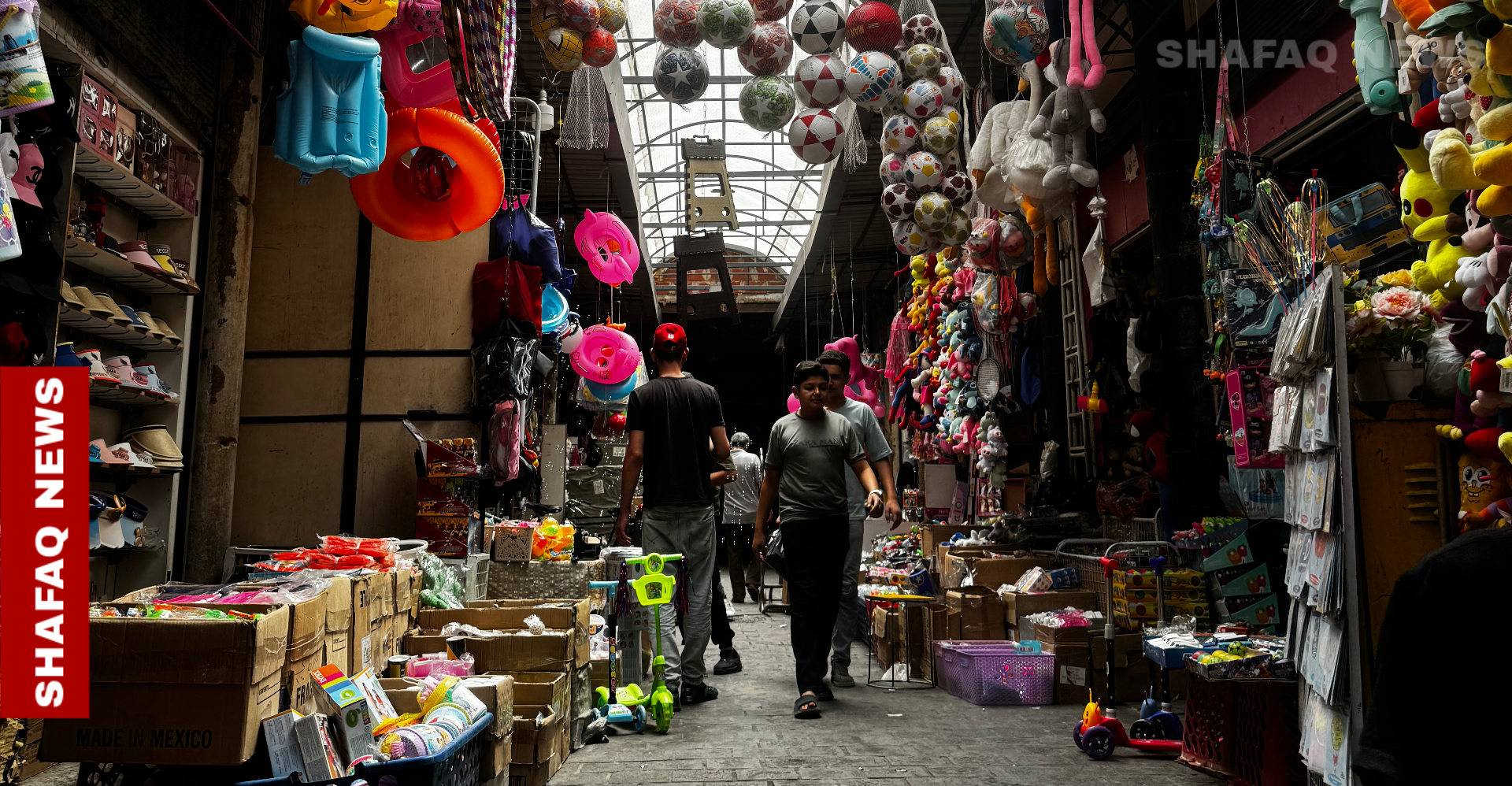
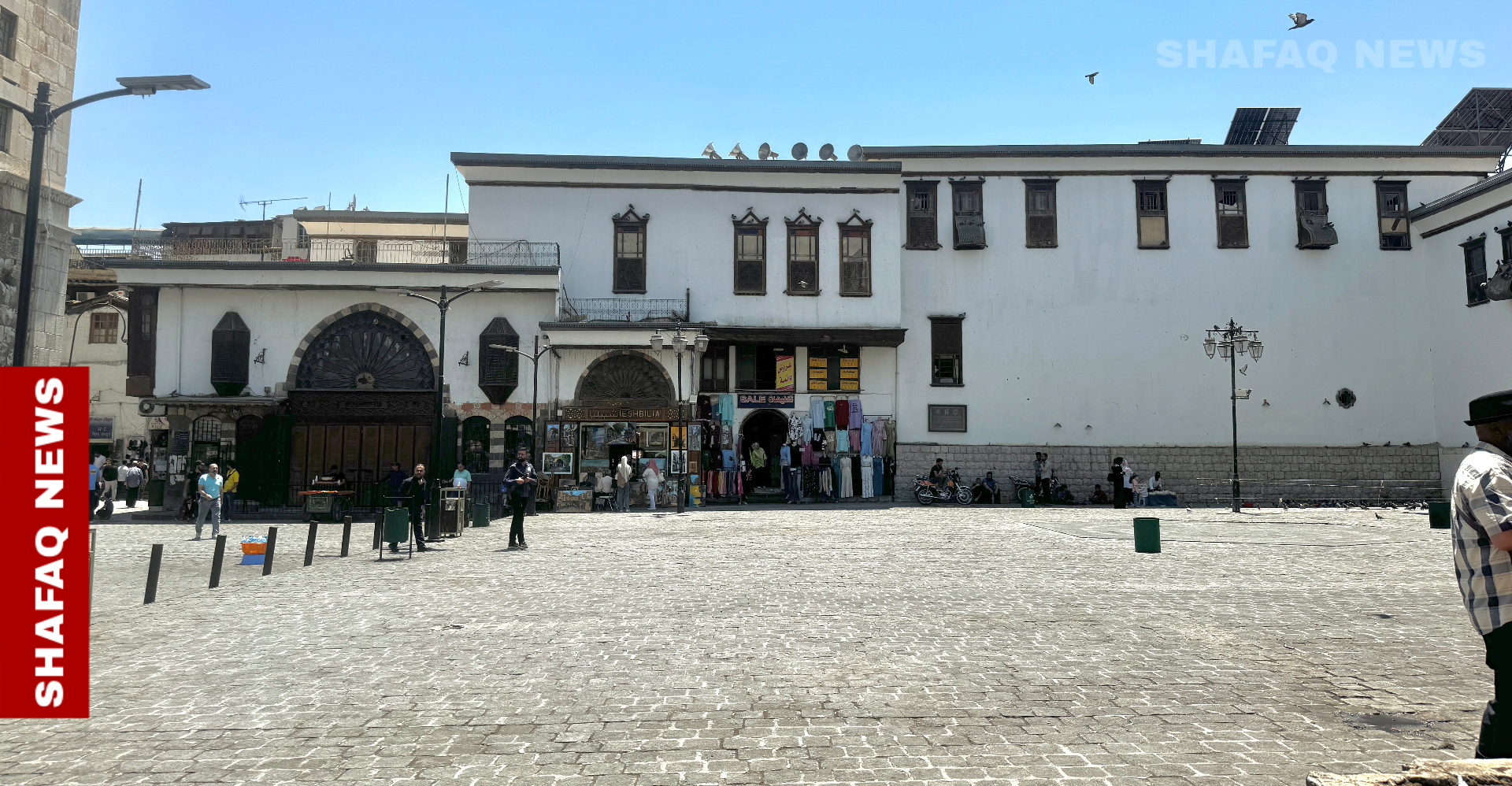
Damascus’ historic Asruniyeh Market is fighting to survive amid rising costs, dwindling tourism, and repeated fires, as restoration efforts continue to preserve one of the city’s oldest and most iconic commercial landmarks.
The market is home to around 120 shops, many of which are
operated by craftsmen and merchants who have inherited the trade across
generations.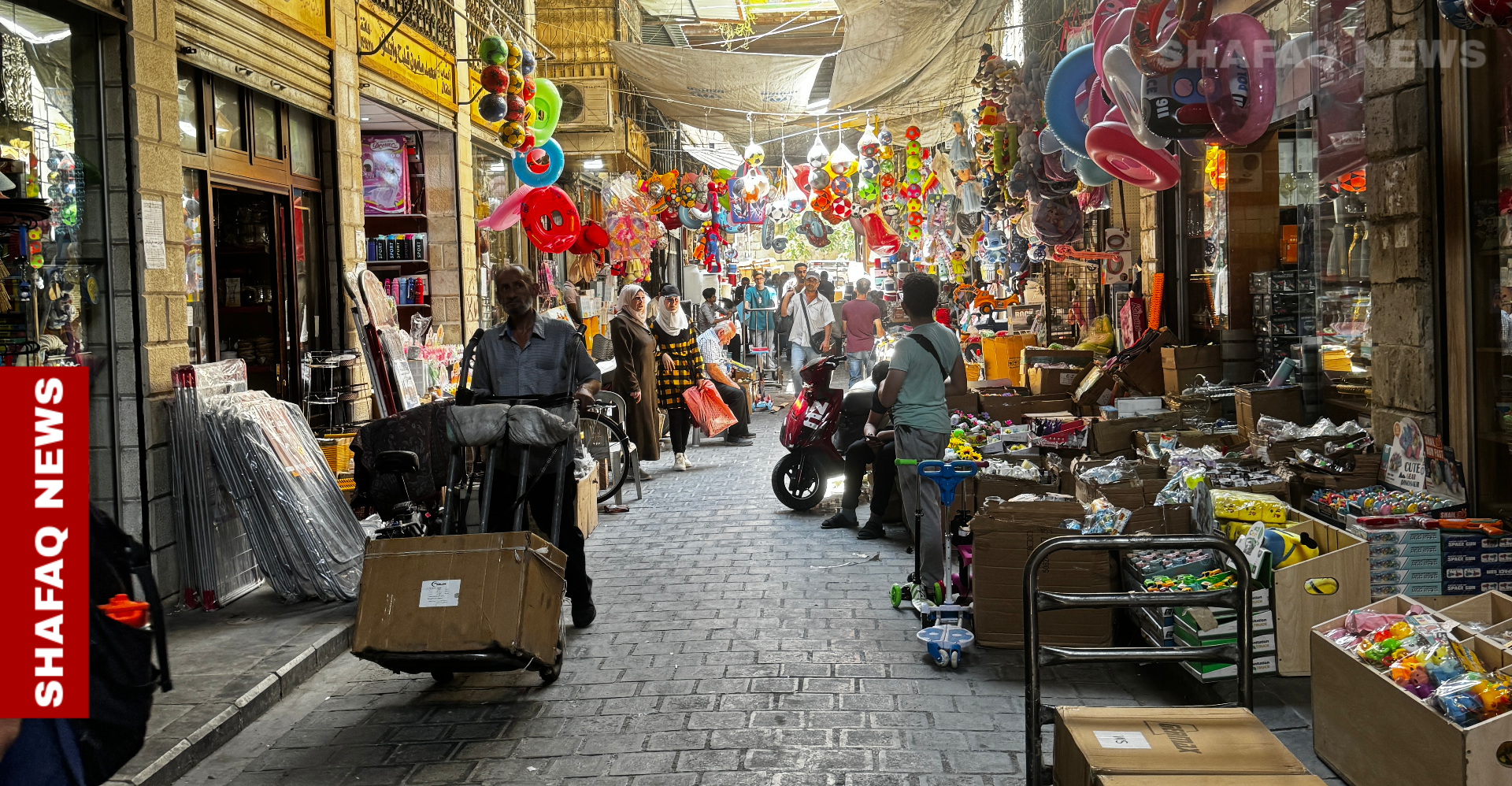
Trade peaks during key seasons, most notably the holy month
of Ramadan, when demand for lanterns, copper lamps, and traditional decorative
items surges. The market also sees increased activity during festive periods,
when residents shop for household items and heritage-themed gifts. Earlier, the
bazaar was a magnet for Arab and foreign tourists who sought souvenirs
reflecting the soul of Old Damascus, but declining tourist numbers have
affected overall business.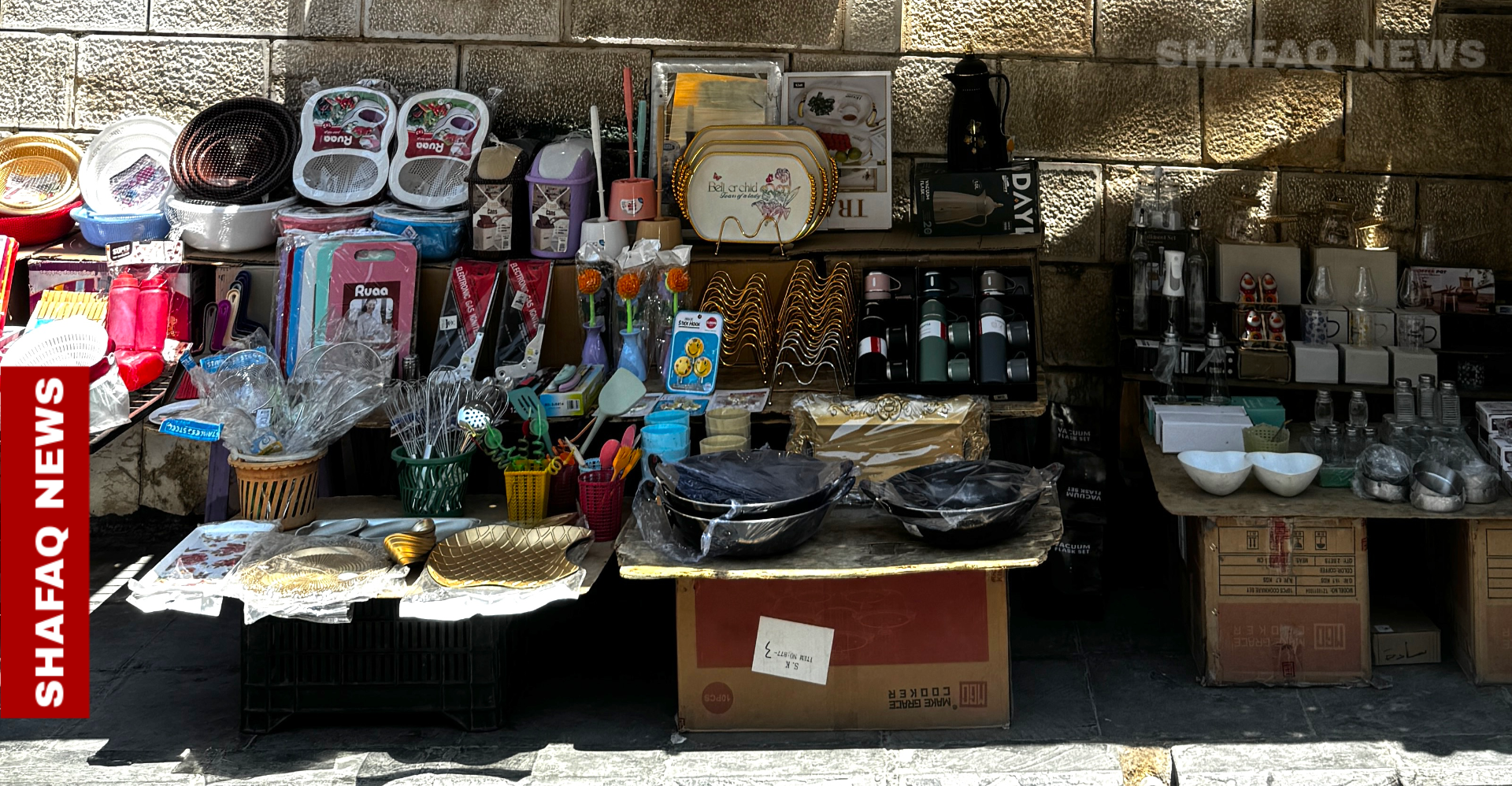
Challenges and Decline
Shopkeepers in Asruniyeh face mounting challenges, including a decline in purchasing power and rising costs of raw materials used by artisans, which have driven up product prices. Fires in recent years have also damaged many workshops and stores, forcing some to shut down temporarily before restoration, adding pressure on traders already struggling under deteriorating economic conditions.
Hassan al-Shawa, Director of the Consumer Protection
Directorate in Damascus, told Shafaq News that the government is working to
provide essential production inputs, including energy sources and materials for
crafts and small-scale manufacturing. He confirmed that authorities are also
striving to reduce fees and taxes on raw materials and to protect local
production—particularly the artisan sector.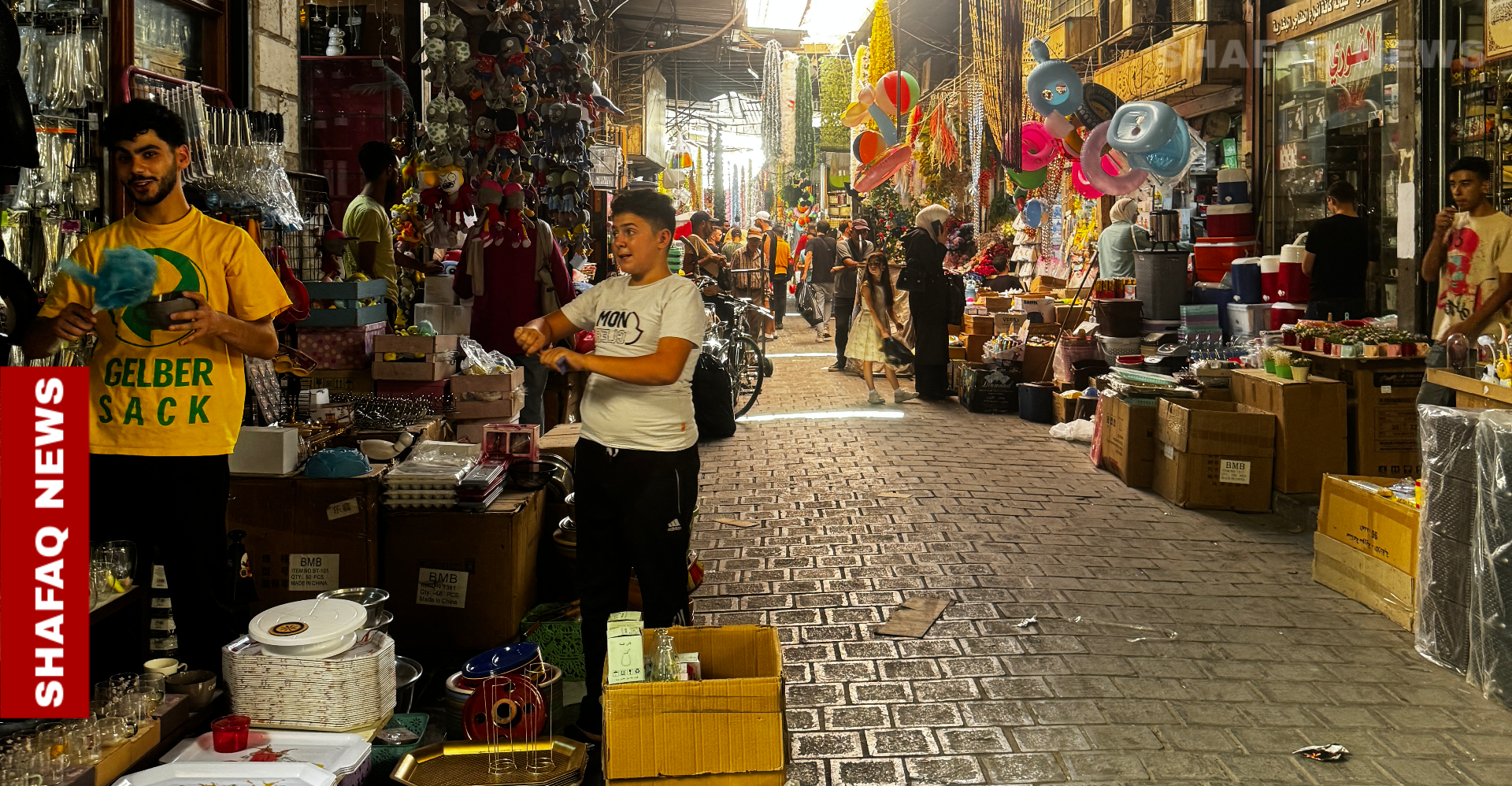
Syrian economic analyst Samer Halabi highlighted the market’s value beyond daily profits. “This market supports entire families and represents a balance between commerce and tradition,” he noted.
Amid its stone alleyways and the sounds of hammers and
chisels, Asruniyeh Market remains a living symbol of Damascene heritage.
Preserving it is not only essential to supporting Syria’s artisan economy but
also to safeguarding the cultural legacy that defines the capital.