Visit Kurdistan: Walk in the footsteps of Shanidar Cave – now a global tourism magnet
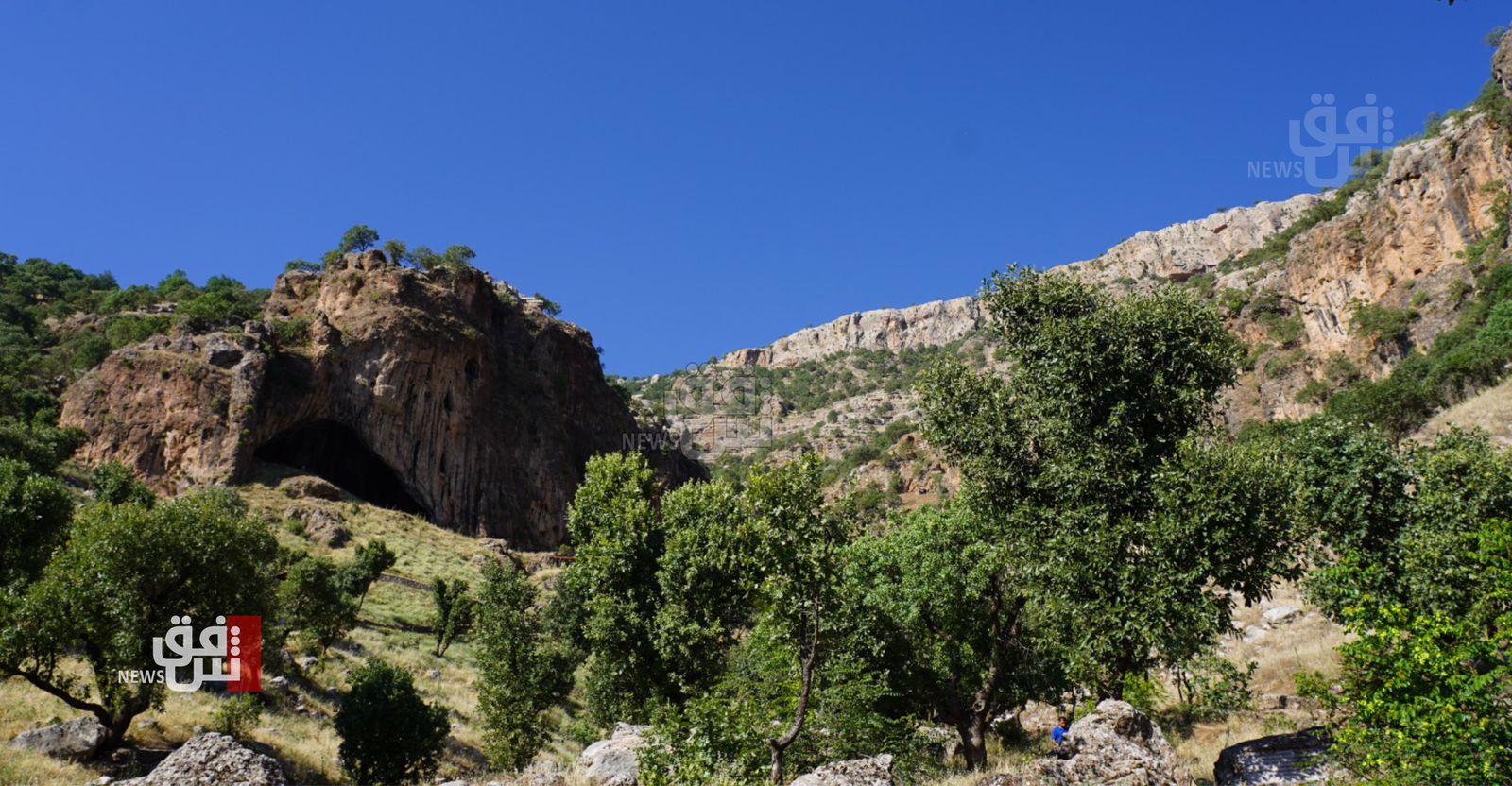


Shafaq News/ Tucked into the rugged
cliffs of Bradost Mountain in Erbil, the capital of Iraqi Kurdistan, Shanidar
Cave (Neanderthals) stands as one of the world’s most significant
archaeological treasures. For decades, it has drawn historians, archaeologists,
and adventure seekers. But today, this ancient wonder is witnessing a
remarkable revival in global interest—thanks to the recent BBC-produced
documentary “The Real Neanderthal” streaming on Netflix.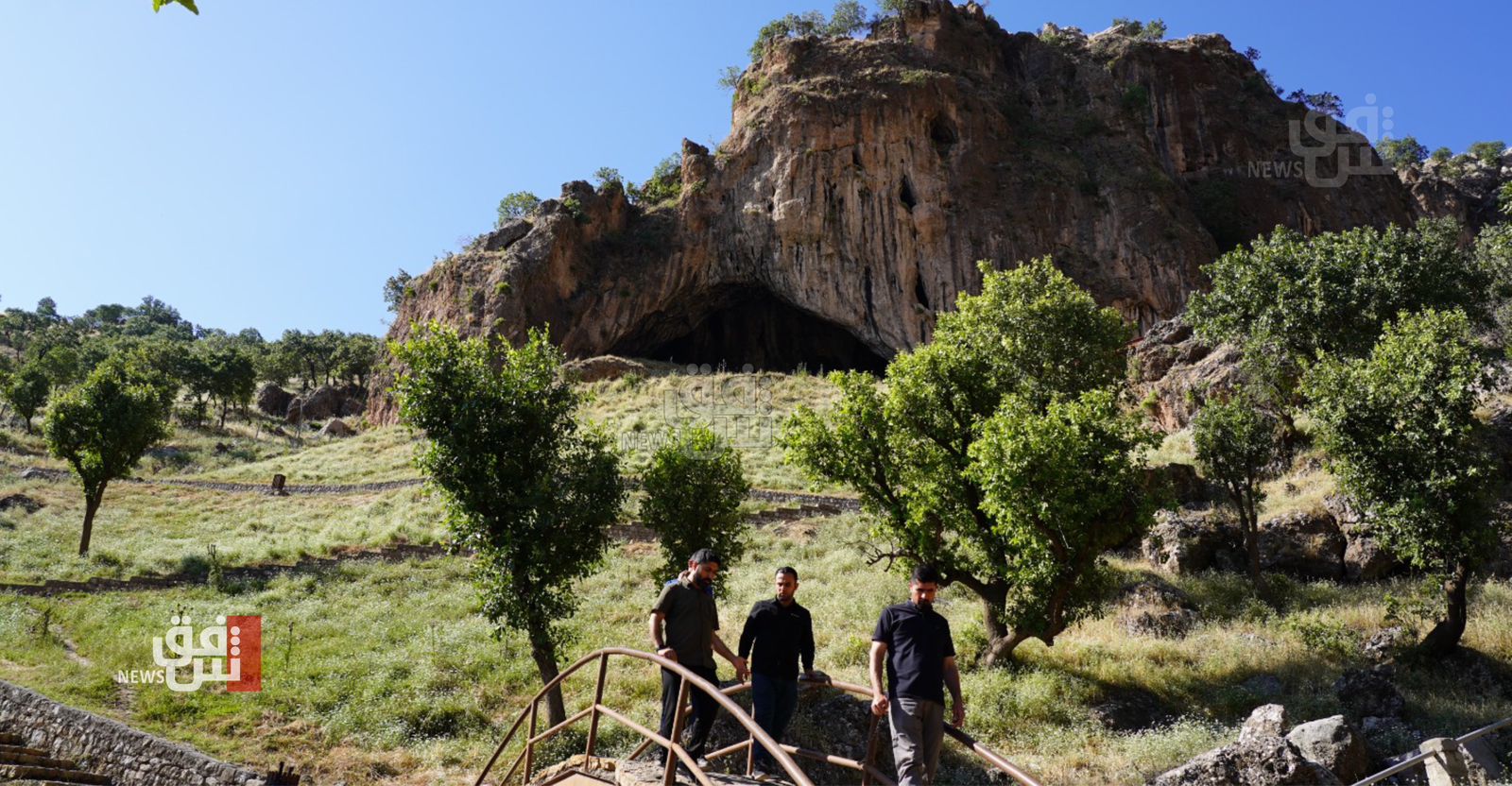
Unearth the Past at Shanidar Cave
First excavated in the 1950s by archaeologist Ralph Solecki, Shanidar Cave gained international fame with the discovery of ten Neanderthal skeletons dating back 35,000 to 65,000 years. One particular find, Shanidar IV, sparked global intrigue due to the “flower burial”—a possible sign of ritualistic funerals among Neanderthals that challenged long-held beliefs about their intelligence and emotional depth.
Alongside the Neanderthal remains,
archaeologists have uncovered more than 30 proto-Neolithic skeletons from
around 10,600 BCE, offering a rare, continuous glimpse into early human life
and death.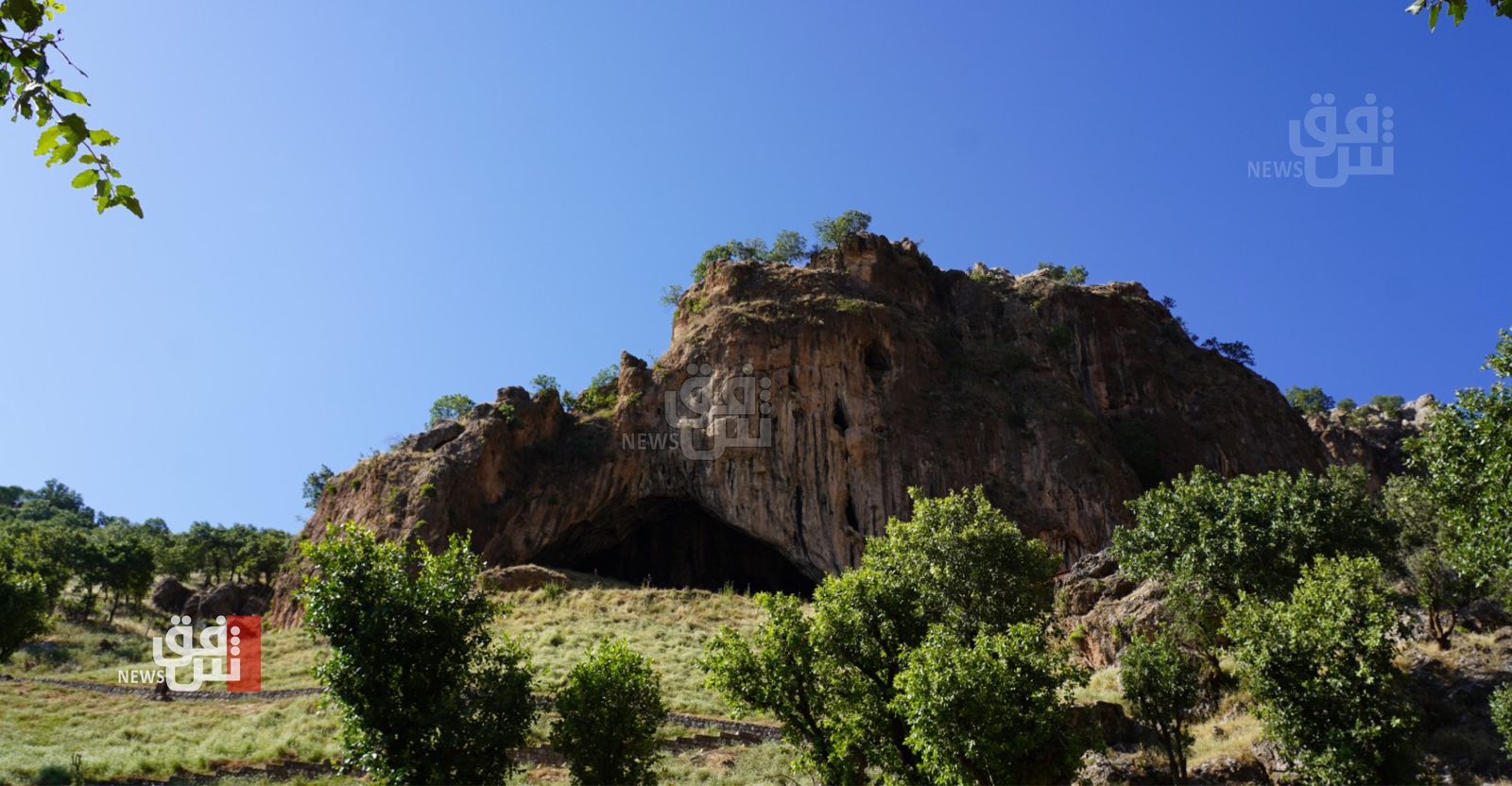
A Tourism Renaissance Sparked by Netflix
According to the Directorate of Antiquities in the Soran Independent Administration, the documentary has dramatically boosted interest in the cave. Abdul Wahab Suleiman, head of the Directorate, told Shafaq News that following the film’s release, more than two billion people worldwide searched for “Kurdistan” online—driven by curiosity about the cave’s ancient secrets.
“Thousands of interested individuals now want to visit this historical site to see firsthand where Neanderthals lived,” he noted.
In response to this surge, the local
government—working in coordination with the University of Cambridge and the
Erbil General Directorate of Antiquities—is launching a new tourism development
plan. Projects include a dedicated archaeological museum near the site and a
cable car to transport visitors from the mountain base directly to the cave
entrance. These enhancements aim to turn Shanidar into a world-class heritage
and tourism destination.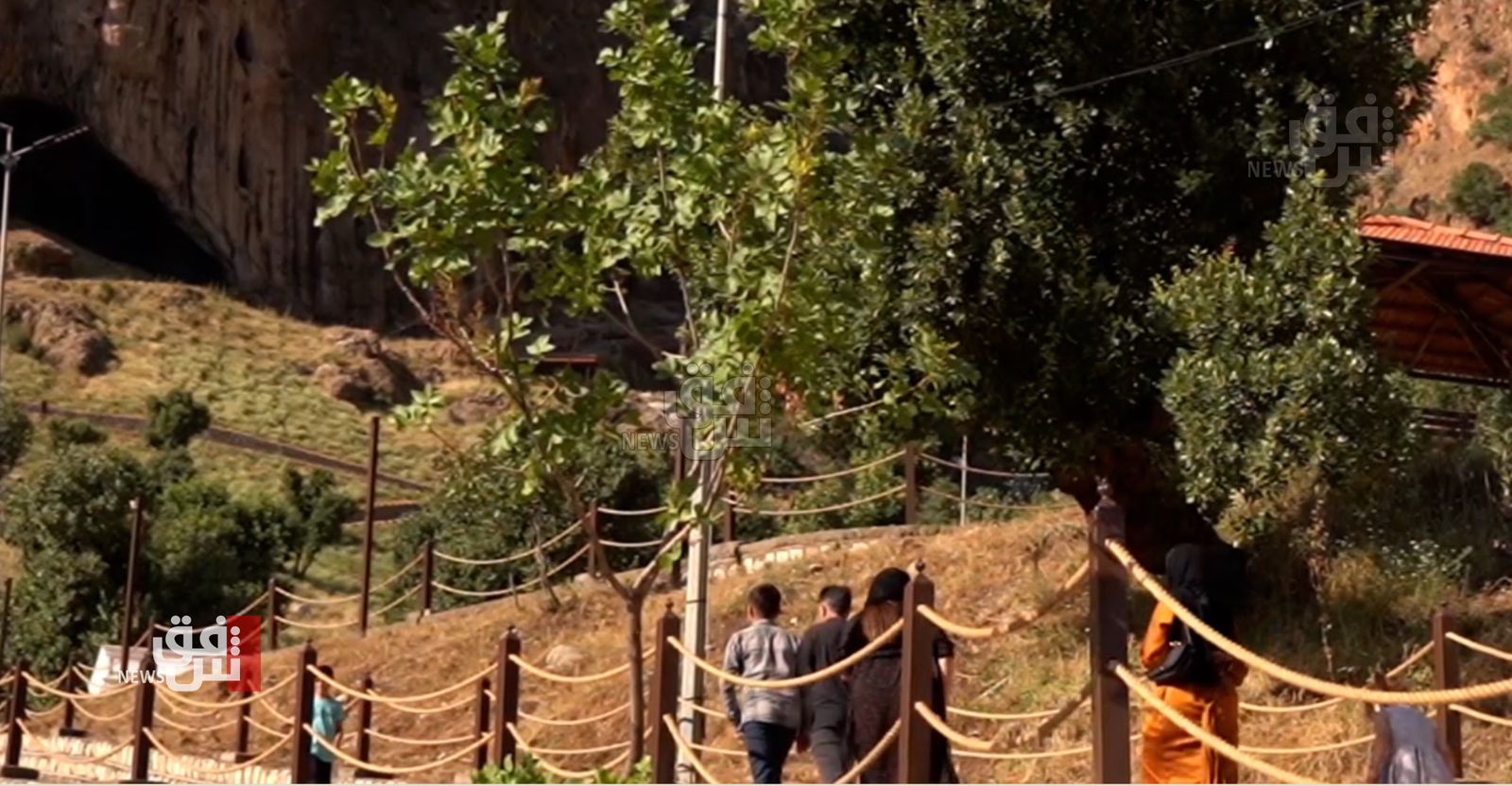
A Journey into Prehistoric Wonders
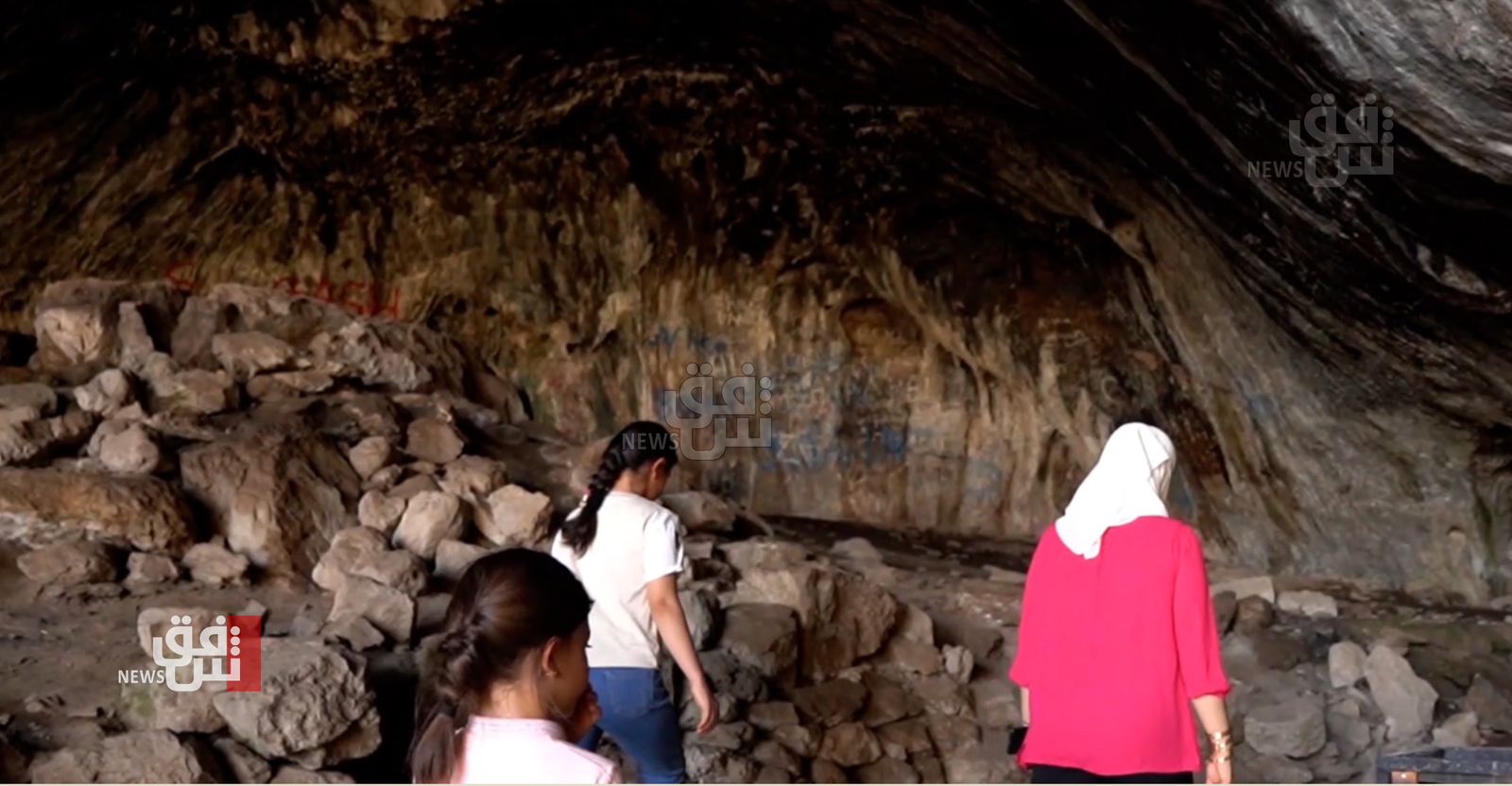
Set approximately 2,200 feet (670 meters) high in the Zagros Mountains, the cave is a scenic three-hour drive from Erbil International Airport. Though the final stretch includes winding mountain roads, the journey rewards visitors with breathtaking vistas and a profound sense of timelessness.
Inside, travelers can explore its vast chambers and intricate rock formations. Guided tours bring to life the scientific importance of the site, while surrounding trails offer hiking opportunities for nature lovers and photography enthusiasts.
Visitor Farhad Hussein, who came
with his family after watching the Netflix documentary, expressed enthusiasm
but also highlighted gaps: “We have a great interest in knowing what’s inside
this cave. But unfortunately, there are no tourist facilities here. We hope the
government pays more attention to this area.”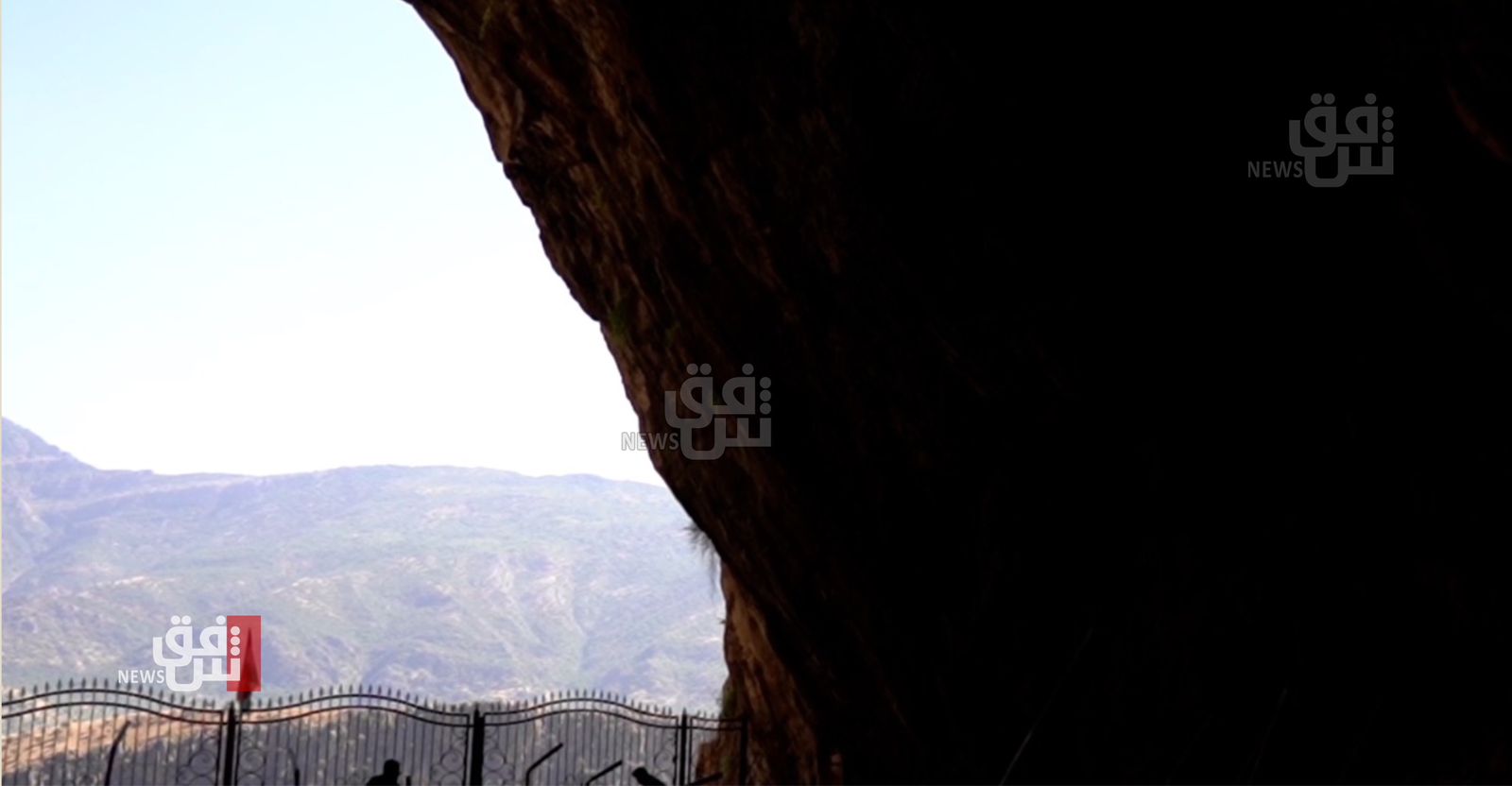
Planning Your Visit
Spring (March–May) and autumn (September–November) offer the most pleasant conditions for hiking and sightseeing. Summers can be extremely hot, with temperatures soaring above 40°C (104°F), while winters may bring snowfall and cold winds across the mountains.
Wear durable footwear for the rocky
terrain, bring water for the hike, and carry a flashlight for navigating the
cave’s darker passages.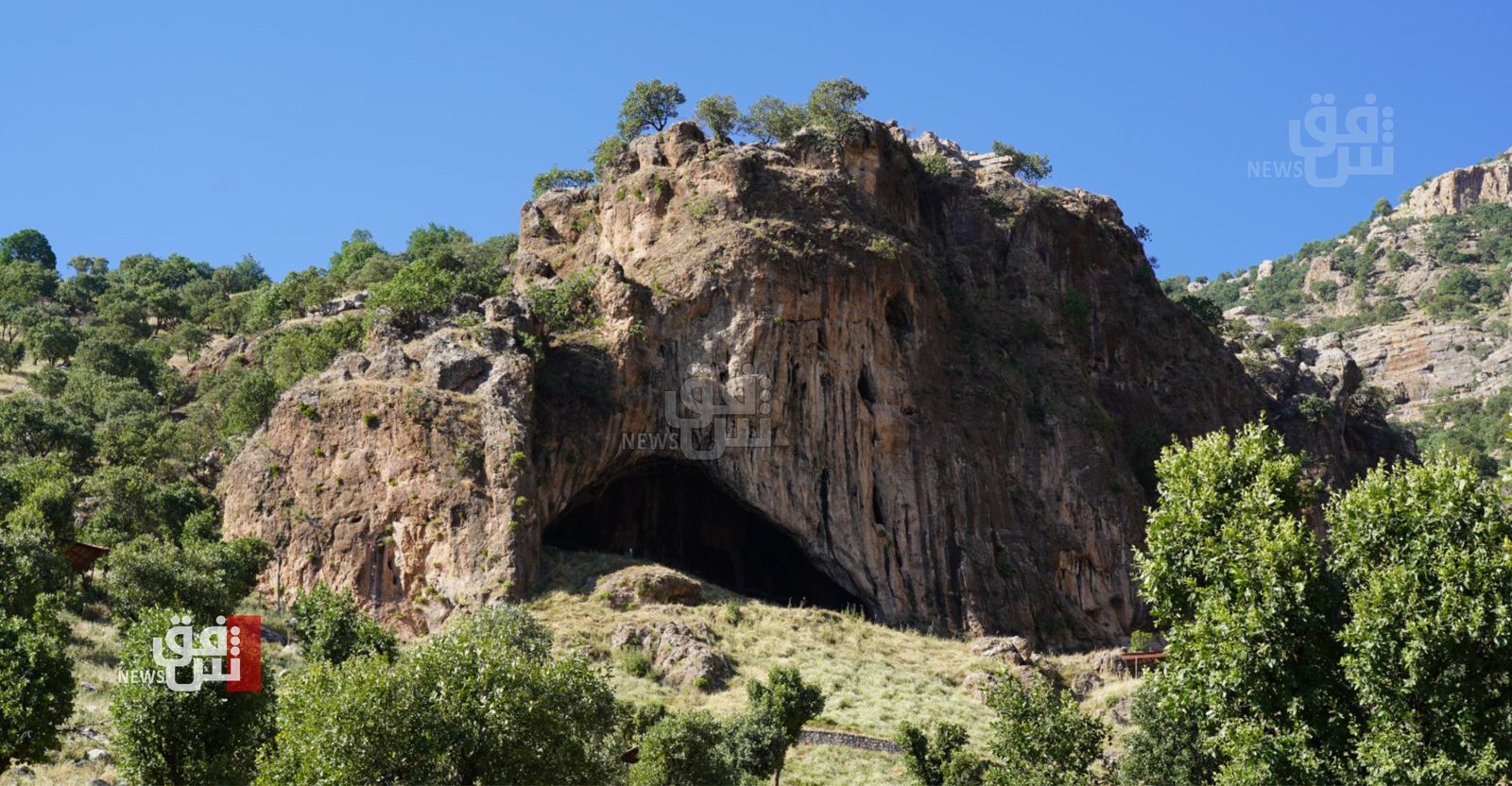
Why Shanidar Matters
Shanidar Cave is more than an archaeological site—it is a portal into humanity’s prehistoric journey. With its stunning natural setting and profound historical significance, it bridges the ancient with the modern. Now, with the eyes of the world turning toward Iraqi Kurdistan, Shanidar offers travelers not just a destination, but an unforgettable story etched into stone.
Whether you're tracing the footsteps
of Neanderthals, experiencing a cultural renaissance, or simply soaking in the
majesty of the Bradost Mountains, a visit to Shanidar Cave promises an
experience that will echo through memory—just as it has echoed through
millennia.