Meat prices take opposite paths in Erbil and Al-Sulaymaniyah


Shafaq News- Erbil/ Al-Sulaymaniyah
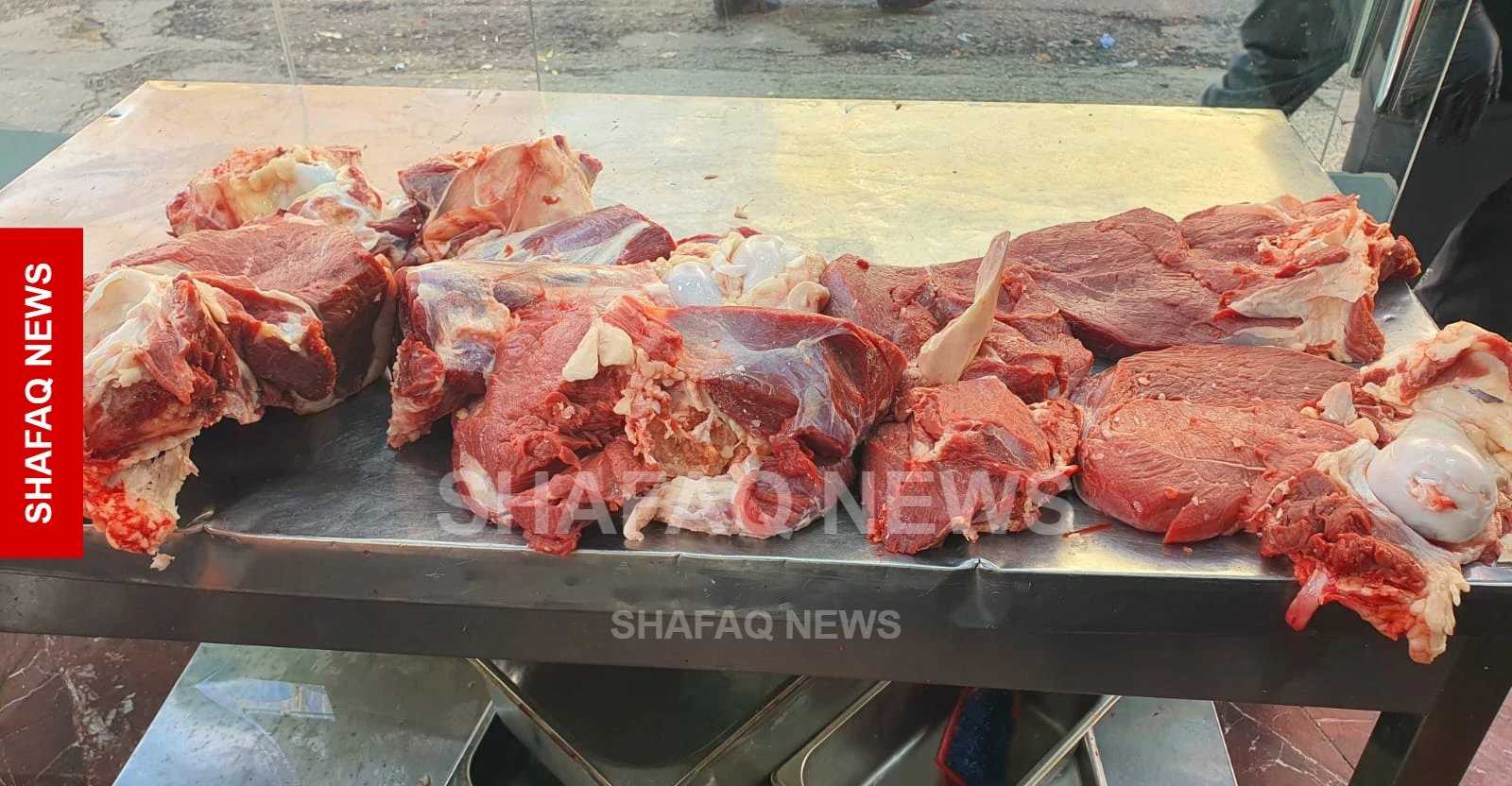
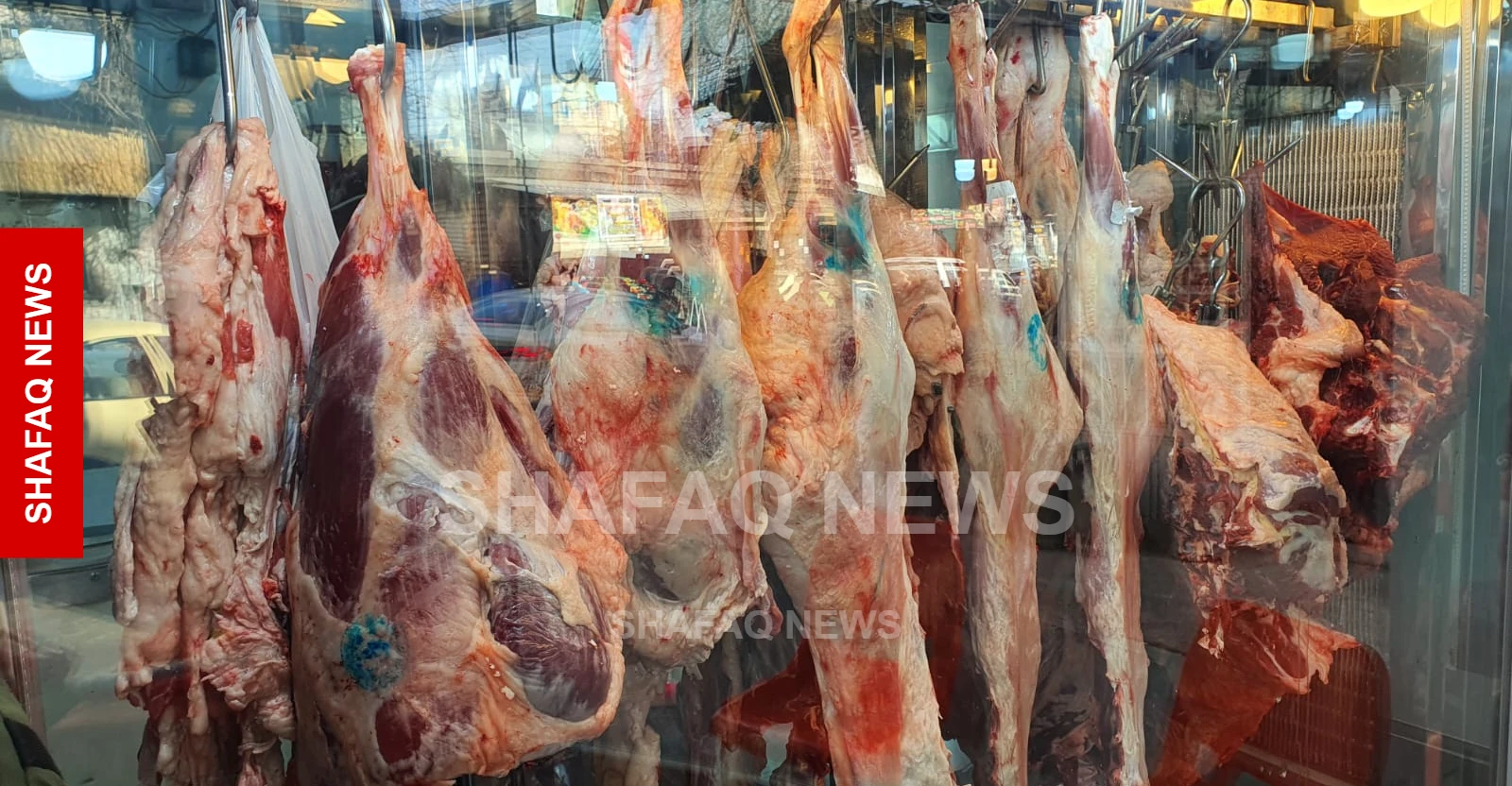
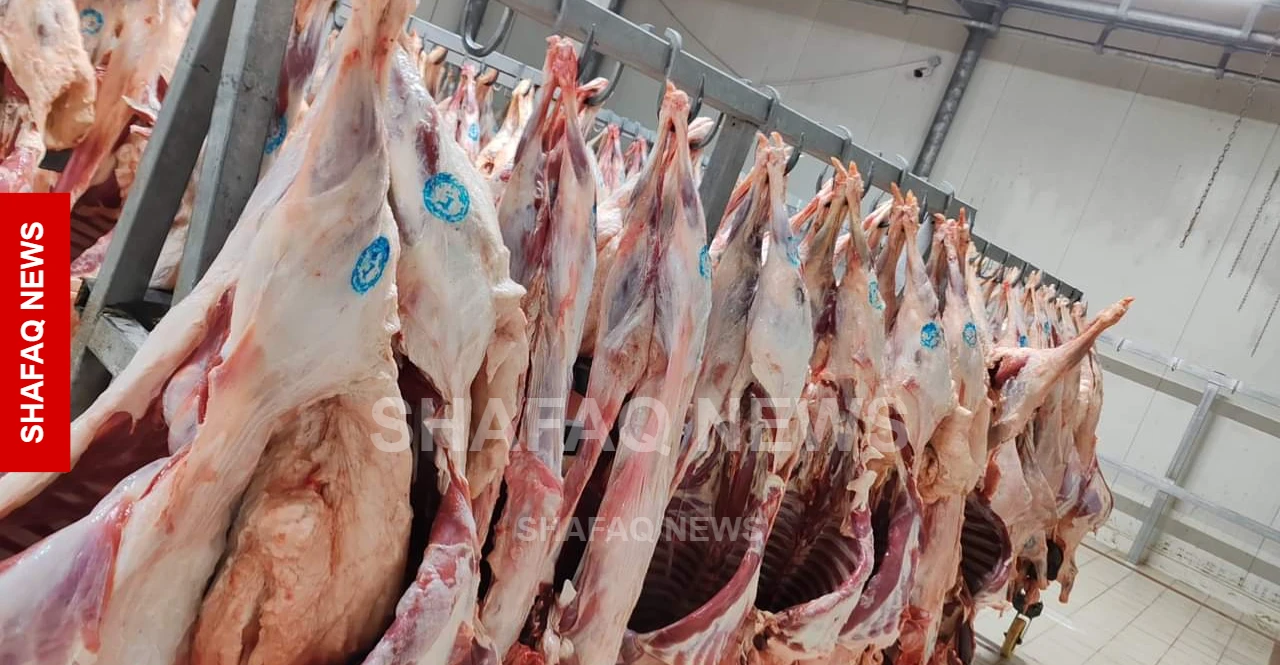
Red meat prices have risen again in Erbil, the capital of the Kurdistan Region, putting further pressure on household budgets.
Erbil resident Hemen Qadir told Shafaq News on Sunday that continued price increases have made it difficult for middle- and low-income families to buy meat as regularly as before, with prices now exceeding 19,000 dinars (about $14.5) per kilogram. He called for wider imports, direct support for livestock breeders and stronger market oversight to address price differences between areas.
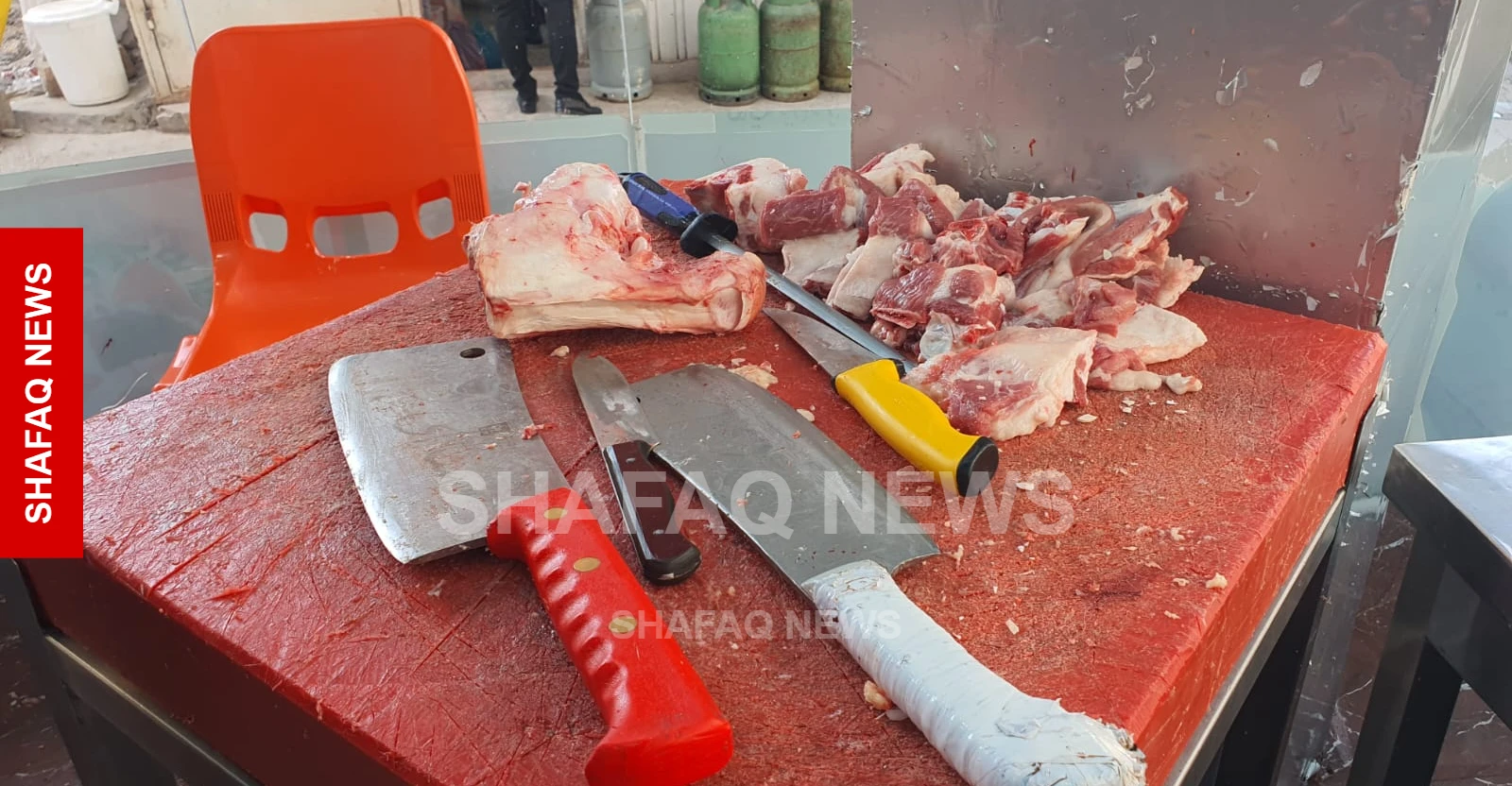
Saman Surchi, a livestock trader in Erbil, attributed the increase to a decline in the supply of locally raised livestock amid higher prices for animal feed and veterinary supplies, as well as rising transport and fuel costs. Surchi told Shafaq News that boneless meat sells for up to 21,000 dinars (about $16) per kilogram, while bone-in meat costs around 17,000 dinars (about $13). He said livestock brought in from neighboring provinces or imported from abroad is subject to fees and regulations that increase costs.
Prices fall in Al-Sulaymaniyah
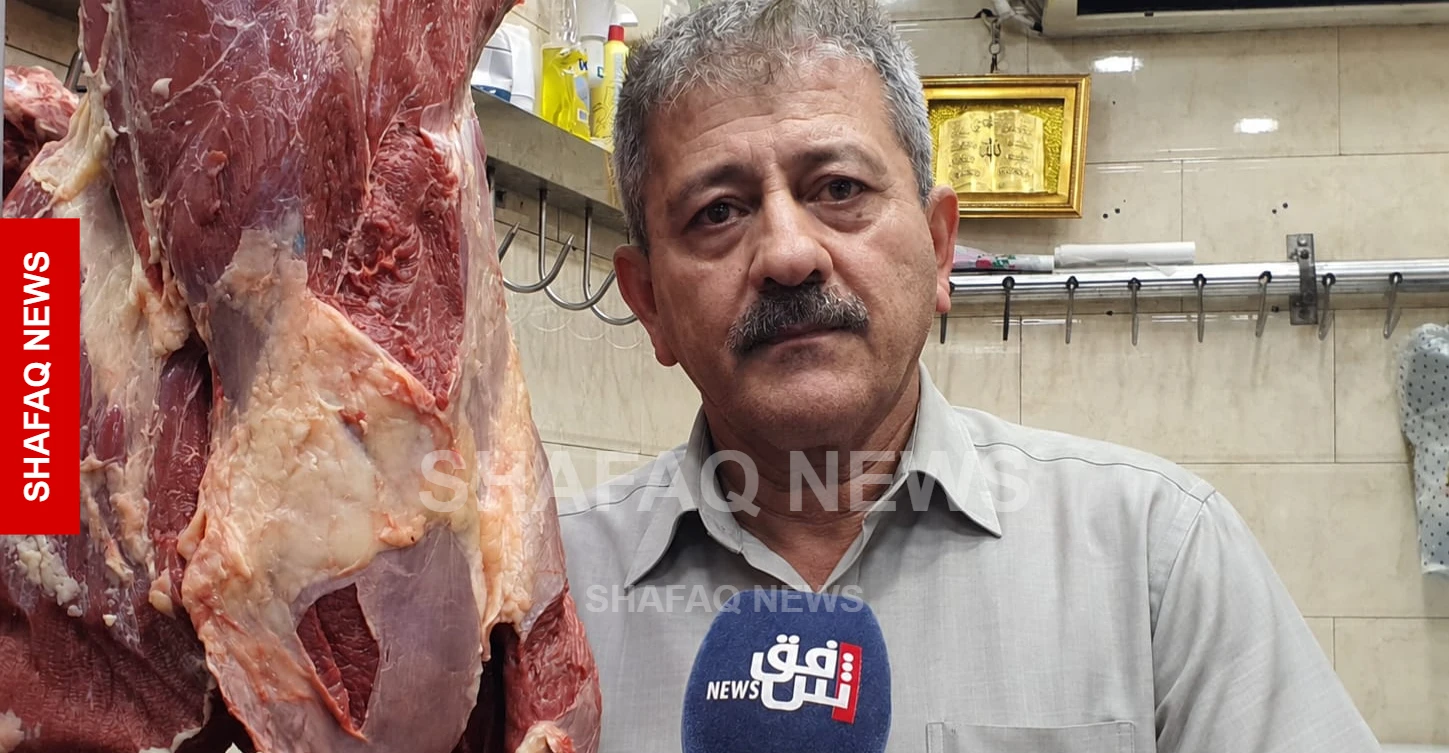
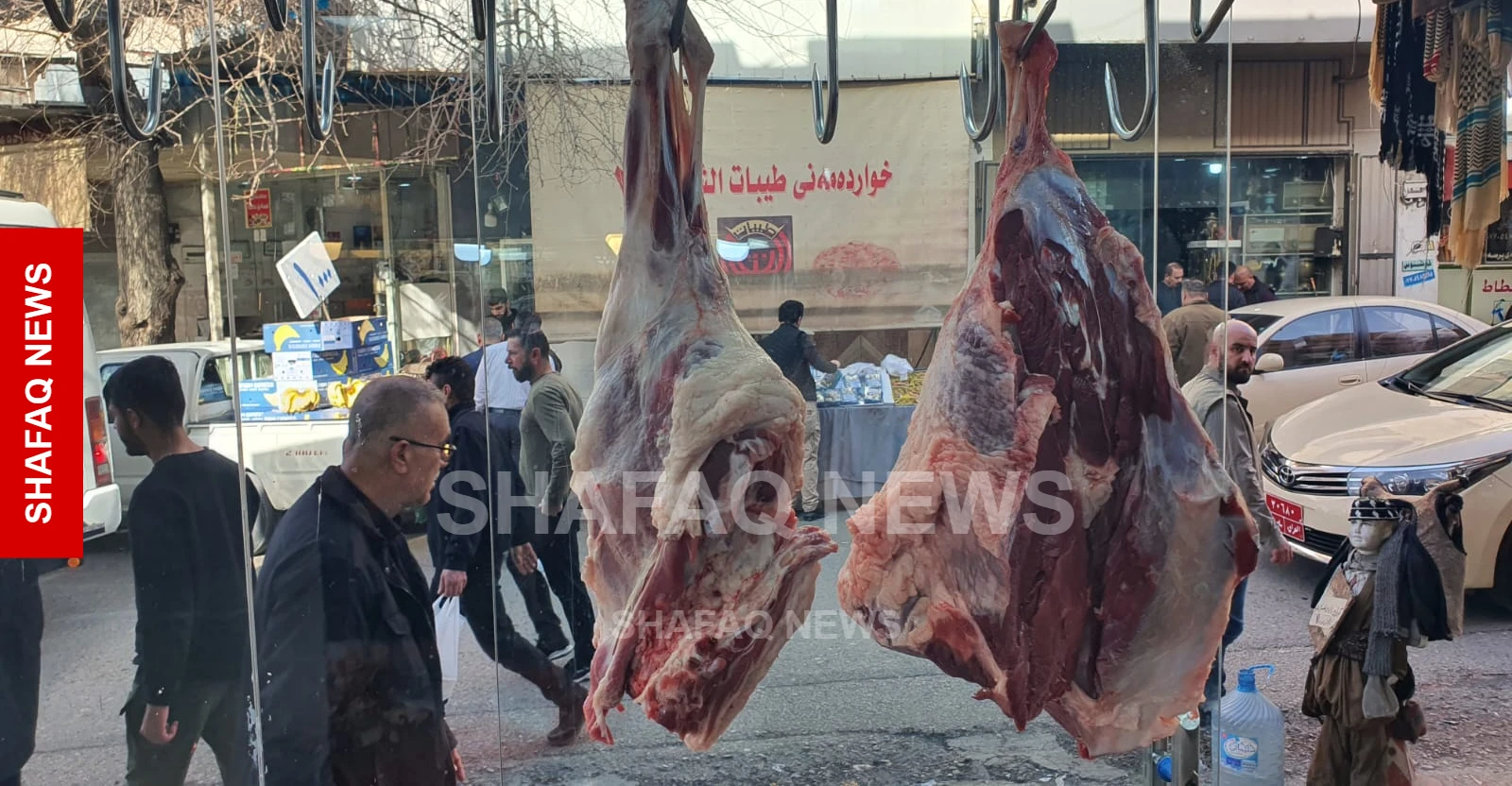
The trend differs in Al-Sulaymaniyah, where lamb prices have declined from around 27,000 dinars (about $20.6) per kilogram to about 25,000 dinars (about $19.1) or less in some cases, Asso Omar, a representative of the city’s butchers’ market, told Shafaq News. Veal prices currently range from about 10,000 (about $7.6) to 22,000 dinars (about $16.8) per kilogram depending on the type, quality and cut.
Omar attributed the decline largely to weaker purchasing power, saying meat sales in Al-Sulaymaniyah have fallen to very low levels. Consumers are increasingly turning to cheaper alternatives, including imported meat and chicken, amid economic pressures, delayed salary payments and mounting household expenses, he added.
Read more: KRG: Baghdad underfunded Kurdistan salaries by ~$60 million
Weaker demand was not the only factor shaping prices. Livestock traders have also faced customs restrictions, changes to import routes and border controls. Omar said markets previously received sheep and goats through Syria, but political and security developments there have disrupted that trade, while restrictions along the Iranian border have further disrupted livestock flows.
With sales falling, traders and butchers have reduced prices and profit margins to maintain sales, according to Omar.
Economic observer Arslan Mohammed suggested that security developments along the Kurdistan Region-Iran border may have increased livestock flows outside regular commercial channels. He said Iranian authorities’ focus on security developments in border areas could weaken oversight of some smuggling routes, which tend to become more active during periods of instability.
The resulting increase in supply, combined with weak demand, could help explain the recent drop in prices, Mohammed said.