Iraq's water crisis deepens: Kurdistan’s iconic waterfall dries up


Shafaq News - Erbil
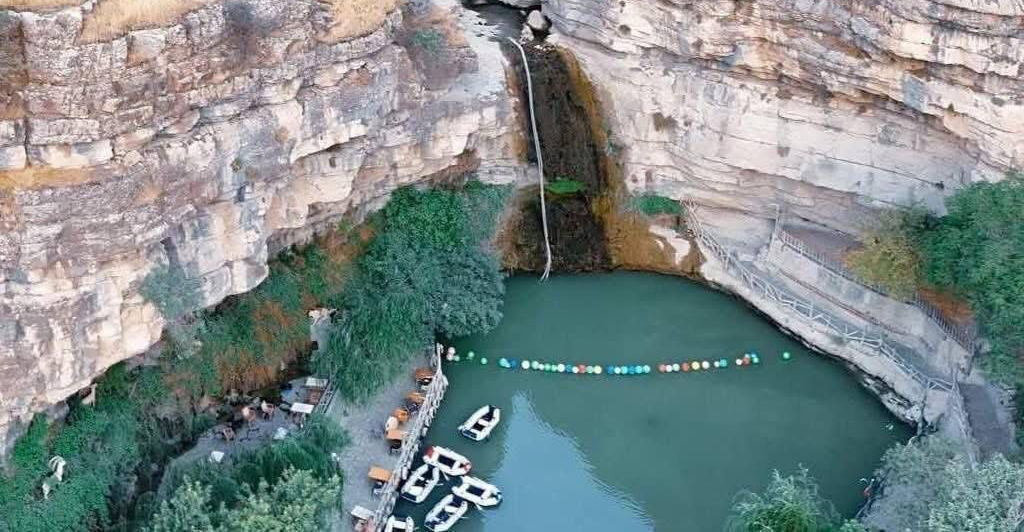
The Gali Ali Beg waterfall, one of the Kurdistan Region’s best-known natural landmarks, has dried up completely for the first time in living memory, amid a severe water crisis in Iraq.
The once perennial waterfall, fed by mountain springs, seasonal rains, and small tributaries, has lost all natural inflows this year, environmental specialists confirmed. Prolonged drought, reduced precipitation, and sustained high temperatures have pushed water systems in the region to a critical threshold.
“This is not an isolated case, it’s a symptom of escalating ecological collapse,” environmental expert Abdulhamid al-Jaf told Shafaq News, warning of disruptions to biodiversity, agriculture, and tourism.
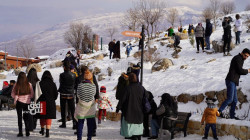
Tourism workers reported a sharp decline in visitor numbers. “Business has collapsed,” said Kawa Mohammed, who works in the hospitality sector. Local hotels, restaurants, and tour agencies have recorded their worst performance in years.
Residents also expressed alarm, describing the waterfall’s disappearance as unprecedented and emblematic of the region’s changing climate.
The crisis extends beyond Gali Ali Beg. Dukan Dam in al-Sulaymaniyah province has fallen to just 24% of its total storage capacity (approximately 1.6 billion cubic meters), its lowest level in over two decades.
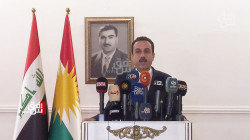
“The annual decline reached 30%,” dam director Kojar Jamal told Shafaq News, attributing the drop to a season that brought only 220 mm of rainfall, well below the historical average of 600 mm.
Pressure Mounting
Iran’s construction of several dams—such as Daryan, Garan, and Shahid Kazemi—on tributaries feeding the Sirwan and Little Zab rivers has drastically lowered inflows to Iraqi reservoirs, said water policy analyst Ali al-Bayati.
Turkiye has also implemented similar upstream restrictions through major dams on the Tigris and Euphrates. Experts estimate Iraq has lost more than 50% of its river inflows over the past two decades, impacting strategic reserves and drinking water supplies.
Beyond external factors, experts point to Iraq’s limited water planning capacity and the absence of binding water-sharing agreements with neighboring states.
“Iraq lacks both an enforceable framework for regional cooperation and a unified national water strategy,” al-Bayati noted, urging authorities to prioritize transboundary negotiations, investment in harvesting infrastructure, and emergency conservation measures.