Internal Kurdish rifts jeopardize Iraq's Presidency bid


Shafaq News- Al-Sulaymaniyah
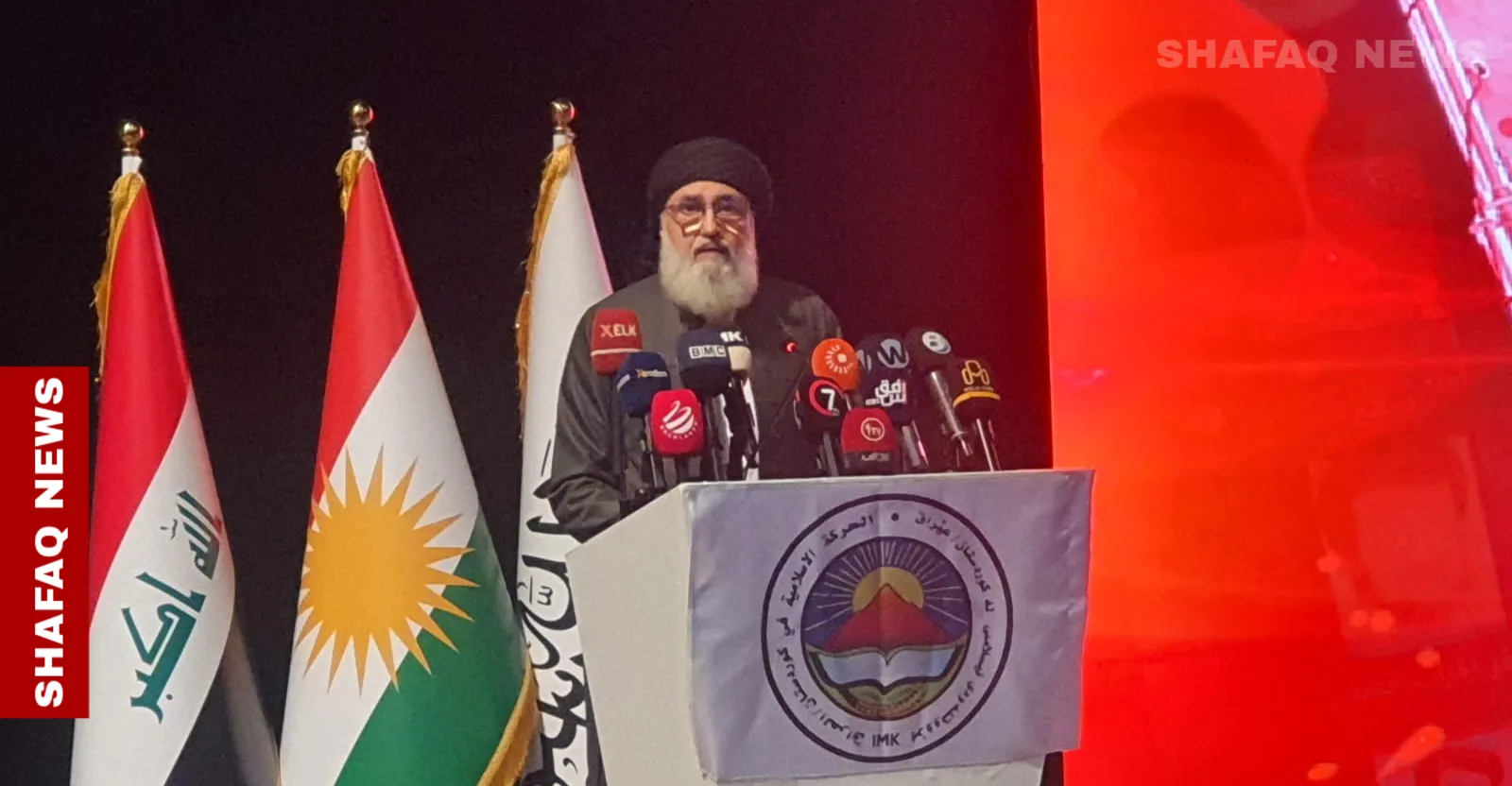
Divisions within the Kurdish component are a major obstacle to resolving key issues related to Kurdish rights, Irfan Ali Abdulaziz, the General Guide of the Islamic Movement in Kurdistan, warned on Saturday, cautioning that the split could affect constitutional entitlements, including the presidency.
At a press conference, Abdulaziz pointed out that the election of the second deputy speaker of parliament, a post allocated to the Kurdish component, revealed the extent of the split among Kurdish parties, in contrast to the Shiite and Sunni blocs, ''which entered the political process with a single agreed-upon candidate and secured their positions without obstacles.''
He predicted that a similar scenario is likely to unfold in the coming days when the presidency is decided.
Noting that the consequences of these disputes fall directly on the Kurdish population, he urged the Region's political forces to implement responsible and lasting solutions to these crises and ‘’end the suffering of citizens in the Kurdistan Region.’’
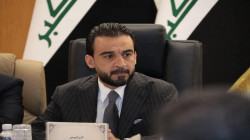
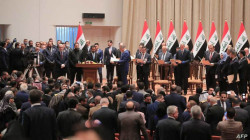
Earlier this week, lawmakers elected Haibet Al-Halbousi as speaker and Adnan Fayhan as first deputy speaker. Two rounds of voting to select the second deputy speaker however, failed to produce a result, prompting a third round which saw Farhad Atrushi of the Kurdistan Democratic Party (KDP) elected to complete the parliamentary leadership.
KDP leader Masoud Barzani previously proposed that the Iraqi presidency be filled by a candidate chosen collectively by Kurdish parties and political blocs, rather than remaining limited to competition between the KDP and the Patriotic Union of Kurdistan (PUK), the Region’s two main political parties.
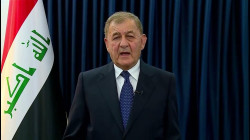
Since 2005, the Iraqi presidency has been held by figures from the PUK, beginning with Jalal Talabani, followed by Fuad Masum, Barham Salih, and the current president, Abdu Latif Rashid.
Under existing procedures, once Iraq’s parliament elects a speaker, the nomination process for the presidency begins. Parliament must then choose a president within a maximum of 30 days from the first parliamentary session.
A candidate must secure a two-thirds majority in the first round of voting, or a simple majority in a second round if no outcome is reached initially. If one of the components—most commonly Sunni or Shiite lawmakers—declines to attend the voting session or votes against all Kurdish nominees, parliament is unable to elect a president.
Read more: Can a Kurdish framework emerge? Iraq’s new political alignments test the Kurdish house