Hunger-striking teacher hospitalized as Kurdistan's salary crisis deepens
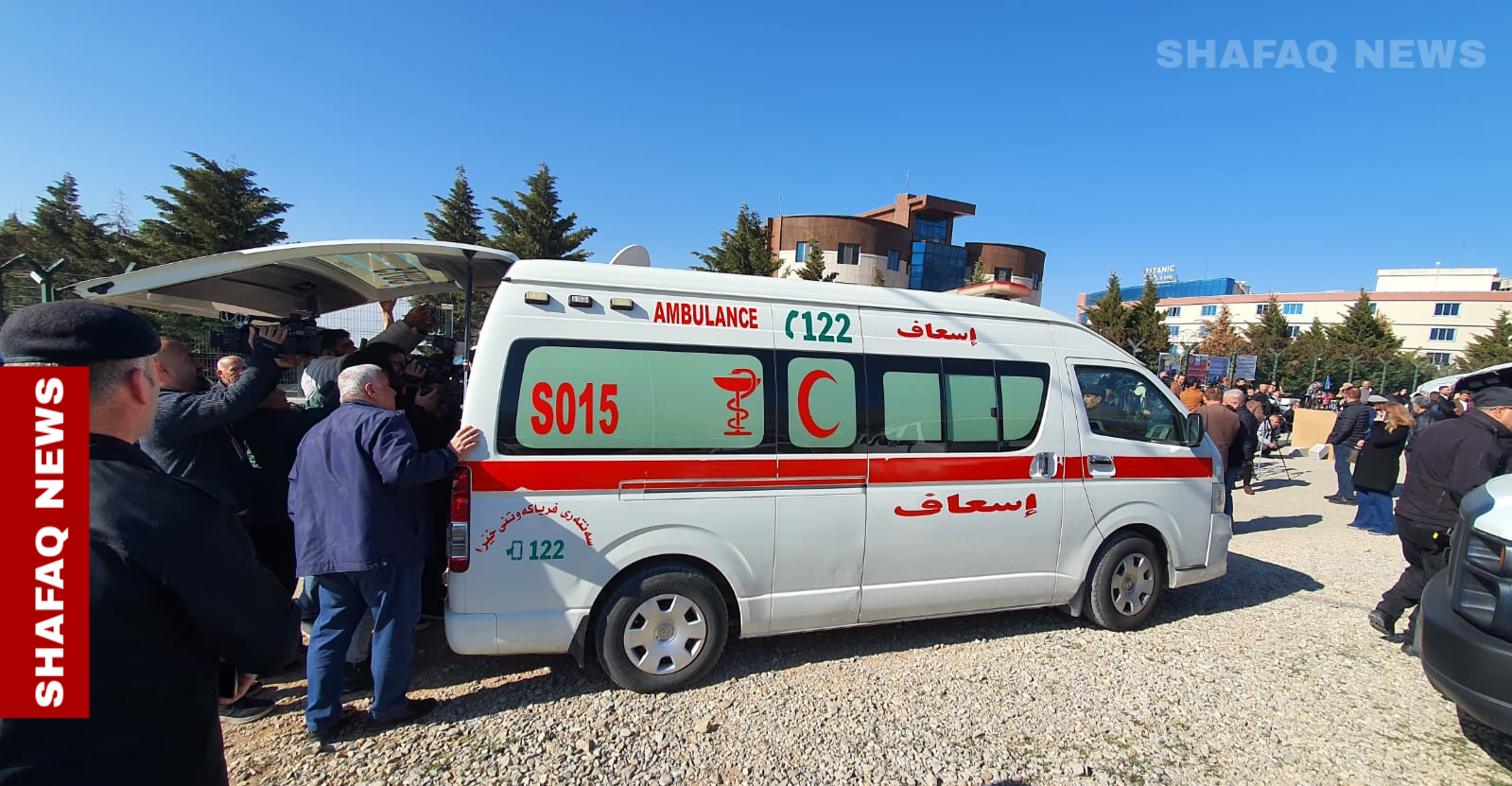


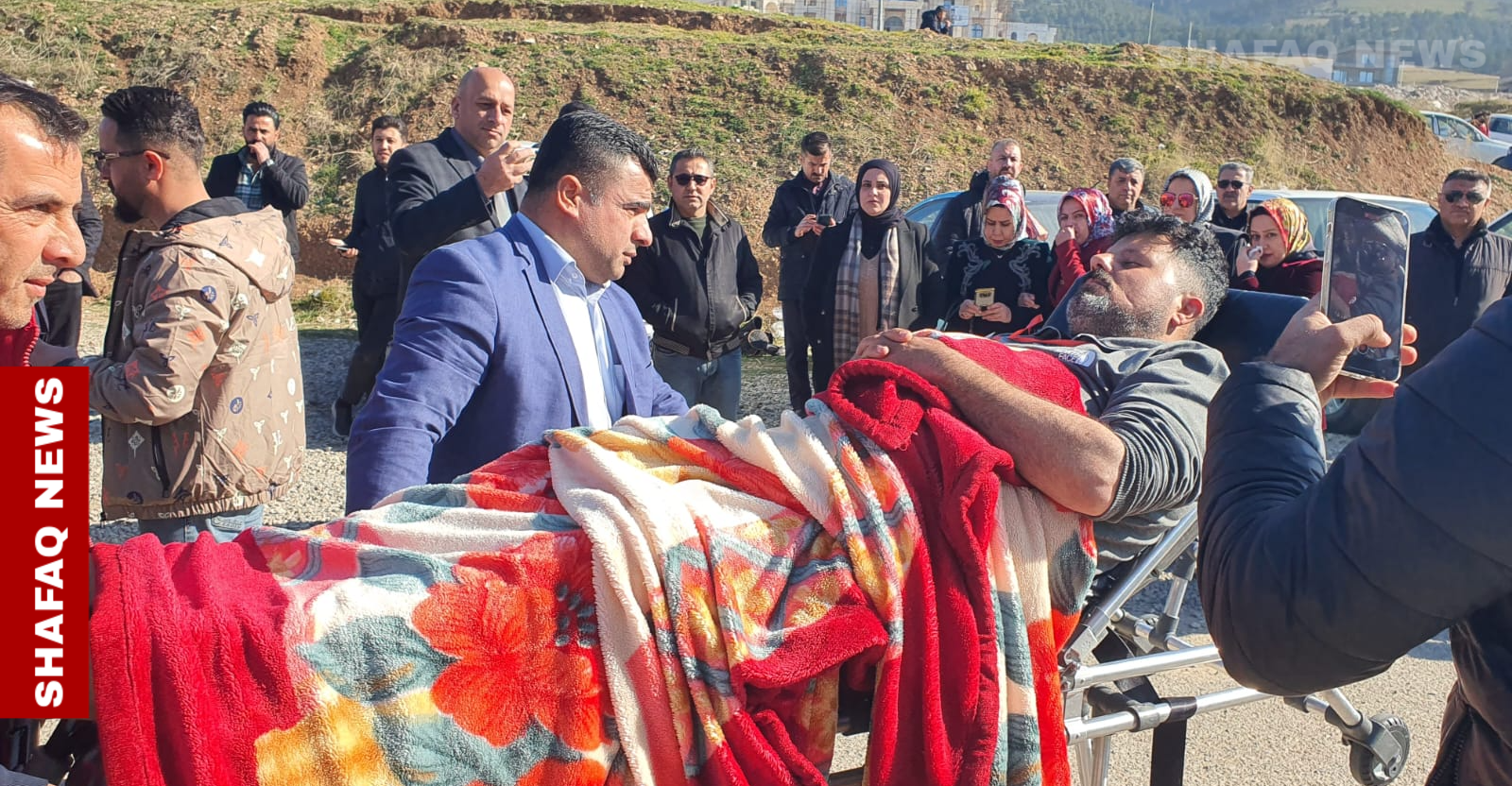
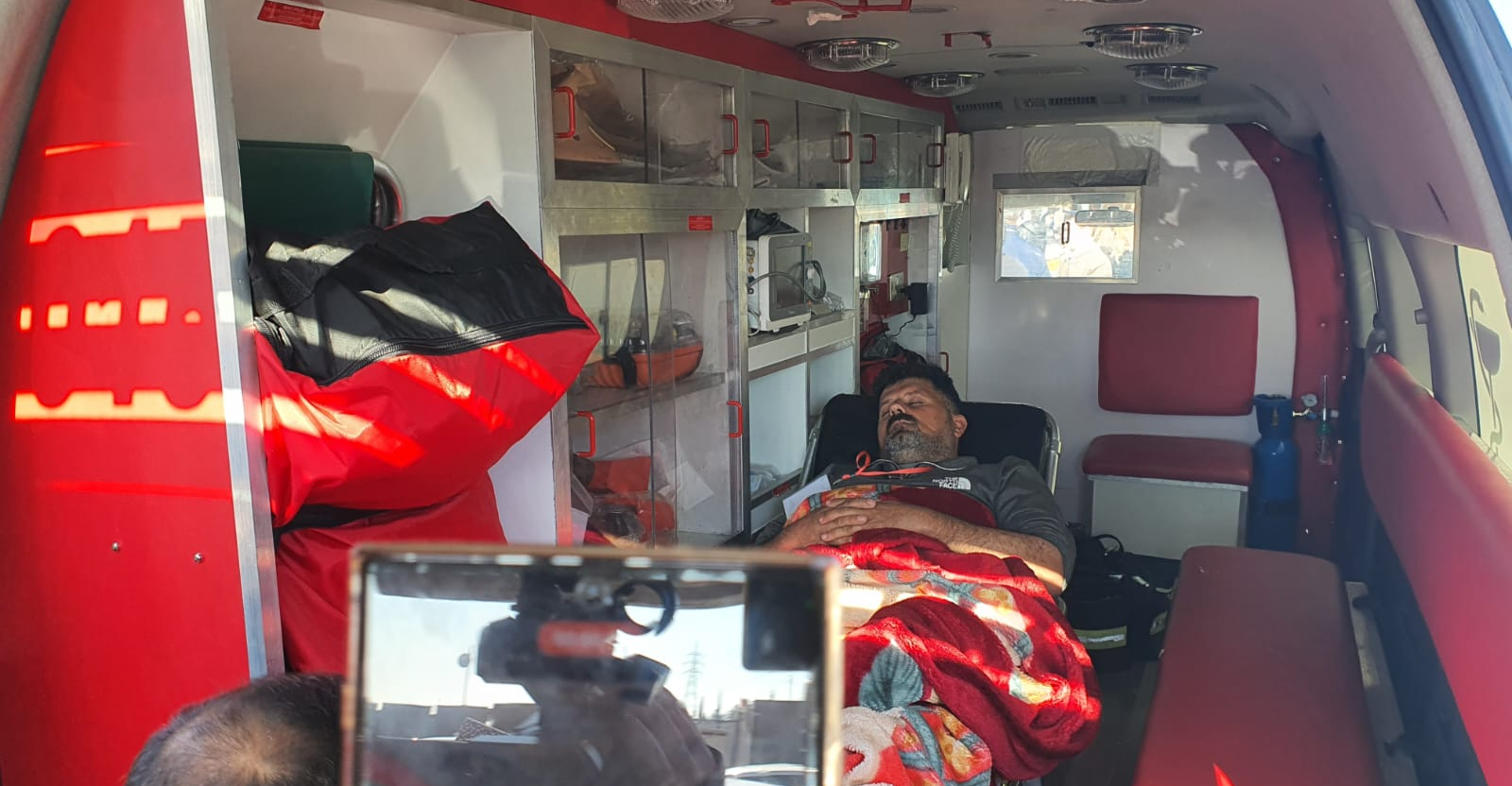
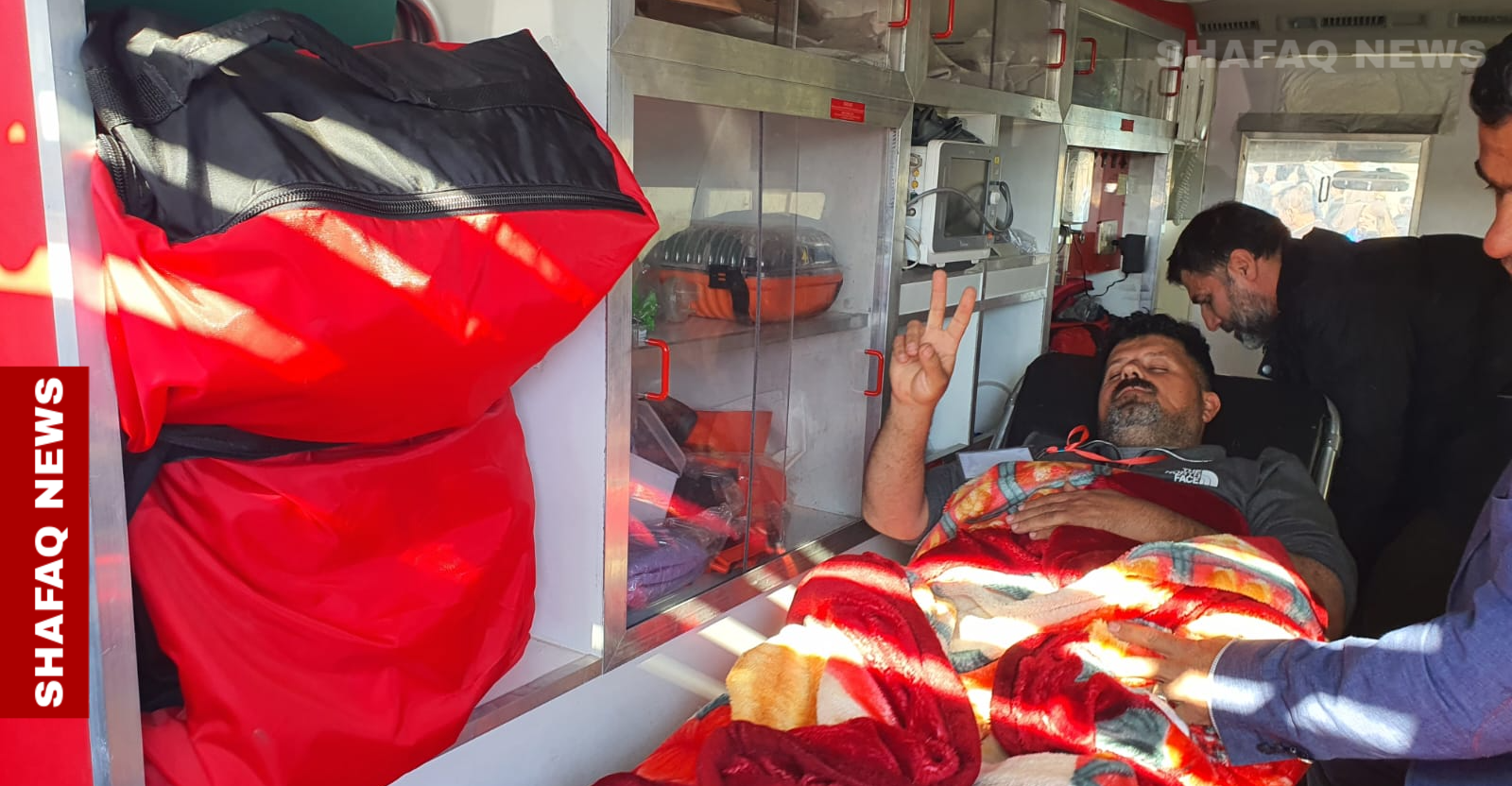
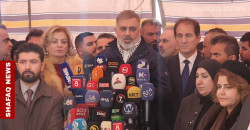
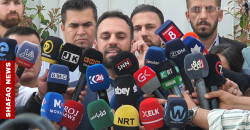
Shafaq News/ A teacher on hunger strike was hospitalized, on Sunday, marking the sixth day of a sit-in outside the United Nations office in Al-Sulaimaniyah, Iraqi Kurdistan, as health concerns among protesters demanding overdue salary payments intensified.
Medical teams warned of deteriorating conditions among demonstrators, many of whom are elderly or suffer from chronic illnesses. "The hunger strikers' physical resistance is weakening, making them more vulnerable to infections," said Dr. Hazar Othman.
The hospitalized teacher, who had abstained from food since the protest began, was transferred to a hospital after his condition worsened. Medical assessments indicated that several other participants require urgent medical attention.
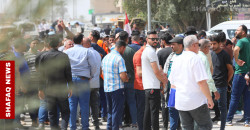
Protesting teachers have set up tents outside the UN office, demanding the immediate disbursement of delayed salaries and guarantees for regular payments moving forward. They described the hunger strike as a "last resort" after previous attempts to address their grievances were ignored. Authorities have yet to issue an official response.
Dr. Othman emphasized the urgent need for medical resources at the protest site. "We need temperature screening devices to monitor the risk of infections, as many protesters are too weak to use them themselves due to reduced fluid and oxygen levels from prolonged fasting," he explained.
As the health of hunger strikers continues to decline, pressure is mounting for an immediate resolution to prevent further medical emergencies.
Kurdistan’s Salary Crisis
The Kurdistan Region is facing a severe salary crisis, with unpaid public sector wages for December 2024 and January 2025 sparking widespread unrest. Teachers and government employees have launched a general strike, particularly in Al-Sulaimaniyah, demanding immediate payment and assurances for consistent future wages.
The crisis is rooted in ongoing political tensions between the Kurdistan Regional Government (KRG) in Erbil and the federal government in Baghdad. Analyst Yasin Aziz accused factions within the Shiite Coordination Framework—part of Prime Minister Mohammed Shia Al-Sudani’s government—of exacerbating the crisis to apply political pressure on the KRG, despite the Federal Supreme Court's position that salary payments should remain apolitical.
At the heart of the dispute lies the issue of oil revenue sharing. Baghdad insists that the KRG must transfer all oil production to the State Organization for Marketing of Oil (SOMO), with revenues funneled into the national treasury to fund salaries and production costs. The KRG, however, argues that it should deduct production costs before remitting the remaining revenues.
Financial expert Mustafa Hantoush has attributed part of the crisis to the KRG’s handling of public sector wages, pointing to issues such as "unrealistic employee lists" and resistance to direct bank deposits of salaries. Conversely, KRG officials, including Kurdistan Democratic Party (KDP) member Wafaa Mohammad Karim, argued that Baghdad’s policies are unfair and have proposed alternative solutions, such as "the KRG handing over all internal revenues in exchange for its 12.67% share of the national budget, or continuing to provide half its revenues with Baghdad ensuring timely salary payments."
While the KRG insists that the salary issue is non-negotiable, Baghdad maintains that payments are tied to a broader set of financial commitments, including oil revenues, customs duties, and border crossing revenues. As the deadlock persists, uncertainty looms over when and how a resolution will be reached to stabilize the Region’s finances and restore public sector services.