Fuel shortage grips Kurdistan’s Duhok tourism peak


Shafaq News- Duhok
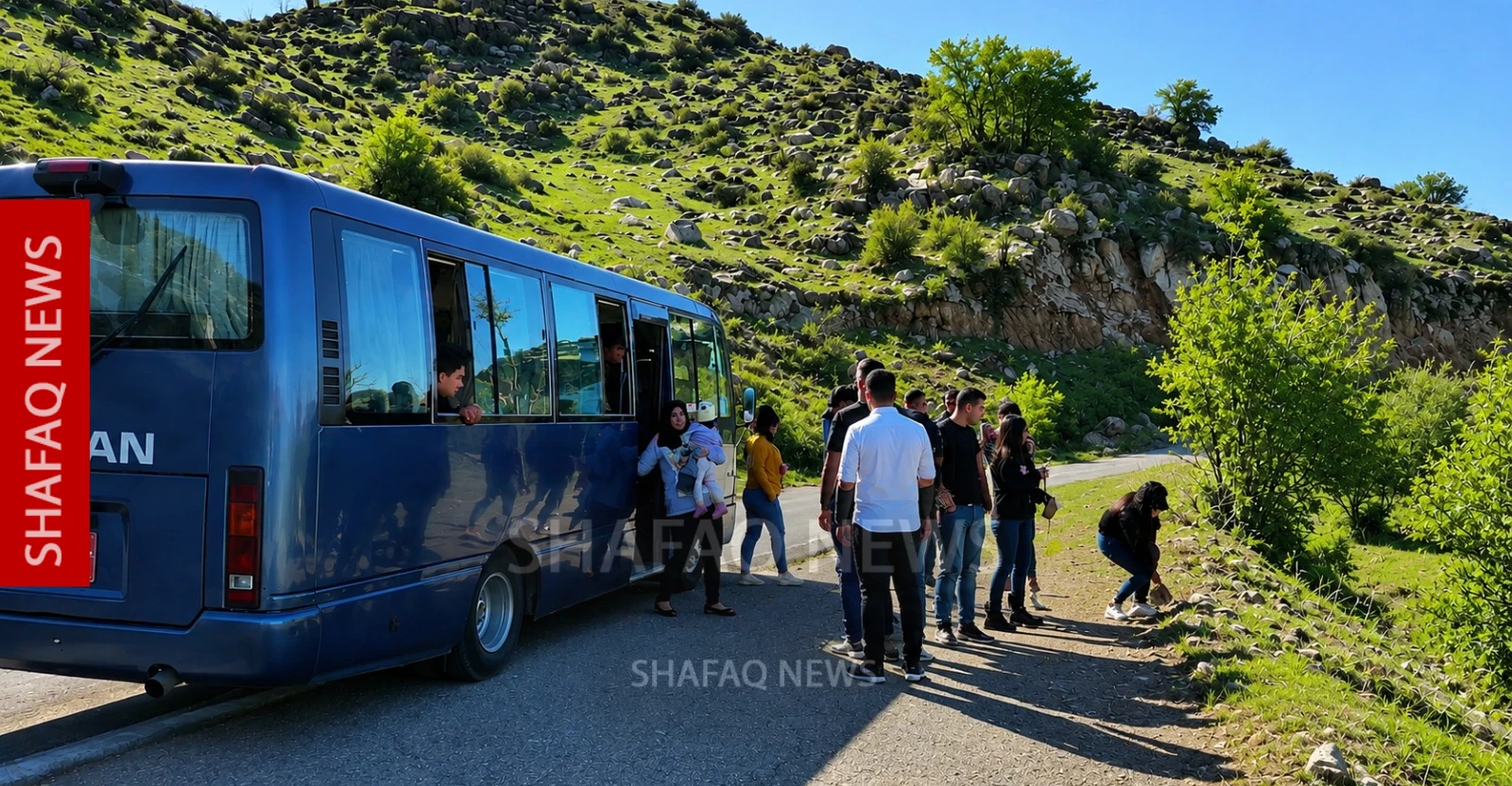
A gasoline shortage in Duhok province is disrupting the peak summer tourism season, leaving some visitors unable to travel freely or return home as planned, a Kurdish official told Shafaq News on Sunday.
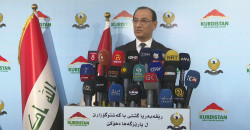
Jaafar Harori, spokesperson for Duhok's Tourism Directorate, revealed that the Directorate had received complaints from tourists who struggled to find gasoline during their visits. Some motorists chose to conserve the fuel remaining in their vehicles to ensure they could reach the northern city of Mosul, where gasoline is more readily available.
"Visitors driving from Iraq's southern provinces can purchase only a limited amount of gasoline in Mosul," Harori explained, noting that the allocation is insufficient to cover travel within Duhok and the return journey.
Read more: Duhok —haven and hardship in Iraqi Kurdistan's frontier
While acknowledging that the shortage has affected visitors' experience, he clarified that it is not the main reason for lower tourist arrivals this year, attributing the decline primarily to regional tensions, as well as other factors including airport closures and delays in salary payments.
Harori added that the Directorate is monitoring the issue with the relevant authorities, although fuel distribution falls outside its responsibilities, expressing hope that the shortage will be resolved soon to ease difficulties for both residents and visitors.
To ease pressure on consumers and regulate the market, the Kurdistan Regional Government (KRG) has introduced lower fuel prices. Earlier this week, Erbil Governor Omed Khoshnaw disclosed that around 280 stations had committed to selling commercial regular gasoline at 850 Iraqi dinars ($0.65) per liter, while government-supplied gasoline would remain at 750 dinars ($0.58).
A Shafaq News survey, however, found regular gasoline still selling for around 1,300 dinars ($1.00) at some commercial stations, improved gasoline at between 1,500 and 1,650 dinars ($1.15 to $1.27), and super gasoline at between 1,700 and 2,000 dinars ($1.31 to $1.54).
On July 4, KRG authorized fuel imports after reduced shipments, higher Iranian fuel prices, lower local allocations and rising summer demand drove up commercial prices and led to long queues at subsidized stations, amid broader regional energy disruptions linked to the US-Iran conflict and restrictions on shipping through the Strait of Hormuz.
Read more: Fuel costs in Iraqi Kurdistan defy ceiling prices