Erbil's wooden legacy: Tradition vs. mass production


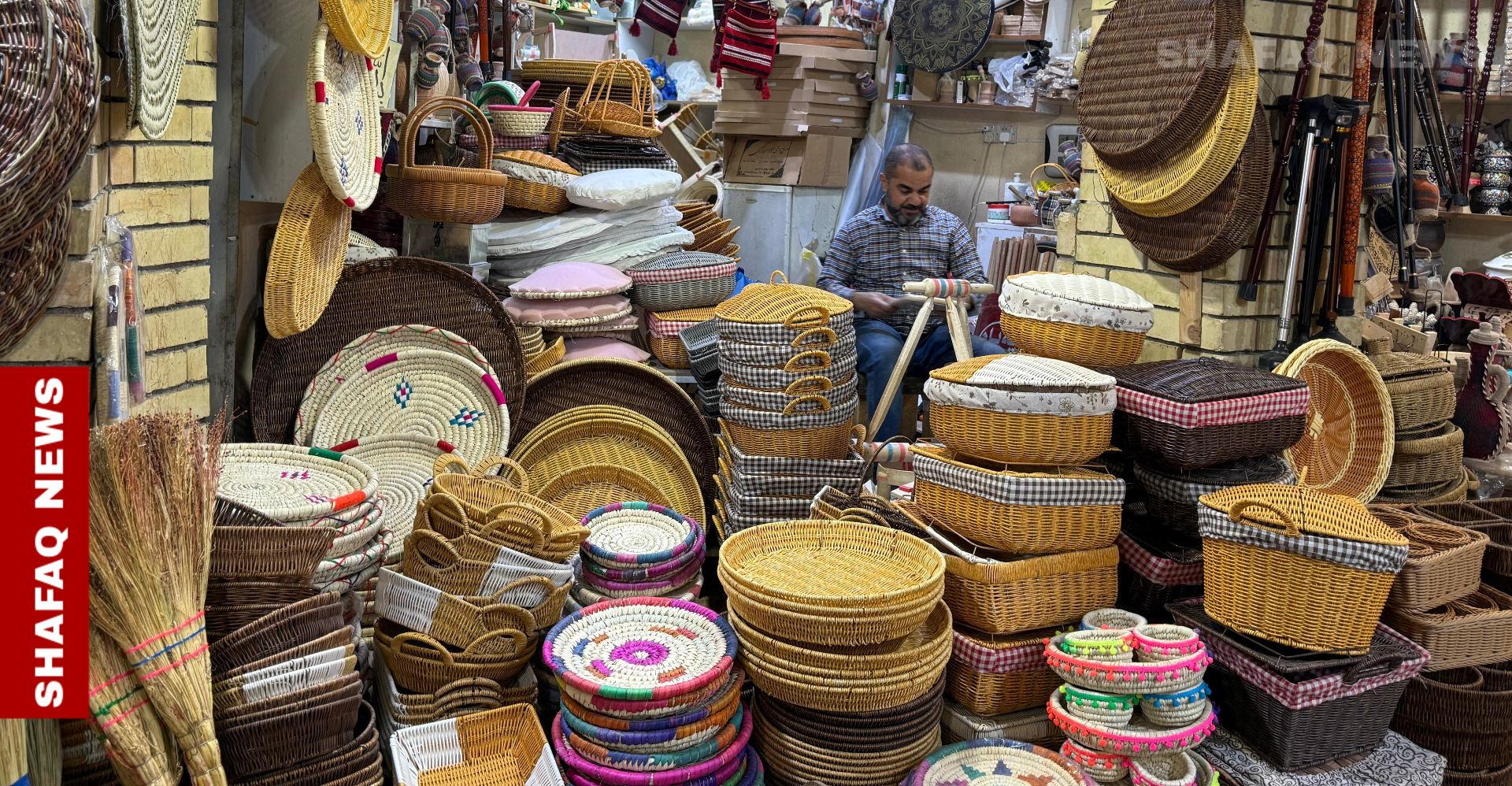
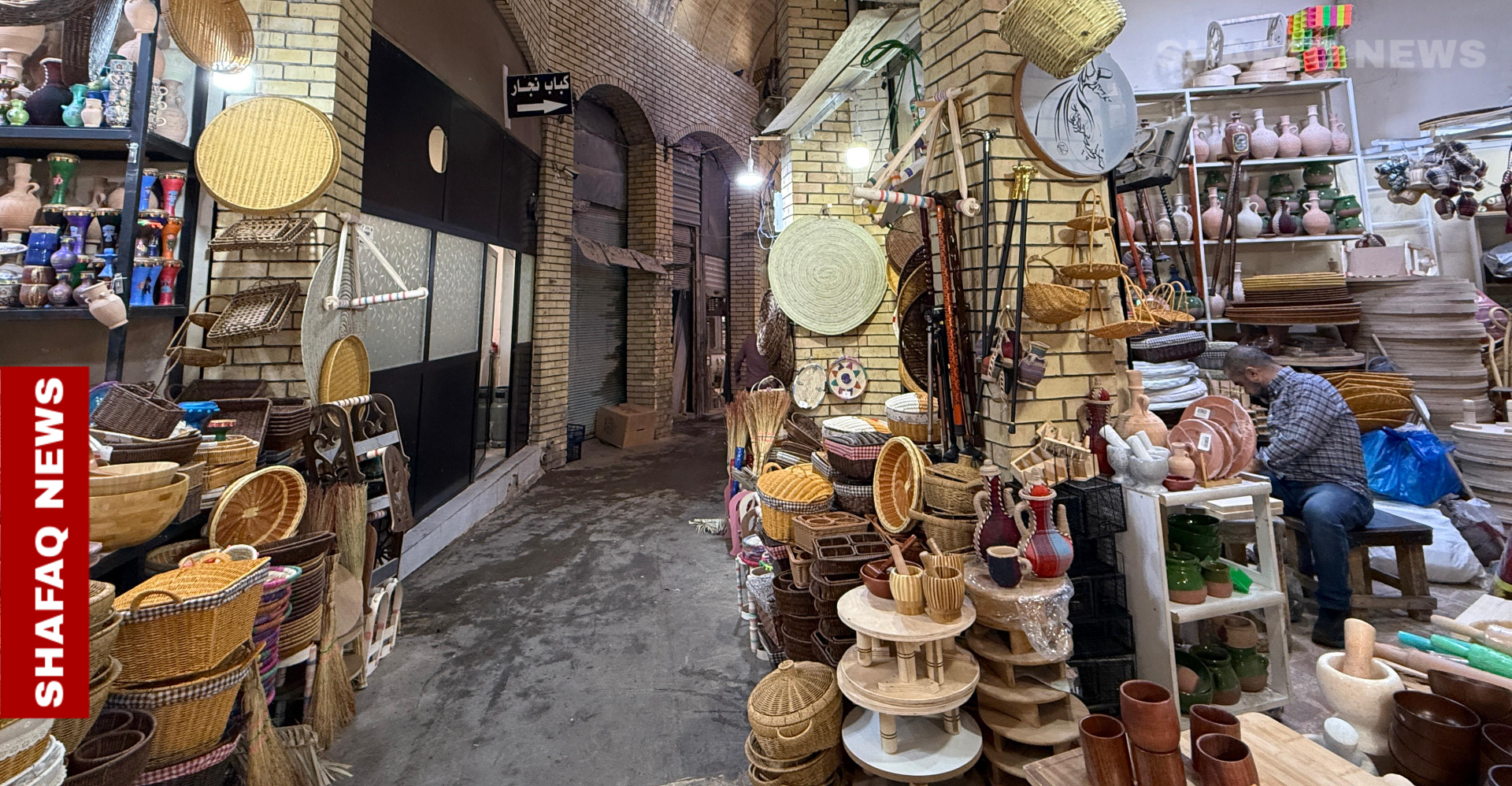
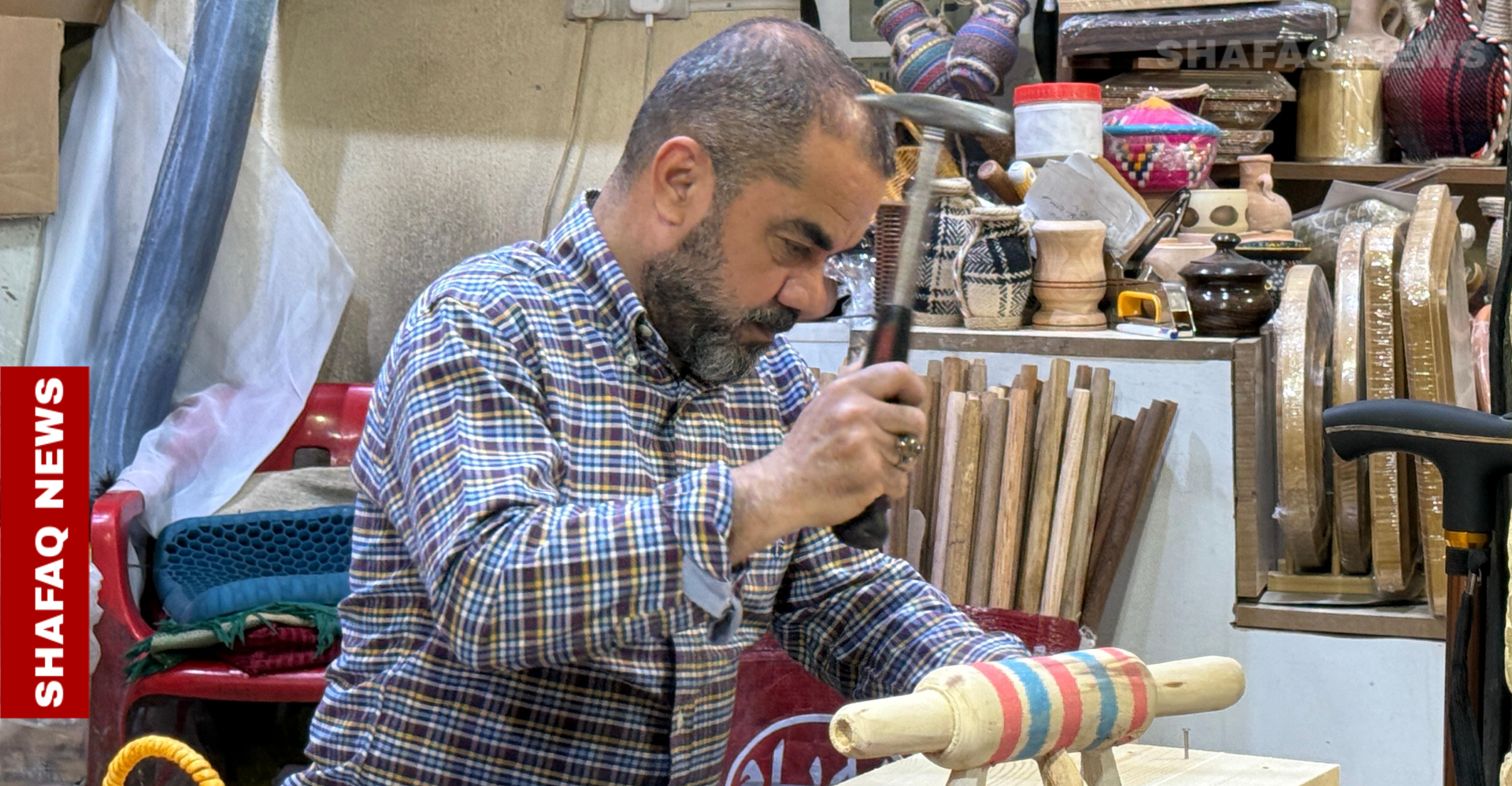
Shafaq News/ In the heart of Erbil’s historic Qaysari Bazaar, seasoned craftsman Zohair continues to produce handmade wooden goods—a tradition increasingly at risk amid the rise of mass production and shifting consumer habits.
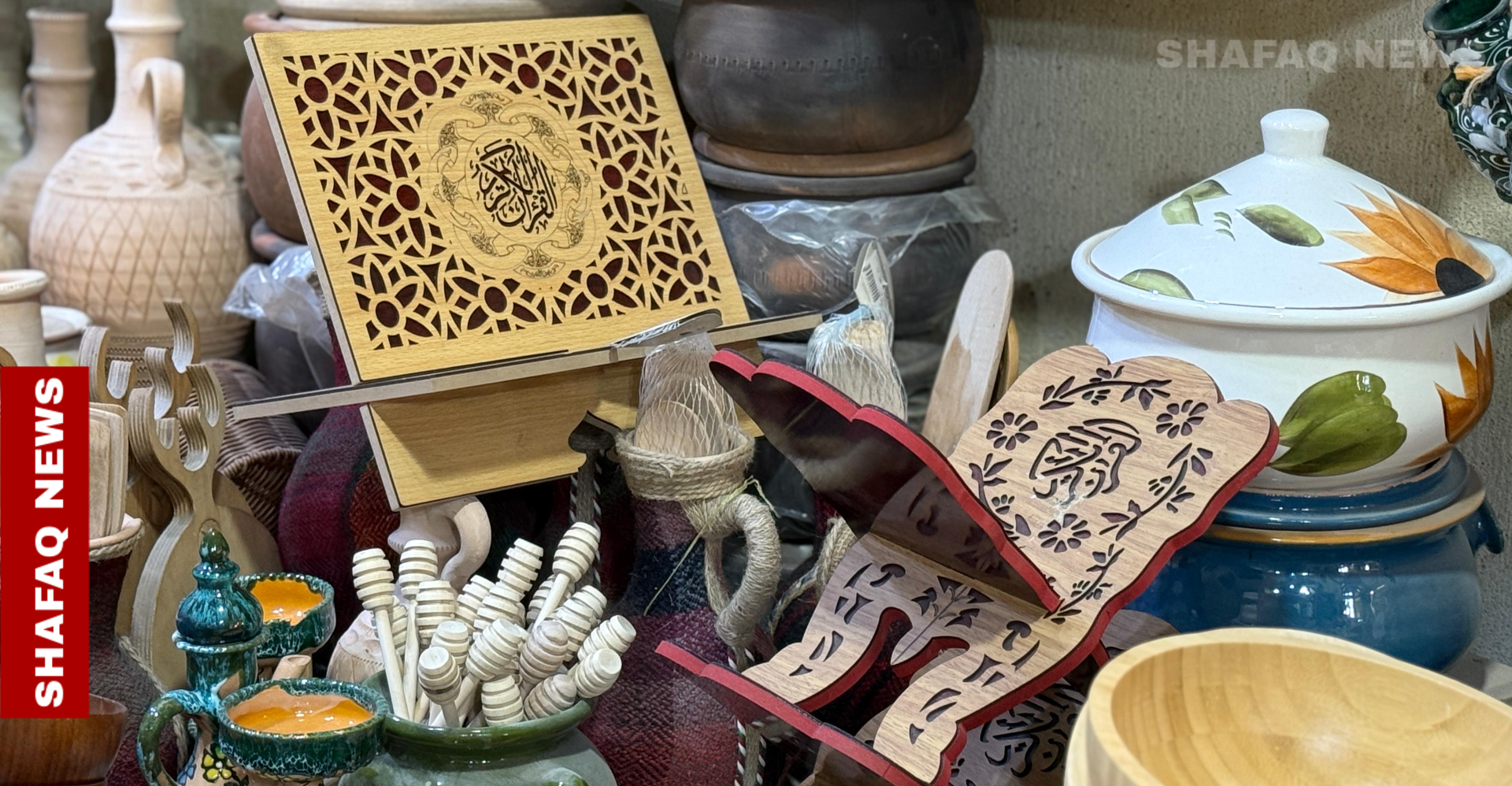
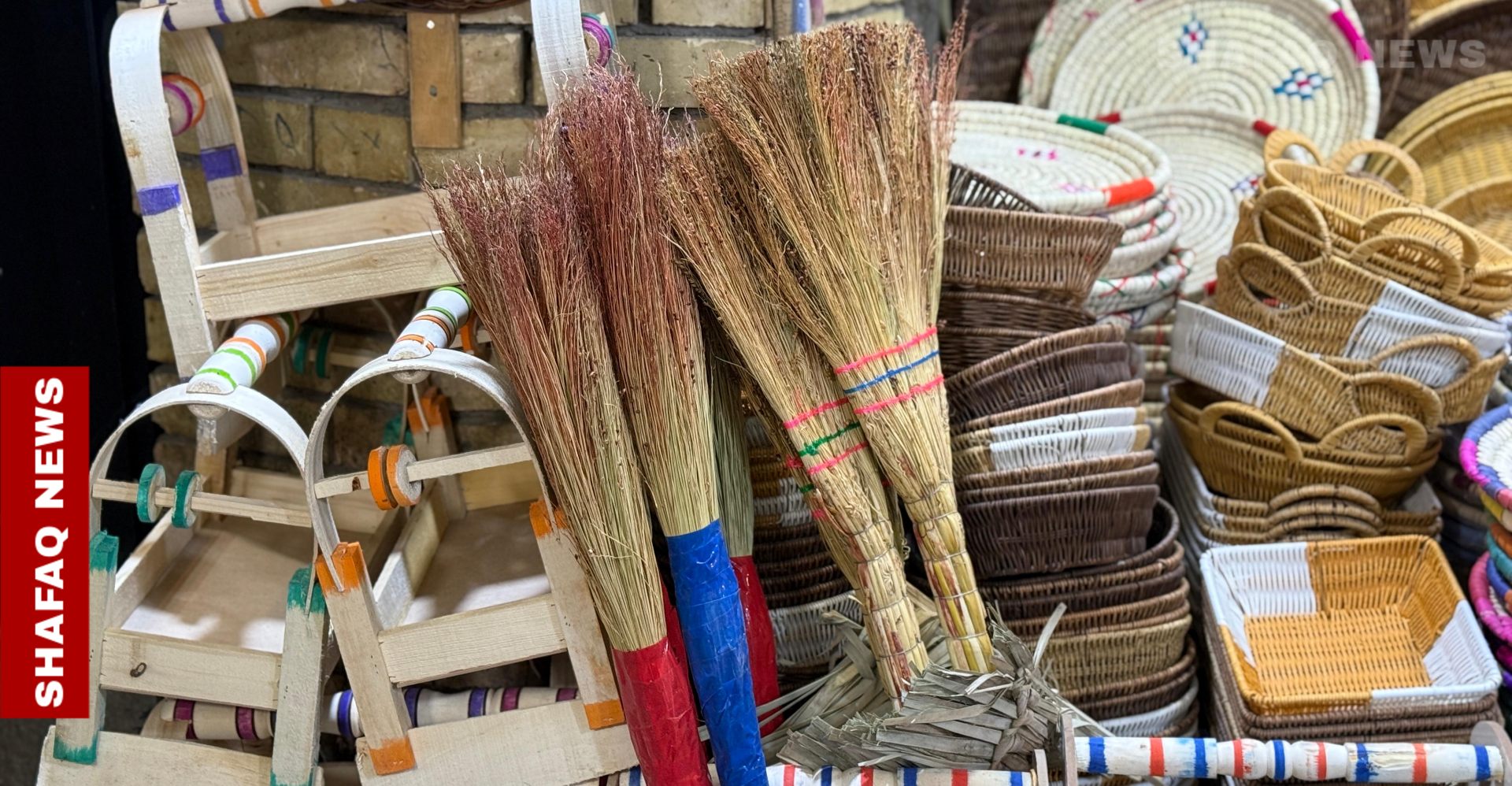
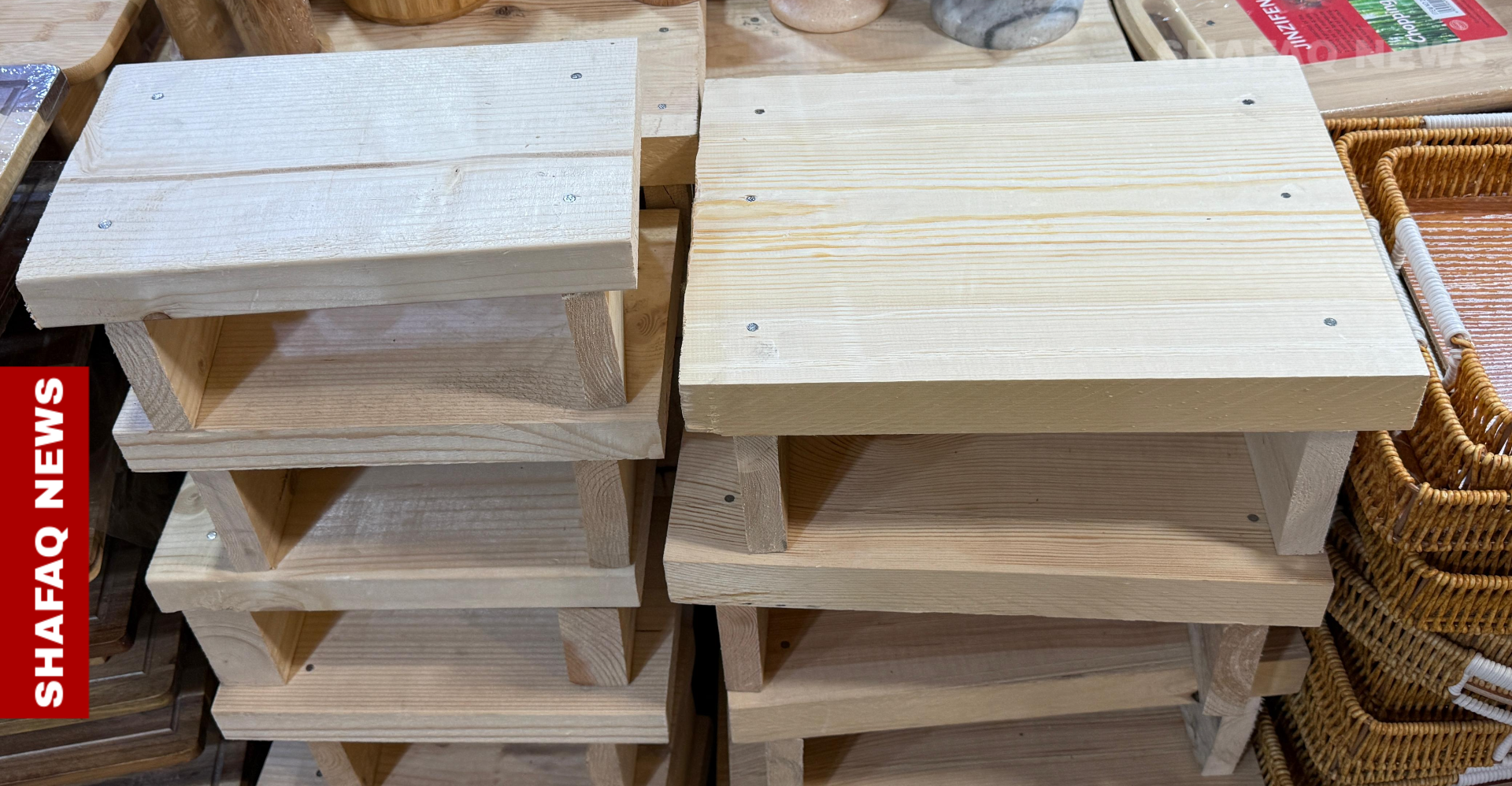
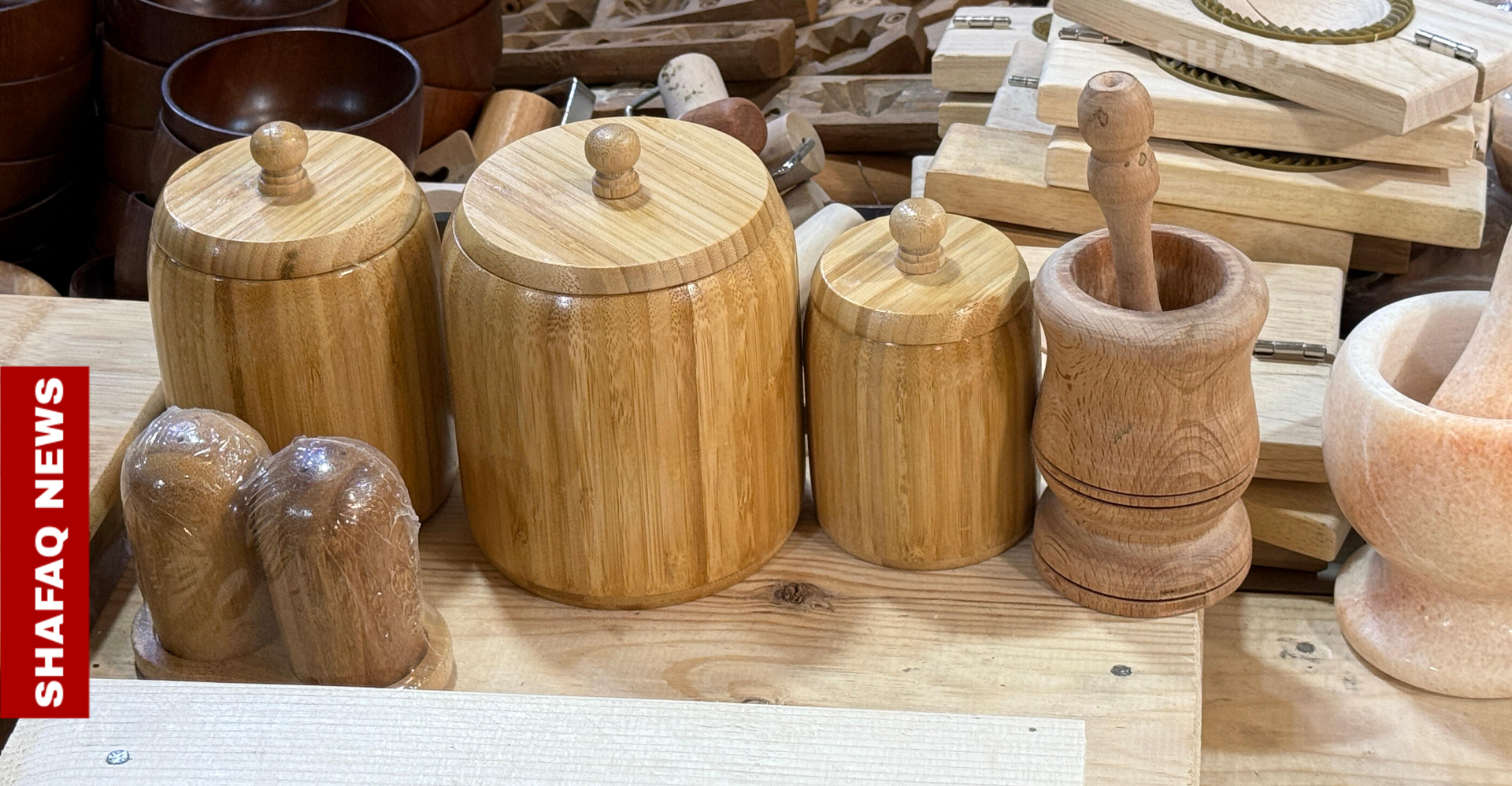
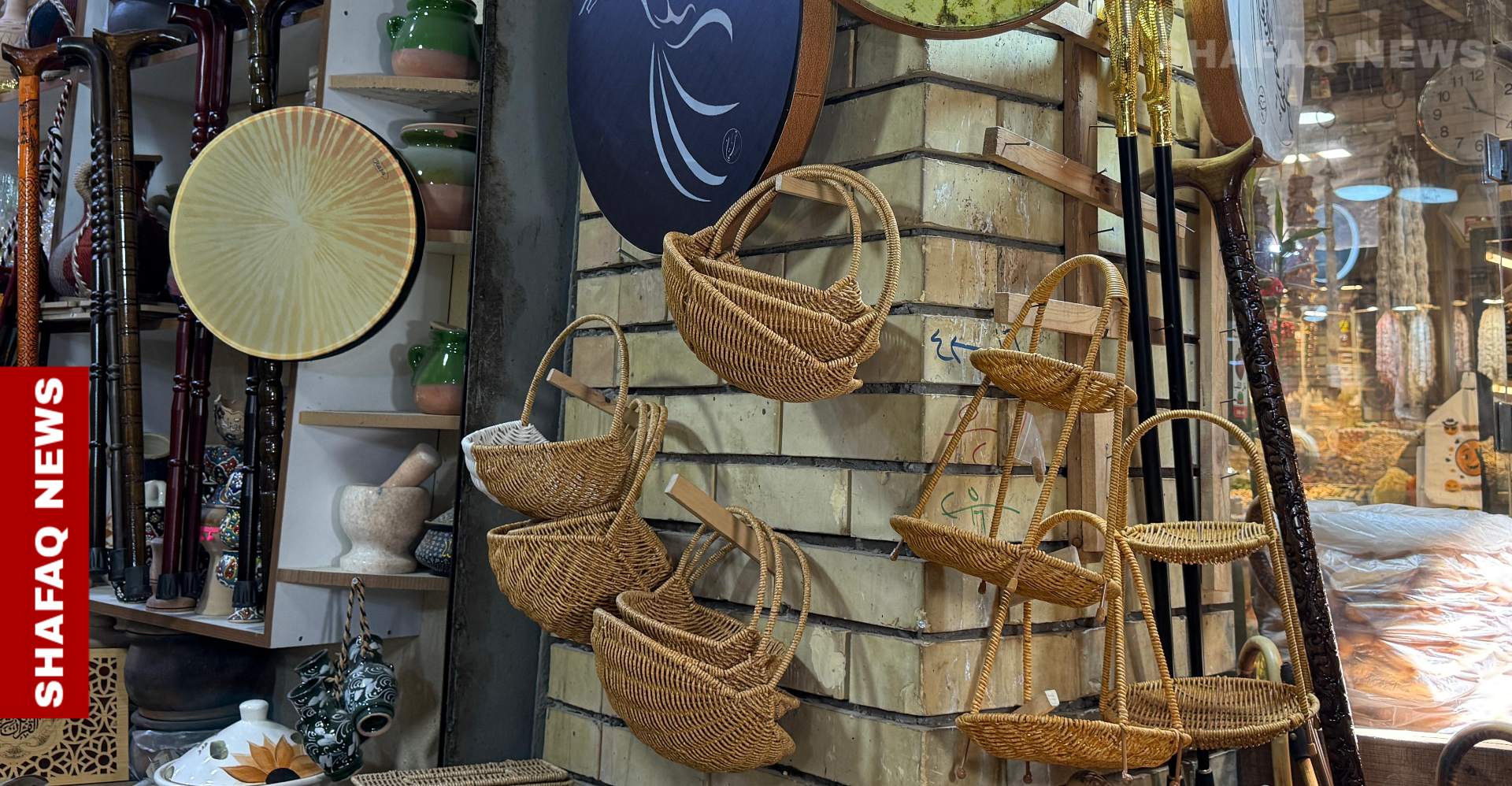
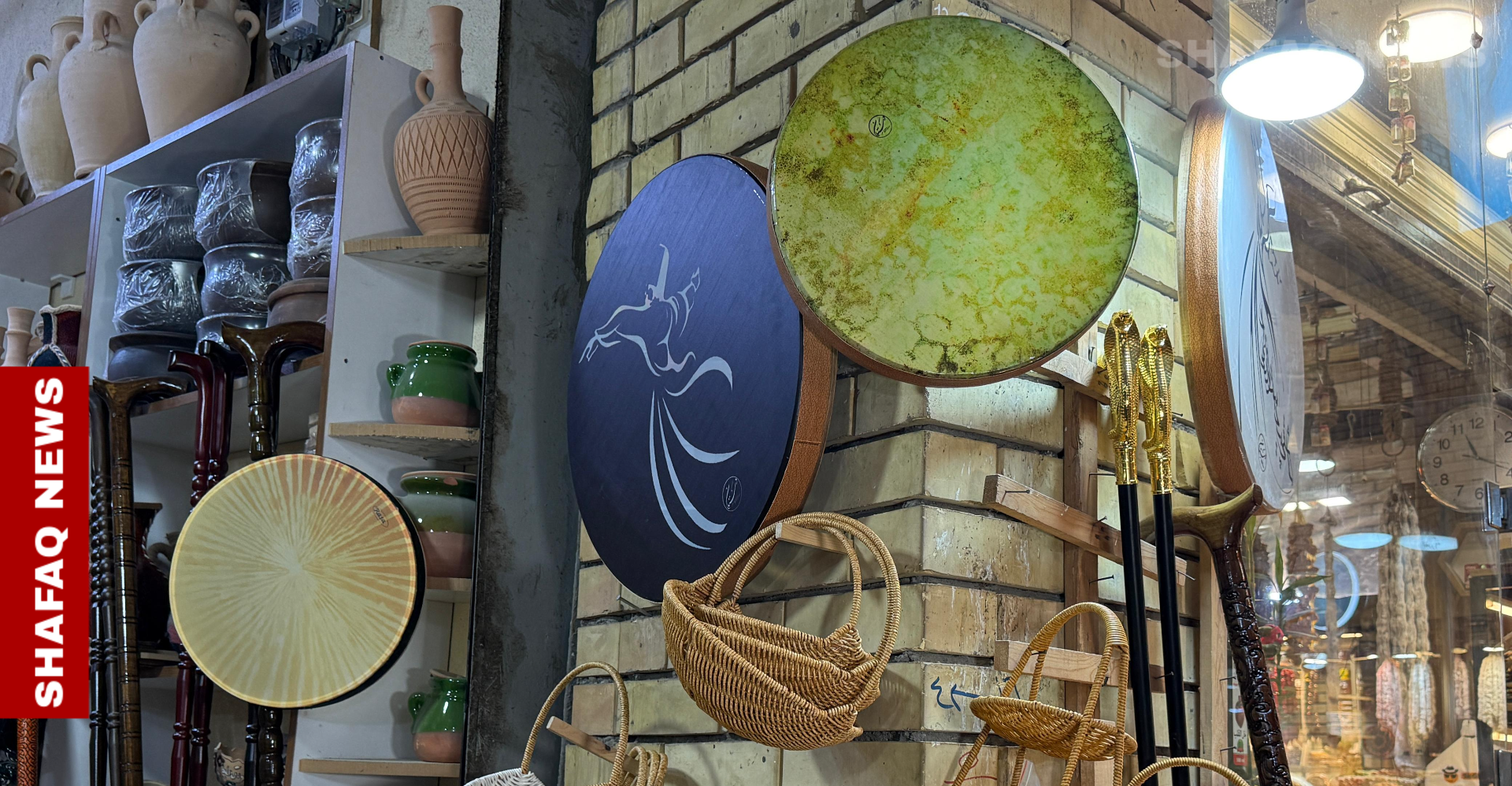
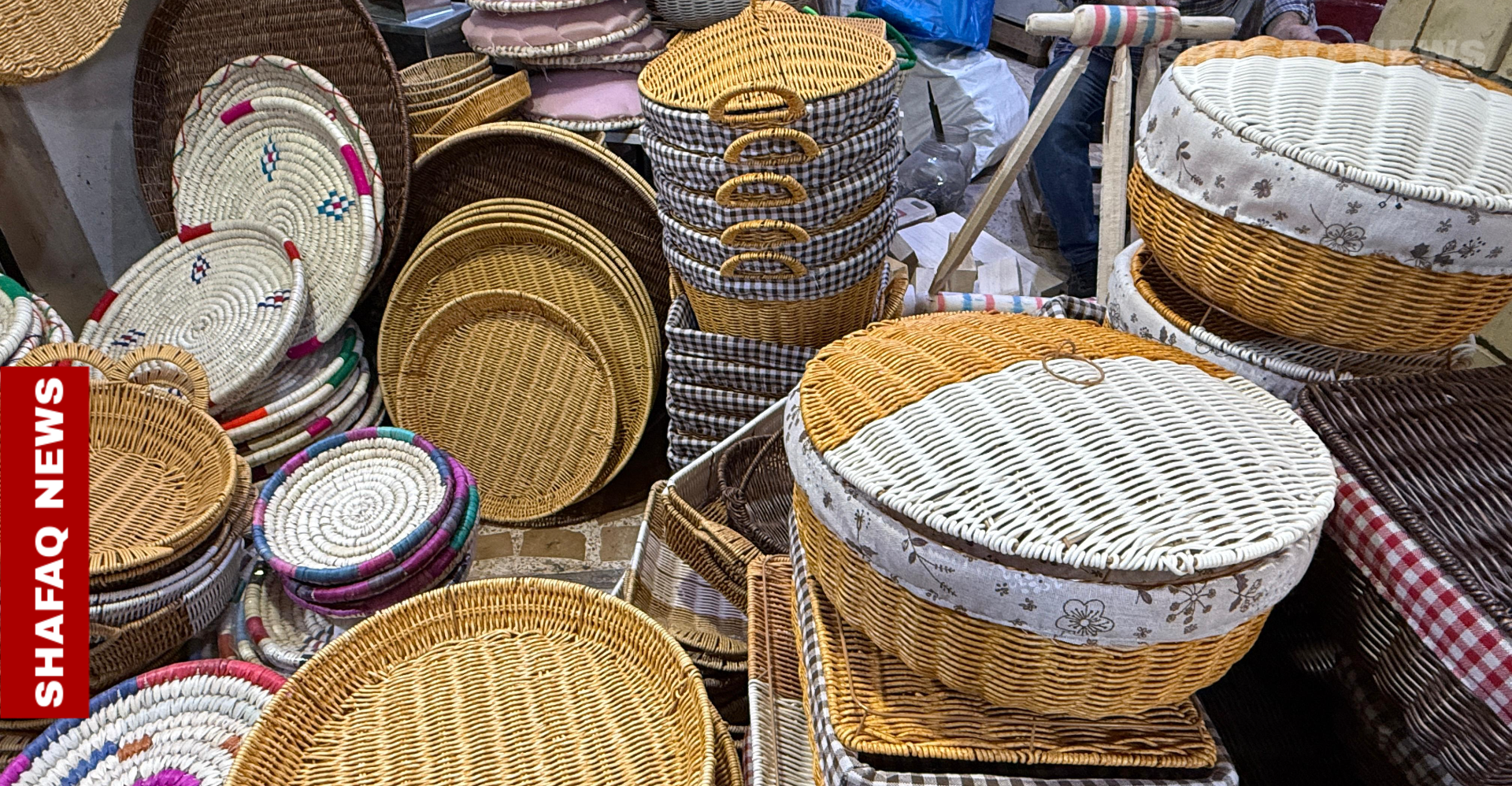
For more than 30 years, he has worked from the same stall, offering items such as trays, sifters, lattice screens, and brushes. Some are made locally, especially sieves and sifters, while others are imported from China, Turkiye, Iran, and Mosul.
“Demand hasn’t faded,” Zohair told Shafaq News. “In fact, it sometimes picks up.”
Many customers, he explained, are drawn to the cultural appeal of the items. “Some buy them for daily use, others as decorative pieces with a connection to tradition.”
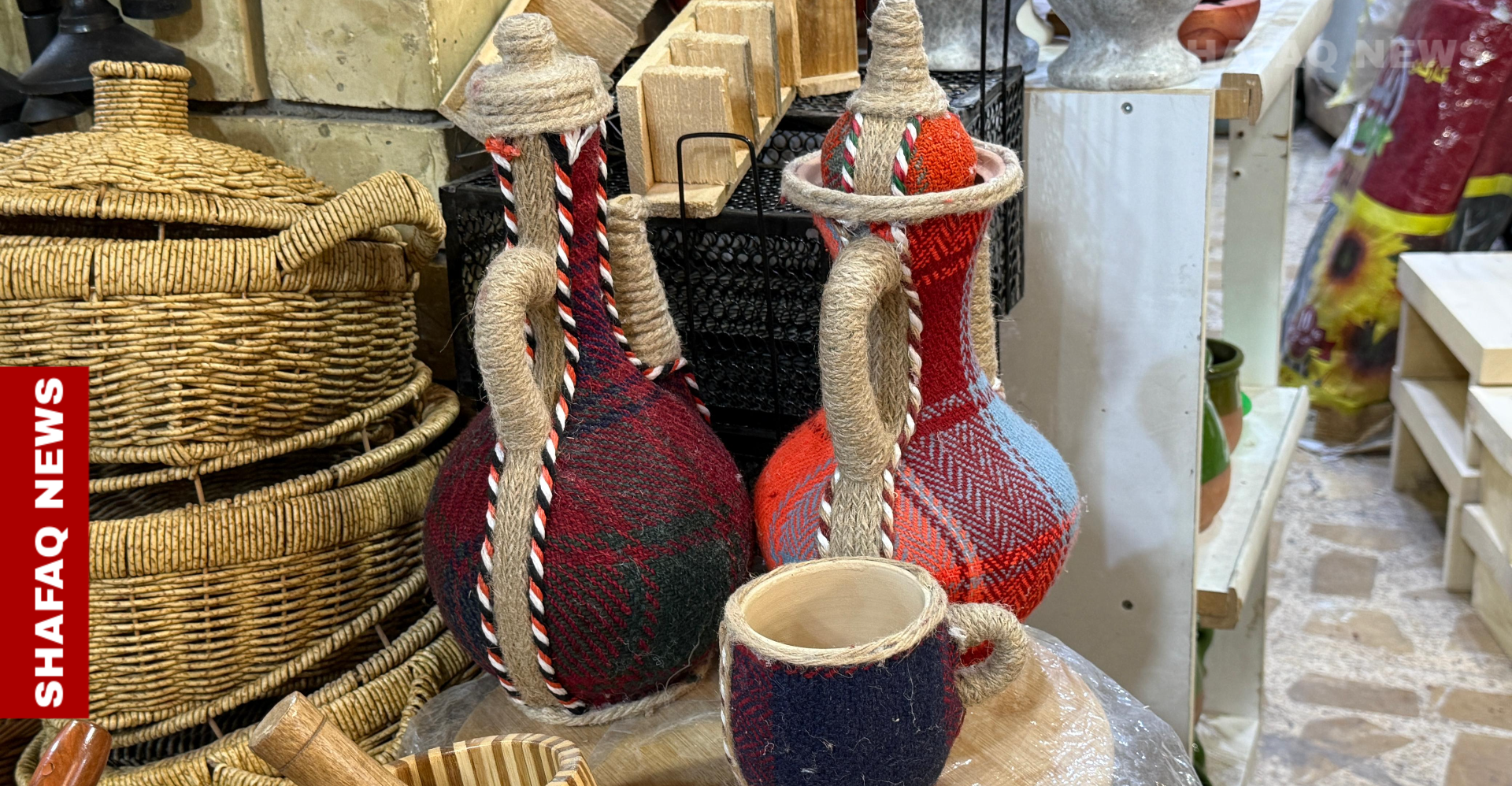
“Tourism plays a vital role in sustaining the craft,” he added. Visitors from central and southern Iraq—and from abroad—often seek out his products as unique souvenirs unavailable elsewhere.
Yet the work is not without challenges. Zohair pointed to delays caused by traffic, the relocation of workshops outside the city, and the inconsistent availability of imported materials—all of which disrupt his operations.
Despite modest income, he remains devoted to his craft. “Only a handful of shops still do this. Most have shifted to selling modern goods,” he said. “Even if our children don’t carry it on, the craft will remain part of our heritage.”