Dwin Castle restoration revives Ayyubid link


Shafaq News- Erbil
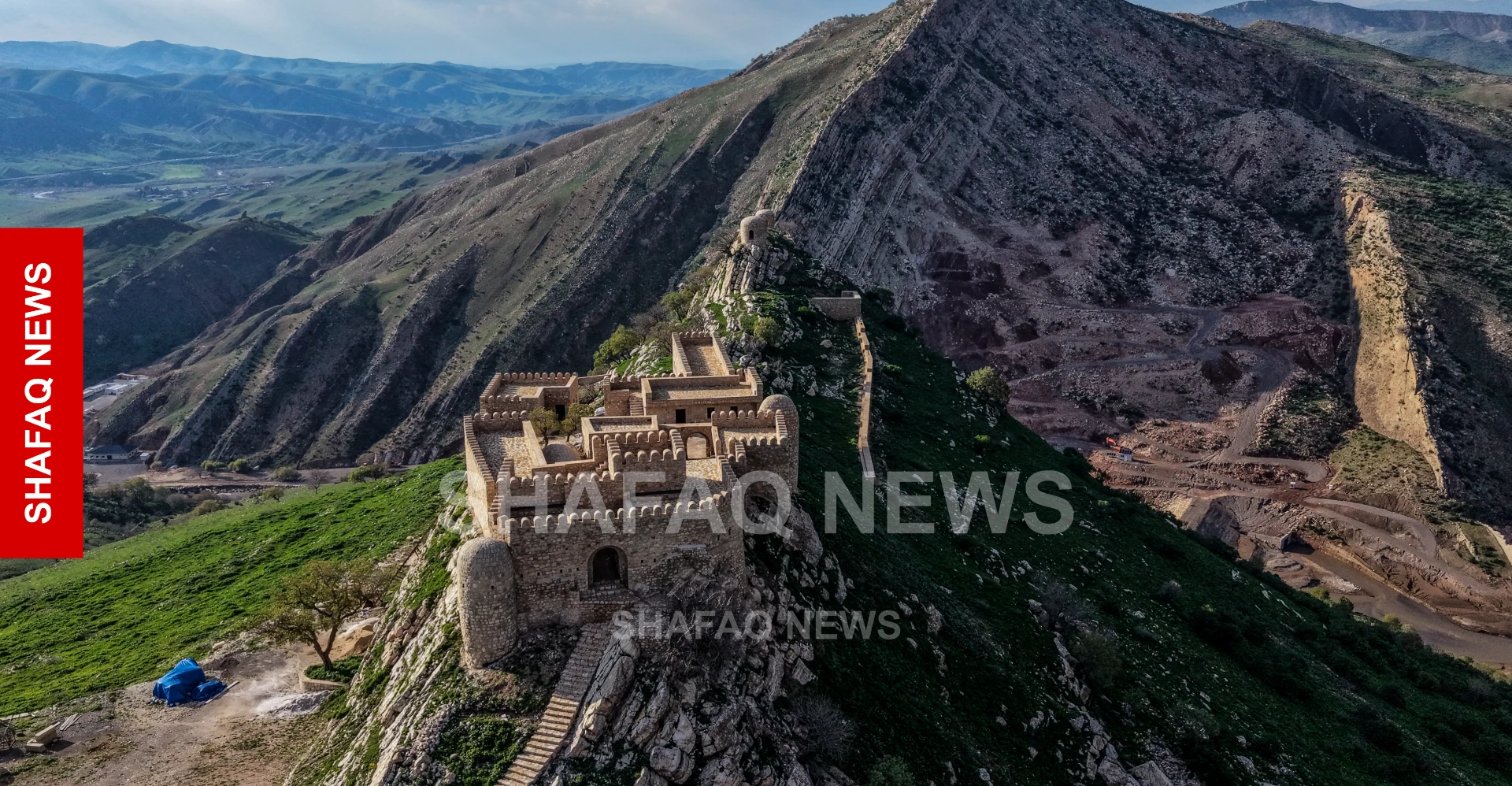
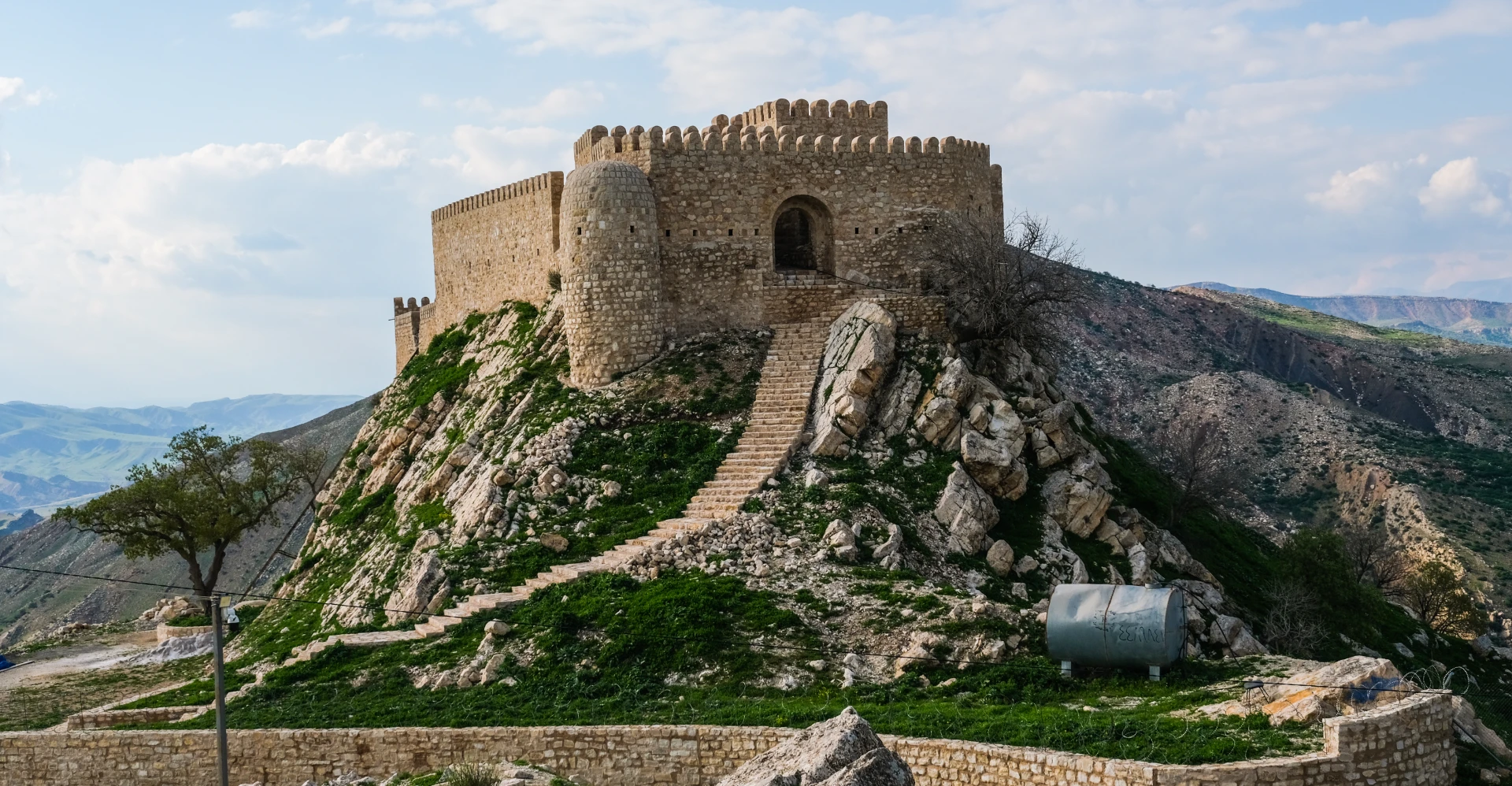
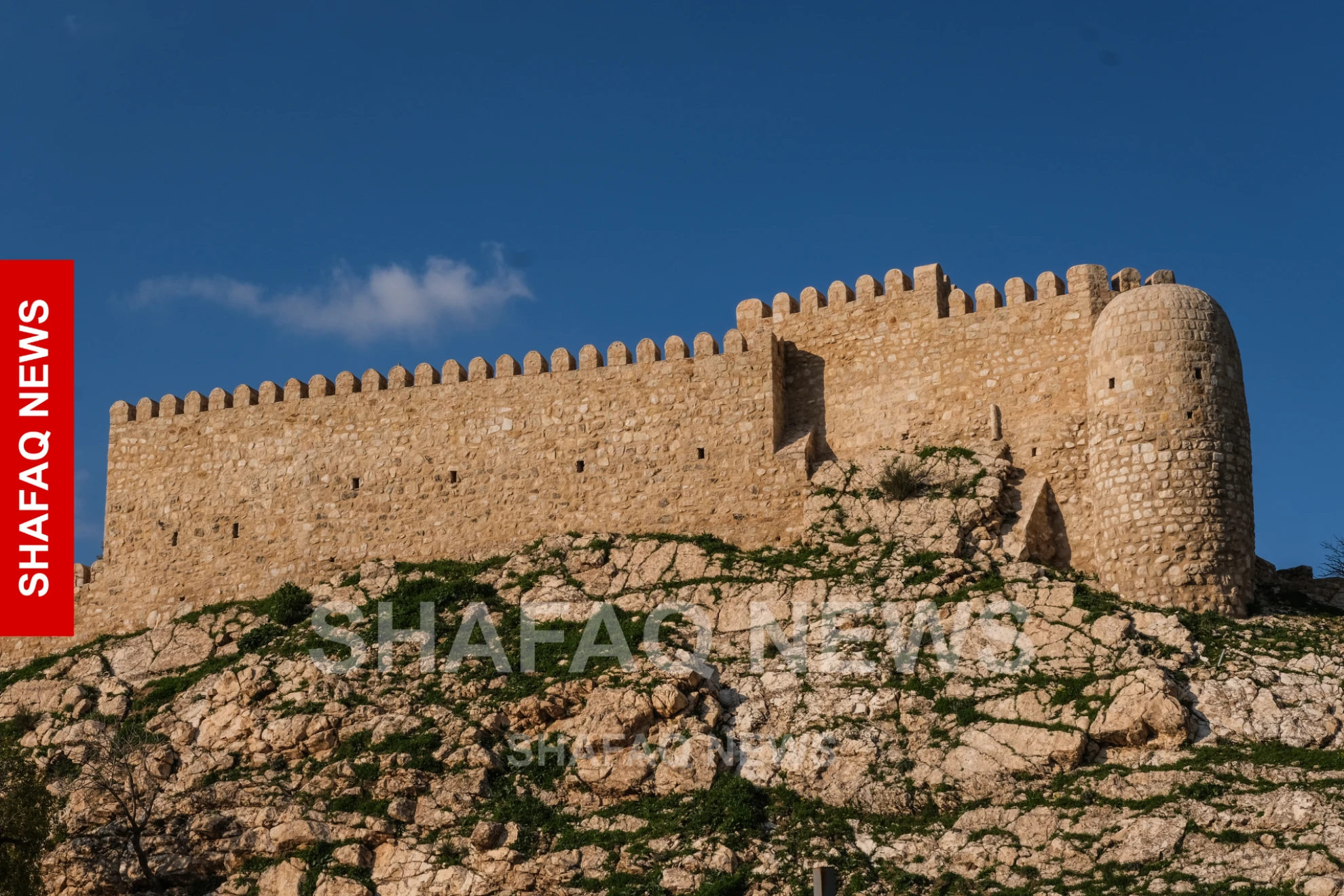
About 31 kilometers northeast of Erbil, the mountain village of Dwin preserves a historic castle long associated locally with the family of Saladin, the Kurdish Muslim ruler who founded the Ayyubid dynasty.
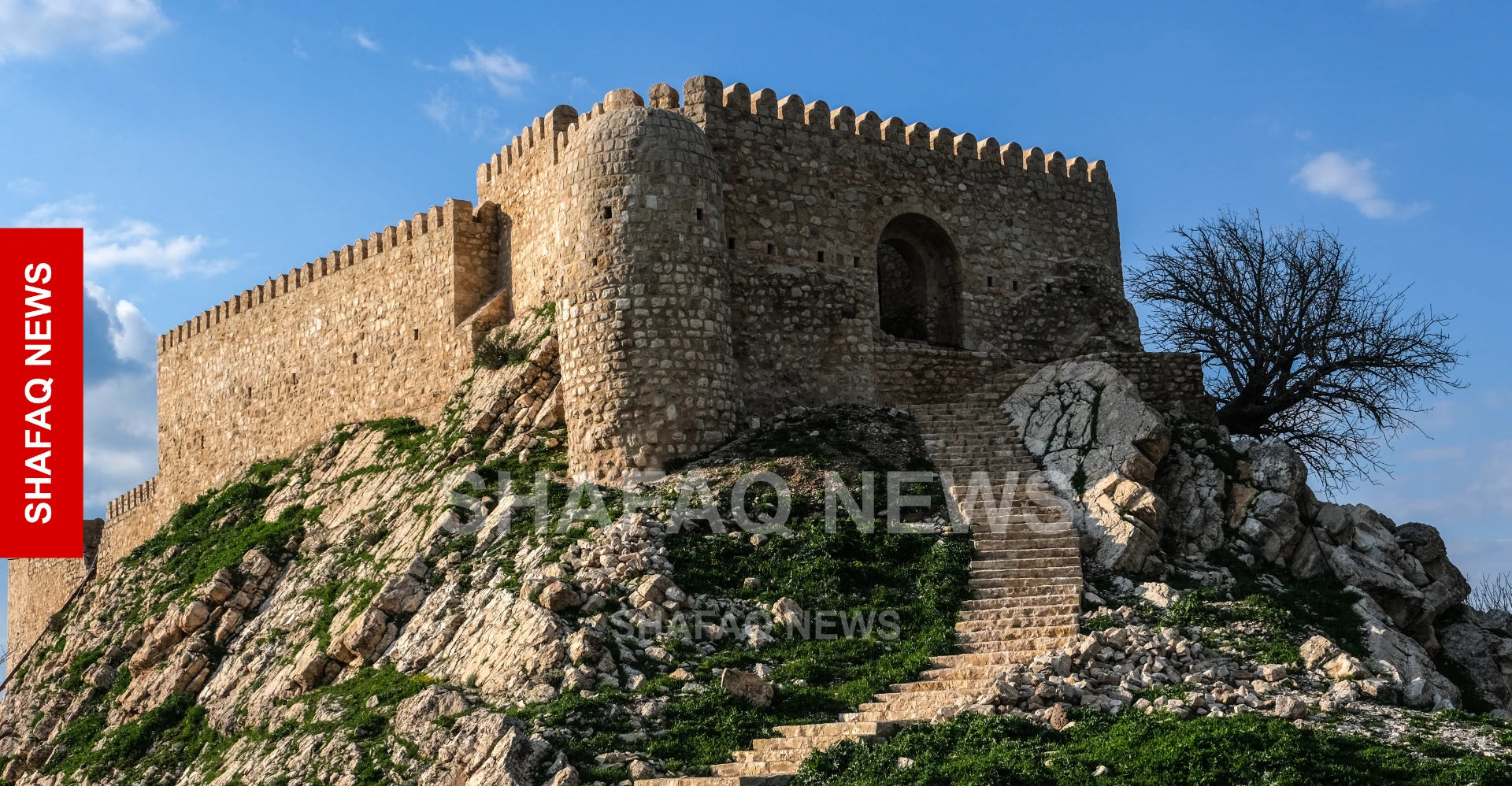
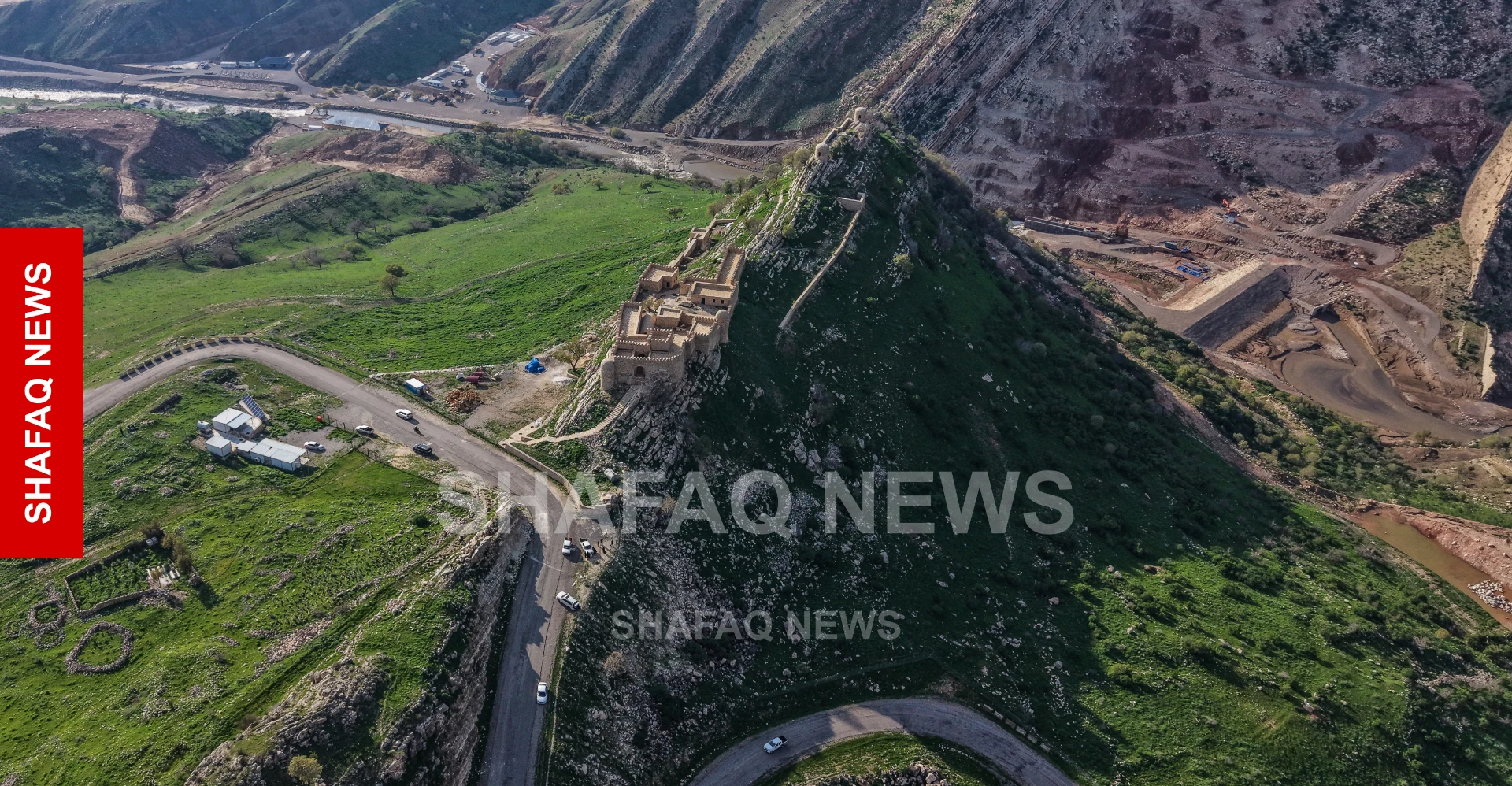
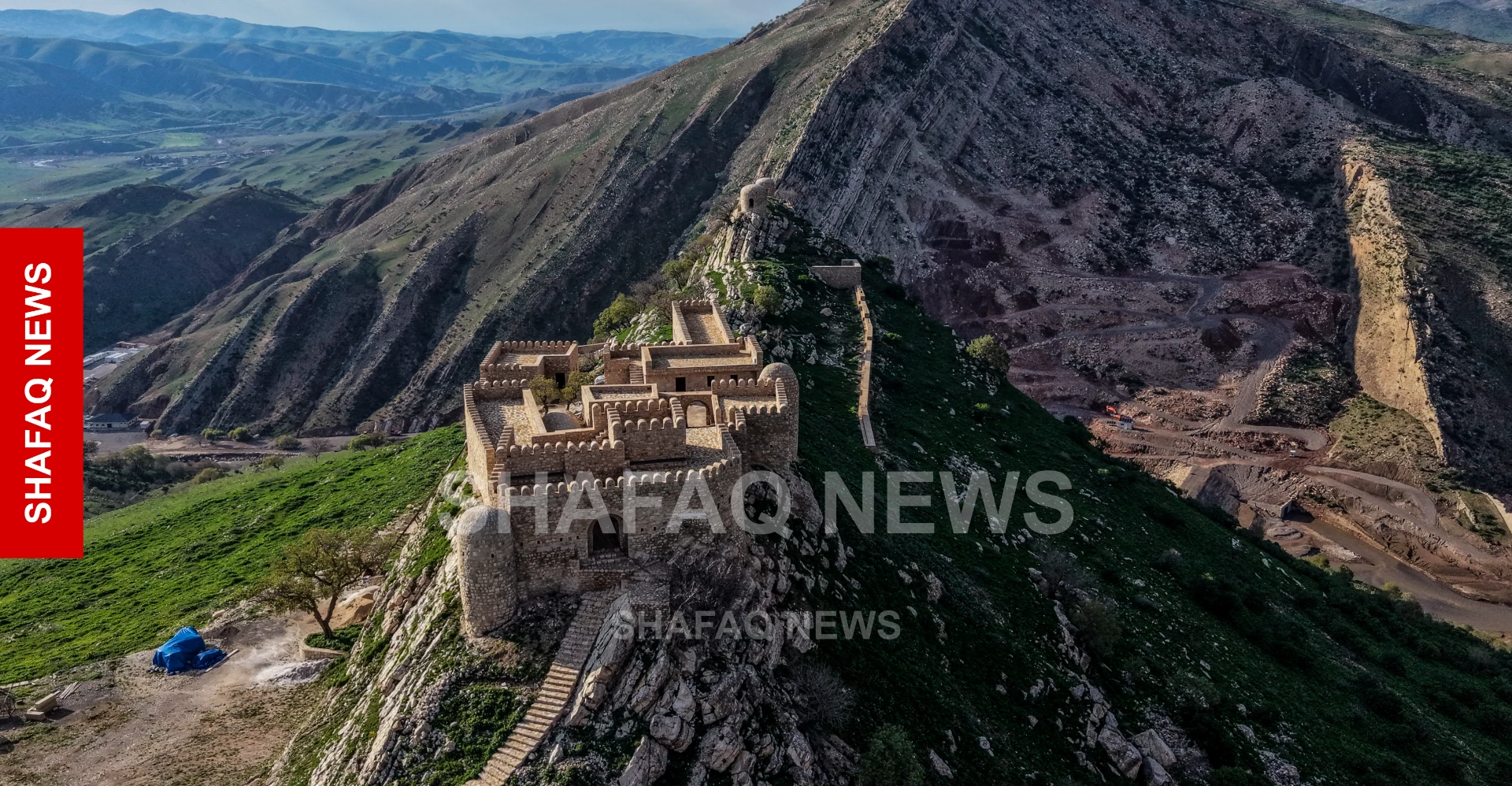
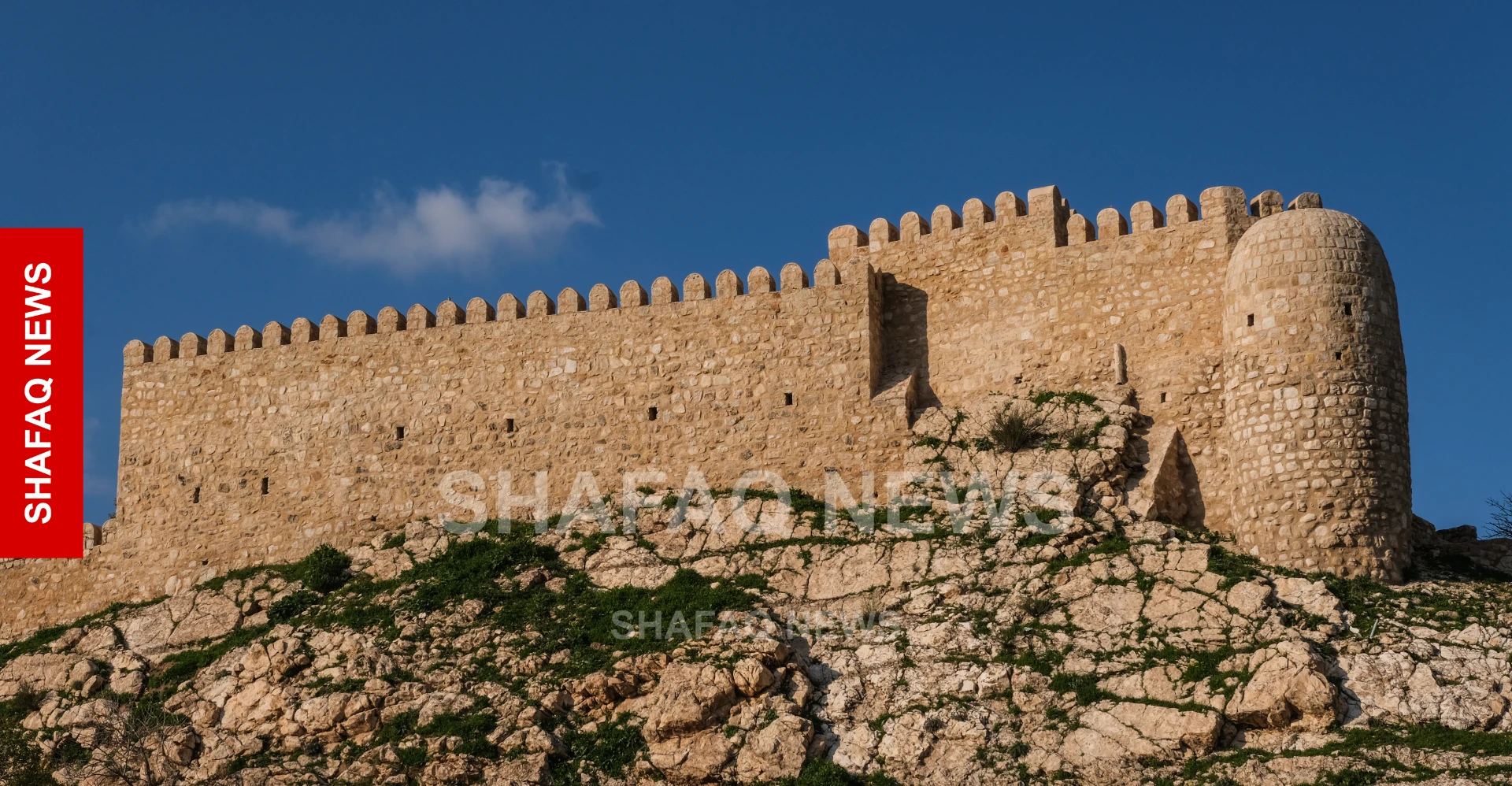
Reached through Pirmam and the villages of Armawa and Zrgos, the area includes a stone fortress on an elevated ridge, remnants of an older settlement below the mountain, and a historic cemetery nearby. Parts of the castle’s foundations and stone walls remain visible across the ridge overlooking the surrounding routes and settlement.
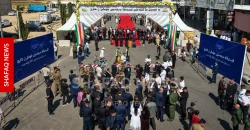
Kurdistan Region authorities also associate Dwin with Saladin. In November 2025, Kurdistan Region Prime Minister Masrour Barzani described the site as historically linked to the Ayyubid leader while inspecting restoration work intended to preserve the castle according to its original design. He had earlier directed authorities to rehabilitate the site and other historical structures in the area.
Systematic archaeological research at Dwin began in November 2014 through cooperation between Pázmány Péter Catholic University, the Kurdistan Region’s archaeology authorities, and Salahaddin University-Erbil, with work including field surveys, 3D laser scanning, aerial photography, architectural analysis, and geophysical measurements around the castle hill.
Encyclopaedia Iranica identifies Saladin’s grandfather Shadi as a notable from Dvin, a Kurdo-Armenian town in what is now Armenia, and a member of the Rawadiya branch of the Hadhbaniya Kurdish tribe. Shadi later migrated to Iraq with his sons Najm Al-Din Ayyub, Saladin’s father, and Asad Al-Din Shirkuh.
The family subsequently entered the Zangid military establishment, from which Saladin rose to power and established Ayyubid rule in Egypt and Syria. He became one of the best-known figures of the Crusades after defeating the Crusader army at Hattin in 1187 and subsequently taking Jerusalem.
For Dwin near Erbil, the surviving fortress, old settlement, cemetery, and ongoing restoration continue to preserve a strong local tradition linking the area to Saladin and the Ayyubid family, while archaeological research helps clarify the different historical periods represented at the site.
Read more: Discover Kurdistan: The Middle East's best-kept travel secret