Dukan Dam levels rise as rainfall revives springs


Shafaq News- Duhok
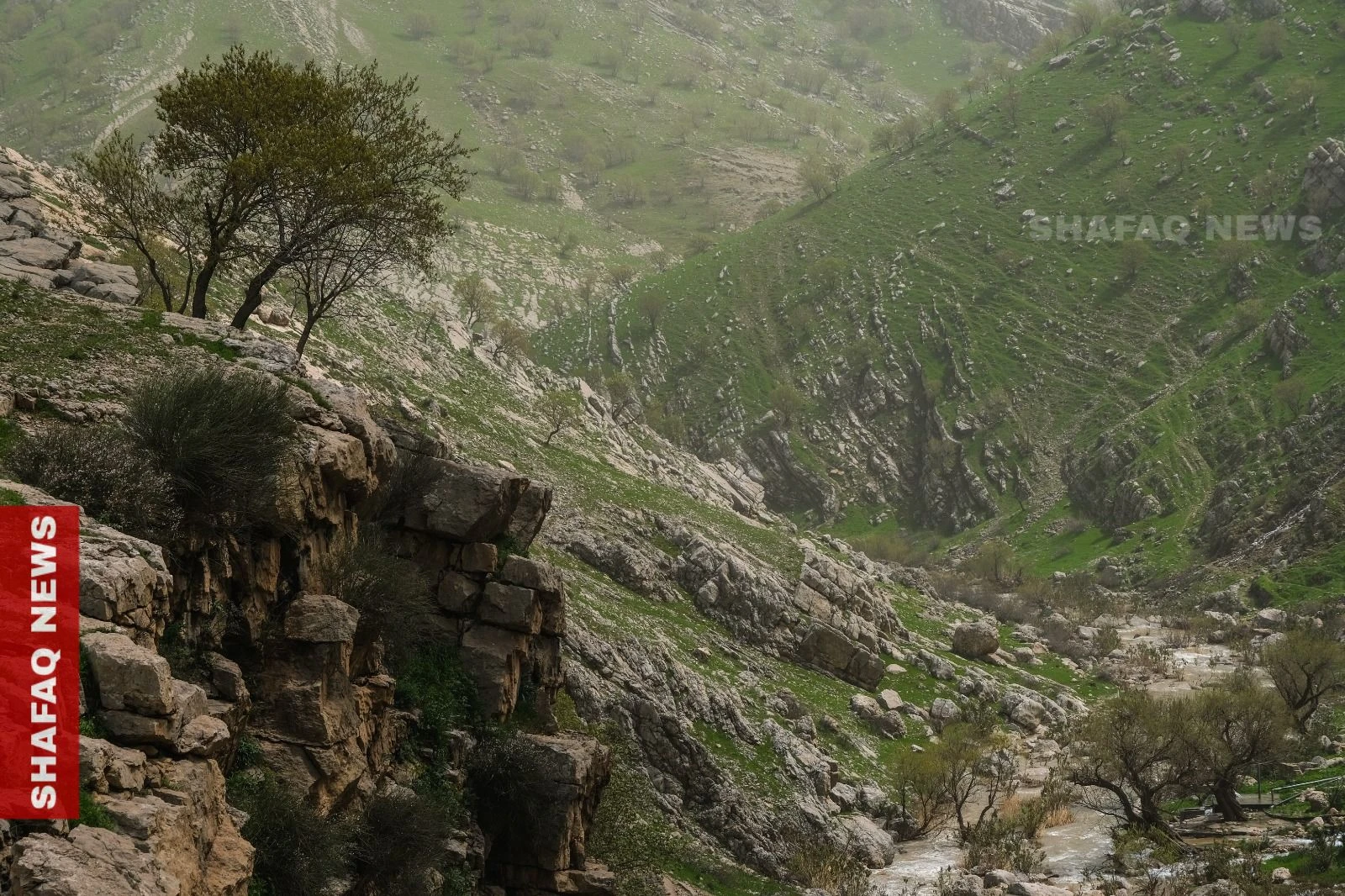
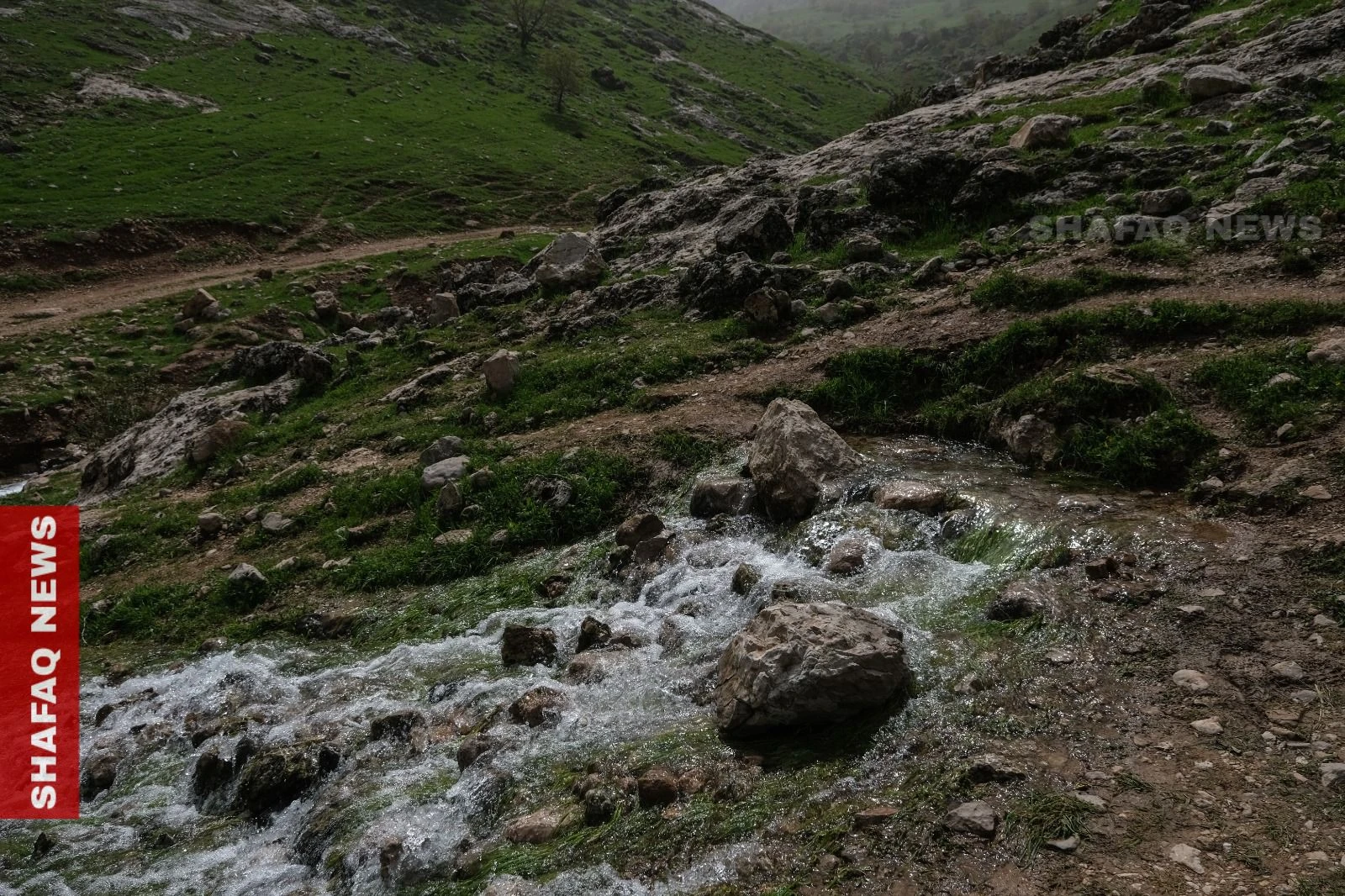
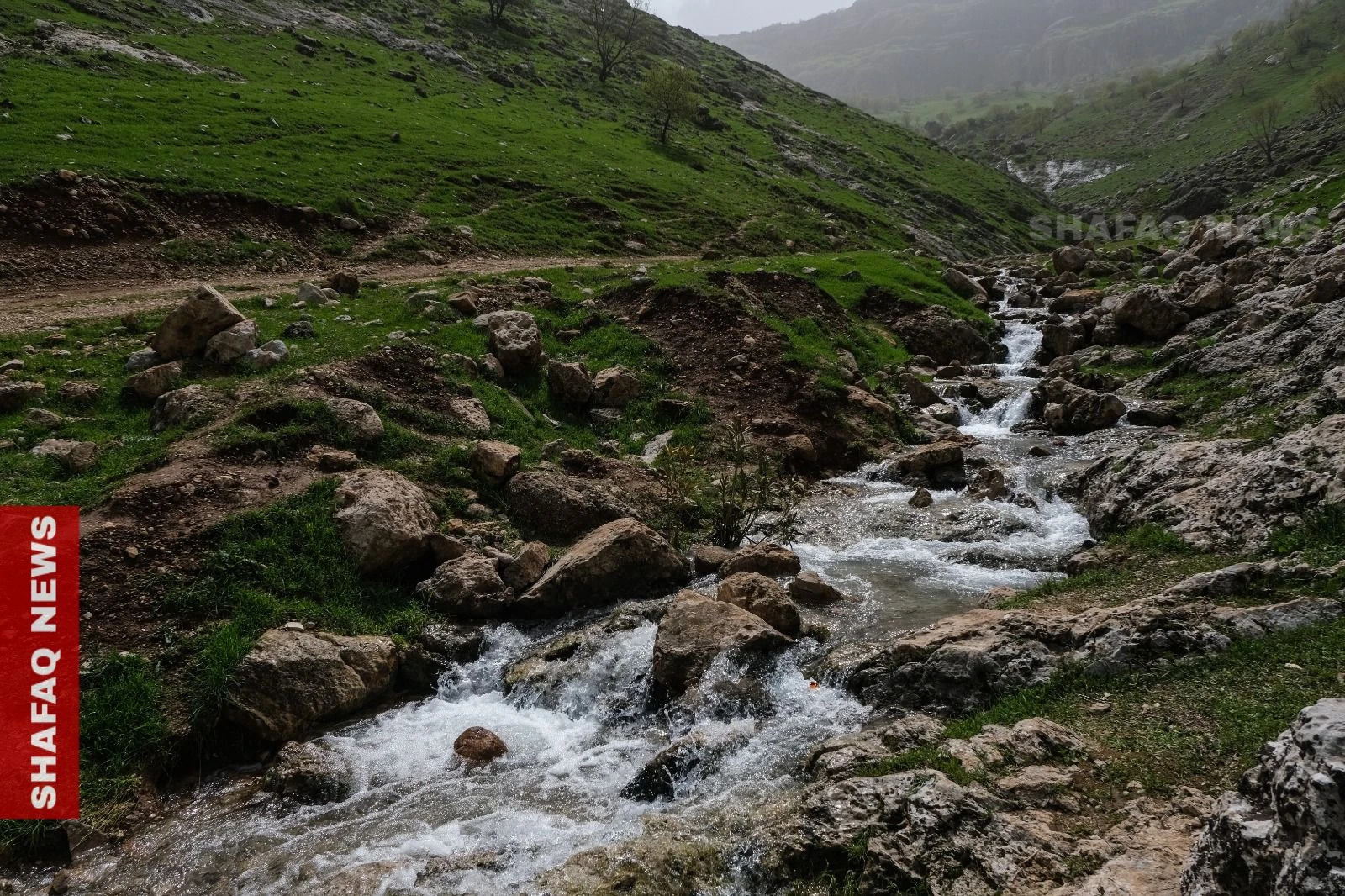
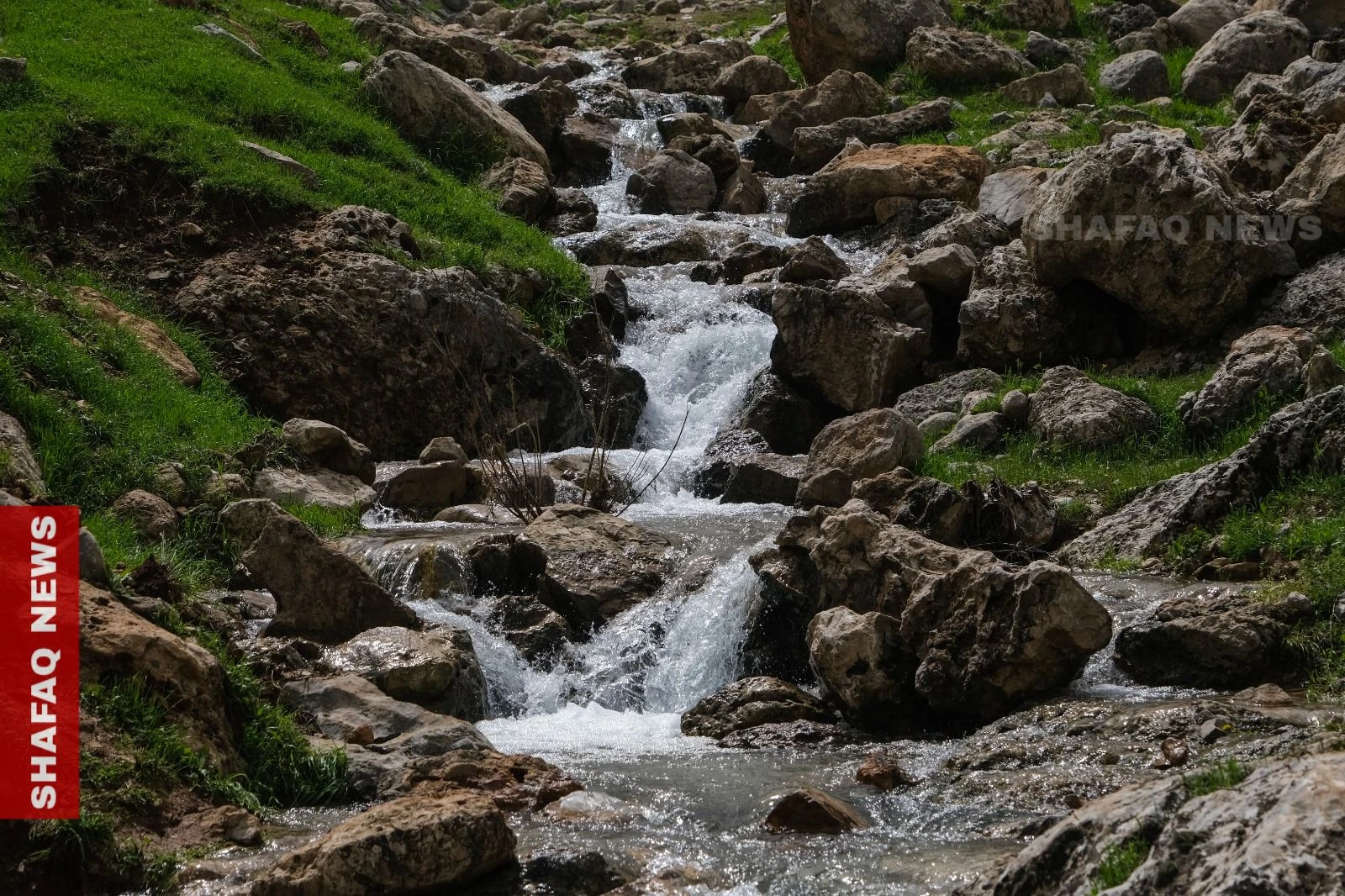
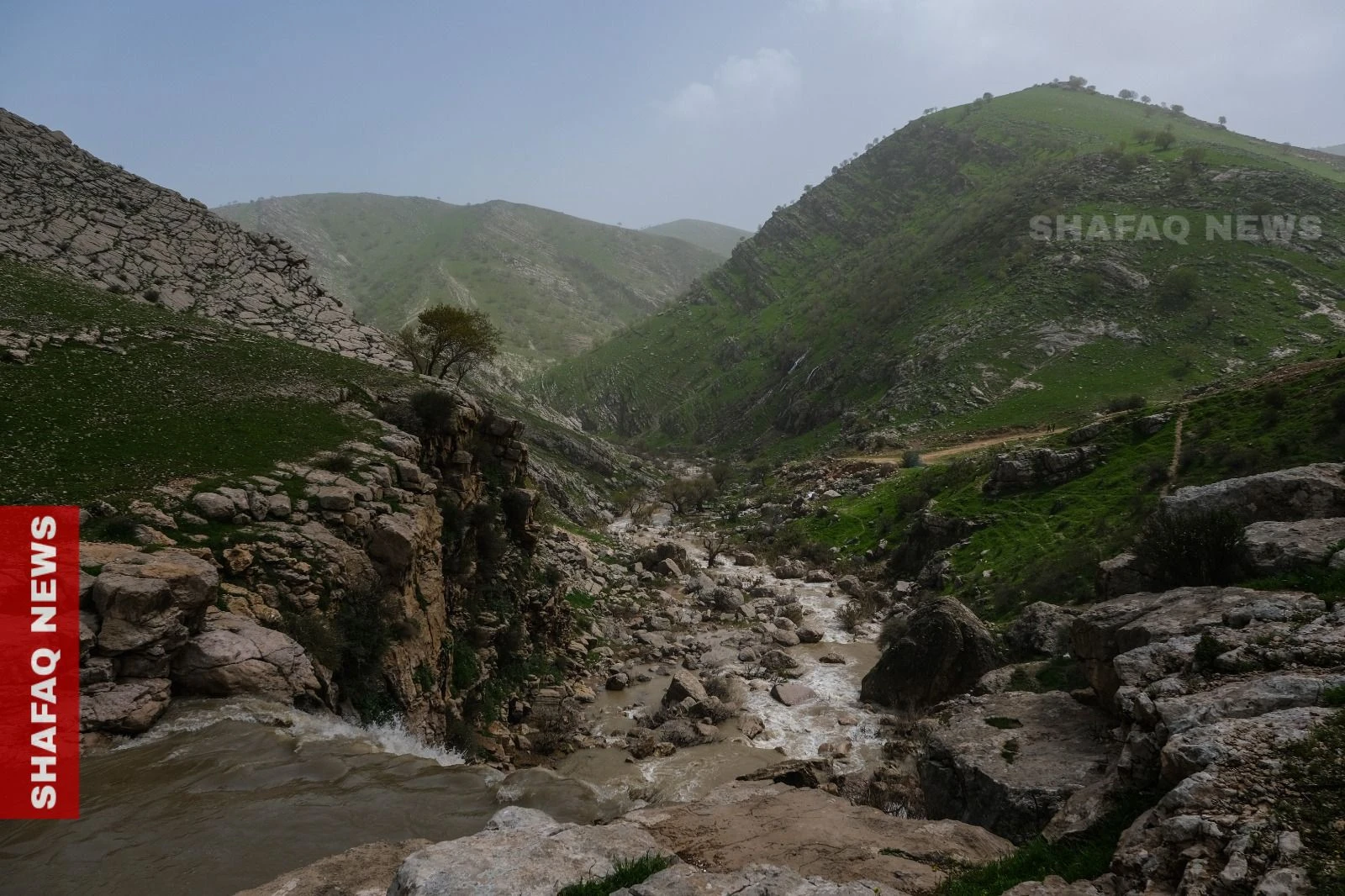
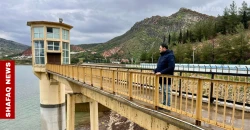
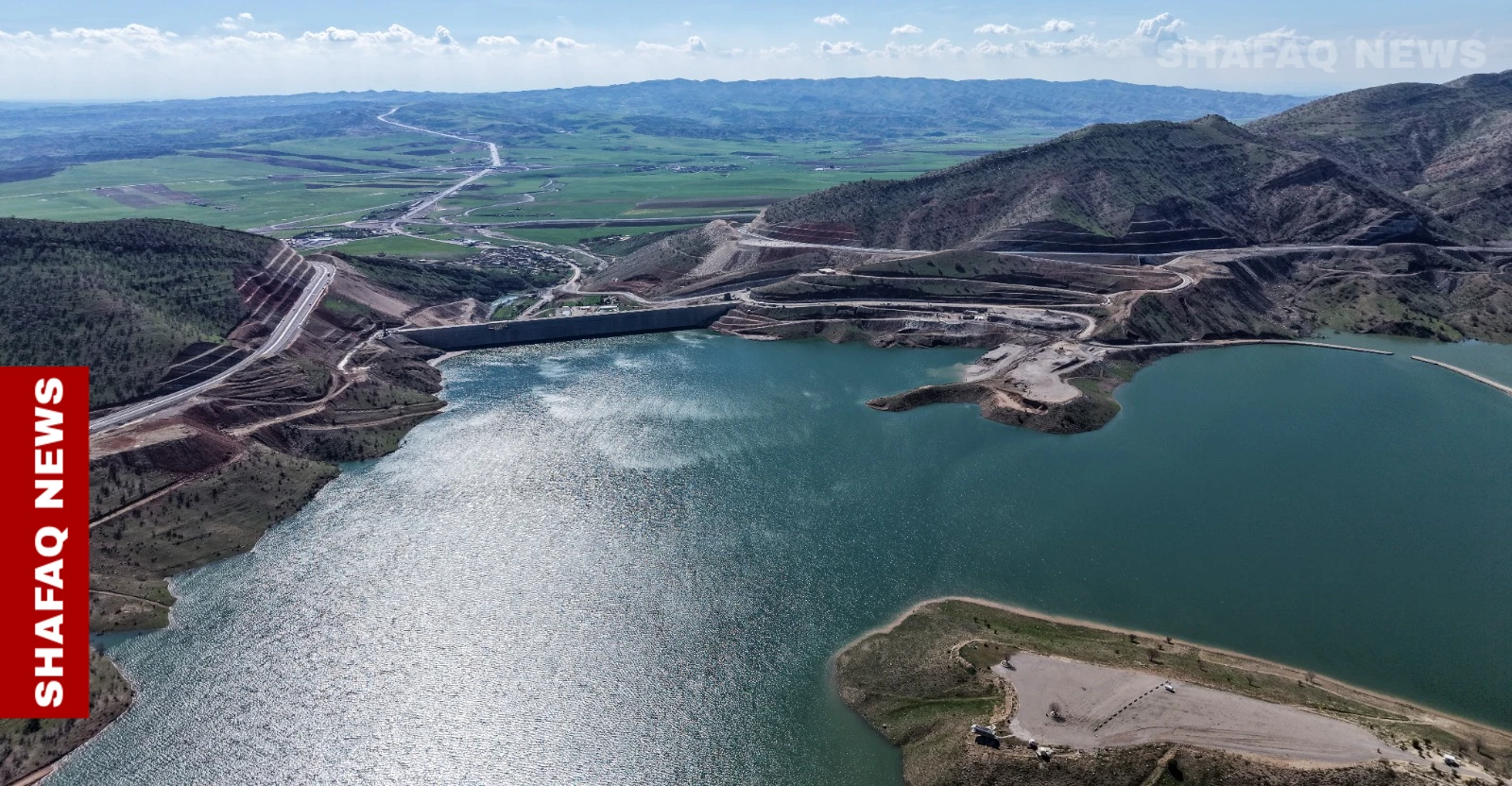
Heavy rainfall has revived springs and boosted water levels around Dukan in northern Iraq, signaling a gradual recovery after years of drought.
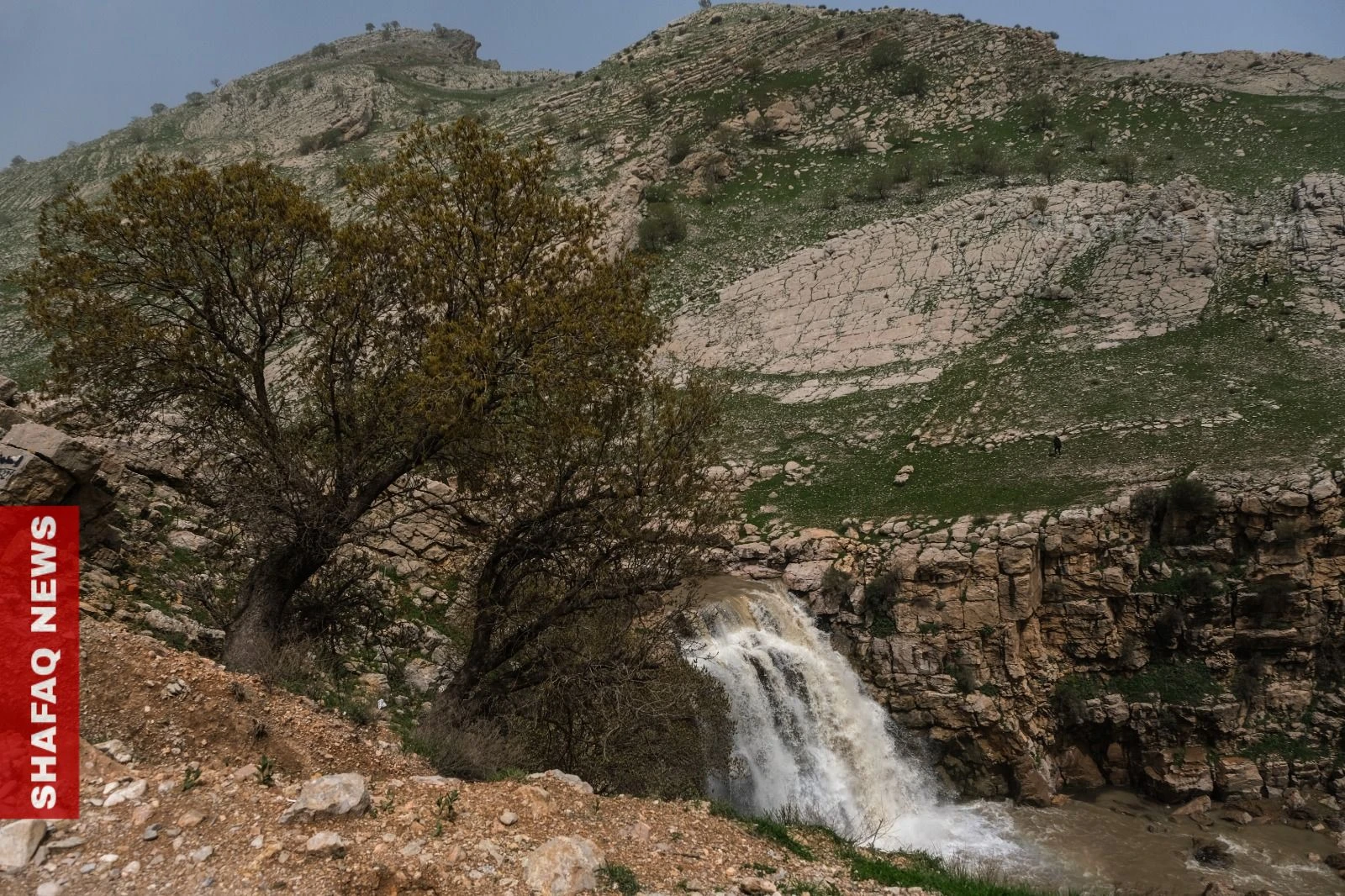
Shafaq News field observations on Monday show that increased
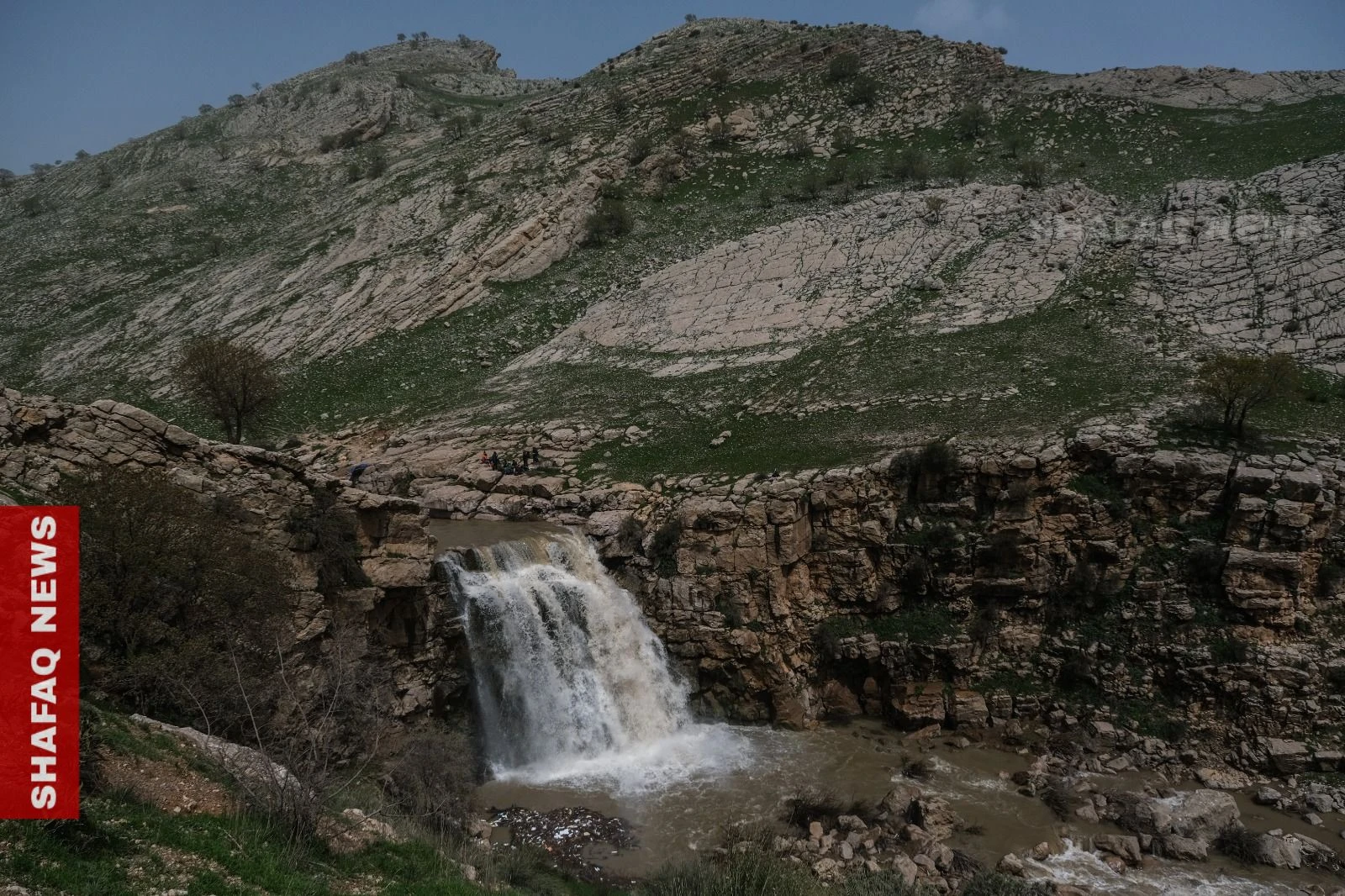
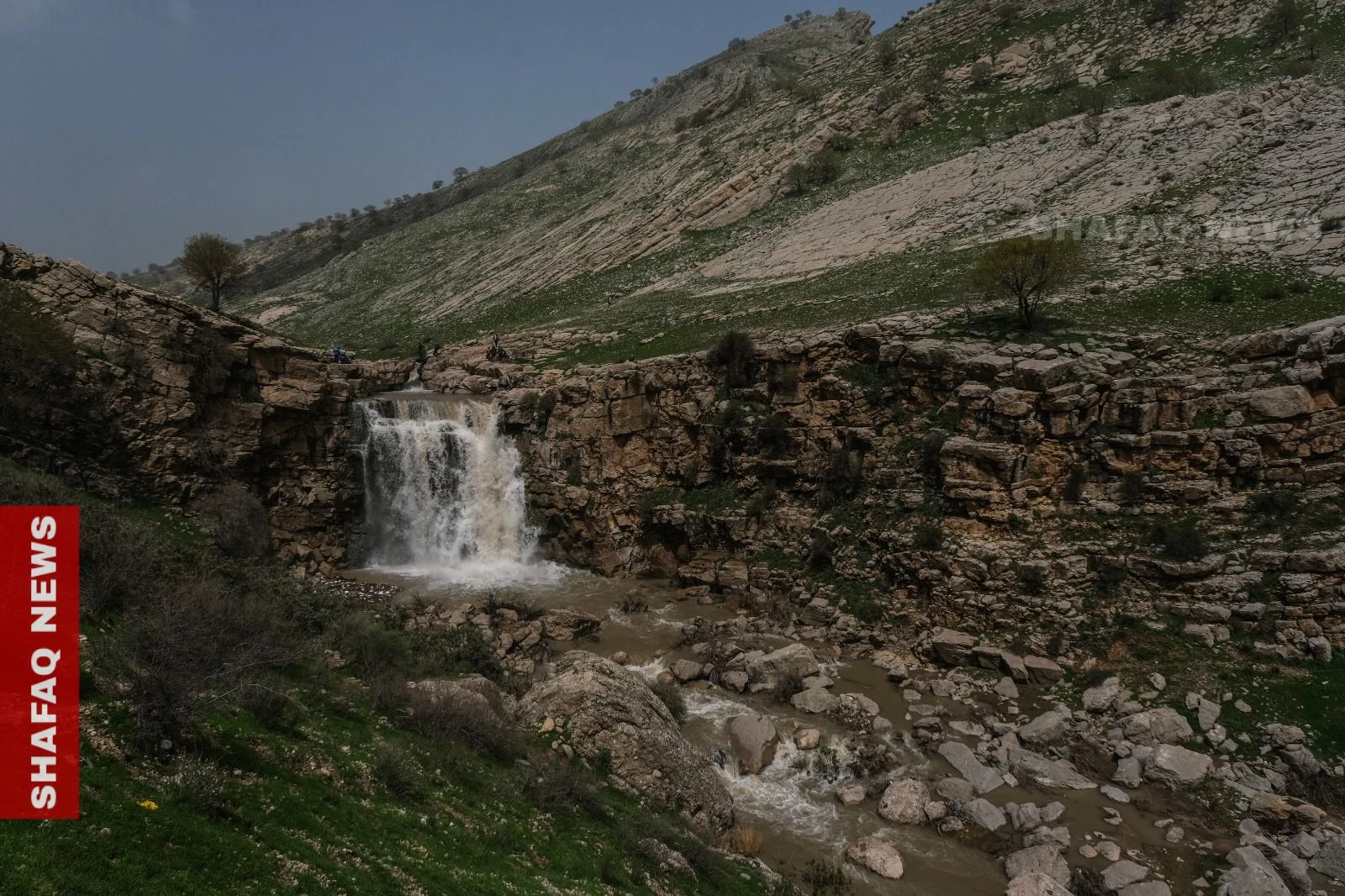
rainfall reactivated several springs and triggered seasonal flows, most notably
the Badawan waterfall, which appears only during high-rainfall years.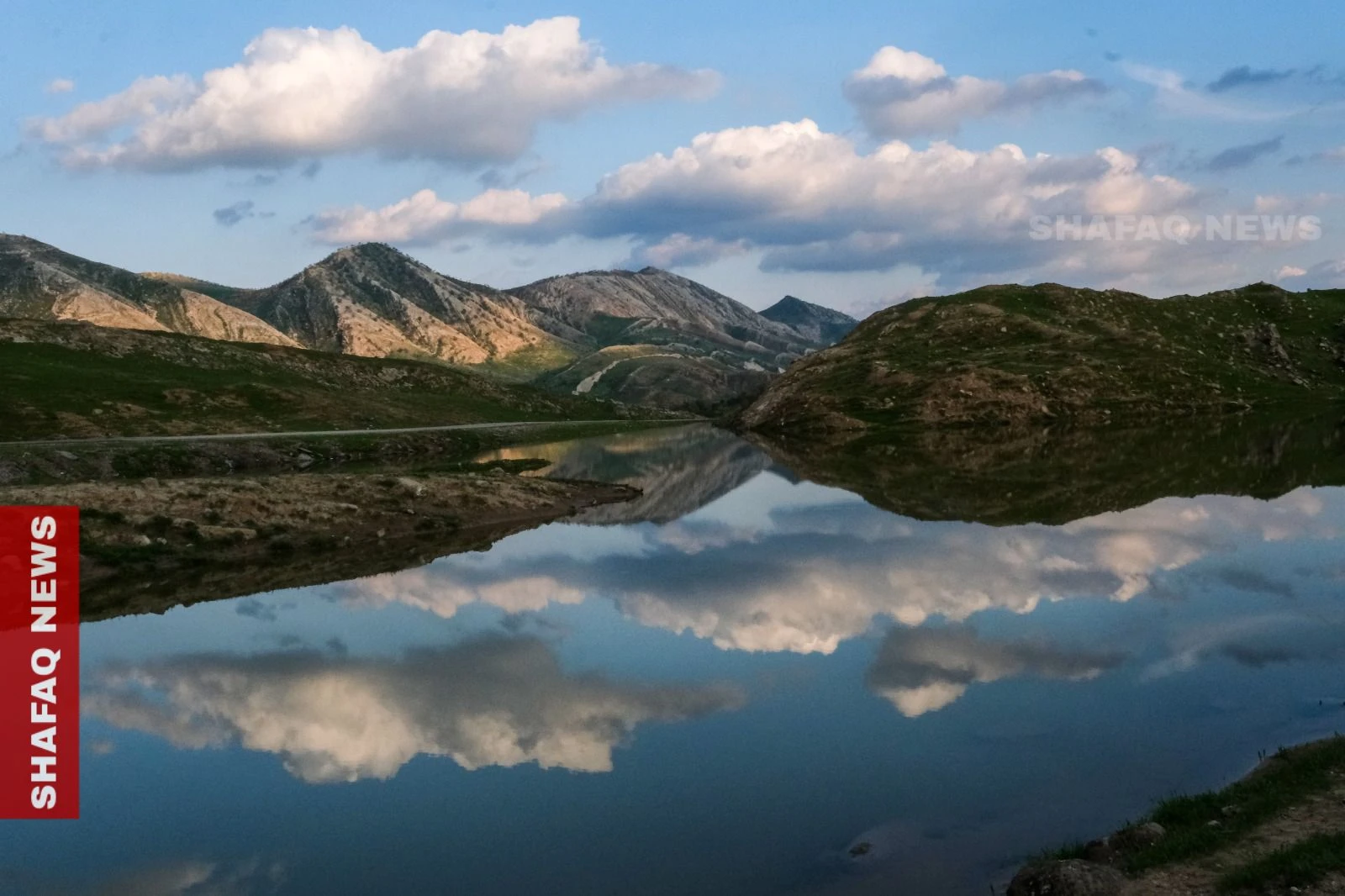
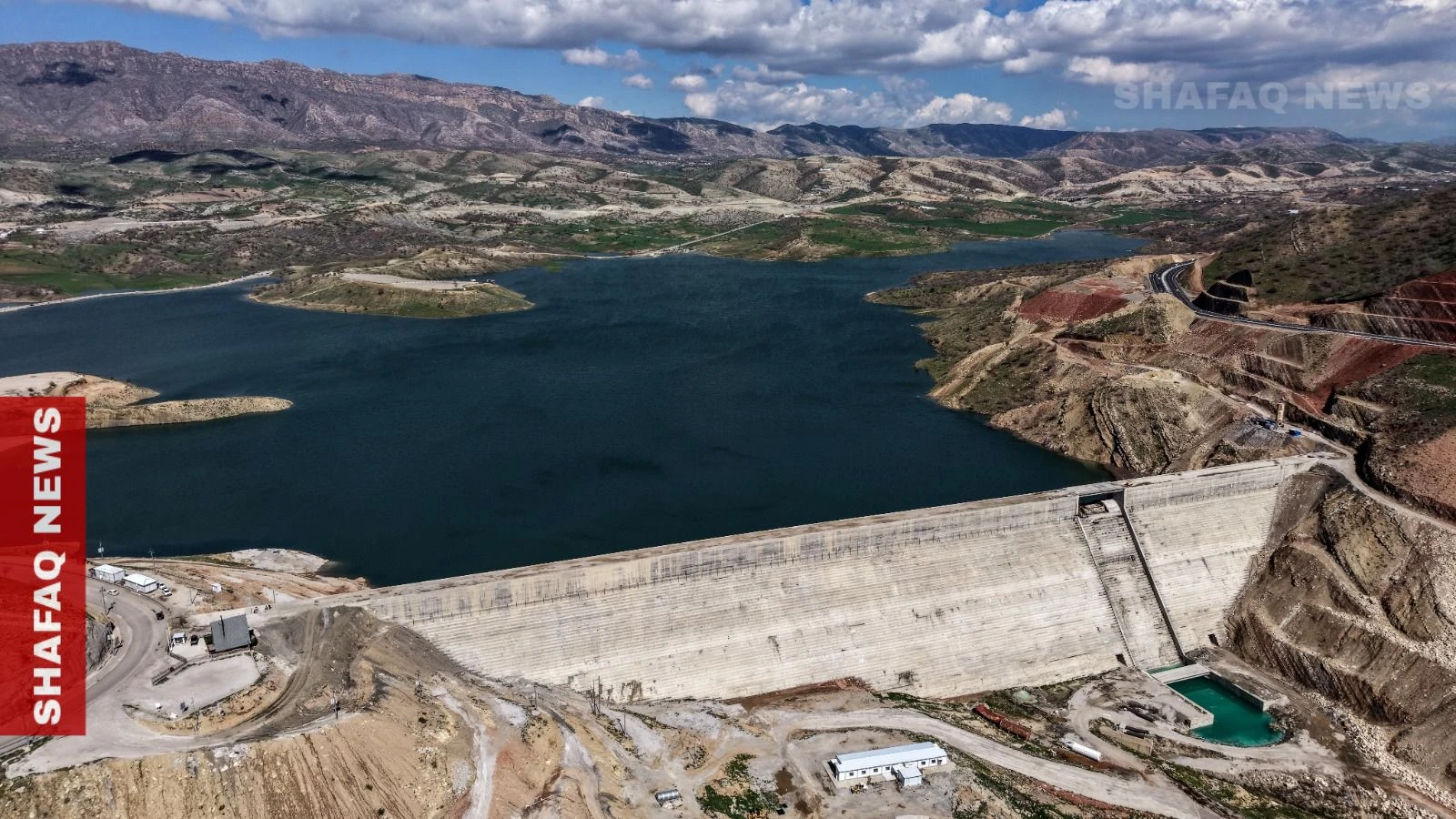
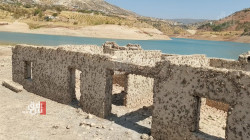
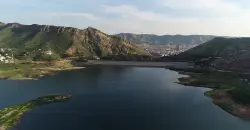
Water levels in Dukan Dam Lake continue to rise rapidly, nearing full capacity, with only about nine meters remaining. The level increased by 32 centimeters in the past 24 hours.
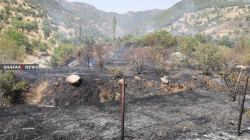
The shift has also brought clear environmental benefits, as the return of springs and waterfalls supports vegetation growth, improves soil quality, and helps restore ecological balance. However, the recovery remains largely concentrated around Dukan, with some nearby areas still experiencing weak flow or dry springs due to differences in water sources and geological conditions.
The renewed landscape is expected to boost eco-tourism,
particularly during the spring season, as waterfalls and springs attract
visitors. Capitalizing on this potential depends on infrastructure readiness,
including roads, facilities, and site management to ensure sustainability and
prevent degradation.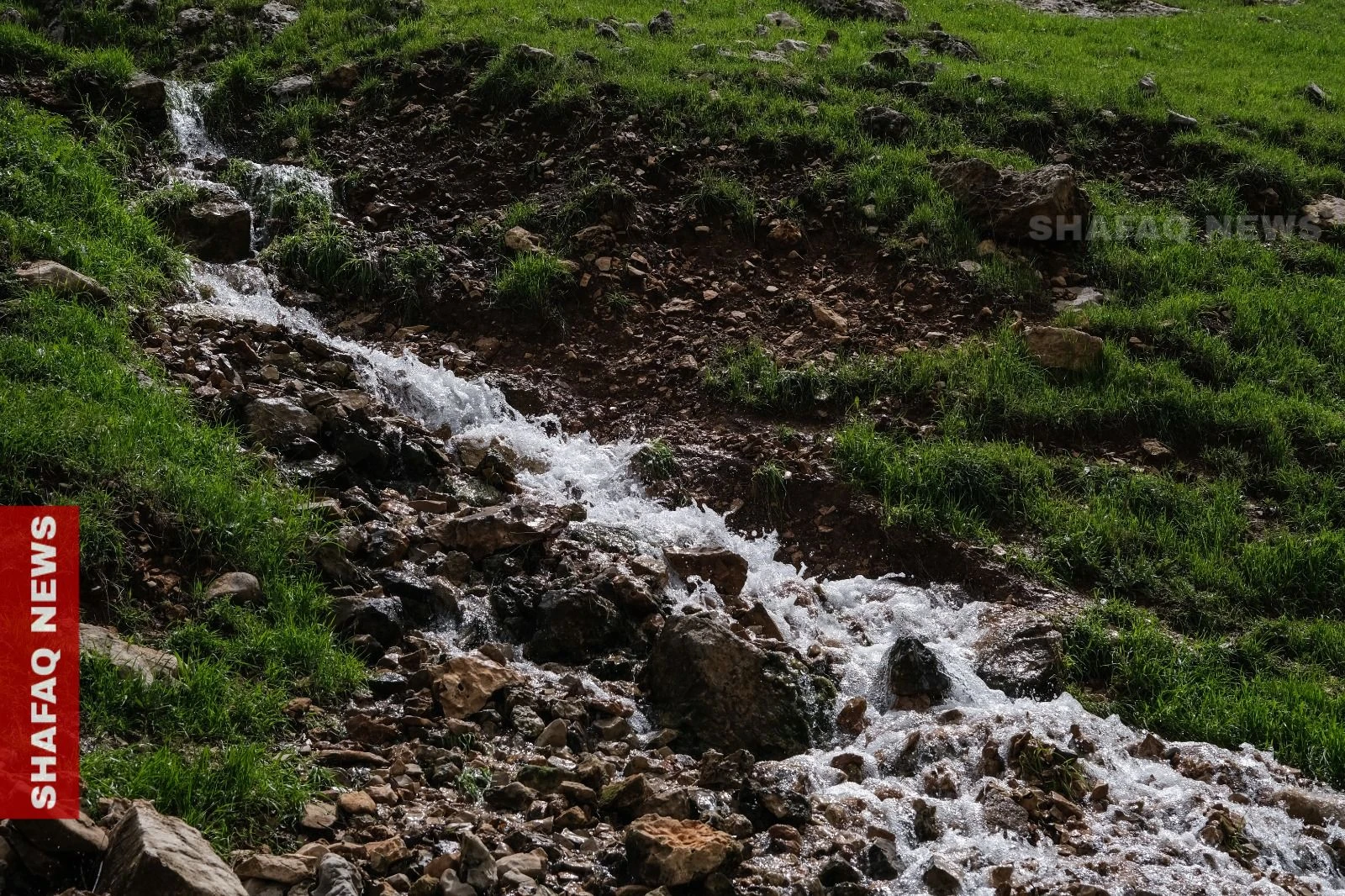
Director General of Groundwater Maytham Ali Khudair, meanwhile, told Shafaq News that groundwater responds more slowly to rainfall than surface water, noting that while surface water can move at speeds of up to 60 kilometers per day, groundwater flows at less than half a centimeter per day. He clarified that deeper groundwater systems —particularly in Al-Anbar desert and parts of Mosul, Najaf, Karbala, Al-Muthanna, and Basra— require extended periods, often multiple wet seasons, to show recharge effects, while shallower reserves may respond within 10 days to several months depending on soil conditions and geological formations.
Some springs in Mosul, Khudair added, resumed flowing about
10 days after rainfall, while groundwater levels in wells have risen notably in
parts of Wasit, Maysan, and Diyala.