Cabinet moves to prevent fuel monopoly in Kurdistan Region


Shafaq News- Erbil
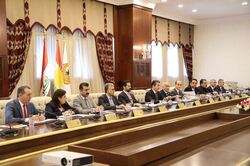
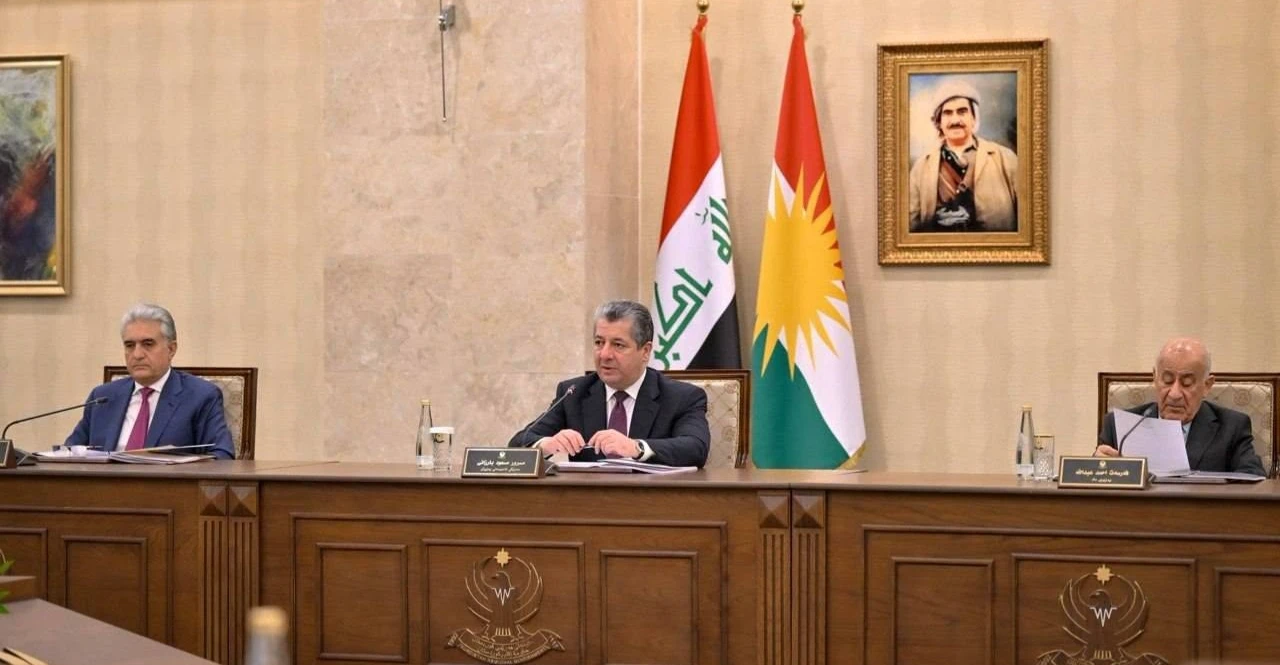
The Kurdistan Regional Government (KRG) instructed the Ministry of Natural Resources on Wednesday to take the necessary steps to resolve the fuel problem and prevent monopoly.
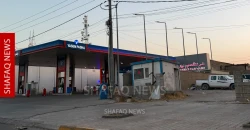
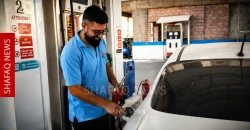
Long queues have formed at gasoline stations across Erbil since last week as fuel supplies ran short, disrupting daily travel for residents despite recent government price cuts. KRG spokesperson Peshawa Hawramani confirmed to Shafaq News that officials met with gasoline traders to discuss the shortage and identify possible solutions.
The KRG also affirmed the Kurdistan Region’s “constitutional right” to its share of oil allocated for domestic consumption at the national level, to be distributed according to population and the principles of equality and balance set out in the Iraqi constitution.
About The Fuel Shortage
Before supplies declined, gasoline prices at private, non-subsidized stations had risen significantly. High-octane gasoline was selling for around 2,000 Iraqi dinars per liter ($1.54), improved gasoline for about 1,750 dinars ($1.35), and regular gasoline for more than 1,300 dinars ($1.00).
Those fuel categories have since become scarce at many stations, with some locations offering only diesel and liquefied gas.
To ease pressure on consumers and regulate the market, the KRG has introduced lower fuel prices. Earlier this week, Erbil Governor Omed Khoshnaw declared that around 280 stations had committed to selling commercial regular gasoline at 850 Iraqi dinars ($0.65) per liter, while government-supplied gasoline would remain at 750 dinars ($0.58).
A Shafaq News survey, however, found regular gasoline still selling for around 1,300 dinars ($1.00) at some commercial stations, improved gasoline at 1,500 to 1,650 dinars ($1.15 to $1.27), and super gasoline at 1,700 to 2,000 dinars ($1.31 to $1.54).