Al-Sulaymaniyah: Price hikes and salary delays curb holy month spending
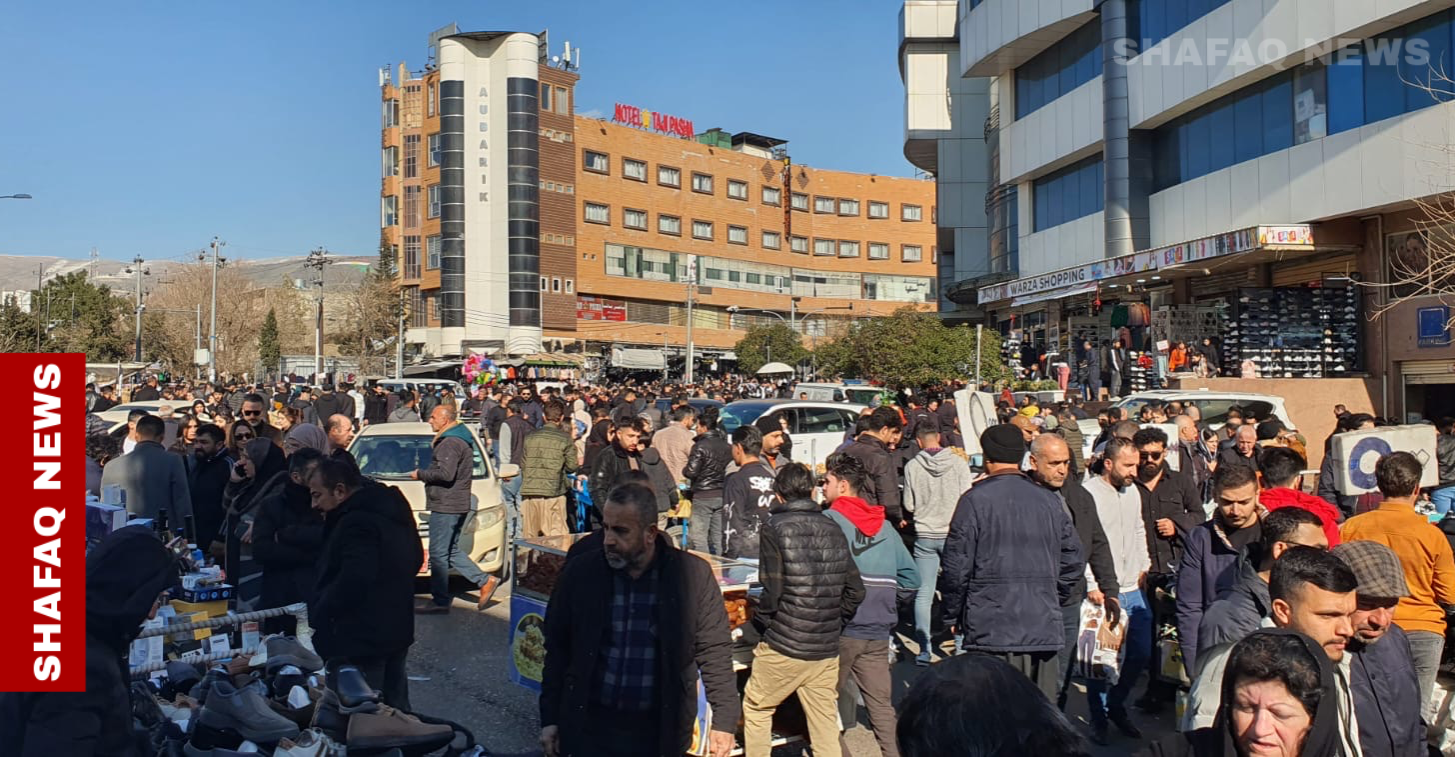


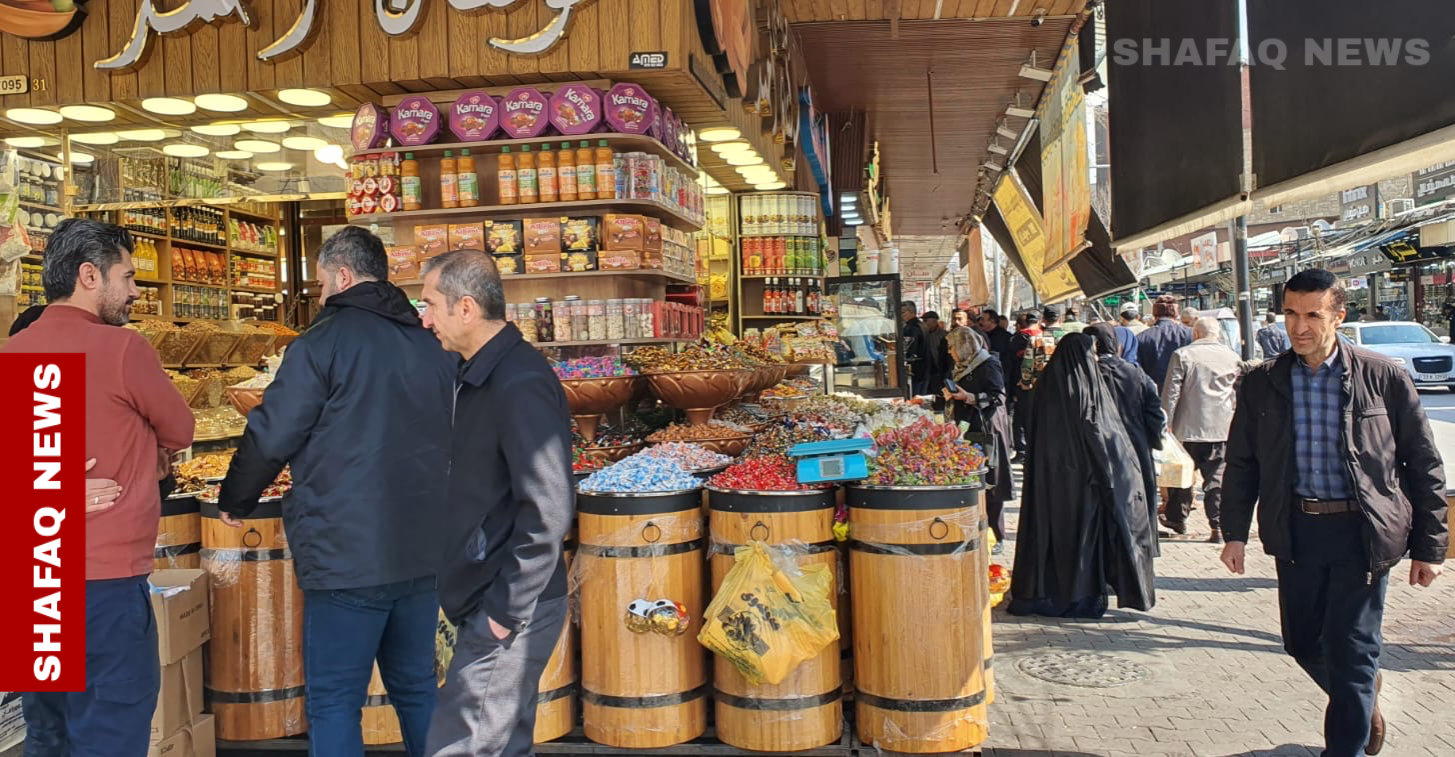
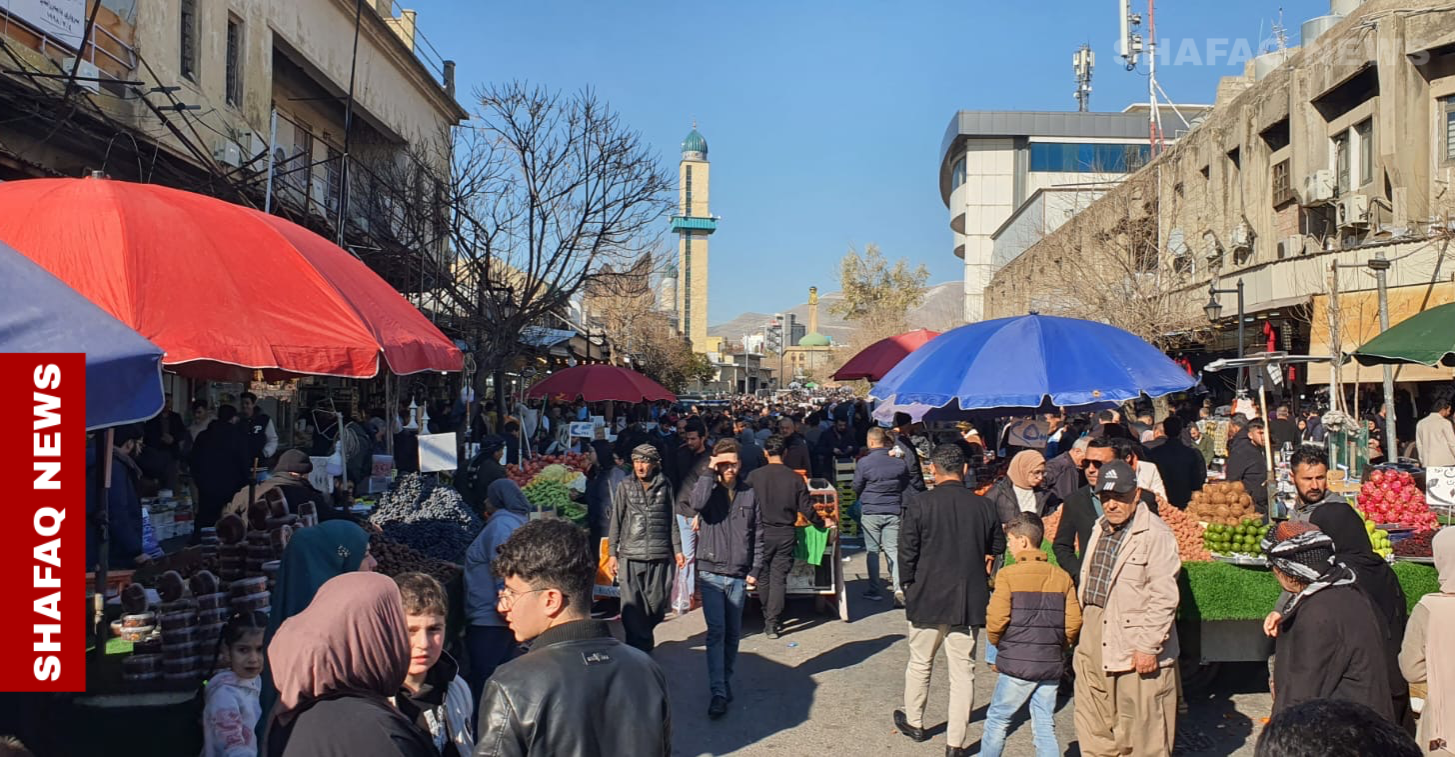
Shafaq News/ Market activity in Al-Sulaymaniyah has slowed during the holy month of Ramadan as soaring prices and delayed salary payments curb consumer spending.
Residents and vendors attributed the decline to economic hardship and inflation, compounded by cold weather discouraging outdoor shopping. Many households are prioritizing necessities while postponing non-essential purchases.
“Every year, we stock up on staples like rice, sugar, and oil for the holy month of Ramadan, but this time, financial pressures are forcing many to cut back,” Joanne Kamel, a local resident, told Shafaq News.
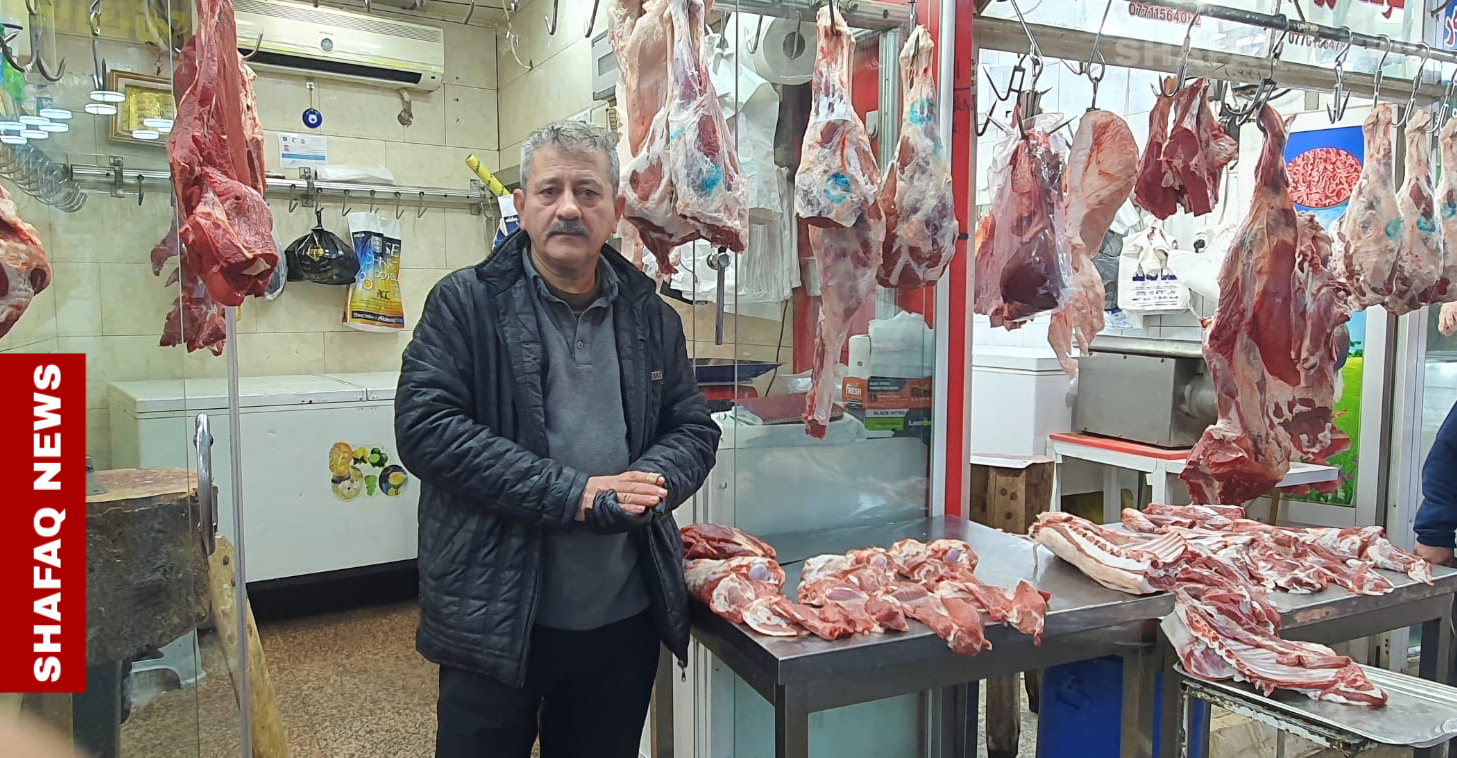
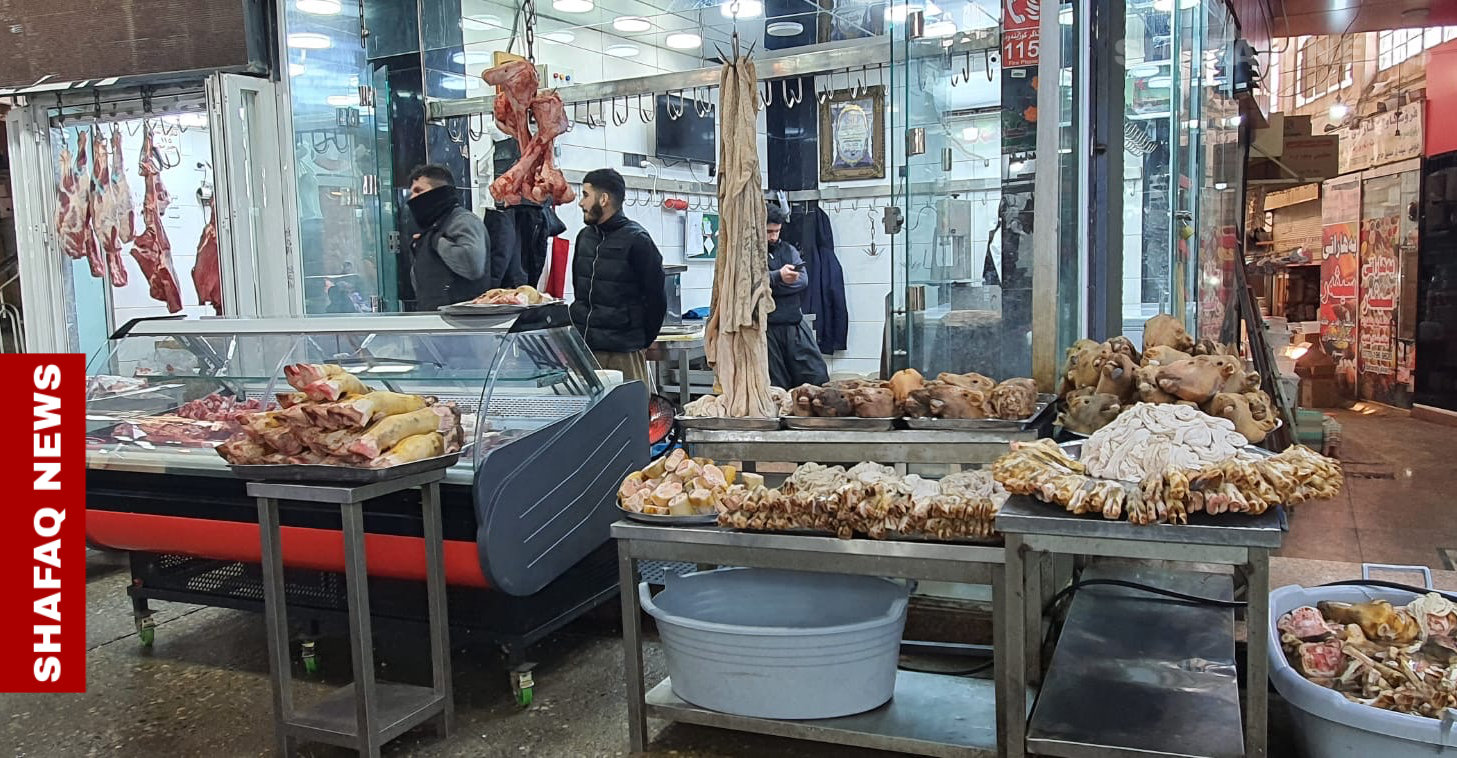
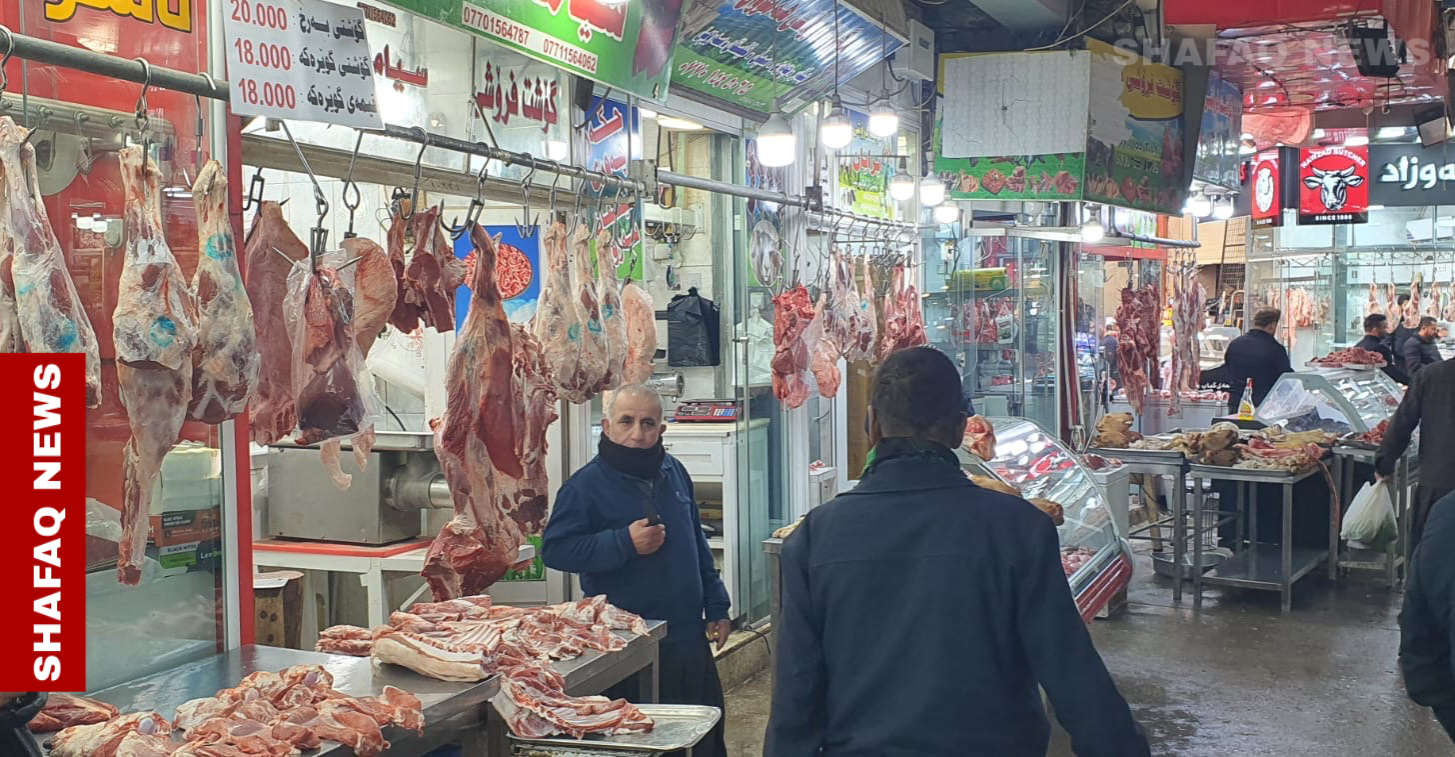
Meat and poultry prices have seen the steepest increases, leading to smaller purchases, according to Aso Omar, spokesperson for the local butchers’ association. “People are buying just a kilogram or less,” he told Shafaq News.
Omar pointed out to rising prices, with meat now costing between 20,000 and 21,000 Iraqi dinars ($13.60-$14.30) per kilogram, compared to 17,000 to 18,000 dinars ($11.60-$12.30) last year.
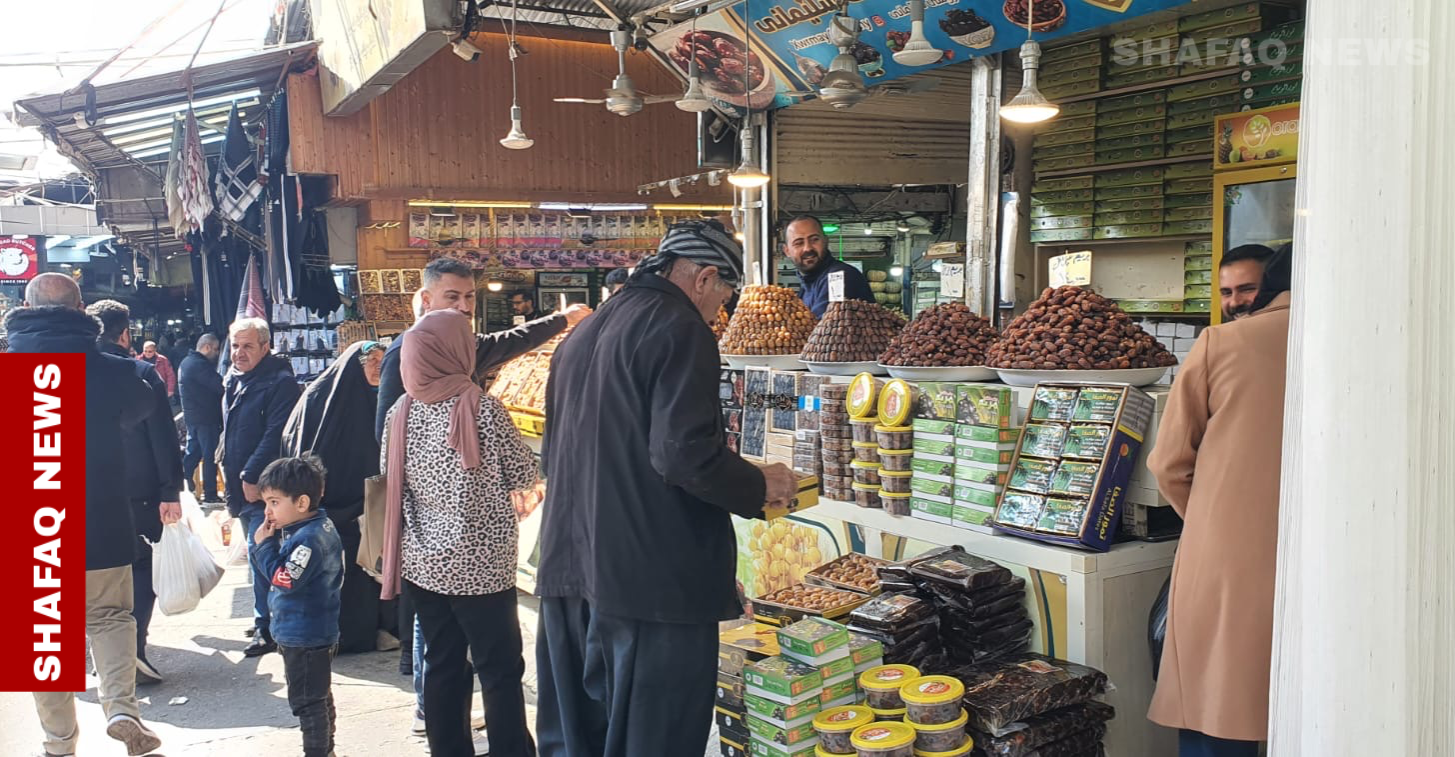
Date vendors have also noticed subdued demand, of which Barham Rashid said that “despite stable prices, customers are hesitant to buy in bulk, waiting for salaries to be disbursed.”
“Colder weather has led more consumers to shop at nearby supermarkets rather than visit traditional markets,” Rashid told Shafaq News.
Regarding distributing the government-subsidized holy month of Ramadan food basket, an essential support for low-income families, shopper Hiwa Abdullah noted residents’ concern about its delays.
“Prices keep rising, and without timely salary payments or government aid, many are forced to reduce or postpone purchases,” Abdullah told Shafaq News, urging authorities to intervene in price regulation and ensure timely assistance.