AANES representative in Iraqi Kurdistan declares general mobilization


Shafaq News– Al-Sulaymaniyah
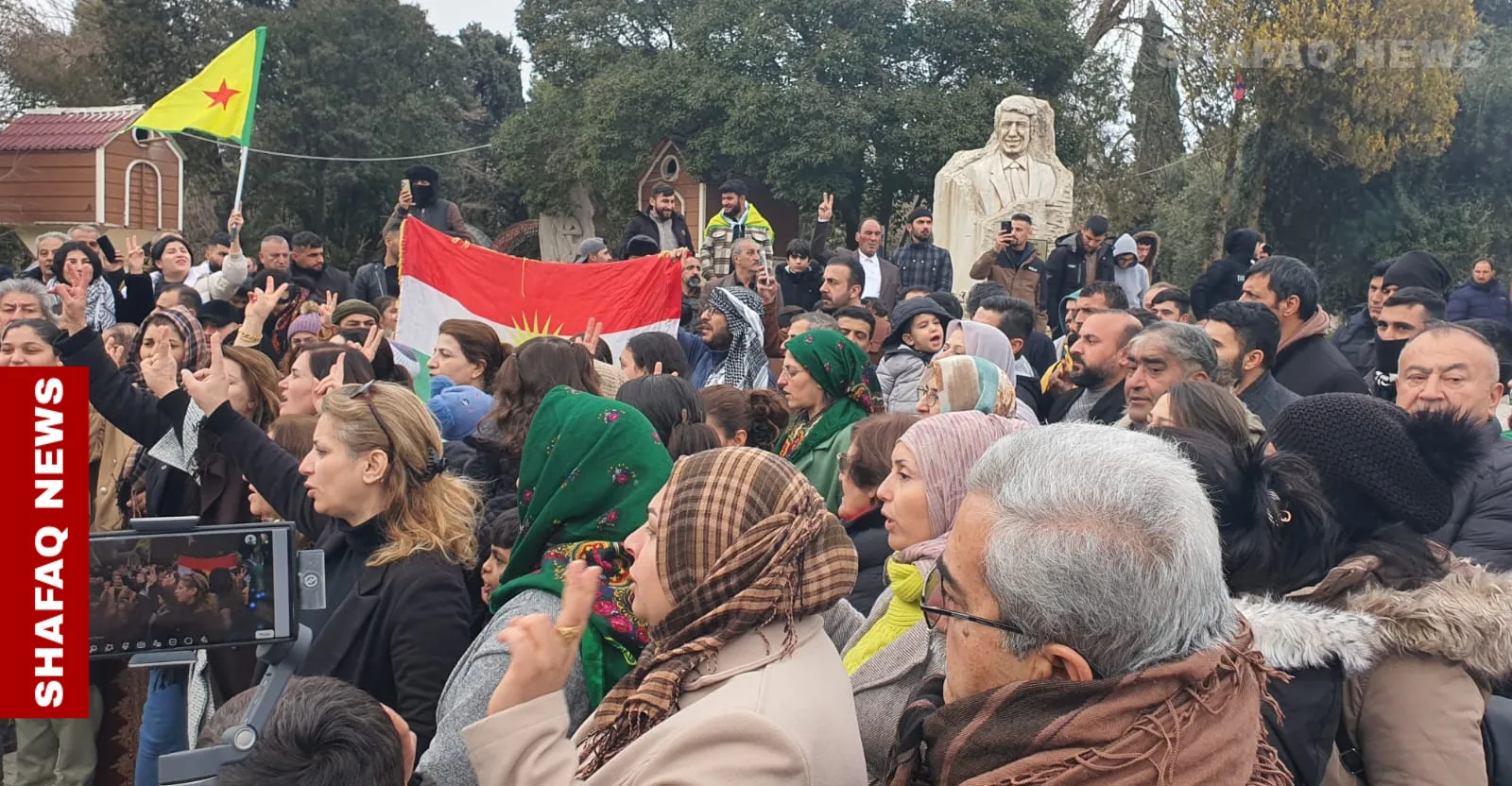
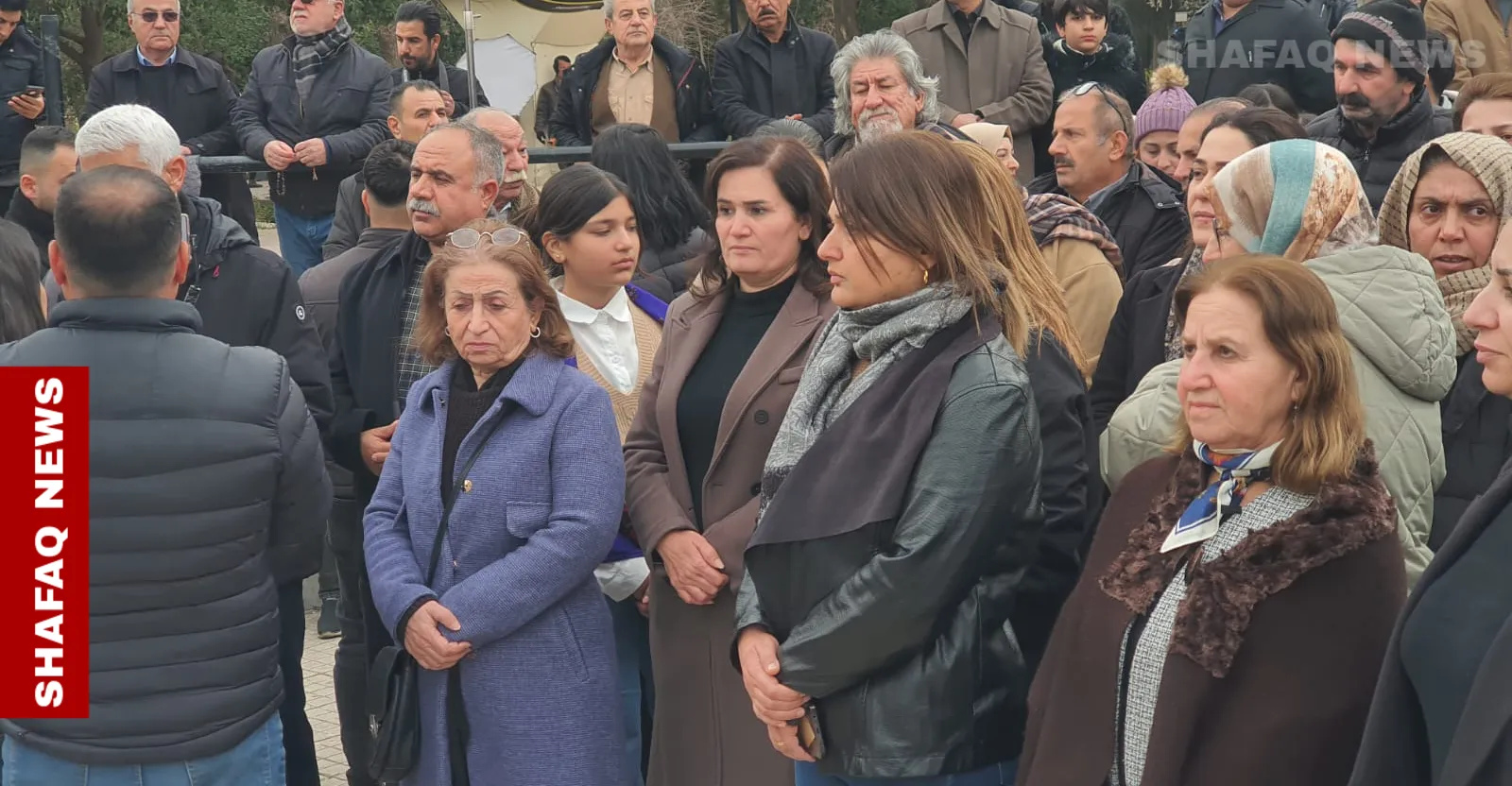
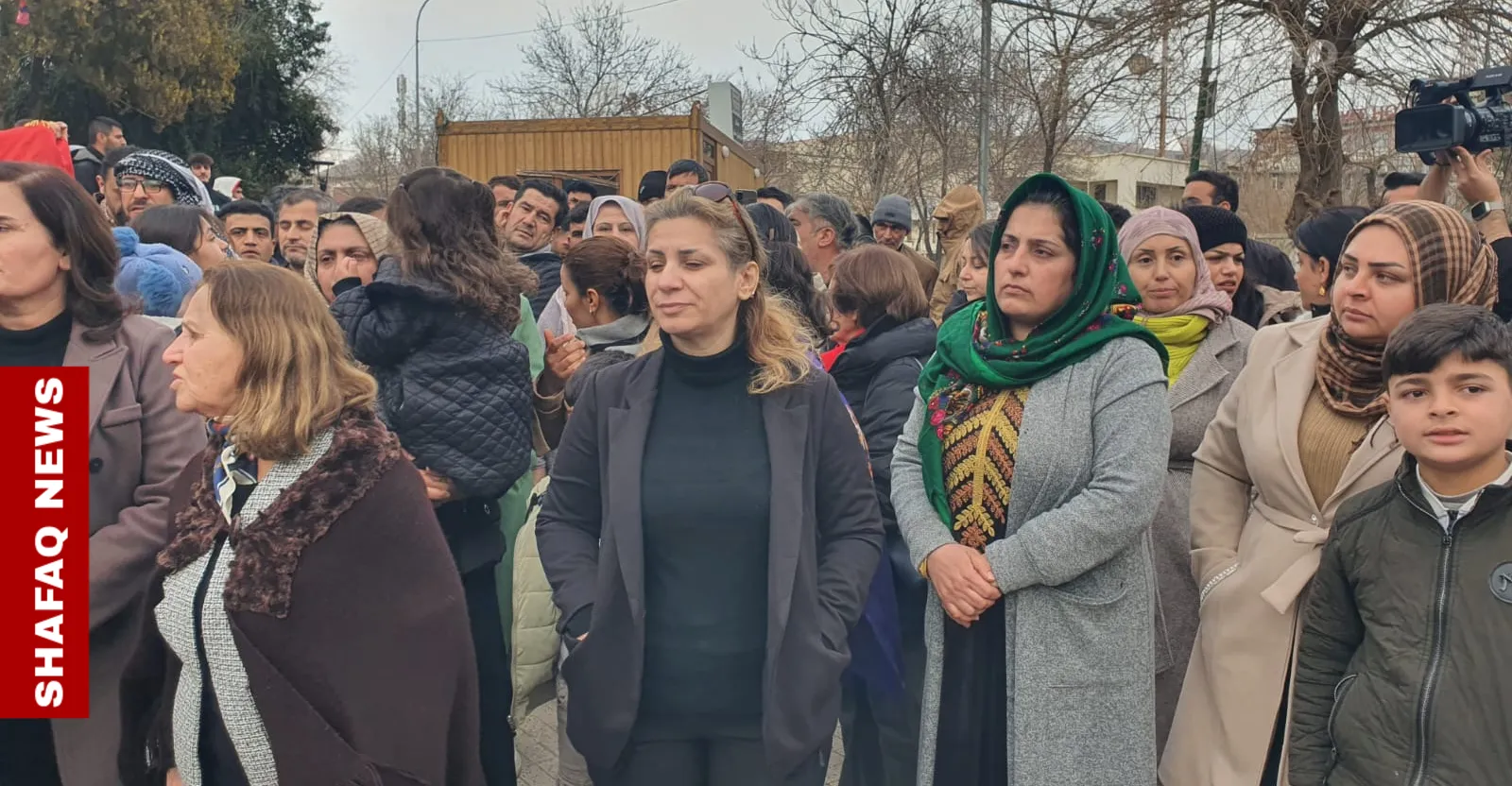
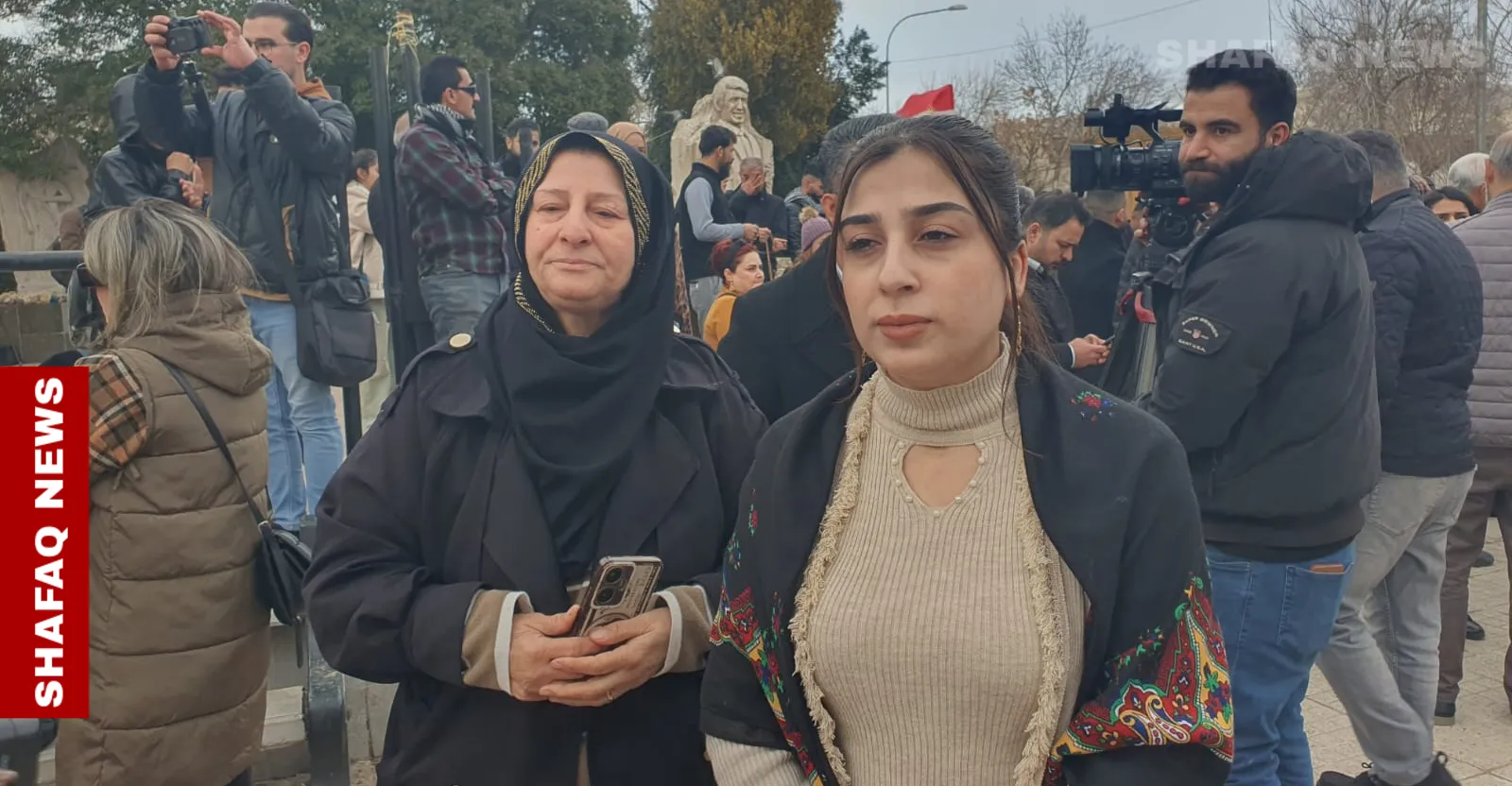
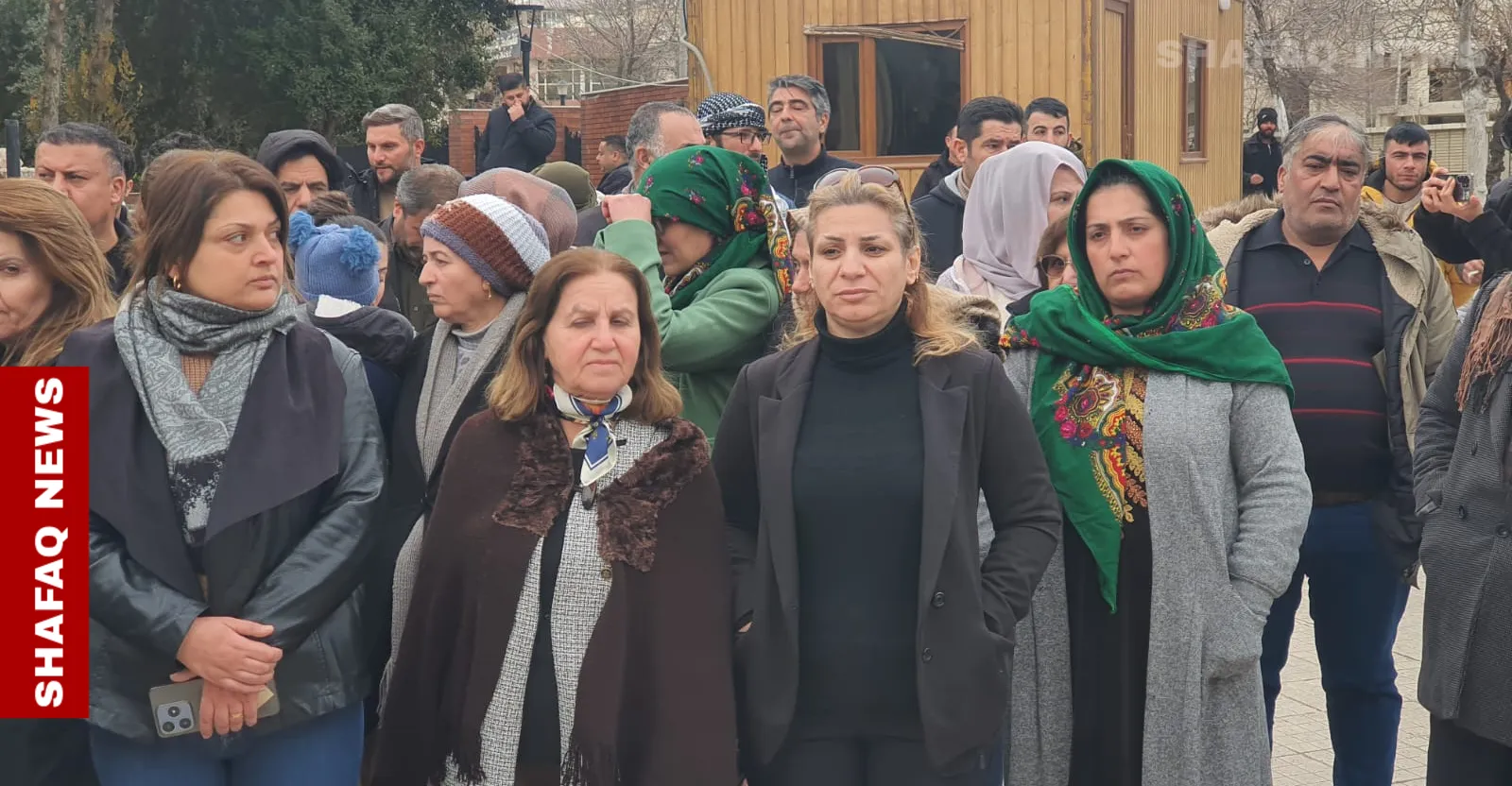
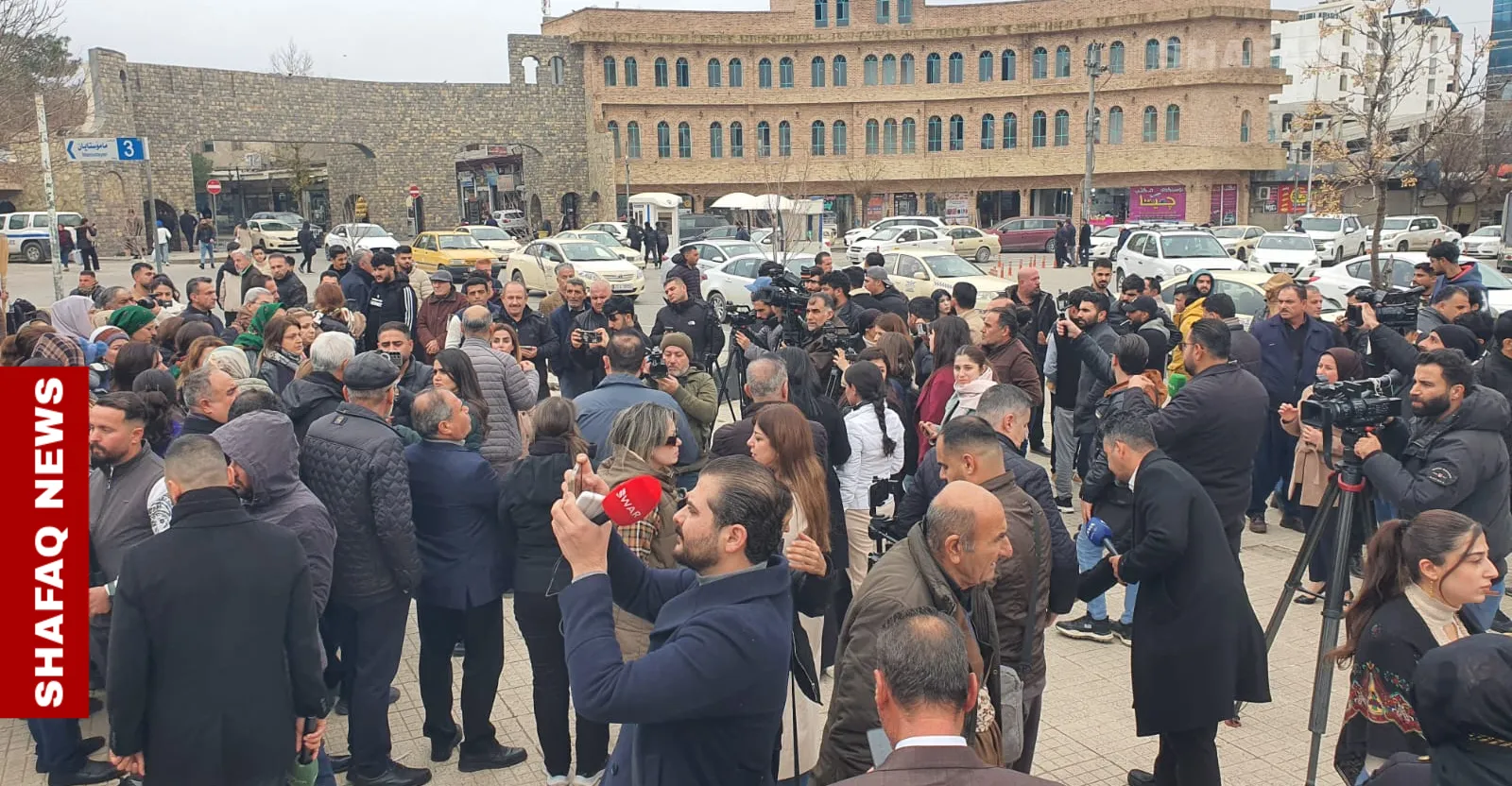
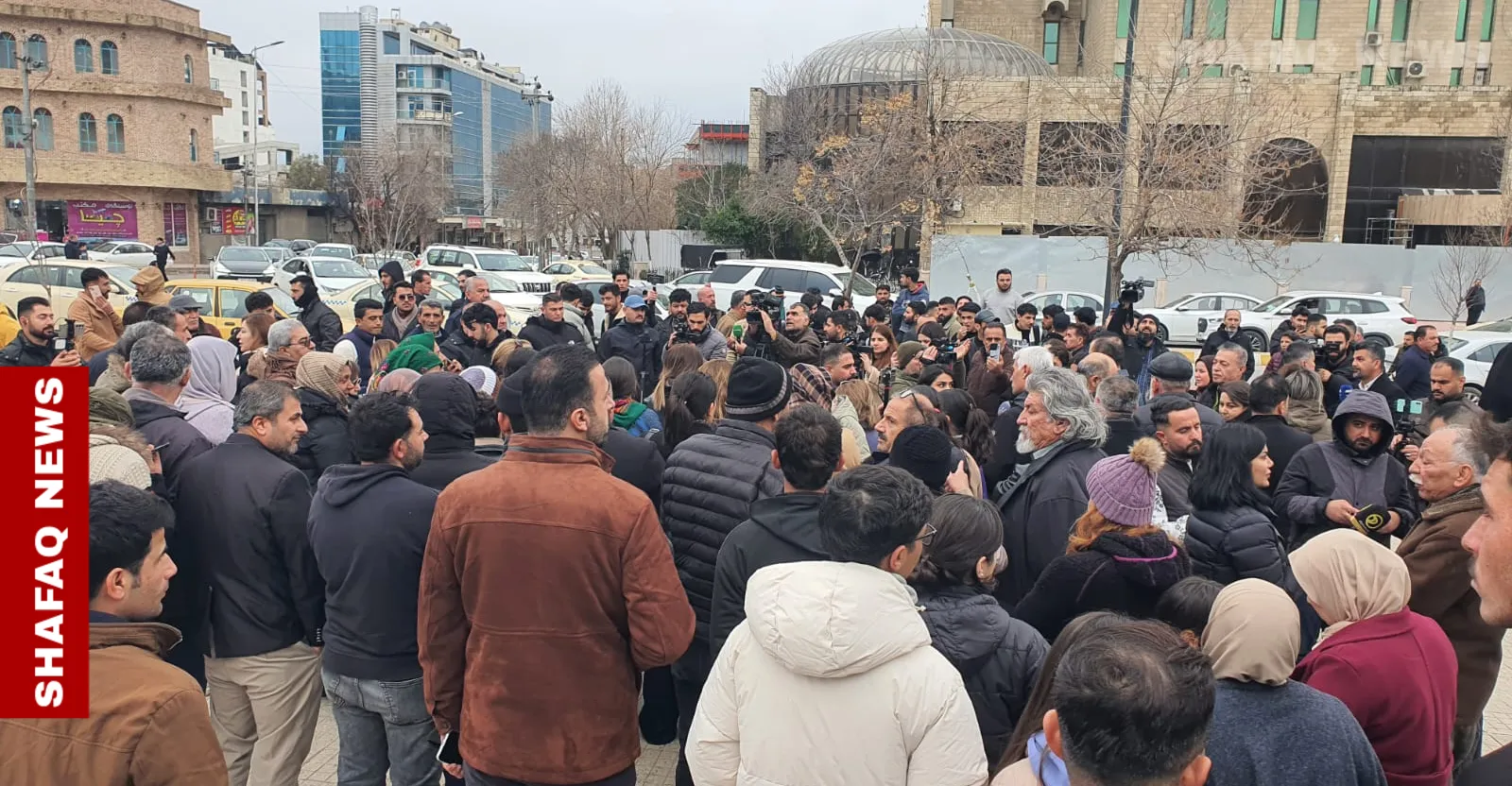
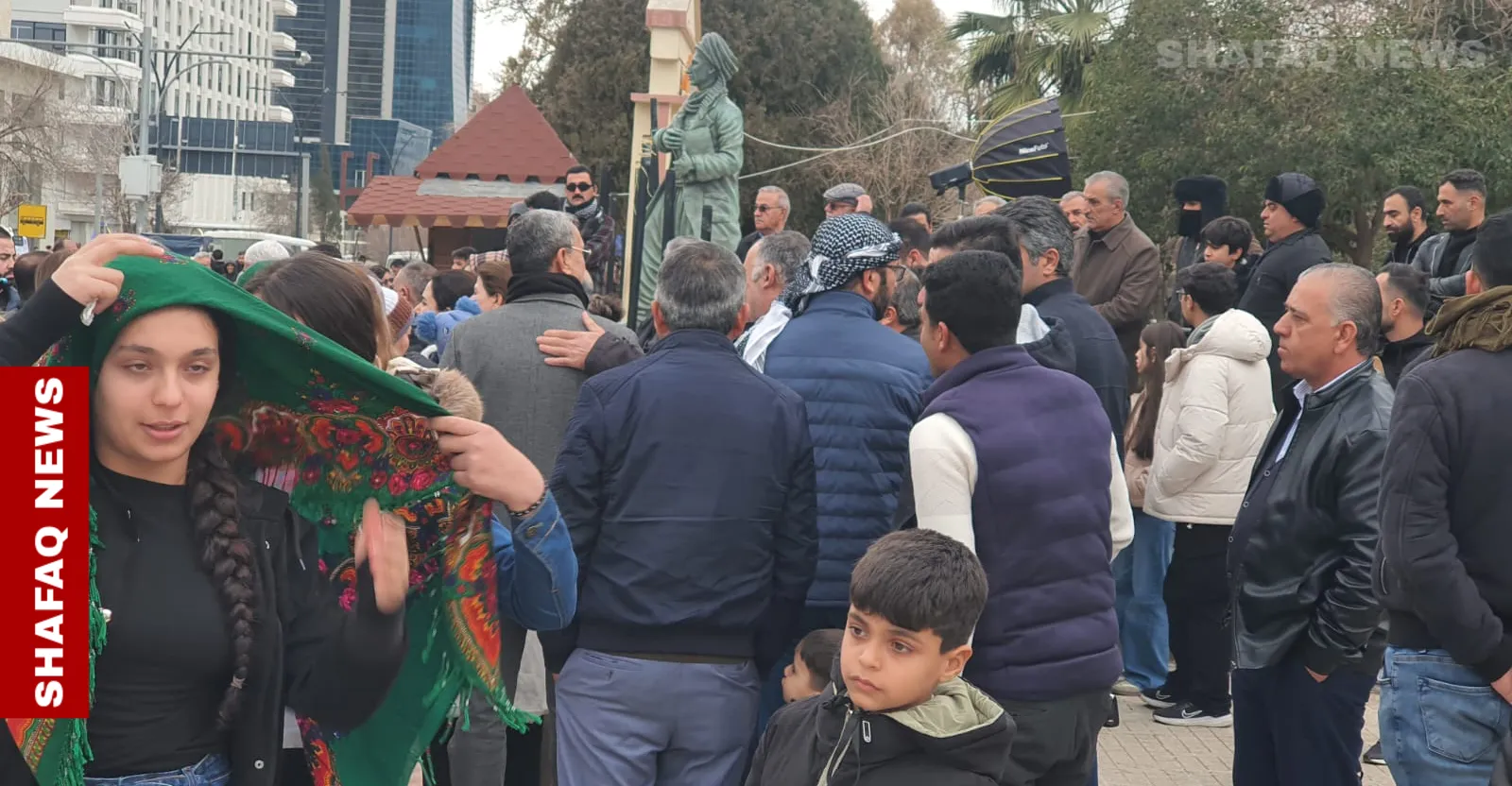
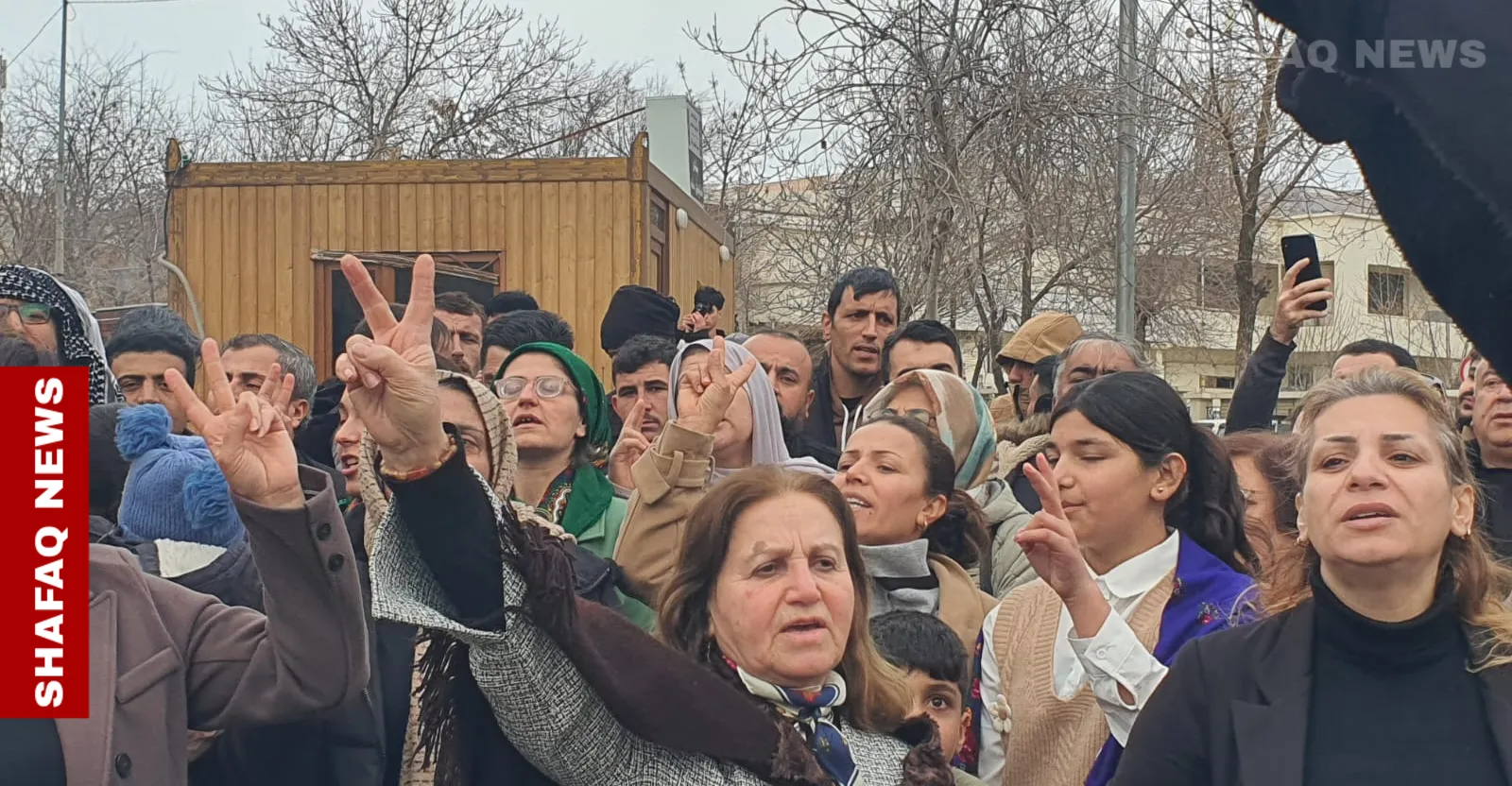
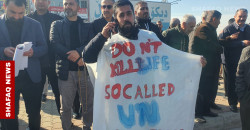
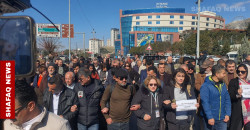
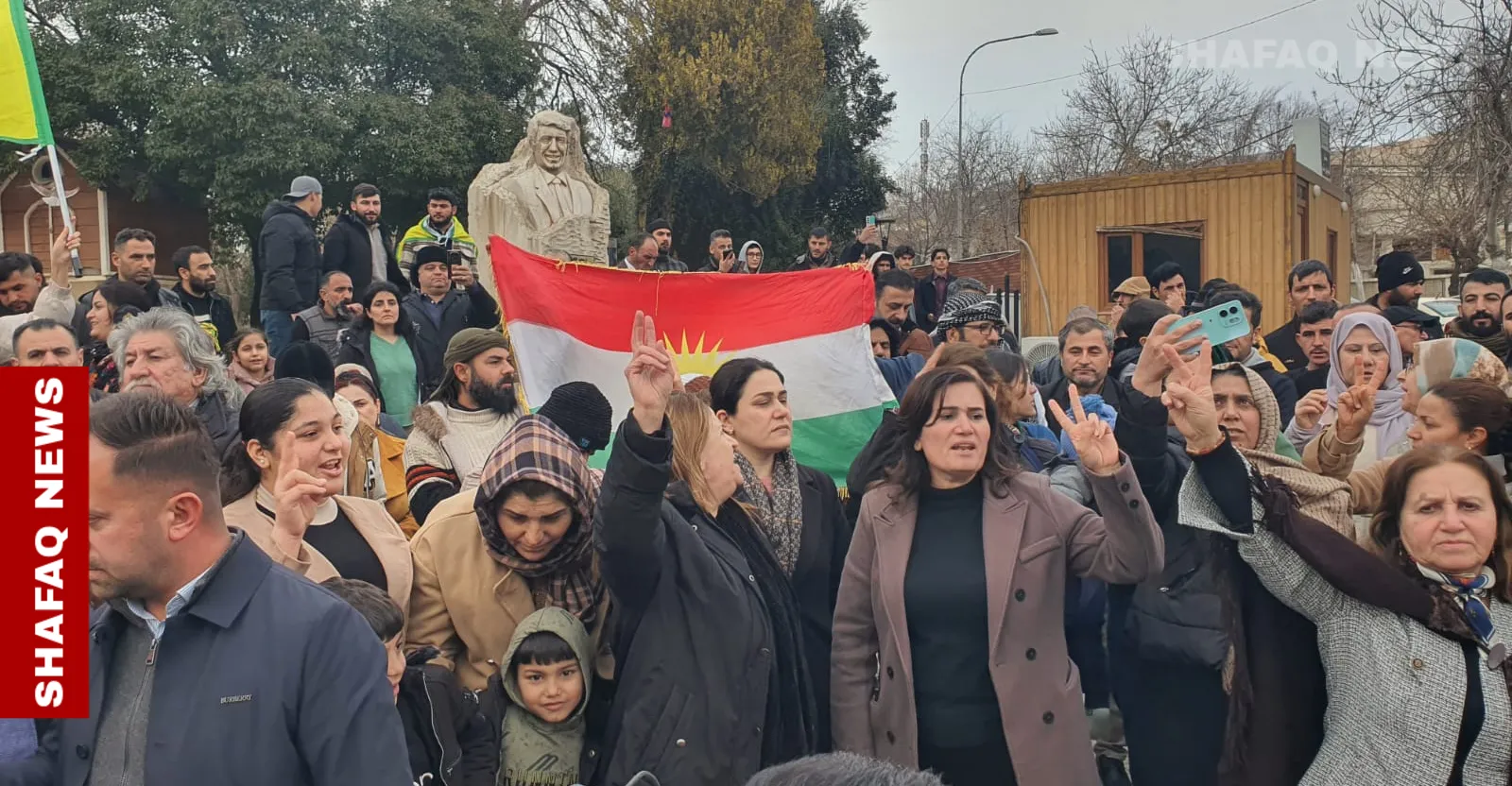
On Sunday, the Autonomous Administration of North and East Syria (AANES) announced a general mobilization and a peaceful sit-in in protest against what it described as violations by the Syrian regime.
In a press conference, AANES Representative in the Kurdistan
Region of Iraq, Mohammed Jumaa, said Kurdish leaders now bear a historic
national responsibility amid “a dangerous turning point and a real existential
threat.”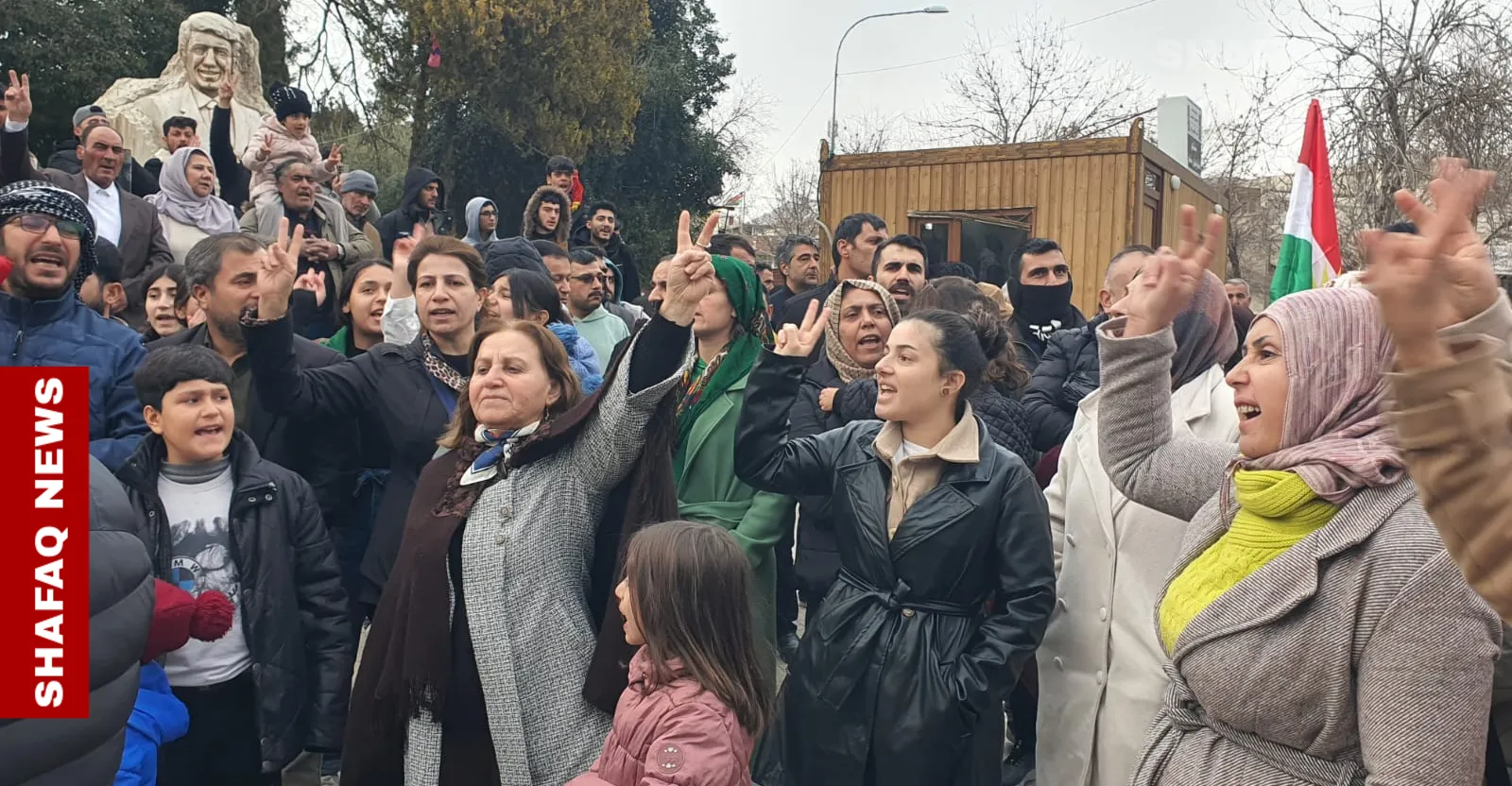
Warning that continued divisions would lead to “catastrophic
consequences” for the future of the Kurdish people, Jumaa noted that current
threats do not target Rojava (Kurdish areas in Syria) alone, but the Kurdish
presence across all the regions. He called on the Kurdish leaders, notably
Bafel Talabani, head of the Patriotic Union of Kurdistan (PUK), and Masoud
Barzani, leader of the Kurdistan Democratic Party (KDP), to assume their
national responsibilities at this stage.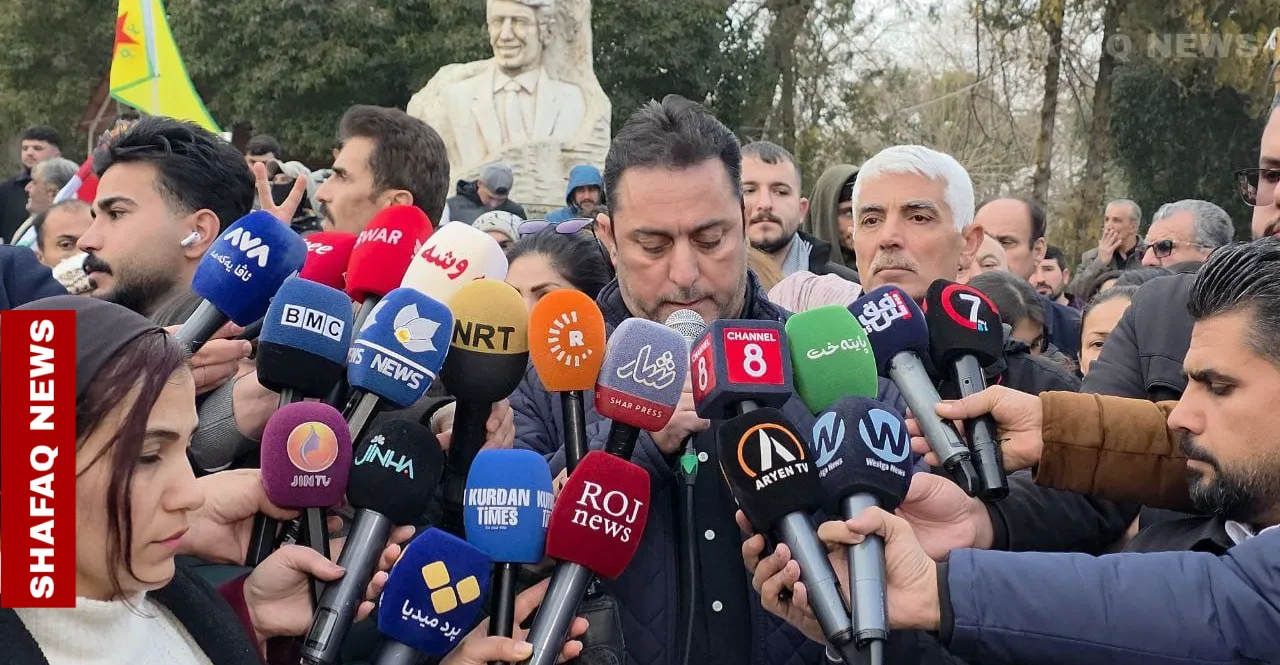
Meanwhile, Kurdish National Congress member Shorsh Khidr
said that Rojava faces what he described as “the threat of terrorism and
regional schemes,” at a time when the world had been anticipating a phase of
peace and stability in Syria after years of war. International silence over
attacks by extremist groups and remnants of ISIS, he added, amounts to a green
light for repeating scenarios similar to those seen in Afrin and Serekaniye,
arguing that protecting Rojava is inseparable from protecting the Kurdistan
Region.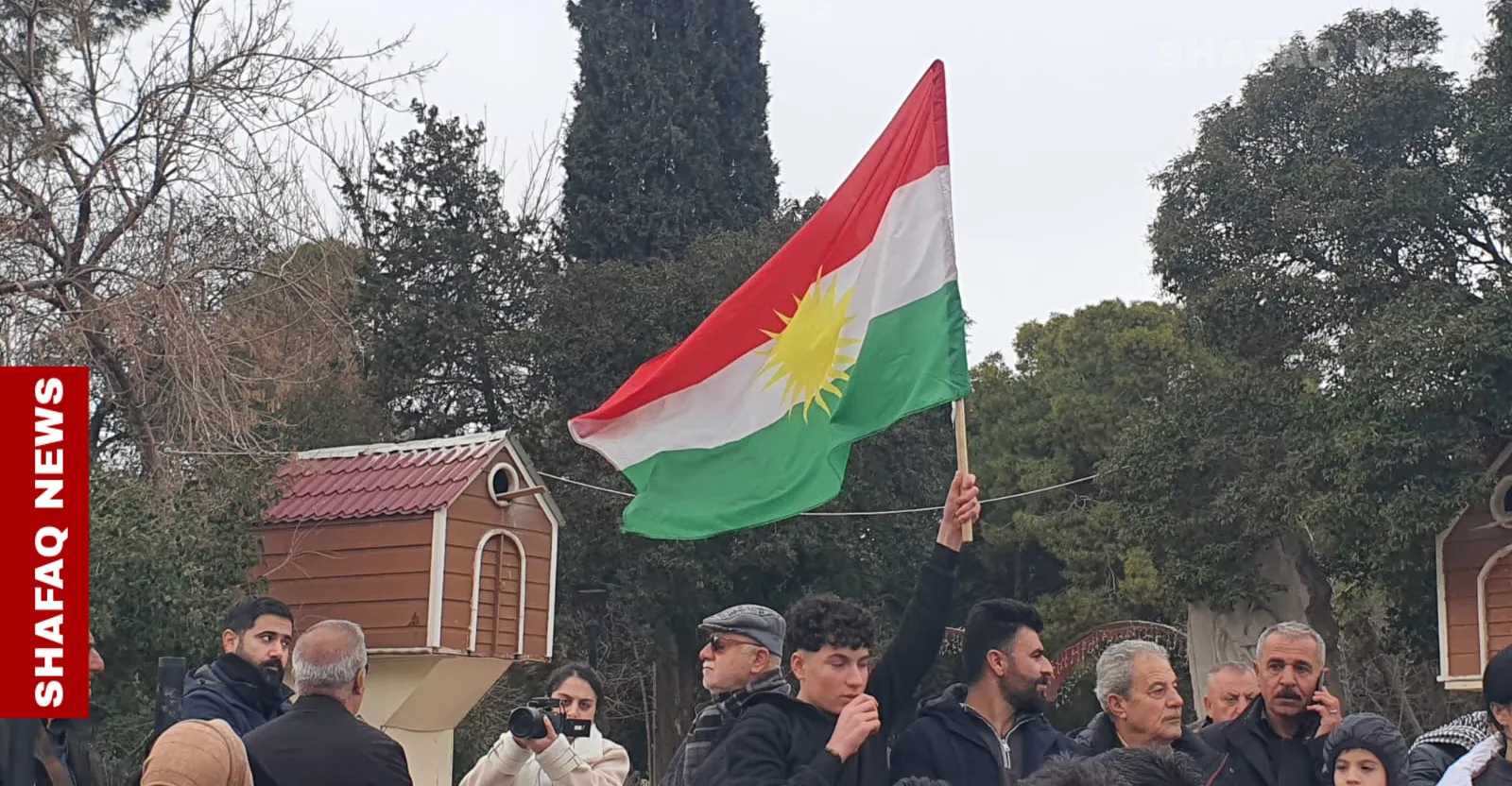
Tensions escalated in northeastern Syria as clashes intensified between Syrian government forces and the Kurdish-led Syrian Democratic Forces (SDF), particularly around strategic areas in Raqqa province and along the Euphrates River. In March 2025, Damascus and the SDF announced an agreement aimed at integrating SDF civilian and military bodies into state institutions and restoring central control over border crossings, an airport, and key oil and gas fields in northeastern Syria.
Earlier meetings held in January 2026 had failed to resolve disputes over military integration and governance, including the structure of any merger with the Syrian army and whether a decentralized security and administrative model would be maintained.
Read more: March 10 Syria–SDF Pact tested as unwritten timeline nears end-2025