Rep. Congressman: Iran’s influence is straining US-Iraqi relations


Shafaq News – Washington
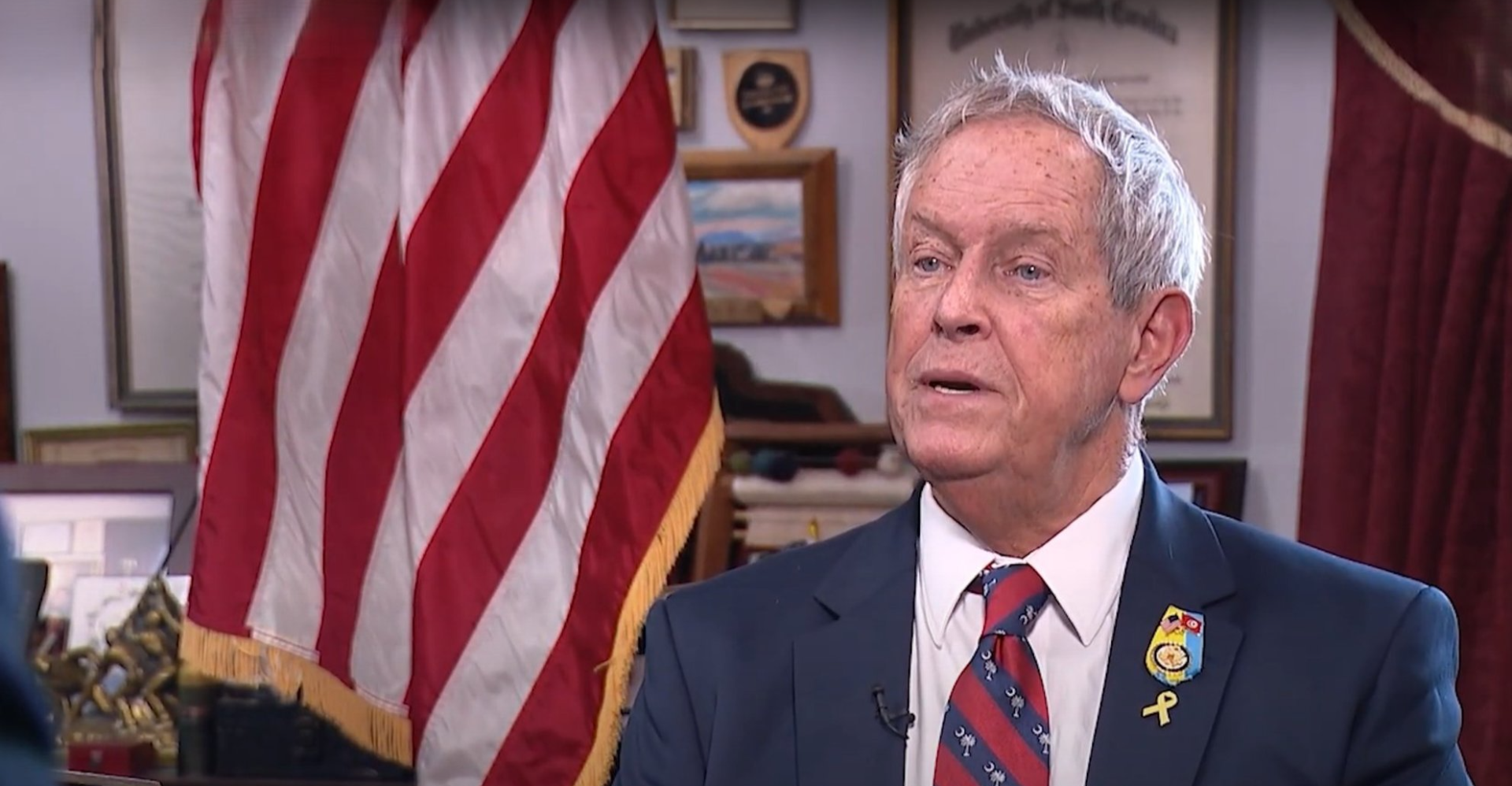
The current tensions between Washington and Baghdad are “unfortunate”, US Republican Congressman Joe Wilson said on Thursday.
“It is painful for me to see this reality,” he told Shafaq News, adding that “Two of my sons served in Iraq — one as a field officer and the other as a doctor in Baghdad. My family had hoped for a better future for Iraq.”
Wilson, a vocal critic of Iran, has previously called for “Make Iraq Great Again” and urged an end to what he described as Iranian control over Iraq. He had also advocated for halting US financial support to Baghdad.
He blamed Iran for the deaths of thousands of Americans, attributing the casualties to explosive devices supplied by the Iranian regime to armed militias. “This shows that the real enemy of the Iraqi people is the regime in Tehran,” he stated.
The Congressman underscored that the United States “wants the best for all Iraqis,” pointing to the Kurdistan Region as a model of what can be achieved in a stable environment.
Addressing calls for the withdrawal of US forces from Iraq, Wilson expressed support for the US military’s judgment on the matter but emphasized that Iraqis should understand “we will not abandon them.”
“The withdrawal of our forces should be understood in the context of respecting the will of the Iraqi people,” he noted, “but it does not mean that the United States will leave Iraq to its fate. We are committed to supporting it politically, militarily, and economically.”
Wilson described the US-Iraq relationship as a strategic necessity, affirming that Washington seeks a stable and prosperous Iraq that serves all its citizens, free from Iranian interference.
Earlier, he submitted an amendment to the National Defense Authorization Act (NDAA) that calls for recognizing the Kurdistan Regional Government as a “vital strategic partner” of the United States.
The amendment is part of the annual legislation that outlines the Pentagon’s budget and policies, often including provisions that reflect congressional positions on foreign affairs.