Muqtada Al-Sadr's move boosts Baghdad’s push to bring arms under state control



Shafaq News- Baghdad
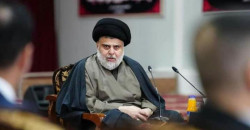
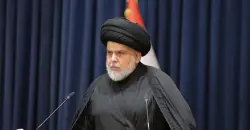
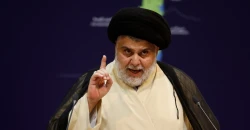
Muqtada al-Sadr’s decision to disengage Saraya al-Salam and place key units under the authority of the commander-in-chief of the armed forces has strengthened Prime Minister Ali al-Zaidi’s efforts to bring weapons under state control and increased pressure on other armed factions to follow suit, a political source told Shafaq News on Thursday.
Al-Zaidi recently sent direct messages to political leaders urging parties with armed wings to dissolve them and integrate their members into official institutions as part of a broader effort to consolidate state authority, according to the source.
Three Saraya al-Salam brigades within the Popular Mobilization Forces (PMF) —313, 314, and 315— comprising roughly 9,000 personnel, are expected to be affected by the restructuring. The source said the move has left some factions reassessing the future of their own armed wings.
Read more: Is Iraq closer to restricting weapons to the state?
A source within the ruling Shiite Coordination Framework said placing the brigades under the commander-in-chief strengthens the government’s ability to implement security decisions, while potentially opening the door to a future return of the Patriotic Shiite Movement (PSM) to political participation.
Many of Iraq’s current armed factions emerged after the 2003 US-led invasion and expanded significantly following the rise of ISIS in 2014. Saraya al-Salam was established during that period following al-Sadr’s call to protect religious sites, while numerous other factions later became part of the PMF structure.
Read more: Iraq’s armed factions and disarmament debate: Unity masks divisions