Iraqi leaders mark ‘Sovereignty Days’ as Coalition mission ends


Shafaq News- Baghdad (Updated at 16:21)
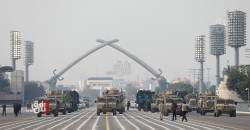
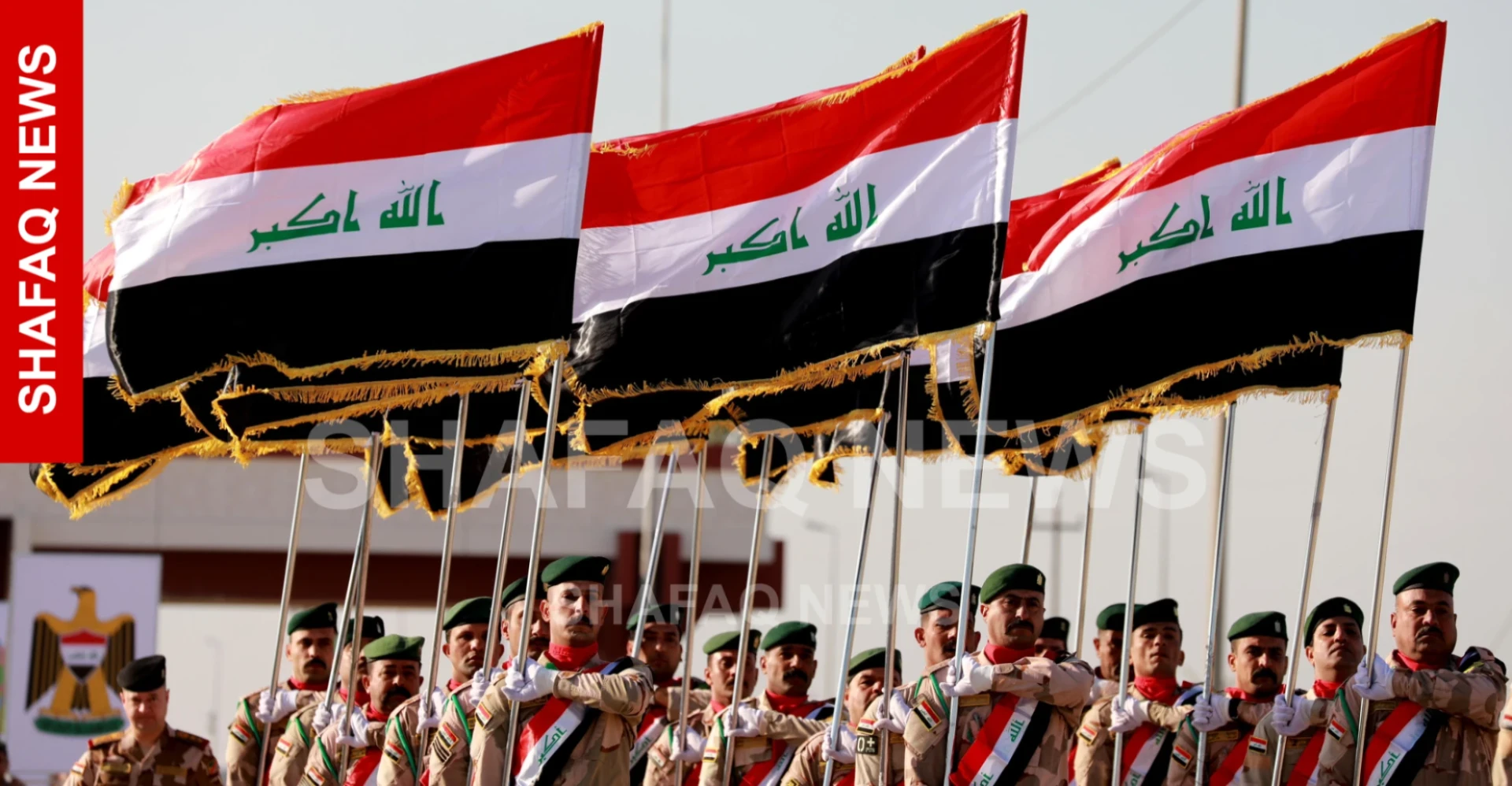
Iraqi officials and political leaders on Wednesday marked the country’s “Sovereignty Days,” commemorating the Sept. 30 conclusion of the US-led Coalition’s military mission and the transition toward bilateral security partnerships.
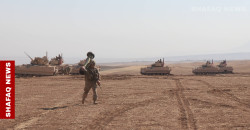
Formed in 2014 to fight ISIS, the Coalition concluded its role under an agreement reached by Baghdad and Washington in September 2024. Security ties between Iraq and the United States will now continue on a bilateral basis, including intelligence sharing, training, and arms cooperation.
Iraqi President
Iraqi President Nizar Amedi said sovereignty could only be complete under a strong state with established institutions and enforceable law, adding that decisions of war and peace belong exclusively to the state.
He renewed his call on all political forces to protect the unity of Iraqi decision-making, put the interests of the state first, and strengthen national cohesion.
— رئاسة جمهورية العراق (@IraqiPresidency) September 30, 2026
Parliament Speaker
Haibet Al-Halbousi, Speaker of the Iraqi Parliament, said that the end of the US-led Coalition's mission does not mean an end to cooperation with its member states, but a move to a new phase “based on coordination, mutual respect and shared interests that safeguards Iraq's sovereignty and independent decision-making.”
Iraq will not serve as an arena for settling conflicts or a corridor for attacks on other countries, Al-Halbousi said, adding that interference in or violations of its territory, airspace or resources would not be accepted.
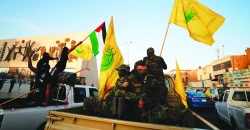
The speaker also tied Iraq's stability to the rule of law and state authority over armed groups, calling for "no weapons outside the law, no force outside state institutions, and no decision above the national decision."
Masoud Barzani
Kurdistan Democratic Party (KDP) leader Masoud Barzani affirmed that the Kurdistan Region remains in close security coordination with the federal government to confront threats following the Coalition’s departure, including those posed by ISIS and other armed groups.
He credited international forces with “helping Iraqi troops and the Peshmerga defeat ISIS and restore stability,” while advocating continued cooperation with member states through bilateral agreements. The Peshmerga, working alongside federal security forces, Barzani added, remain prepared to defend the Kurdistan Region and contribute to Iraq’s security.
Read more: Kurdistan Region faces air-defense gap as US troops leave Iraq
Ammar Al-Hakim
Ammar Al-Hakim, head of Al-Hikma Movement, said the occasion reflects Iraq's recovery and serves as international recognition of the country's ability to manage its own security without outside help. "It also represents a starting point for a comprehensive solution to the problem of weapons outside the state."
Former PM Mohammed Shia Al-Sudani
Former Prime Minister Mohammed Shia Al-Sudani portrayed the Coalition’s departure as a milestone in Iraq’s recovery from the war against ISIS, crediting national forces and international partners with defeating the group.
He linked the end of the foreign military presence to efforts to bring all weapons under state control through dialogue and constitutional mechanisms while safeguarding the rights of Popular Mobilization Forces (PMF) personnel. Al-Sudani also cited the recent unification of the Peshmerga and the planned handover of Turkiye’s Bashiqa base as further steps toward strengthening state authority.
Islamic Dawa Party
The Islamic Dawa Party, led by former Prime Minister Nouri Al-Maliki, advocated stronger armed forces, balanced foreign relations, and greater economic and financial independence as key elements of Iraqi sovereignty, cautioning that ISIS and other militant groups continue to pose security threats across the country.
It also emphasized preserving the country’s “pluralistic, federal and democratic system,” with participation guaranteed for all communities without “monopoly, discrimination or marginalization,” and proposed regular national dialogue and a political covenant to reinforce the constitutional order.
Director Of The Commander-in-Chief Of The Armed Forces' Office
Abdul Amir Al-Shammari said Iraq's partnership with the US-led Coalition will continue even though the coalition's mission in the country has ended.
Addressing coalition forces directly, he said, "Today you leave Iraq as friends who stood with us in hard times. The coalition's mission has ended, but friendship, partnership and cooperation in deterring threats and terrorism will not end."
Former PM Haider Al-Abadi
Al-Abadi praised “the resilience and sacrifices” of Iraqis in defending their country, their rights, and their future.
Taqaddum Party
Taqaddum (Progress) Party leader Mohammed Al-Halbousi welcomed the conclusion of the military mission as a “national milestone,” crediting the government, state institutions, and international partners with contributing to Iraq’s security and stability. “Completing the country’s sovereignty requires placing all weapons under government authority, reserving decisions of war and peace for constitutional institutions, and safeguarding independent national decision-making.”
في يوم السيادة، نهنِّئ شعبنا العراقي بهذه المحطة الوطنية، ونثمِّن جهود الحكومة في الوصول إلى هذا الاستحقاق، وما بذلته مؤسسات الدولة من جهودٍ لتعزيز الأمن والاستقرار وتمكين القرار الوطني المستقل. كما نقدِّر الدور الذي أدته قوات التحالف الدولي في دعم العراق خلال مراحل مواجهة…
— محمد الحلبوسي (@AlHaLboosii) September 30, 2026
Babylon Movement
The Babylon Movement, a Christian political group led by Rayan Al-Kildani, characterized exclusive government control over weapons as “a national and constitutional principle that should apply uniformly across all provinces.” It also backed the government and security forces, stressing that “Iraq should have a single national decision-making authority and avoid becoming an arena for regional conflicts.”