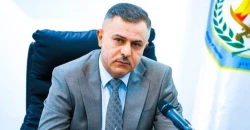
Iraq’s security crisis tests PM Al-Zaidi’s agenda
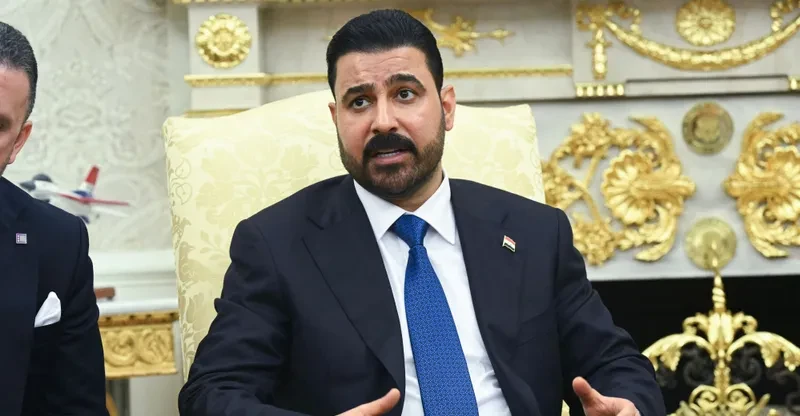


Shafaq News- Baghdad
Iraqi Prime Minister Ali al-Zaidi is confronting a widening political dilemma as regional military escalation complicates two of his government’s central priorities: bringing armed factions under state control and advancing a high-profile anti-corruption campaign.
The challenge intensified after joint US-Saudi airstrikes hit sites linked to Iran-aligned groups in Iraq on July 29. Washington and Riyadh said the operation targeted weapons depots and logistics facilities used by factions accused of attacking US forces and Saudi energy infrastructure.
The strikes have strengthened resistance among factions already opposed to surrendering their weapons, giving them a fresh argument that “the state cannot protect Iraq from external attacks.”
Read more: Iraq's September deadline undercuts armed factions' case for weapons
Political analyst Iyad al-Fatlawi said the government’s disarmament plan had always required regional and international support, alongside tighter border security and stronger safeguards against violations of Iraqi sovereignty.
The latest escalation, however, “has made that objective more difficult.” Several armed groups have publicly reaffirmed their intention to retain their arsenals, while others have threatened retaliation, raising the risk that “Iraq could be drawn deeper into the confrontation between Iran and its regional adversaries,” he continued.
Read more: Iraq's September 30 weapons deadline leaves terms of disarmament unresolved
The security crisis has also diverted political and media attention from the government’s anti-corruption drive.
Baghdad launched the first phase of Operation Dawn Crackdown on June 28, targeting politicians, lawmakers, and business figures accused of involvement in corruption and the misuse of public funds. Government sources later said preparations had been completed for a second phase focused on the health, oil, and electricity ministries, including the tracing of money and property inside and outside Iraq.
Read more: Iraqi authorities detain 31 in weekly corruption cases
Political observer Ali Jassim said the aftermath of the airstrikes had pushed corruption investigations out of the public spotlight, “creating space for suspects and political networks under scrutiny to regroup.”
Calls have therefore grown for al-Zaidi to continue the campaign despite the deteriorating security environment. Mohammed al-Khafaji, a seminary student in Najaf, said corruption cases should continue through the courts and warned that any retreat “would weaken public confidence in the state.”
Read more: Iraqis doubt anti-corruption campaign will reach senior officials
The government is also considering legislation commonly known as “Where Did You Get This?”, intended to compel officials to explain assets that appear inconsistent with their declared income. Iraq’s Federal Integrity Commission has said arrest warrants connected to the campaign are being carried out under judicial supervision.