Iraq launches $190M state-backed energy investment firm
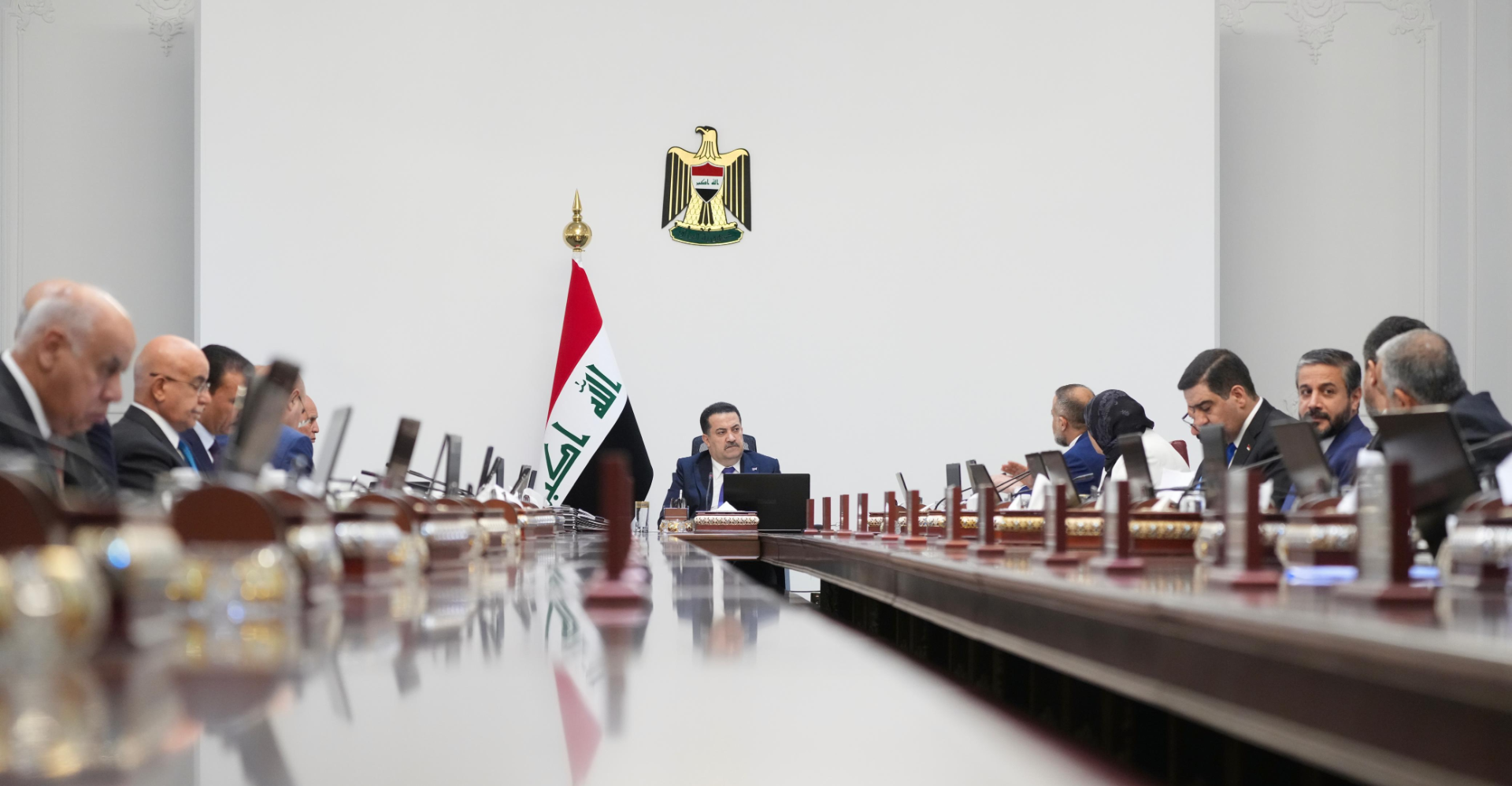


Shafaq News/ On Tuesday, Iraq’s Council of Ministers approved a series of economic, regional, and infrastructure decisions.
The session, chaired by Prime Minister Mohammed Shia al-Sudani, also approved the payment of outstanding dues to rice farmers for the 2024–2025 season, according to a cabinet statement.
As part of Iraq’s regional assistance, the government agreed to send 50,000 tons of wheat to Tunisia as a goodwill gesture “from the Iraqi people.”
To support the electoral process, the cabinet authorized a contract addendum with South Korea’s MIRU Systems for supplying updated biometric cameras, granting an exception to a 2009 procurement law to ensure timely delivery.
The cabinet approved several other measures:
-An exemption for the Ministry of Defense from a prior import decision, with a requirement to label imported goods.
-A revised land allocation mechanism for private sector projects, extending benefits to businesses established before Iraq’s 1998 industrial investment law.
-Continued deferred fuel deliveries to provinces, with a plan for settling related debts.
-A contract for managing radioactive waste from the oil and gas sector.
-Approval for the Ministry of Justice to build judicial complexes through investment, exempted from select government restrictions.
New and expanded infrastructure projects were also greenlit:
-Inclusion of a wastewater treatment plant in Basra’s al-Madina and al-Zubair districts.
-Additional funding for stormwater and sewerage networks in Basra and Samawah.
-Authorization for the Housing Ministry to solicit bids for sewerage projects in Wasit province.
In the energy sector, the cabinet approved:
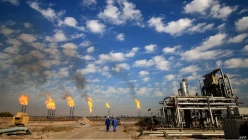
-The establishment of a state-backed energy investment company with capital of 250 billion IQD (about $190M), supported by the State Employee Pension Fund and the Trade Bank of Iraq.
-A new cooperation framework under Iraq’s national energy program.
-A deal to supply 150–300 MW of electricity to northern provinces via the Iraq–Turkiye power line.
The Council also approved a national strategy to address Iraq’s informal economy and money laundering.
Separately, it approved a name change for Imam University College in Saladin province to Al-Hadhara University College, in line with legal standards.