Iraq and Turkiye finalize infrastructure deal: What we know


Shafaq News – Baghdad / Ankara
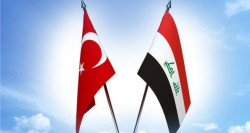
Iraq and Turkiye have finalized an agreement linking oil revenues to the financing of major water infrastructure projects, in a move officials say will mark a turning point in managing Iraq’s chronic water crisis.
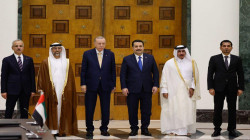
Signed on November 2 in Baghdad by Turkish Foreign Minister Hakan Fidan and Iraqi counterpart Fuad Hussein, the deal implements the framework outlined during President Recep Tayyip Erdogan’s April 2024 visit. Fidan described it as “the largest infrastructure investment in Iraq’s history,” while Hussein called it “a first-of-its-kind partnership on water management.”
How the Mechanism Works
Under the arrangement, proceeds from Turkiye’s imports of Iraqi oil will be deposited into a dedicated account used to fund water projects executed by Turkish companies. Iraq will establish a committee to supervise the program, handle tenders, and allocate payments exclusively from this account.
The first phase includes three dam-construction and three land-reclamation projects aimed at restoring irrigation systems, improving water quality, reducing river pollution, and rehabilitating farmland. Turkish media said the initiative also seeks to modernize Iraq’s outdated water management systems and expand sustainable governance practices.
Read more: Water deal's heavy cost: Iraq settles for expensive Turkiye terms
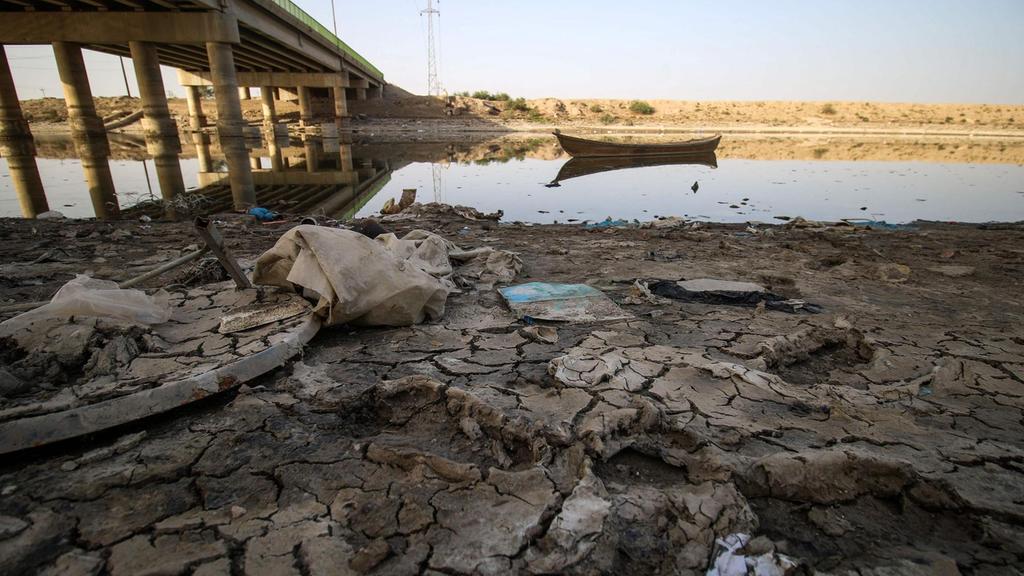
The accord comes as Iraq faces its most severe drought in nearly a century. The Ministry of Water Resources has declared 2025 the driest year since 1933, with Tigris and Euphrates river levels down 27% compared to last year.
National reserves have dropped to 10 billion cubic meters, far below the seasonal average of 18 billion. Roughly 70% of Iraq’s water originates outside its borders—half from Turkiye, 15% from Iran, and 5% from Syria—according to ministry data. Reduced inflows have worsened salinity and pollution across southern provinces, particularly Basra, Maysan, and Dhi Qar.
The United Nations estimates that 90% of Iraq’s surface water is contaminated, and about 37,000 people have been displaced by climate-related shortages.
For decades, Iraq has accused Turkiye of restricting water flows through its Southeastern Anatolia Project—a vast network of 22 dams and 19 hydroelectric plants with a total storage capacity of 80 billion cubic meters. The Ilisu Dam alone can reduce Tigris inflows by more than half.
Ankara maintains that the dams are essential for its agricultural regions and has urged Baghdad to modernize irrigation networks that date back to the 1970s.
The new agreement does not stipulate specific water quotas. Prime Minister Mohammed Shia al-Sudani’s adviser, Torhan al-Mufti, told The National that setting figures was “not feasible,” emphasizing instead the pursuit of a sustainable and predictable water share for Iraq. No enforcement mechanism or timeline has been made public.
Previous memoranda, including one signed in 2014 and revived in 2021, produced limited progress. In mid-2025, Turkiye briefly boosted river releases by one billion cubic meters over two months, but the improvement did not last, according to the Green Iraq Observatory.
Read more: A century of promises: Iraq’s water diplomacy with Turkiye and Iran