Arab States defends ‘’Kuwaiti sovereignty’’ in Iraq’s waterway dispute


Shafaq News- Kuwait (Updated at 17:28)
The United Arab Emirates, Saudi Arabia, Qatar, and Bahrain backed Kuwait in its ongoing maritime dispute with Iraq after Baghdad submitted new sea boundary coordinates to the United Nations, a step Kuwait considers a violation of its sovereign waters.
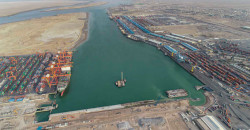
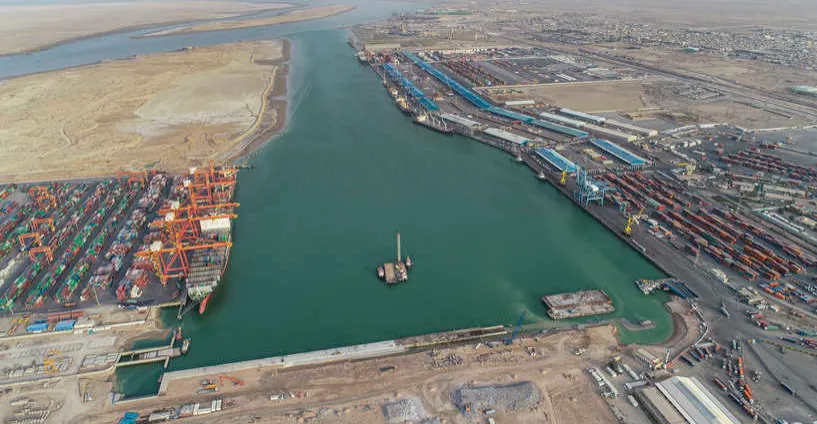
The disagreement focuses on the Khor Abdullah waterway, a narrow but strategically vital channel between the two neighbors that has long strained political relations, even after diplomatic ties were restored in 2003 following the fall of Saddam Hussein.
Kuwait’s foreign ministry indicated late Saturday that Iraq’s submission included coordinates and a map extending to Fisht Al Eid and Fisht Al Eij, which Kuwait regards as ''undisputed territory.''
The ministry also summoned Iraq’s charge d’affaires to deliver a formal protest note, urging Baghdad to respect historical ties and international legal frameworks, including the 1982 United Nations Convention on the Law of the Sea, as well as bilateral arrangements between the two countries.
بيان صادر عن وزارة الخارجيةالسبت 21 فبراير 2026في ضوء قيام جمهورية العراق بإيداع قائمة احداثيات وخارطة لدى الأمم المتحدة، تتضمن ادعاءات حول المجالات البحرية العراقية، وبالاشارة لما تضمنته تلك الاحداثيات والخارطة من مساس بسيادة دولة الكويت على مناطقها البحرية ومرتفعاتها المائية… pic.twitter.com/9uBTeWpFQv
— وزارة الخارجية (@MOFAKuwait) February 21, 2026
Last week, Iraq’s foreign ministry confirmed that the new coordinates were submitted in accordance with international maritime law. The filing defines Iraq’s internal waters, territorial sea, contiguous zone, and exclusive economic zone, outlining areas where it exercises sovereign rights.
The Gulf States issued separate statements Sunday reaffirming support for Kuwait. The UAE criticized the Iraqi submission and warned it could affect Kuwait’s maritime rights, while calling for dialogue through diplomatic channels to preserve regional security and stability.
الإمارات تؤكد تضامنها الكامل مع الكويت ودعمها لسيادتها على مناطقها البحريةhttps://t.co/xObxoCH5NE pic.twitter.com/7dsS8brcpO
— MoFA وزارة الخارجية (@mofauae) February 22, 2026
Saudi Arabia noted it was closely monitoring developments, pointing out that the Iraqi coordinates include areas adjacent to the Saudi-Kuwaiti divided zone, where both countries share natural resources. Riyadh described the move as a violation of Kuwait’s sovereignty over its maritime areas and water elevations.
#بيان | تراقب وزارة خارجية المملكة العربية السعودية باهتمام وقلق بالغين قوائم الإحداثيات والخارطة المودعة من قبل جمهورية العراق الشقيقة لدى الأمم المتحدة، وماتضمنته من تعديات لتشمل تلك الإحداثيات والخارطة أجزاء كبيرة من المنطقة المغمورة المقسومة المحاذية للمنطقة المقسومة… pic.twitter.com/xjmkD12hFr
— وزارة الخارجية 🇸🇦 (@KSAMOFA) February 23, 2026
Qatar also backed Kuwait, labeling the coordinates an infringement on its sovereignty and urging respect for international legal principles. Meanwhile, Bahrain called on Iraq to consider the longstanding relations between the two countries and their peoples.
بيان | قطر تعلن تضامنها الكامل مع الكويت وتؤكد موقفها الداعم لسيادتها على مناطقها البحرية ومرتفعاتها المائيةالدوحة - 22 فبراير 2026تعلن دولة قطر تضامنها الكامل مع دولة الكويت الشقيقة، وتؤكد أنها تتابع ما تضمنته قوائم الإحداثيات والخارطة المودعة من قبل جمهورية العراق الشقيقة… pic.twitter.com/t6ft3feN6v
— الخارجية القطرية (@MofaQatar_AR) February 22, 2026
Jordan also expressed support for Kuwait and called for dialogue and adherence to international law to resolve differences.
أكّدت وزارة الخارجية وشؤون المغتربين اليوم أنّها تتابع باهتمام بالغ تداعيات إيداع جمهورية العراق الشقيقة لدى الأمم المتحدة قوائم الإحداثيات والخريطة المتعلّقة بالمناطق البحرية بين العراق ودولة الكويت الشقيقة، وأكّدت ضرورة احترام القانون الدولي وأحكام اتفاقية الأمم المتحدة للبحار… pic.twitter.com/RiDj2lATXy
— وزارة الخارجية وشؤون المغتربين الأردنية (@ForeignMinistry) February 23, 2026
After Iraq’s invasion of Kuwait in 1990, the UN Security Council adopted Resolution 833 in 1993, defining the land border between the two states, while maritime demarcation was left to bilateral negotiations. Tensions rose in September 2023 when the Federal Supreme Court of Iraq annulled a maritime agreement regulating navigation in the Khor Abdullah waterway following a lawsuit filed by lawmakers. Kuwait, supported by Gulf States, has since challenged the court ruling, while Baghdad maintains it respects international commitments but does not interfere in judicial decisions.
Read more: Khor Abdullah: A waterway entangled in sovereignty disputes and legacy of invasion