Analysts: Al-Zaidi's regional tour seeks Iraq's post-war role


Shafaq News- Baghdad/ Amman/ Ankara
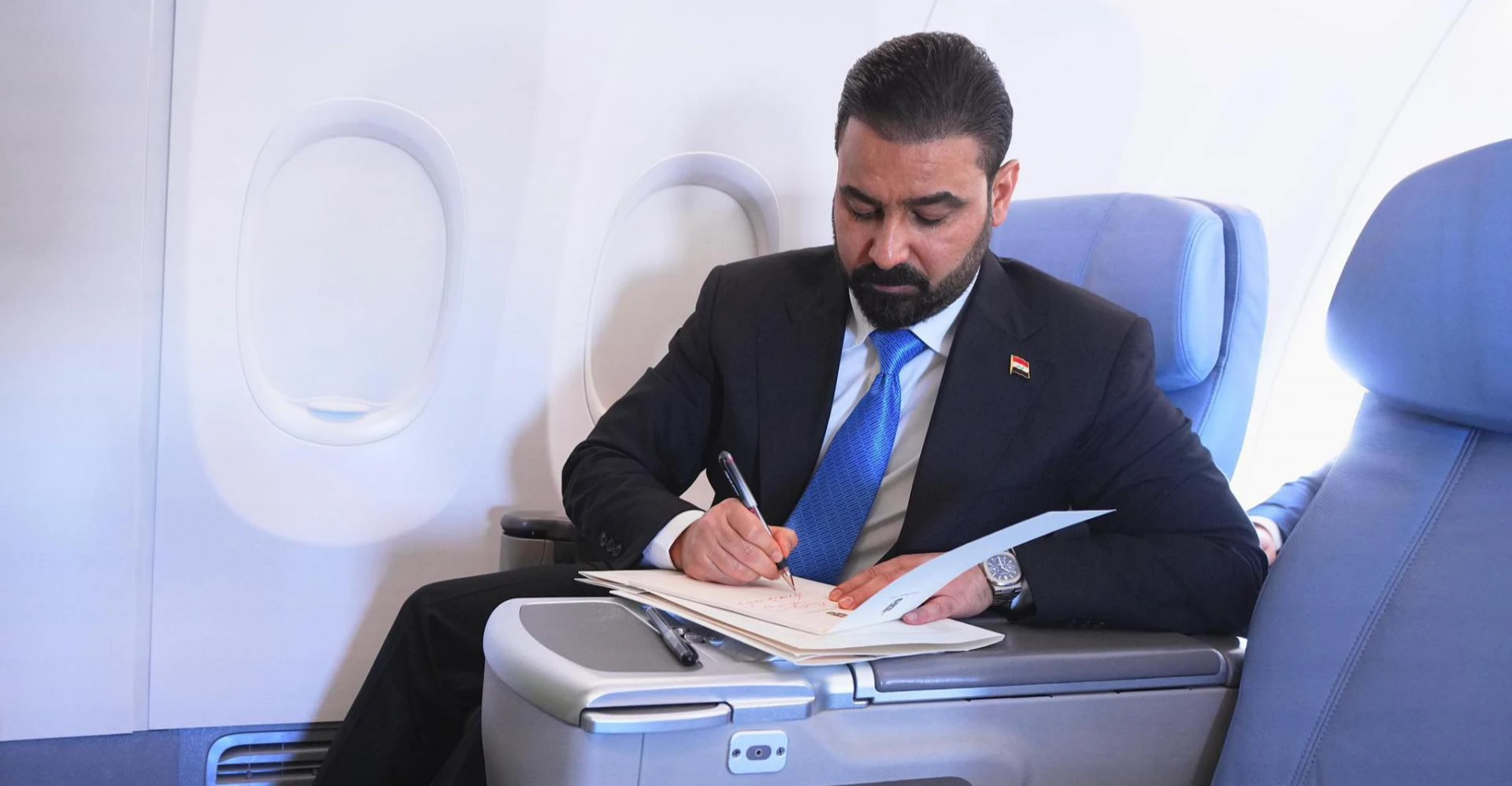
Prime Minister Ali Al-Zaidi's tour of Arab and Gulf capitals is an attempt to reposition Iraq in its region, rebuild trust with neighbors and secure Baghdad a role in the Middle East's post-war order, analysts told Shafaq News, though they questioned whether the opening can become lasting influence.
The tour opened in Riyadh on Oct. 14 with talks with Crown Prince Mohammed bin Salman. Al-Zaidi then met King Abdullah II in Amman on Oct. 26, held talks with Syrian President Ahmad Al-Sharaa in Damascus two days later, and became the first Iraqi prime minister to visit Bahrain since 2003 on Nov. 4. Kuwait and Lebanon have also been mentioned among planned stops.
Two tracks
Iraqi diplomacy is moving on two overlapping tracks, according to Firas Elias, a professor of international relations at the University of Mosul: rebuilding political, economic and security ties with Arab and Gulf states, and making sure Iraq has a voice in post-war security arrangements.
“Each stop sends a message,” Elias argued, adding that Saudi Arabia is a pivotal regional power, Jordan gives Iraq strategic access toward the Levant, Bahrain and Kuwait signal a bid for Gulf confidence, and Lebanon matters for its place in the Iran-Israel conflict. Turning that into real influence “would require an independent security decision, control over armed factions, and guarantees that Iraq will not again become an arena for others' conflicts.”
“The challenge is not the breadth of diplomatic presence but Baghdad's ability to turn it into real political influence and lasting strategic partnerships,” Elias said, warning that staying on the sidelines could leave Iraq facing arrangements it had no hand in shaping.
Turkiye-based political analyst Ihab Al-Kayali sees Baghdad trying to move from a state shaped by conflicts to one shaping the settlements that follow. Iraq's position linking the Gulf, the Levant, Turkiye and Iran gives it weight as alliances and energy and trade corridors are redrawn, he said, but success depends on a unified national decision, stronger sovereignty and balanced ties with rival powers.
Cautious Neighbors
Jordanian analyst Hazem Ayyad sees the tour as an attempt to break the stagnation and tension that hit Iraq's Arab relations after the events of Oct. 7, 2023, in the Gaza Strip and the escalation that followed across several regional fronts, culminating in the war on Iran. “Saudi Arabia and Syria have responded positively,” he said, yet neighbors remain wary after similar openings under former prime ministers Haider Al-Abadi, Mustafa Al-Kadhimi and Mohammed Shia Al-Sudani, and are waiting for concrete security and economic steps. US restrictions on Iraq's ties with Iran add to the challenge, according to Ayyad.
For Jordanian analyst Adel Al-Ashram, the visits mark a return to Iraq's Arab strategic depth after years of relative distance since 2003. Links between some Iraqi armed factions and Tehran complicate that return, he said, leaving Baghdad under US pressure to deal with groups operating outside the army and police.
Iraqi political analyst Ziad Al-Arar tied the tour to repairing ties strained by accusations that attacks on Arab states, including Saudi Arabia, were launched from Iraq, and to economic goals: more trade with Saudi Arabia, Jordan and Syria and new oil export routes after recent events exposed the risk of relying on a single outlet. Factions close to Iran see no benefit in the opening, he noted, but the government is pressing ahead.