Lending freeze, cash hoarding expose fragility of Iraq’s banks


Shafaq News – Baghdad
Iraq’s state-owned banks are tightening lending this year, retreating from years of heavy financing for public salaries and government projects — a move that has reignited concern over the sector’s stagnation and public mistrust.
Sources told Shafaq News that banks such as Rafidain have halted new loans and advances to citizens, scrapped automation plans, and reverted to paper-based transactions. “Applications now move through favoritism rather than clear criteria, and the few loans granted fall far short of demand,” one source claimed.
The freeze marks another setback for Iraq’s efforts to modernize its financial system. Digital automation projects — once seen as a path toward efficiency and transparency — have been shelved, leaving routine transactions slow and costly.
Read more: Iraq's financial sector struggles to modernize
Economist Dargam Mohammed Ali pointed out that most credit today is confined to housing and solar energy loans under Central Bank programs, while other sectors remain neglected despite sufficient liquidity.
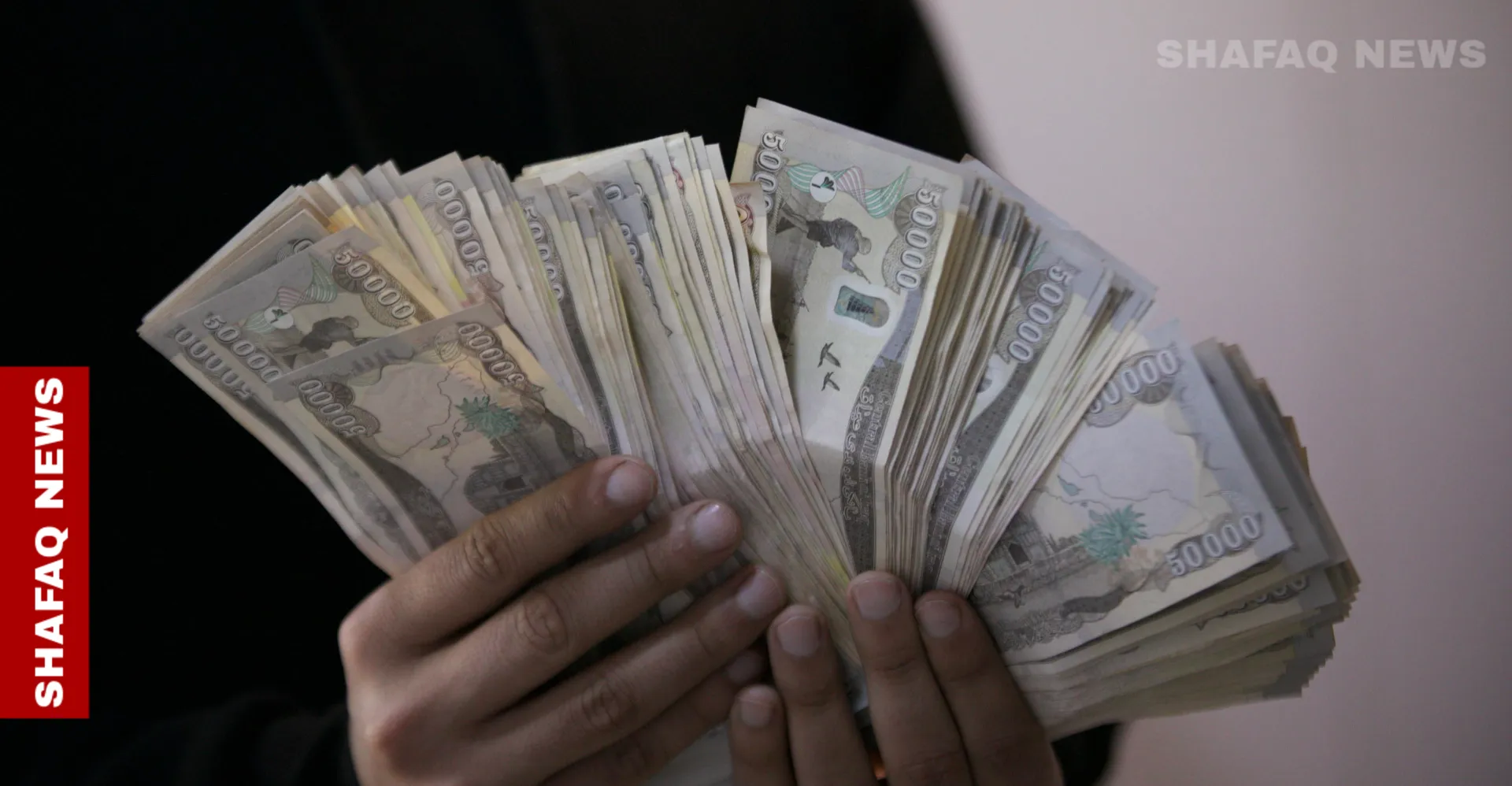
Behind the slowdown lies a deeper problem: Iraq’s chronic cash dependency. Nearly 92% of the country’s money remains outside the banking system, one of the highest rates globally. Decades of instability, corruption scandals, and bank failures have fueled public distrust, draining liquidity and weakening the Central Bank’s ability to manage inflation or stimulate growth.
Global confidence in the system is also low. Standard & Poor’s recently rated Iraq’s banking sector “B- high risk,” citing fragile institutions, limited competitiveness, and persistent fiscal pressures.
Adding to the concern are wide disparities in loan-to-deposit ratios. Some small lenders issue loans several times their actual deposits, often through state-subsidized credit programs. Economists warn that such unchecked lending distorts the market and exposes the system to new risks unless stricter oversight is enforced.
Despite these challenges, experts believe reform remains possible if Iraq revives automation, strengthens supervision, and restores public trust — essential steps toward a banking system capable of supporting real economic recovery.
Read more: Cash culture dominates Iraq, reform efforts stall