Large Iraqi importer wait weeks for foreign transfers



Shafaq News- Baghdad
Large Iraqi importers face foreign-transfer delays of one to one and a half months, pushing some traders to seek dollars on the parallel market, economist Ahmed Al-Janabi told Shafaq News.
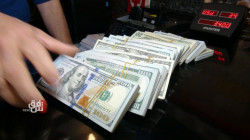
Iraq raised the official dollar selling rate to the public from 1,320 to 1,520 dinars per dollar on Oct. 7, under a Cabinet decision approved a day earlier. On the morning it took effect, the parallel-market price of one dollar rose to 1,685 dinars in Baghdad's Al-Kifah and Al-Harithiya exchanges.
Since the start of 2025, Iraq has handled foreign transfers through commercial and international correspondent banks instead of the central bank's dollar platform, as part of efforts to enhance transparency and comply with international standards. Nawar Al-Saadi, a professor of international economics, told Shafaq News that the core problem is not the end of the central bank's dollar platform itself, but that administrative and banking procedures have not been developed enough to keep pace with the transition to the new banking system and ensure fast trade transfers.
Bank Bottlenecks
Uneven bank capacity, complex requirements for importers, and banking and customs bureaucracy have created extra obstacles, particularly requirements to submit data in advance and pay duties and taxes before some import procedures are completed, according to Al-Saadi. The government suspended its advance customs payment requirement on Oct. 6, after it raised problems over when duties were collected and how that affected importers. Al-Saadi said the episode showed the need to coordinate monetary, fiscal and customs policy before adopting any new measures. Paying upfront freezes part of a trader's working capital and raises storage, shipping and delay costs, he said, adding pressure on small firms' liquidity and hindering the flow of commercial capital.
Al-Janabi said the difficulties in trade financing affect two main groups: large regular importers and small traders who lack suitable official banking channels. He said trade financing depends on the Trade Bank of Iraq and four foreign banks, which are also seeing delays in completing importers' transfers. The delays also raise demand on the parallel market and add to import costs, while small traders have no dedicated platform for official financing. The central bank is now working on a mechanism or platform for them, though fund flows must be monitored, with sources and uses verified, to prevent money laundering or the financing of illicit commercial activity.
Meanwhile, Jaafar Al-Hamdani, deputy head of the Baghdad Chamber of Commerce, told Shafaq News that transfer delays are disrupting the local market and directly affecting businesspeople's and importers' capital cycle. Smooth trade depends on how quickly capital moves and on importers completing transactions with foreign markets. Many importers have paid their banks and submitted documents proving payment, yet their transactions remain notably delayed, he explained. The chamber is following up on the problems with government bodies, the central bank and Iraqi banks to ease and speed up transfer procedures.
Speaking to Shafaq News, economist Ahmed Abed Rabbo linked the trade-finance difficulties to structural weaknesses in the banking sector, citing restrictions and sanctions on several Iraqi banks that limited their ability to deal in dollars and use external banking channels, and the slow pace of a reform program that the global management consultancy Oliver Wyman is carrying out in coordination with the central bank.
Read more: Banking sector faces turning point in Iraq’s reform drive
The restrictions trace back to 2023, when the US Federal Reserve and Treasury flagged dozens of private banks over transactions suspected of facilitating dollar flows to Iran and other sanctioned parties. On July 18, the central bank said seven banks had qualified to pass the first phase of the reform program and return to non-dollar correspondent channels, with dollar dealings to follow once additional requirements are completed.
According to Abed Rabbo, Iraq has moved from regulating foreign transfers to a more complex stage that depends on banks' ability to carry out trade efficiently and quickly. The availability of foreign currency alone is not enough unless a trader has a bank with foreign correspondent relationships and clear procedures that ensure transfers are completed without delay or extra costs, he said. Speeding those banks' return to dealings in euros, UAE dirhams, and Chinese yuan would widen financing options, reduce reliance on the few institutions that now hold the largest share of transfers, and create competition in banking services, he said, urging faster implementation of the Oliver Wyman program and a wider pool of qualified banks, rather than leaving reform in lengthy administrative tracks.
Alternative Currencies
Dealing in other currencies could succeed, Al-Janabi said. He said the Iraqi Banks Association has proposed returning some banks to the international banking system in non-dollar currencies, particularly as a number of them have completed Oliver Wyman's reform requirements but have not yet regained normal activity. The route could “ease restrictions” on Iraqi banks and give traders more options, but needs practical steps that let those banks actually resume operations.
Al-Saadi called dealing in the euro, yuan, and dirham an important step to diversify trade financing and reduce total reliance on the dollar, but warned against treating it as a quick or sufficient way to end the parallel market's influence. The success of alternative currencies also requires correspondent banks, settlement agreements, adequate liquidity, reliable transfer channels and compliance with international standards. The question, he explained, is whether the financial system can deliver foreign currency to the real importer at the right speed and cost.
Parallel Market
The parallel market continues to benefit from the gap between actual demand for foreign currency and official banking channels' ability to meet it. Al-Saadi said supplying dollars alone or introducing alternative currencies cannot end the parallel market's influence, because it reflects a weakness in official banks' ability to meet importers' needs quickly and efficiently.
“The more transfers stall, the more room opens for informal dealing.”
Iraq's trade system also needs more long-term contracts with known origins, which would speed up transfers and letters of credit and ease the US Federal Reserve's verification procedures, economist Safwan Qusay told Shafaq News. Knowing suppliers and the sources of goods and documenting contracts would reduce delayed or rejected transfers when “there are doubts about suppliers or the nature of the supplies.”
Qusay said the central bank took measures to shorten transfer times from 23 days to three in an effort to reduce delays and meet dollar demand more smoothly, in addition to moving toward other currencies for trade financing. But he cautioned that some small and mid-sized traders still turn to the informal market instead of using official bank accounts and benefiting from dollars at the approved rate of 1,520 dinars per dollar some buy dollars on the parallel market and bring in goods through unofficial crossings or change the type of goods they import.
Widening these traders' access to the electronic platform, particularly for traders in Iraq's Kurdistan Region and the "liberated areas," would ease pressure on the parallel market, Qusay said, provided banking is linked with taxes and customs in a single electronic system. Such a system would identify the trader, the nature of the imported goods, fees owed, storage locations and the final buyer.
On Nov. 1, Deputy Prime Minister for Economic Affairs Mohammed Ali Tamim said the parallel-market dollar rate would fall very close to the official rate, citing government and central bank measures and $3 billion in US cash he said Washington had decided to send over two months.
Consumer Costs
Al-Janabi cautioned that some traders may import at the official rate but sell to consumers at costs calculated on the parallel rate to widen profit margins, which calls for monitoring by the relevant agencies and economic security.
Al-Hamdani said transfer delays directly affect prices of goods and services, while Al-Saadi explained that importers first bear the cost of delay, financing and storage before those burdens pass to Iraqi consumers and affect their purchasing power.