Iraqi Stock Market Faces "Worst" Decline in 2025
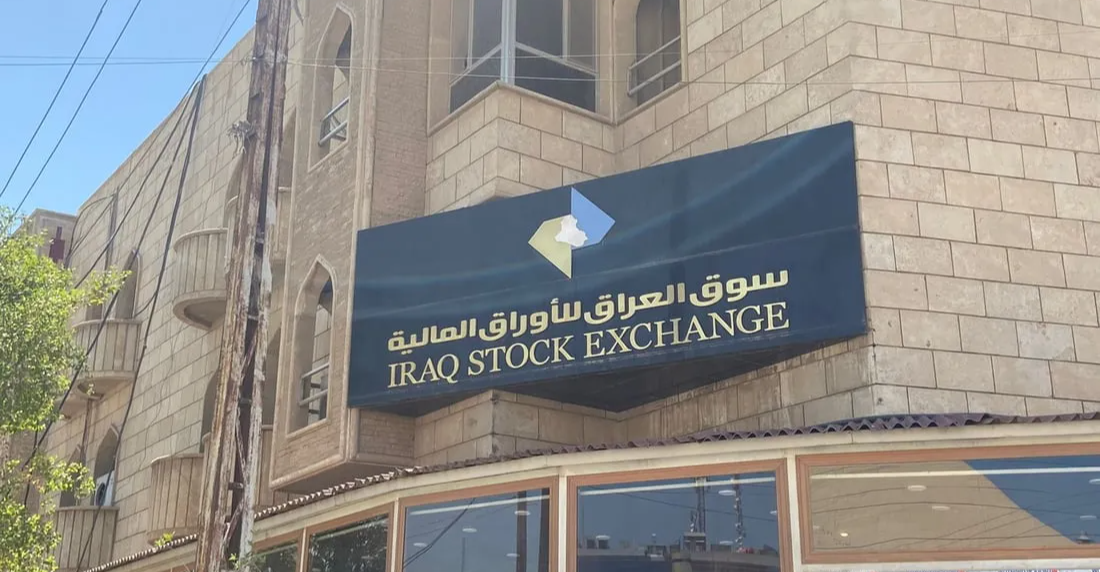


Shafaq News – Baghdad
Iraq’s stock market experienced one of its steepest declines in monthly trading volumes during the first half of 2025, the Iraq Future Foundation for Economic Studies and Consultations reported on Sunday.
The foundation’s head, Manar Al-Obaidi, explained that monthly trading values dropped from an average of 53 billion dinars (Approx. $36M ) in the first half of 2024 to just 32 billion dinars (Approx. $21.7M) during the same period in 2025—a 38% decrease. The downturn peaked in June 2025, when the market recorded its lowest trading volume in two years, at only 22 billion dinars (Approx. $14.9 M).
Al-Obaidi attributed the decline primarily to the concentration of trading activity in just five companies out of the 104 listed on the Iraq Stock Exchange. These companies account for over 85% of total trading volume. He also noted a marked withdrawal of foreign investors, despite the market's relative accessibility and its potential role as a gateway for foreign capital.
He emphasized that the sharp decline in trading volumes and the exit of foreign investors highlight the need for a comprehensive regulatory review. This should include strengthening compliance and transparency standards, as well as launching marketing strategies aimed not only at increasing trading activity but also at encouraging broader participation from companies in various sectors and supporting the listing of new firms.
Al-Obaidi warned that the current contraction reflects a broader loss of confidence—not only in the banking sector but in the stock market itself. “This is occurring despite strong financial performance reported by several listed companies, which could have appealed to a wide range of investors.”
“In contrast,” he added, “we are seeing significant growth in forex trading platforms that attract young Iraqis, even though these platforms lack any local legal regulation, increasing the risk of investor losses.”
He stressed that the current situation calls for swift action by relevant authorities to align the market with global standards, including the adoption of modern technologies, particularly artificial intelligence, to enhance transparency and regulatory compliance, along with broad marketing campaigns to raise public awareness about the importance of investing in Iraq’s stock market.
Al-Obaidi concluded that listing major strategic firms—such as state-owned banks, public insurance companies, Iraqi Airways, and profitable enterprises affiliated with the Ministries of Communications, Oil, and Industry—would increase the market’s appeal and promote a trading culture. He added that encouraging the private sector to convert into public shareholding companies ahead of their listing would help deepen and diversify the market.
Reforming the market’s mechanisms, he said, would not only help build trust among local investors but also pave the way for foreign investment and protect small investors from turning to unregulated platforms that may put their funds at risk.