Iraq seeks 10 GW regional power imports under new GE deal


Shafaq News- Baghdad
Iraq's new agreement with GE Vernova requires the US energy company to secure 10,000 megawatts of electricity imports from neighbouring countries by 2027, a member of parliament's Electricity and Energy Committee revealed to Shafaq News on Sunday.
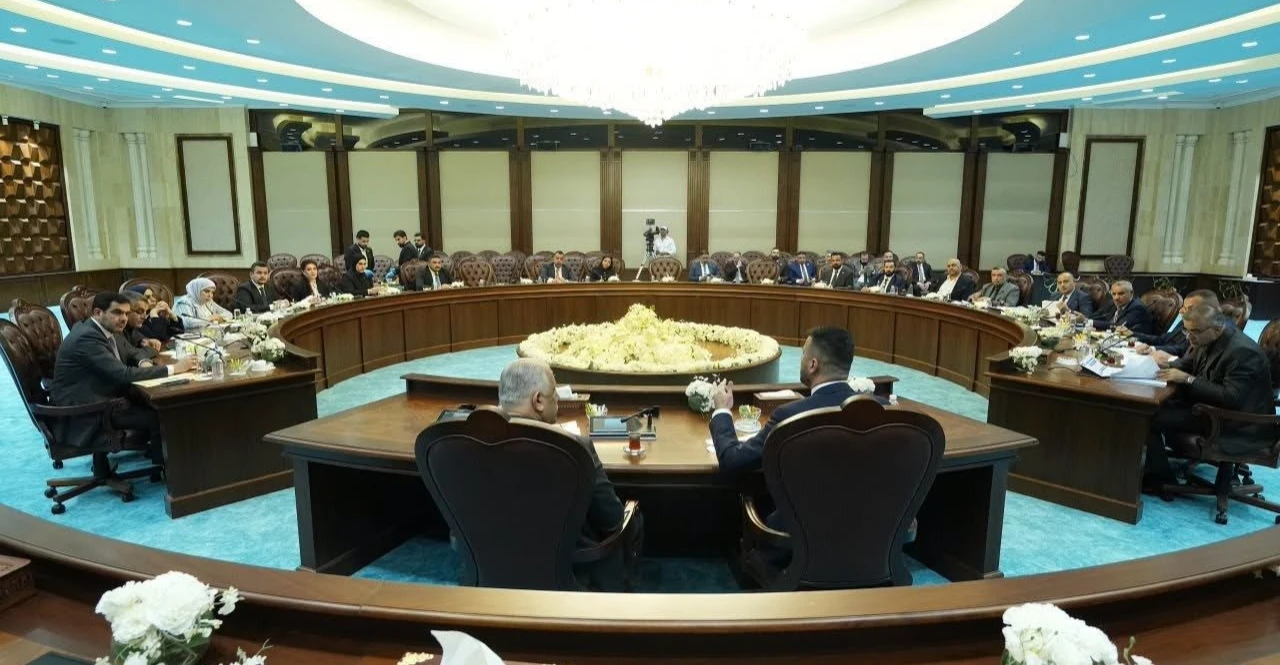
The committee hosted Electricity Minister Ali Saadi Waheeb yesterday to discuss the country's worsening power shortages, including Baghdad's latest agreement with GE.
Committee member Riyadh Adday noted that lawmakers questioned the minister about the new contract, noting that Iraq has maintained agreements with the company since 2008 “without achieving tangible results.”
According to Adday, the minister said the latest agreement differs from previous contracts and includes a condition requiring GE to arrange the supply of 10 GW of electricity to Iraq from countries across the region by next year.
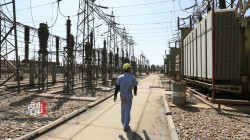
During the parliamentary session, Waheeb also said completing cross-border electricity interconnection projects and reducing transmission and distribution losses would help increase available generation and improve power supply.
Since 2023, GE has promoted plans to expand Iraq's electricity production by capturing associated gas that is currently flared. The company has previously said its mobile gas turbine technology could generate up to 10 GW of electricity if all associated gas burned in Iraq were utilised.
Read more: Iraq's gas flaring paradox
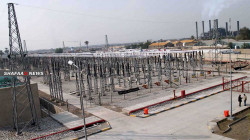
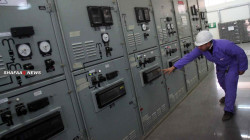
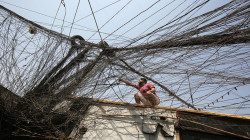
Power cuts have long been one of Iraq's public grievances, with summer temperatures frequently exceeding 50°C and millions of households relying on private generators to compensate for limited state electricity. According to the Electricity Ministry, peak summer demand has surpassed 60,000 megawatts, while available generation remains nearly 40,000 megawatts short, a deficit the ministry attributes to illegal grid connections and reduced natural gas supplies following the regional conflict and disruptions linked to the closure of the Strait of Hormuz.
Read more: Beyond 50°C: How decades of conflict are heating Iraq