Iraq’s non-oil dream doesn’t pay salaries yet


Shafaq News – Baghdad
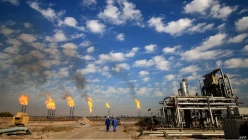
Iraq’s public payroll-and-spending system remains fundamentally dependent on oil revenues, with no viable alternative in sight to fund salaries or sustain daily state functions, according to economic assessments.
Despite repeated calls for diversification, experts warn that non-oil revenue—however expanded—cannot realistically replace crude exports as the backbone of the federal budget. Oil still accounts for over 90% of Iraq’s income, underpinning government wages, subsidies, and essential services.
A recent report by the Future Iraq Center for Economic Studies described the country’s dependence on oil as a “critical turning point,” warning that it leaves Iraq increasingly vulnerable to global price shocks and financial instability.
Manar al-Obaidi, head of the Iraq Future Foundation, stated that even under ideal conditions, non-oil income would meet only 10–15% of the country’s operating needs. “No current resource can compensate for oil,” he wrote on Friday, rejecting claims that alternative revenues or cutting senior salaries could resolve the fiscal gap.
He estimated that raw material exports—such as sulfur, phosphate, and silica—would generate just $300–$500 million annually. Projects like refineries and downstream industries, he noted, are long-term and require funding that is not currently available.
Read more: Cash outside banks, debt on the rise: Iraq’sfiscal challenge