Iraq loses $128 million per day as Rumaila, Kurdistan oil output halts


Shafaq News- Kirkuk/ Basra (Updated 17:56)
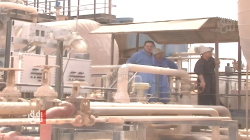
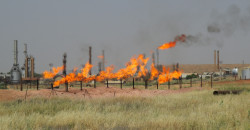
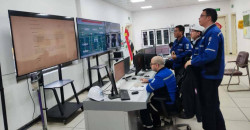
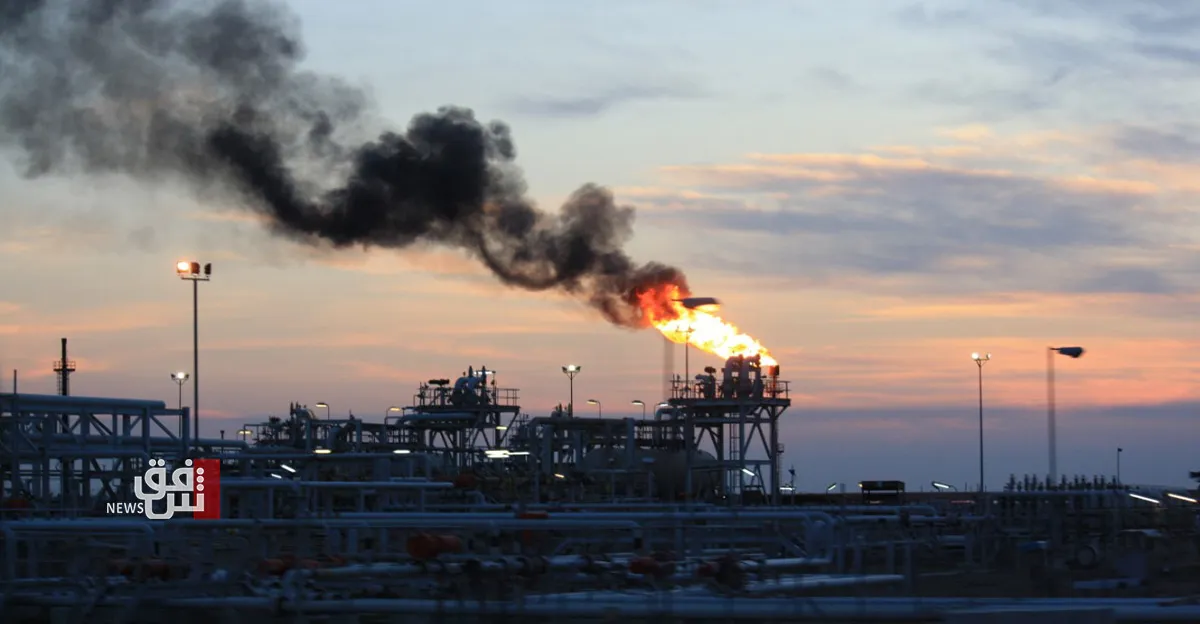
Iraq is losing an estimated $128 million per day due to the suspension of production at the Rumaila oil field and fields in the Kurdistan Region amid the fallout from the ongoing Middle East war, the Eco Iraq Observatory said on Tuesday.
The monitor said Rumaila produces about 1.4 million barrels per day, while output capacity in the Kurdistan Region stands at roughly 200,000 barrels per day, bringing the total halted production to around 1.6 million barrels daily.
Based on an oil price of $80 per barrel, daily losses are estimated at approximately $128 million, the observatory said, warning that the suspension could expand to additional fields if escalation continues.
It added that a one-week halt could cost Iraq’s treasury nearly $900 million, while losses may exceed $3.8 billion if production remains suspended for a full month.
Economist Mohammed al-Hasani told Shafaq News that the closure of some oil fields due to full storage tanks and deteriorating security conditions in the Kurdistan Region, alongside the disruption of exports through the Strait of Hormuz, represents a compounded financial challenge threatening state cash flows, warning that halting production at major fields such as Rumaila or northern fields would multiply daily losses.
“The suspension of output in key fields like Rumaila or in the north doubles daily losses, not only due to lost revenues but also because of the technical costs of shutting down and restarting wells, in addition to the risk of losing long-term customers in Asian markets,” he said, pointing out that talk of “accelerating sales” becomes less effective if one of the world’s main maritime corridors is disrupted, underscoring the need to focus on financial and logistical alternatives.
Among the temporary measures, al-Hasani pointed to using available storage capacity to avoid further well closures and selling future cargoes through short-term contracts to secure immediate liquidity. This mechanism would allow the government to receive advance payments in exchange for later deliveries once exports resume, helping bridge short-term cash gaps.
He also called for rescheduling non-essential financial obligations and strengthening security coordination between Baghdad and Erbil to stabilize oil fields in the Kurdistan Region and prevent precautionary shutdowns from expanding.
In addition, al-Hasani urged diversifying export routes and reducing reliance on a single maritime passage by reactivating alternative pipelines such as the Kirkuk-Ceyhan line and expanding strategic storage capacity.