Iraq–Jordan land trade stalls after customs tariff hike
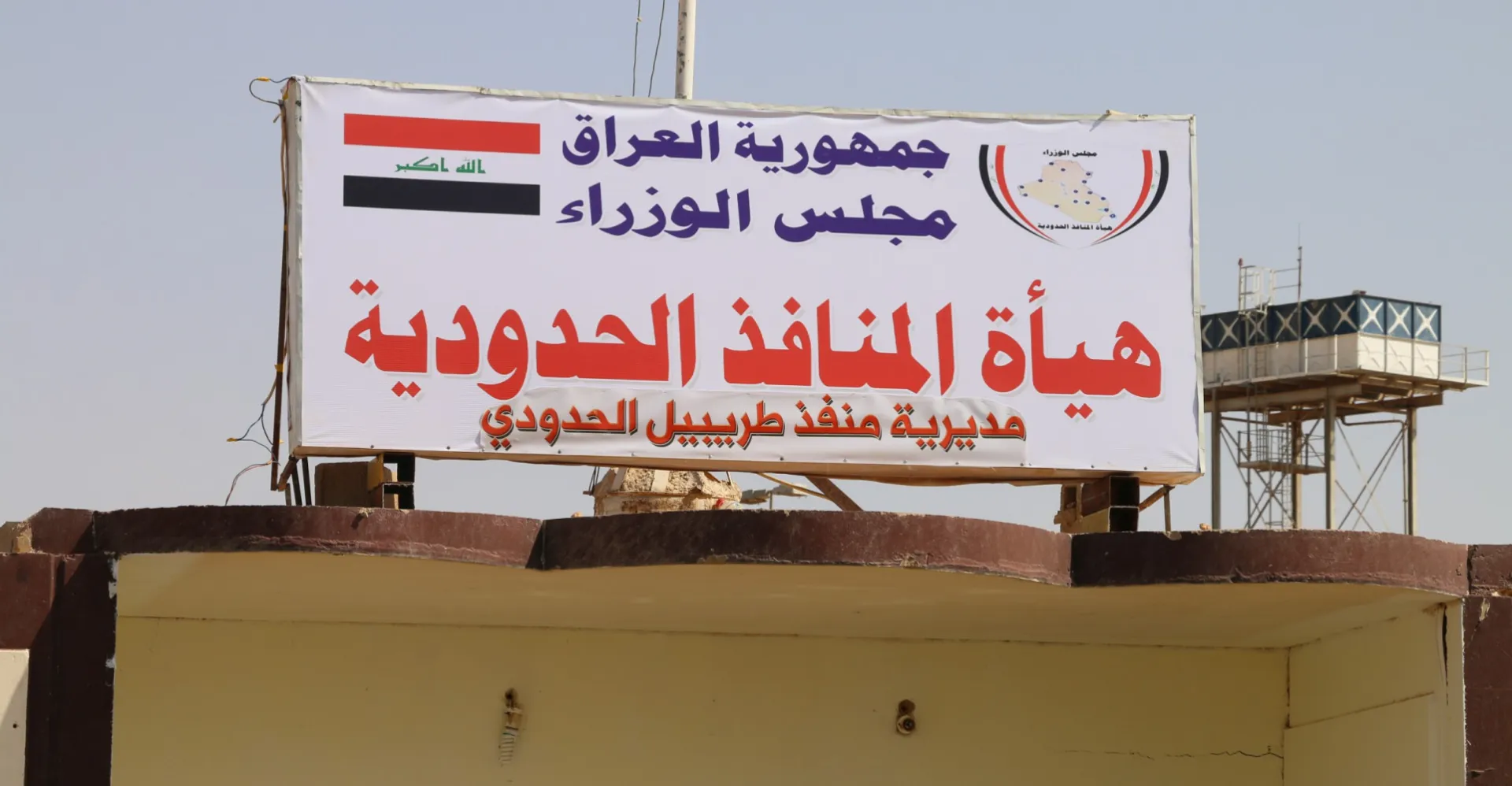


Shafaq News- Rutba
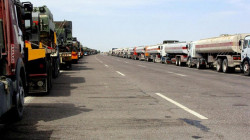
The commercial activity with Jordan through the Trebil border crossing in western Al-Anbar province has nearly come to a halt following an increase in customs tariffs imposed by the Iraqi side, Rutba district mayor Imad Al-Rishawi said on Tuesday.
Speaking to Shafaq News, Al-Rishawi said the new measures raised customs duties on goods, vehicles, and commodities by up to 15 percent, sharply reducing cross-border trade.
He noted that only 10 trucks carrying various goods have entered through the crossing since the measures took effect, compared with more than 200 trucks per day before the new tariffs and the introduction of the pre-declaration system.
Al-Rishawi added that most traders dealing in foodstuffs and pharmaceuticals have stopped sending their goods through Trebil, opting instead to reroute shipments through border crossings in the Kurdistan Region, which have not implemented the tariff increase approved by the previous federal government.
“Commercial movement through the crossing after January 1, 2026, has dropped to about 15 percent of its previous levels before the new tariffs were enforced,” he stated.
Meanwhile, Manar Al-Obaidi, head of the Iraq Future Foundation for Economic Studies and Consultations, expected that Iraq is likely to see higher commodity prices and rising inflation as a result of new import-related measures.
In a post on his Facebook page, Al-Obaidi said the Iraqi government has begun implementing a tax deposit system on imported goods upon arrival, using the ASYCUDA system (Automated System for Customs Data).
He explained that the deposits are collected according to fixed, pre-announced rates, with a final tax settlement conducted at the end of the fiscal year, during which the actual tax owed by importing companies is calculated and deducted from the amounts already paid.
Al-Obaidi noted that customs tariff rates fall outside the authority of the executive branch, stressing that any increase is the responsibility of the legislature, which approved the relevant law in 2010. “Any effort to amend these rates should be directed toward parliament, rather than placing the burden on the government for enforcing existing legislation,” he added.
Addressing the rise in the US dollar exchange rate, Al-Obaidi explained that it reflects a decline in currency smuggling and invoice inflation, noting that “tighter oversight and stricter procedures have pushed those seeking dollars for illicit purposes toward the parallel market to compensate for reduced access through official channels.”
Earlier, the spokesperson for Al-Sulaimaniyah currency exchange market, Jabbar Koran, expected the US dollar exchange rate could rise to 150,000 Iraqi dinars per $100, citing increased demand for foreign currency and insufficient dollar injections by the Central Bank of Iraq.